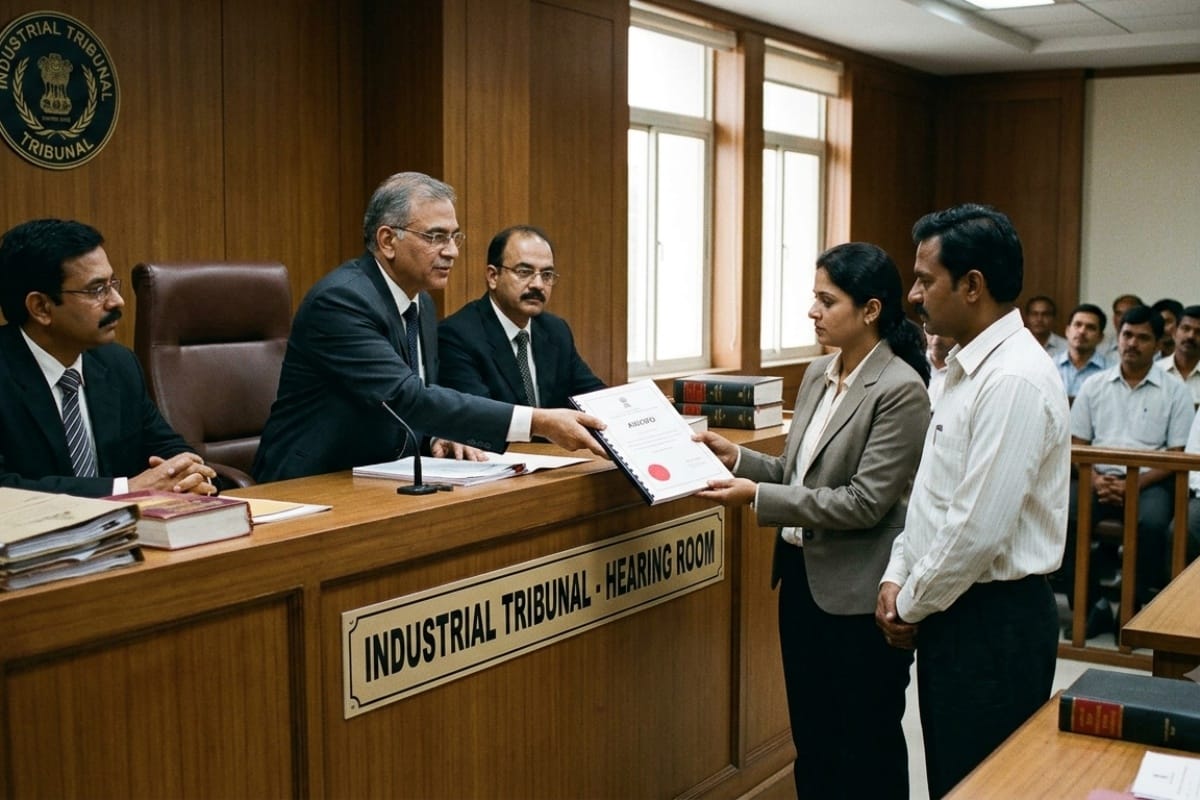
Deciding two connected writ petitions arising from a common Industrial Tribunal Award, the Delhi High Court set aside the Tribunal's direction granting hotel workmen a further…
Labour Laws
06/09/20264 min read
Update / Judgement Date
16 Oct 2025
Source
WCP News Bulletin
Author
Sakshi Bhardwaj — WCP Legal Desk
Reading Time
3 min read
The Supreme Court of India set aside the Allahabad High Court’s order that had referred the recruitment process of the Uttar Pradesh Legislative Assembly and Council Secretariats to the Central Bureau of Investigation (CBI) for a preliminary enquiry. The Court held that the High Court had exceeded its jurisdiction by directing a CBI probe suo motu in a recruitment dispute without any specific prayer, material evidence, or prima facie case indicating criminality.
The Bench reiterated that while High Courts possess the power under Article 226 of the Constitution to order a CBI investigation, such power must be exercised sparingly, cautiously, and only in exceptional circumstances. It cannot be invoked on mere suspicion, apprehension, or conjecture. The Supreme Court clarified that employment or recruitment-related matters ordinarily fall within the administrative or disciplinary domain and should not be converted into public interest litigations unless gross illegality or mala fide is established on record.
The Supreme Court allowed the appeals, set aside the Allahabad High Court’s orders dated 18.09.2023 and 03.10.2023, and held that constitutional courts must exercise restraint and adhere to self-imposed limitations while invoking extraordinary jurisdiction to direct CBI investigations, especially in recruitment or administrative matters.
Citation: 2025 INSC 1241
Case: Legislative Council U.P. Lucknow & Ors. v. Sushil Kumar & Ors.
Court: Supreme Court of India
Coram: Justice J.K. Maheshwari
Civil Appeal No.: (Arising out of SLP (C) No. 12345 of 2024)
Deciding two connected writ petitions arising from a common Industrial Tribunal Award, the Delhi High Court set aside the Tribunal's direction granting hotel workmen a further…
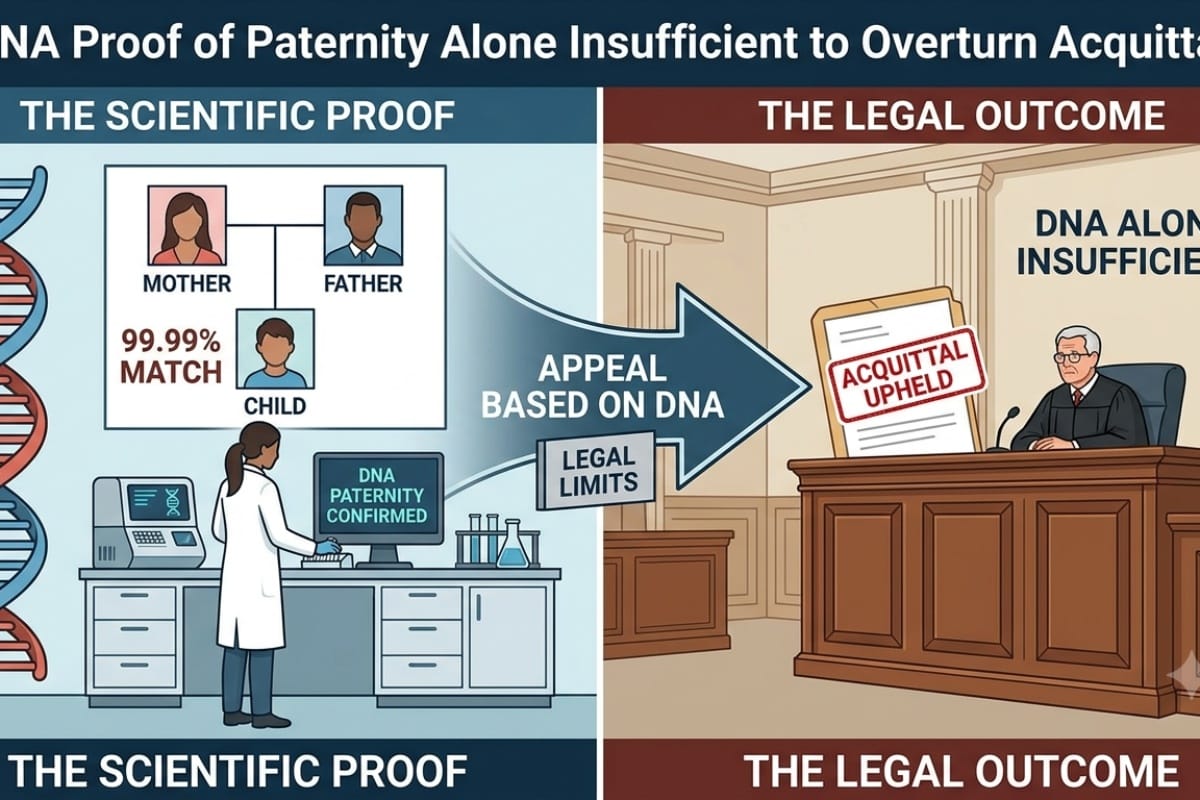
Headnote The Delhi High Court dismissed a prosecutrix's appeal against acquittal of the accused on charges under Sections 328/376 2 n /377/506/509 IPC, despite DNA evidence…
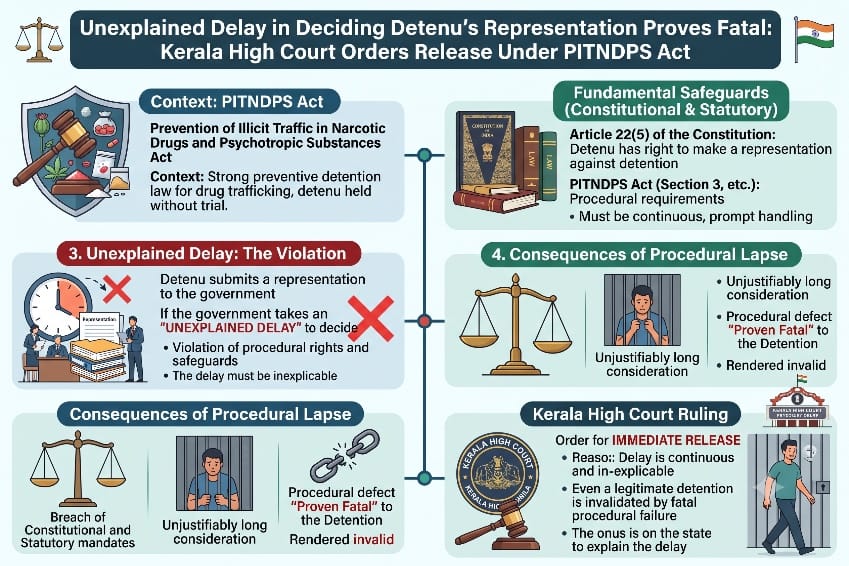
Fathimath Thasneem V.K. v. Union of India and Others | High Court of Kerala at Ernakulam | 3rd September, 2026 A habeas corpus writ petition by the wife of a detenu challenging…
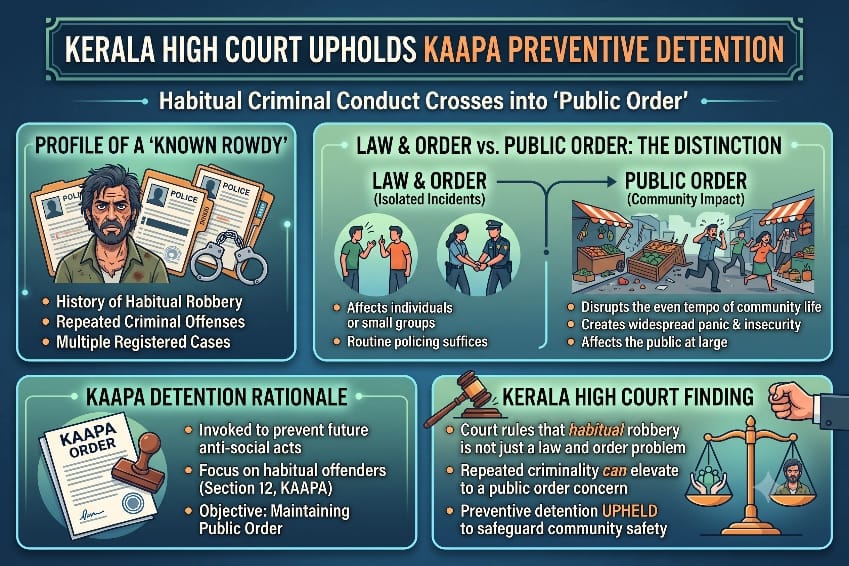
Thasmitha Abukutty v. State of Kerala and Others | High Court of Kerala at Ernakulam | 2nd September, 2026 A writ petition by the wife of a preventive detenu challenging a…
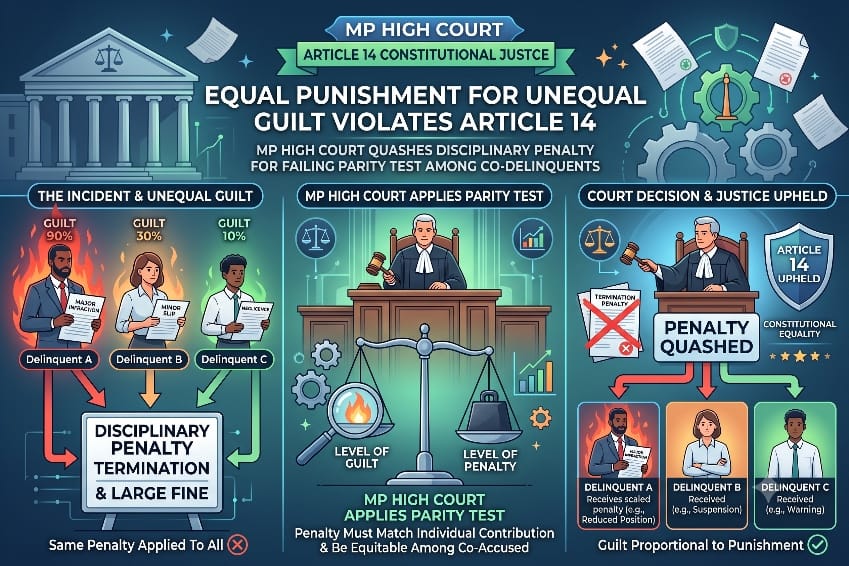
Brahm Kishore Dixit v. The State of Madhya Pradesh and Others | High Court of Madhya Pradesh, Gwalior | 1st September, 2026 A writ petition under Article 226 by a police Assistant…
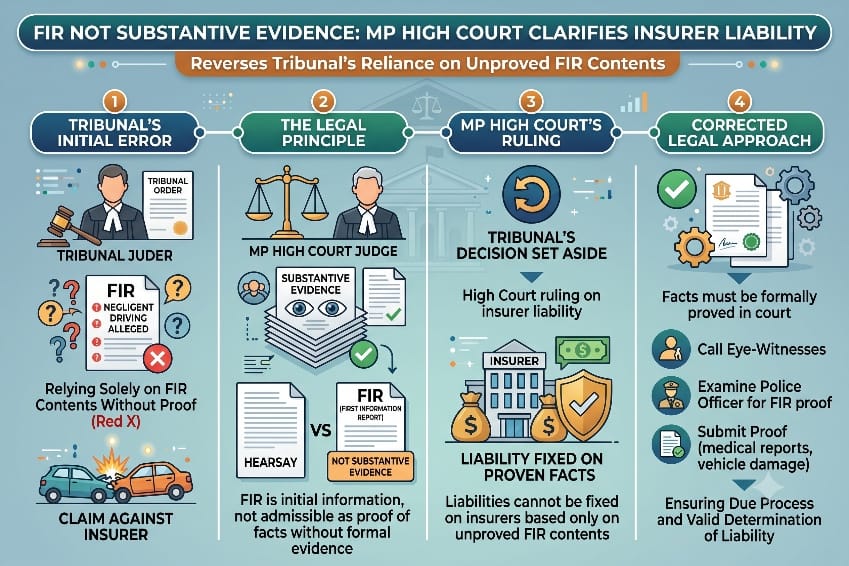
Anil Kumar Patel v. Smt. Munni Bai Barman and Others | High Court of Madhya Pradesh, Jabalpur | 1st September, 2026 A Motor Vehicle Act appeal under Section 173 1 against a Claims…
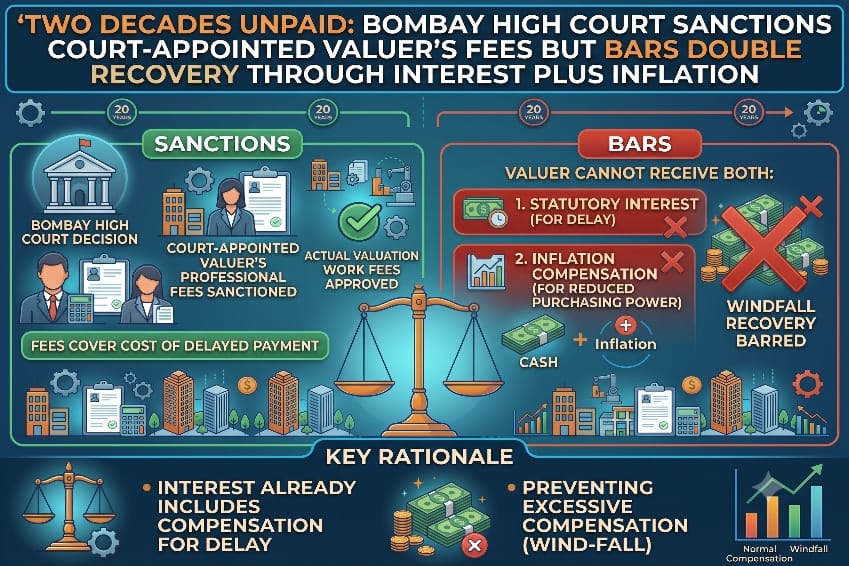
M/s. Kuber Mutual Benefits Ltd. & Ors. v. The State of Maharashtra & Ors. | High Court of Judicature at Bombay Appellate Side | 3rd September, 2026 A Court Receiver's Report…
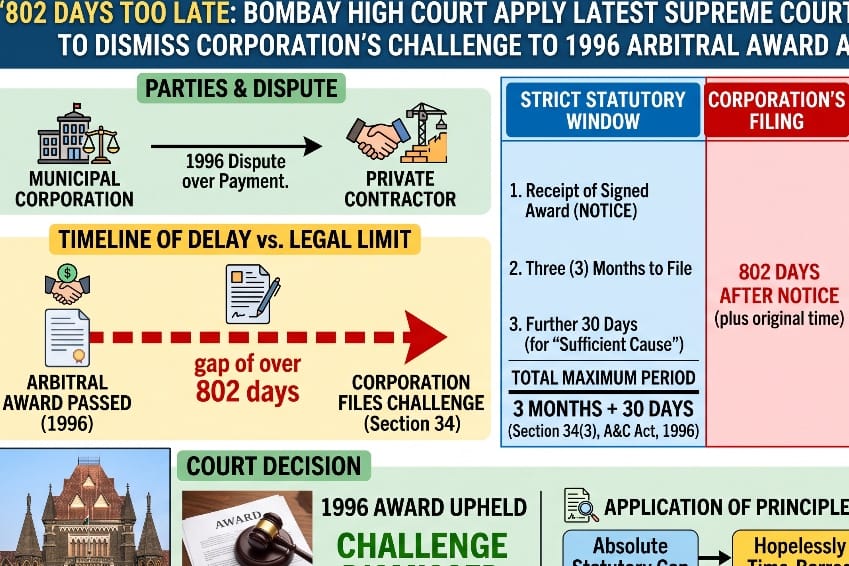
The Municipal Corporation of Greater Bombay v. M/s. Atul Raj Builders Pvt. Ltd. | High Court of Judicature at Bombay Ordinary Original Civil Jurisdiction | 3rd September, 2026 A…
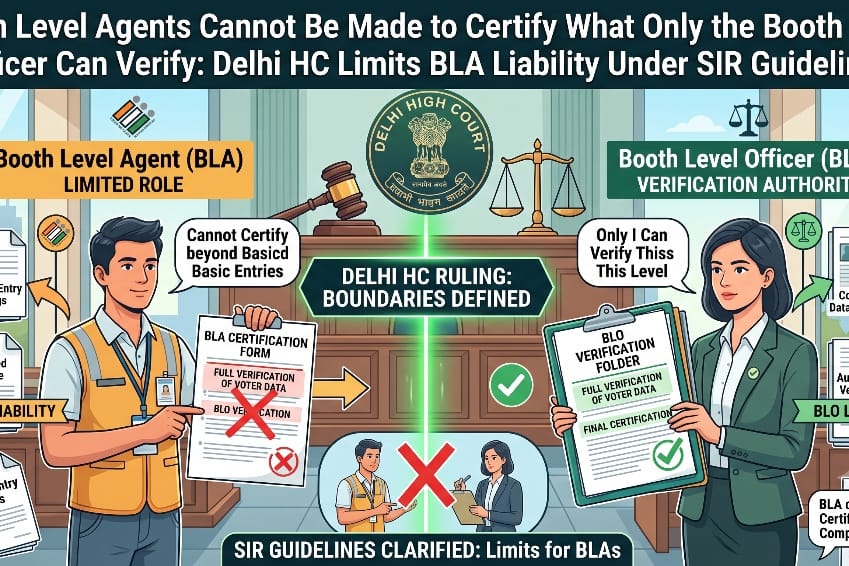
Devender Yadav & Anr. v. Election Commission of India & Anr. | High Court of Delhi Single Judge | Decided on: 03.09.2026 In a challenge to the Election Commission of India's…
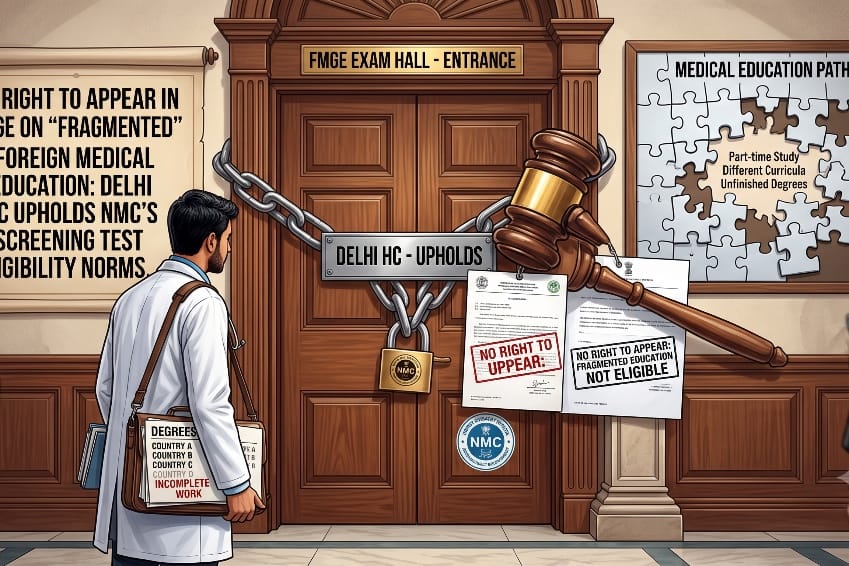
Brij Sharadbhai Bhatt & Ors. v. National Medical Commission & Ors. | High Court of Delhi Division Bench | Decided on: 03.09.2026 The Delhi High Court dismissed a challenge by…