Deciding two connected writ petitions arising from a common Industrial Tribunal Award, the Delhi High Court set aside the Tribunal's direction granting hotel workmen a further…
Labour Laws
06/09/20264 min read
Update / Judgement Date
16 Oct 2025
Source
WCP News Bulletin
Author
Sakshi Bhardwaj — WCP Legal Desk
Reading Time
4 min read
The Supreme Court upheld the decision of the Bombay High Court, Aurangabad Bench, affirming that an Agreement to Sell executed during the lifetime of a deceased person does not create ownership rights or exclude the property from matruka (inherited) property under Mohammedan Law. The Court held that since the sale deed was executed only after the death of the owner, the property continued to vest in the deceased at the time of death and must be distributed among legal heirs as per the rules of Muslim inheritance. Reiterating the settled principle that “an agreement to sell does not convey title,” the Court confirmed that the widow of the deceased was entitled to one-fourth share in the absence of children, while the remaining three-fourths devolved upon the deceased’s brother.
The Court also criticised the poor translation of the trial court’s judgment, emphasising that accuracy in translation is vital for meaningful appellate review. The appeals were dismissed, affirming the correctness of the lower appellate court’s and High Court’s findings.
• The dispute arose over immovable properties left behind by Chand Khan, who died issueless. His widow, Zoharbee, claimed 3/4th share in the estate, while his brother, Imam Khan, claimed the entire property.
• The defendant contended that one property had already been transferred during Chand Khan’s lifetime under an Agreement to Sell (November 1999) and that another property had been sold to a third party, Ayub Khan.
• The Civil Court dismissed the widow’s claim, holding that the agreement and sale were valid and that nothing remained to be partitioned.
• The First Appellate Court, however, reversed the finding, holding that an Agreement to Sell does not create title, and since the sale deed was executed after Chand Khan’s death, the property remained vested in him at the time of death.
• The High Court, in Second Appeal, affirmed this view and dismissed the brother’s appeal, holding that no substantial question of law arose.
• The matter reached the Supreme Court in 2023, where the appellants challenged the High Court’s decision.
• Referring to Section 54 of the Transfer of Property Act, 1882, and its interpretation in Suraj Lamp & Industries (P) Ltd. (2) v. State of Haryana, (2012) 1 SCC 656, the Court reiterated that an agreement to sell does not transfer ownership; ownership passes only upon execution of a registered sale deed.
• Following RBANMS Educational Institution v. B. Gunashekar, 2025 SCC OnLine SC 793, the Bench reaffirmed that an unregistered contract of sale conveys no title or proprietary interest.
• The property in question, therefore, continued to be owned by Chand Khan at the time of his death and qualified as matruka property — property left behind by a deceased Muslim to be distributed among heirs.
• Citing Jamil Ahmad v. Vth ADJ, Moradabad, (2001) 8 SCC 599, and Trinity Infraventures Ltd. v. M.S. Murthy, 2023 SCC OnLine SC 738, the Court clarified that “matruka” encompasses both movable and immovable property left by the deceased.
• Applying Mulla’s Principles of Mohammedan Law, the Court observed that a widow without children is entitled to one-fourth share, and the remaining three-fourths devolve upon the brother as a residuary heir.
• The Civil Court erred in excluding the property from division based on an incomplete sale, as the sale deed was executed posthumously, contrary to law.
• Reiterating the maxim “nemo dat quod non habet” (no one can transfer a better title than he himself has), the Court held that Zoharbee could transfer only her one-fourth share.
• The Court expressed dissatisfaction over inaccurate translation of the trial court’s judgment, stressing that precision in legal translation is crucial for justice delivery and appellate scrutiny.
• Section 54, Transfer of Property Act, 1882 – Definition of “sale” and distinction between sale and agreement to sell.
• Principles of Mohammedan Law (Mulla, §51–63) – Definition and rules governing matruka property and inheritance hierarchy (Sharers, Residuaries, Distant Kindred).
• Quran, Chapter IV, Verse 12 – Distribution of inheritance between husband, wife, and other heirs.
• Doctrine: Nemo dat quod non habet – No one can convey a better title than he possesses.
• Article 136, Constitution of India – Supreme Court’s appellate jurisdiction.
Citation: 2025 INSC 1245
Case: Zoharbee & Anr. v. Imam Khan (D) through LRs. & Ors.
Court: Supreme Court of India
Coram: Justice Sanjay Karol & Justice Prashant Kumar Mishra
Civil Appeal Nos.: 4516–4517 of 2023
Deciding two connected writ petitions arising from a common Industrial Tribunal Award, the Delhi High Court set aside the Tribunal's direction granting hotel workmen a further…
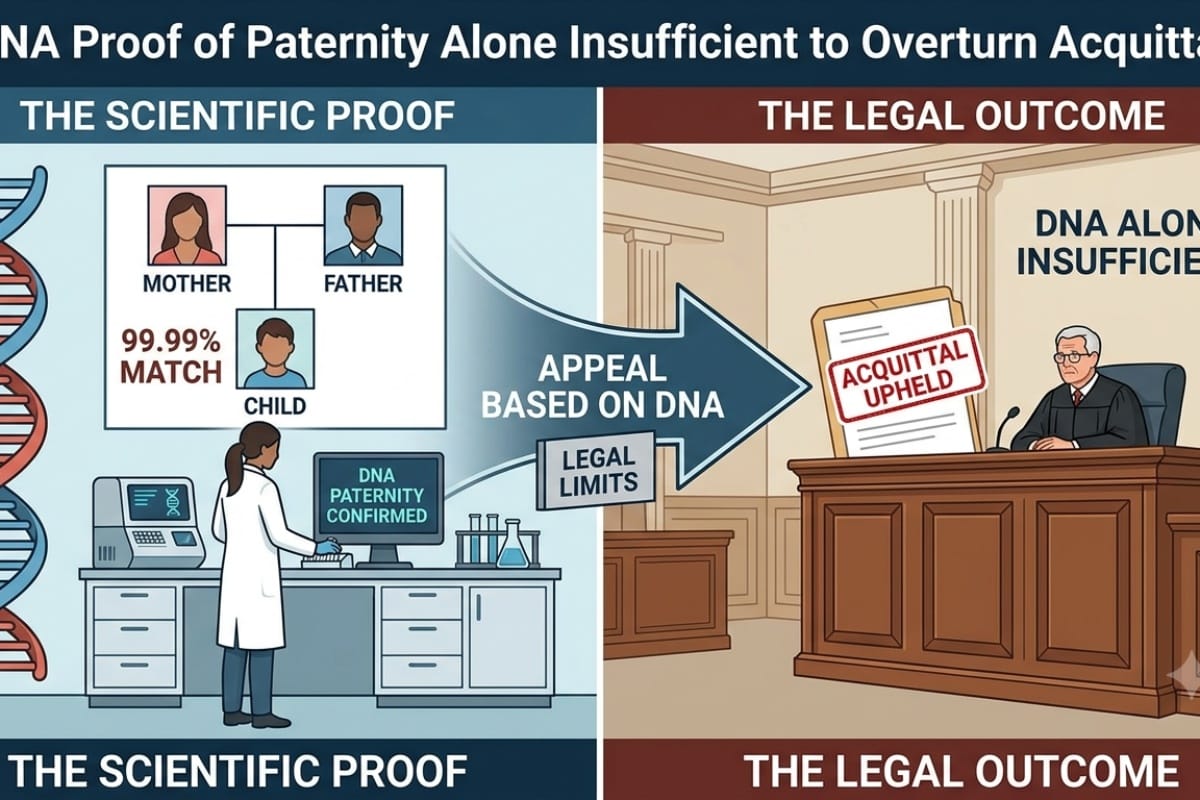
Headnote The Delhi High Court dismissed a prosecutrix's appeal against acquittal of the accused on charges under Sections 328/376 2 n /377/506/509 IPC, despite DNA evidence…
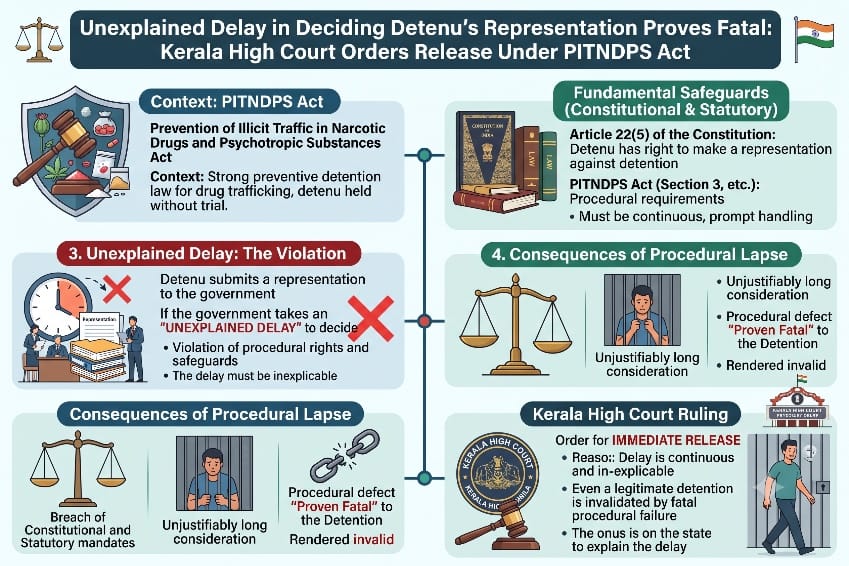
Fathimath Thasneem V.K. v. Union of India and Others | High Court of Kerala at Ernakulam | 3rd September, 2026 A habeas corpus writ petition by the wife of a detenu challenging…
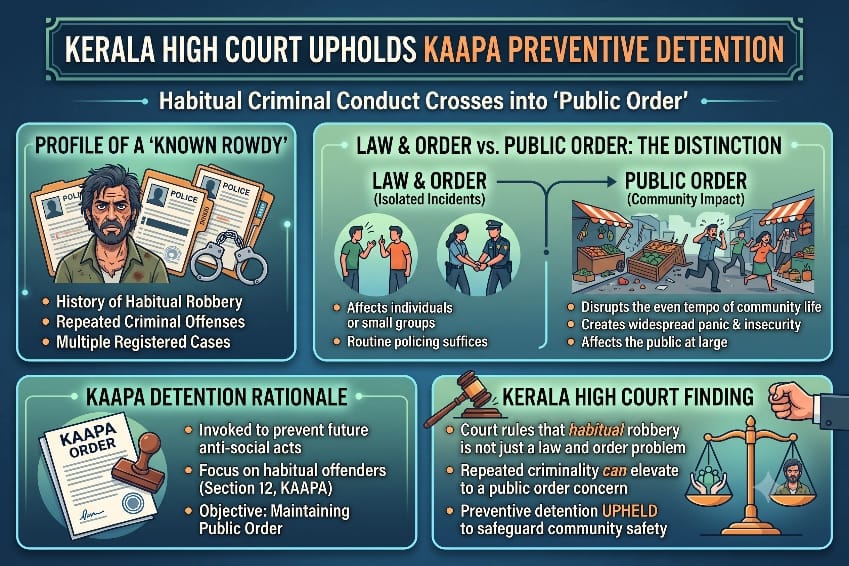
Thasmitha Abukutty v. State of Kerala and Others | High Court of Kerala at Ernakulam | 2nd September, 2026 A writ petition by the wife of a preventive detenu challenging a…
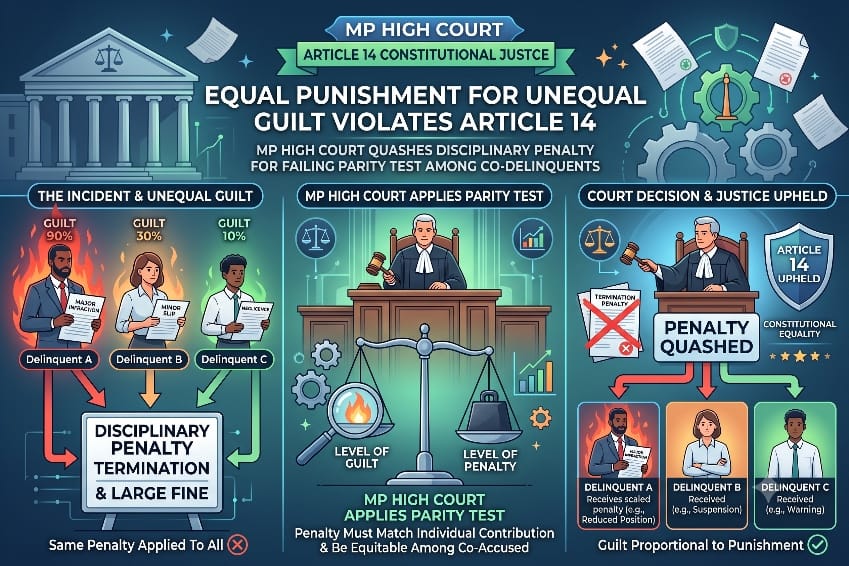
Brahm Kishore Dixit v. The State of Madhya Pradesh and Others | High Court of Madhya Pradesh, Gwalior | 1st September, 2026 A writ petition under Article 226 by a police Assistant…
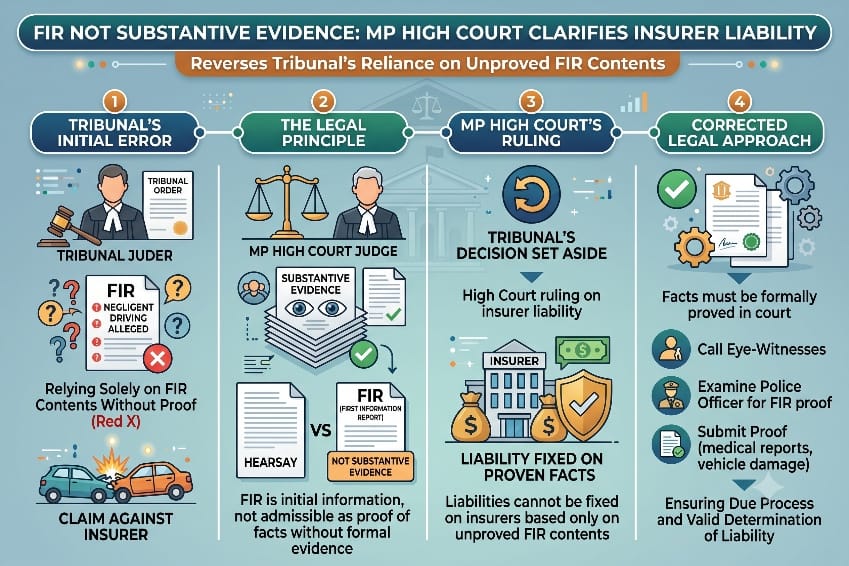
Anil Kumar Patel v. Smt. Munni Bai Barman and Others | High Court of Madhya Pradesh, Jabalpur | 1st September, 2026 A Motor Vehicle Act appeal under Section 173 1 against a Claims…
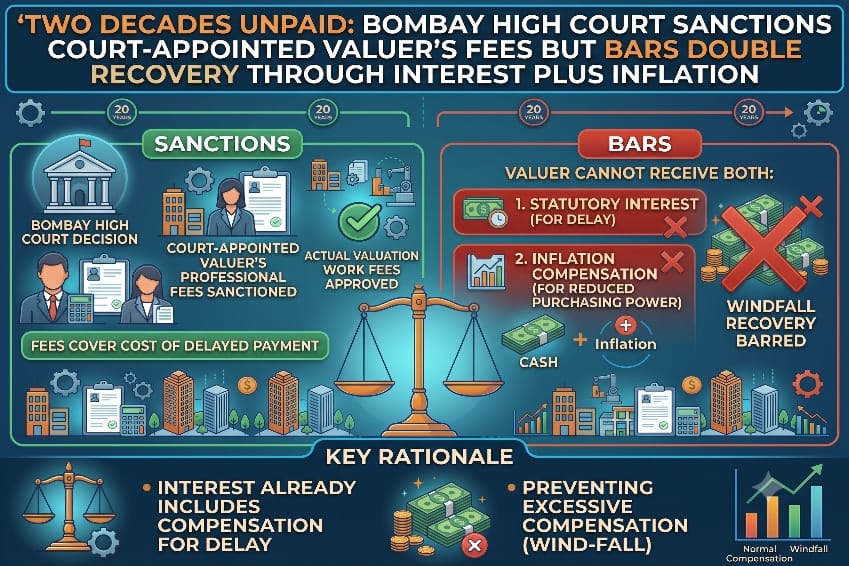
M/s. Kuber Mutual Benefits Ltd. & Ors. v. The State of Maharashtra & Ors. | High Court of Judicature at Bombay Appellate Side | 3rd September, 2026 A Court Receiver's Report…
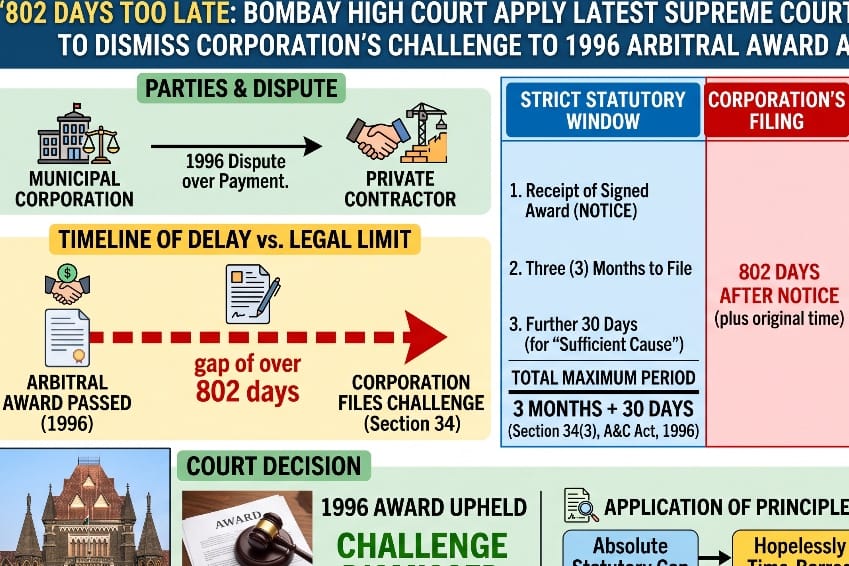
The Municipal Corporation of Greater Bombay v. M/s. Atul Raj Builders Pvt. Ltd. | High Court of Judicature at Bombay Ordinary Original Civil Jurisdiction | 3rd September, 2026 A…
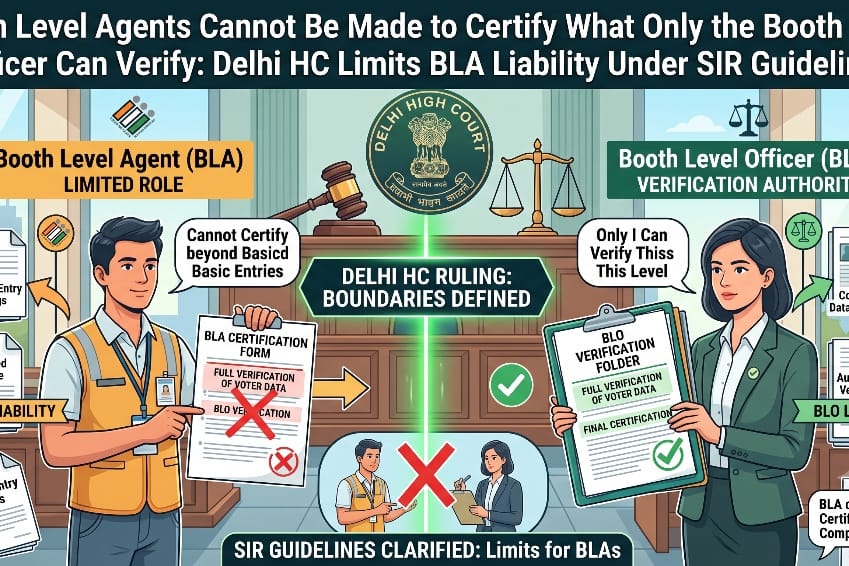
Devender Yadav & Anr. v. Election Commission of India & Anr. | High Court of Delhi Single Judge | Decided on: 03.09.2026 In a challenge to the Election Commission of India's…
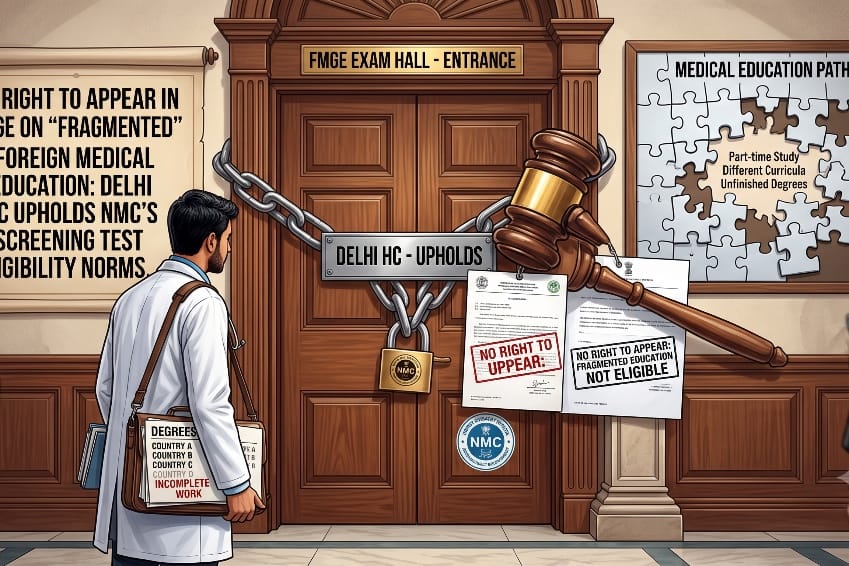
Brij Sharadbhai Bhatt & Ors. v. National Medical Commission & Ors. | High Court of Delhi Division Bench | Decided on: 03.09.2026 The Delhi High Court dismissed a challenge by…