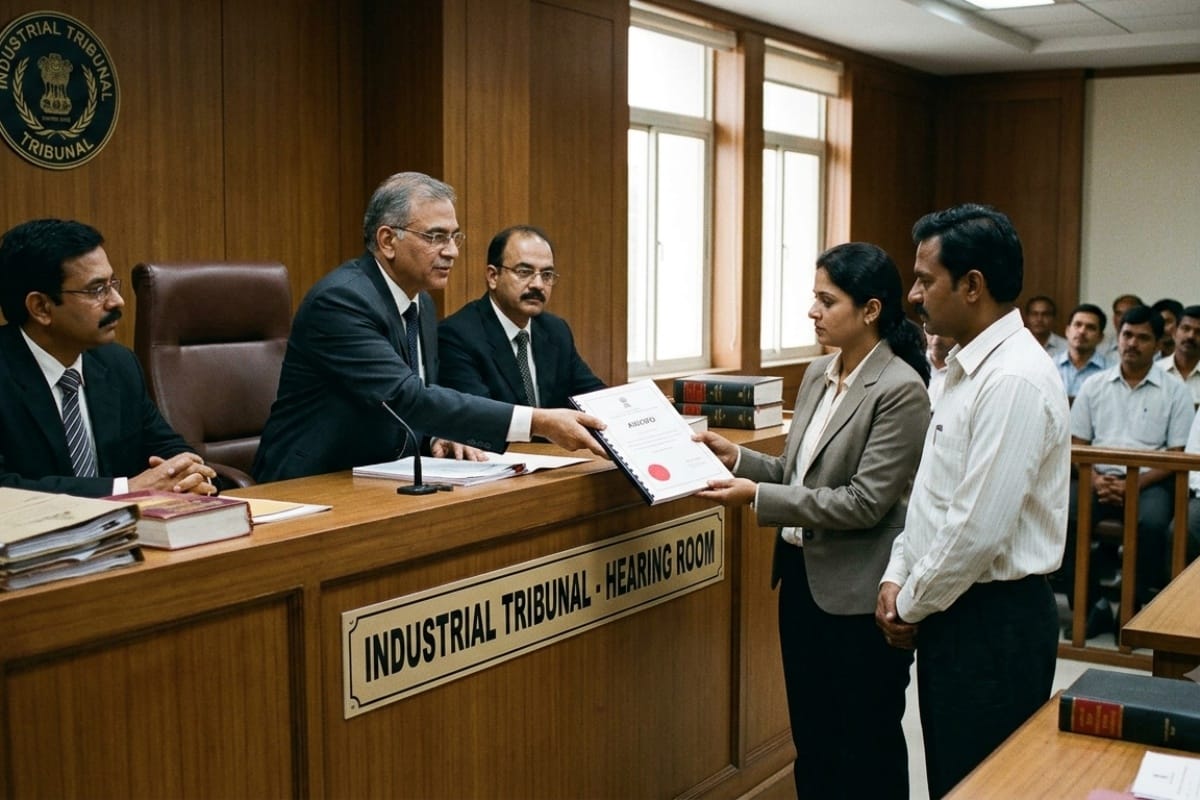
Deciding two connected writ petitions arising from a common Industrial Tribunal Award, the Delhi High Court set aside the Tribunal's direction granting hotel workmen a further…
Labour Laws
06/09/20264 min read
Update / Judgement Date
21 Dec 2025
Source
WCP News Bulletin
Author
Sakshi Bhardwaj — WCP Legal Desk
Reading Time
4 min read
The Supreme Court held that mutation of land records can be carried out on the basis of a will and that there is no statutory bar under the Madhya Pradesh Land Revenue Code, 1959 to deny mutation merely because the claim is founded on a testamentary document. The Court clarified that mutation proceedings are administrative and fiscal in nature, do not confer title, and can validly be made subject to the outcome of pending civil proceedings. The High Court was found to have erred in interfering with concurrent orders of revenue authorities by relying on outdated precedent.
• Roda alias Rodilal was the recorded tenure holder of several agricultural survey numbers situated at Mouza Bhopali, District Ujjain, measuring 5.580 hectares.
• He died on 06.11.2019.
• The appellant claimed rights over the land as a legatee under a registered will dated 01.05.2017 executed by the deceased.
• An application for mutation was filed under Sections 109 and 110 of the Madhya Pradesh Land Revenue Code, 1959 before the Tehsildar, Manasa.
• The first respondent objected to the mutation, claiming possession over one of the survey numbers based on an unregistered agreement to sell.
• The Tehsildar allowed mutation in favour of the appellant after recording statements of witnesses, including attesting witnesses to the will, while making the mutation subject to the outcome of a civil suit.
• Appeals filed by the first respondent before the Sub-Divisional Officer and the Commissioner were dismissed.
• The High Court of Madhya Pradesh, exercising jurisdiction under Article 227, set aside the mutation orders and directed that the names of legal heirs under the Hindu Succession Act, 1956 be recorded, relying on its earlier decision in Ranjit v. Smt. Nandita Singh.
• Aggrieved, the appellant approached the Supreme Court.
• Sections 109 and 110 of the Madhya Pradesh Land Revenue Code, 1959 do not restrict acquisition of rights in land to non-testamentary modes.
• Acquisition of rights through a will is a recognized mode, expressly acknowledged under the 2018 Mutation Rules.
• There is no legal prohibition against seeking mutation on the basis of a will.
• Mutation proceedings are administrative and summary in nature and do not decide title or confer ownership rights.
• The High Court failed to examine whether the orders of the revenue authorities suffered from jurisdictional error or legal infirmity.
• Reliance on earlier precedent holding mutation based on a will to be impermissible was misplaced in light of subsequent statutory rules and Full Bench authority.
• The Full Bench decision in Anand Choudhary v. State of Madhya Pradesh clarified that mutation applications based on wills cannot be rejected at the threshold.
• Disputes relating to validity or genuineness of a will must be adjudicated by a competent civil court, not by revenue authorities.
• In the present case, no legal heir of the deceased challenged the will; the objection was raised by a third party claiming possession under an unregistered agreement to sell.
• Mutation in favour of the appellant, made subject to the outcome of civil proceedings, did not suffer from any illegality warranting interference under Article 227.
• Mutation entries serve fiscal purposes and should not be denied in the absence of a serious title dispute raised by legal heirs.
Decision• The Supreme Court allowed the appeal.
• The judgment and order of the Madhya Pradesh High Court dated 14.08.2024 were set aside.
• Orders passed by the Tehsildar, Sub-Divisional Officer, and Commissioner allowing mutation in favour of the appellant were restored.
• The mutation entry shall remain subject to adjudication by a competent Civil Court or Revenue Court.
• Sections 109 & 110, Madhya Pradesh Land Revenue Code, 1959 – Reporting and mutation of acquisition of rights.
• Madhya Pradesh Bhu-Rajasv Sanhita (Mutation) Rules, 2018 – Recognition of testamentary succession for mutation.
• Hindu Succession Act, 1956 – Statutory succession (contextual reference).
• Article 227, Constitution of India – Supervisory jurisdiction of High Courts.
• Anand Choudhary v. State of Madhya Pradesh, 2025 SCC OnLine MP 977.
• Jitendra Singh v. State of Madhya Pradesh, 2021 SCC OnLine SC 802.
Deciding two connected writ petitions arising from a common Industrial Tribunal Award, the Delhi High Court set aside the Tribunal's direction granting hotel workmen a further…
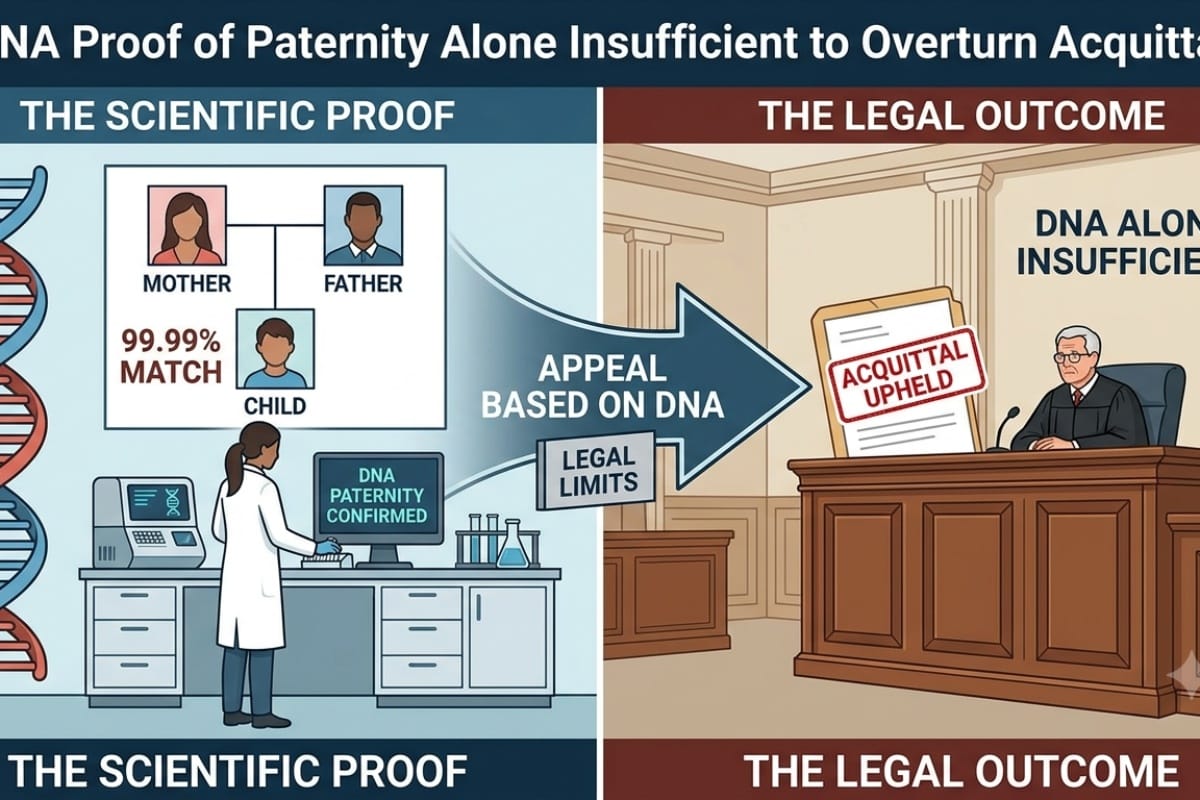
Headnote The Delhi High Court dismissed a prosecutrix's appeal against acquittal of the accused on charges under Sections 328/376 2 n /377/506/509 IPC, despite DNA evidence…
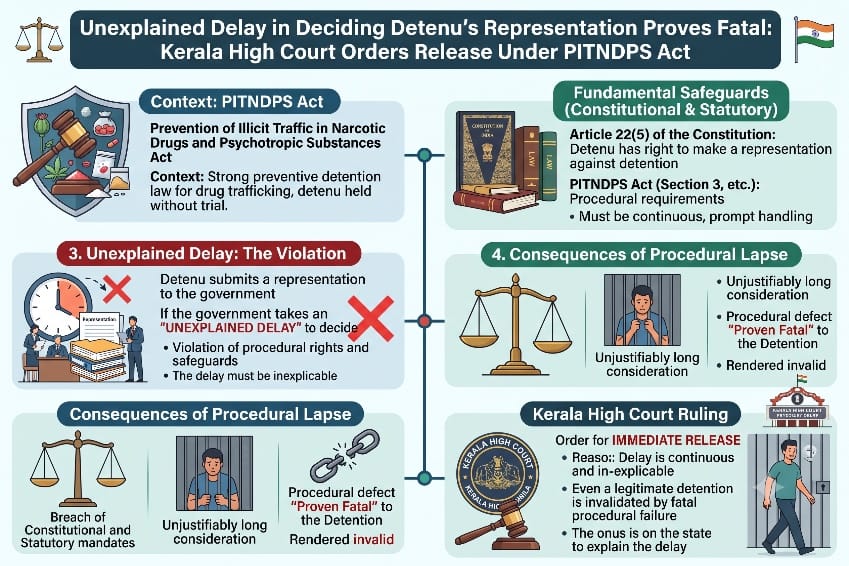
Fathimath Thasneem V.K. v. Union of India and Others | High Court of Kerala at Ernakulam | 3rd September, 2026 A habeas corpus writ petition by the wife of a detenu challenging…
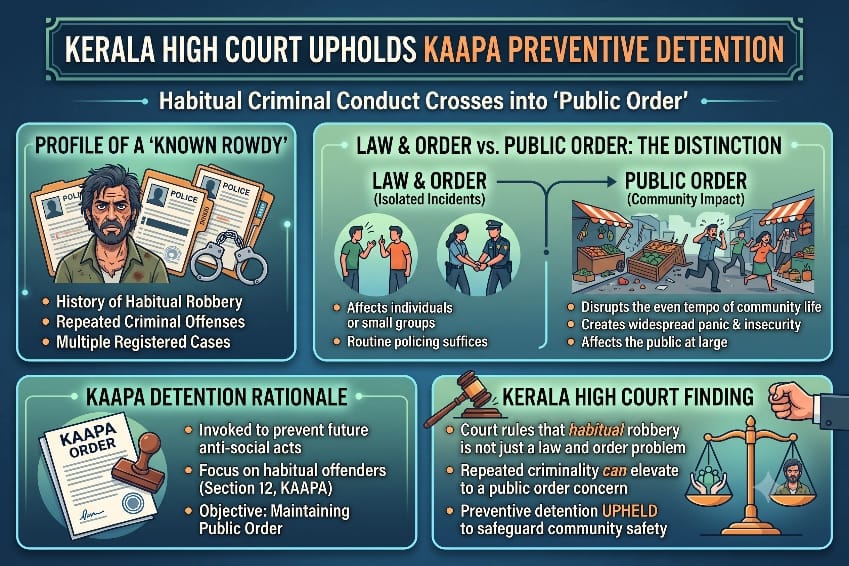
Thasmitha Abukutty v. State of Kerala and Others | High Court of Kerala at Ernakulam | 2nd September, 2026 A writ petition by the wife of a preventive detenu challenging a…
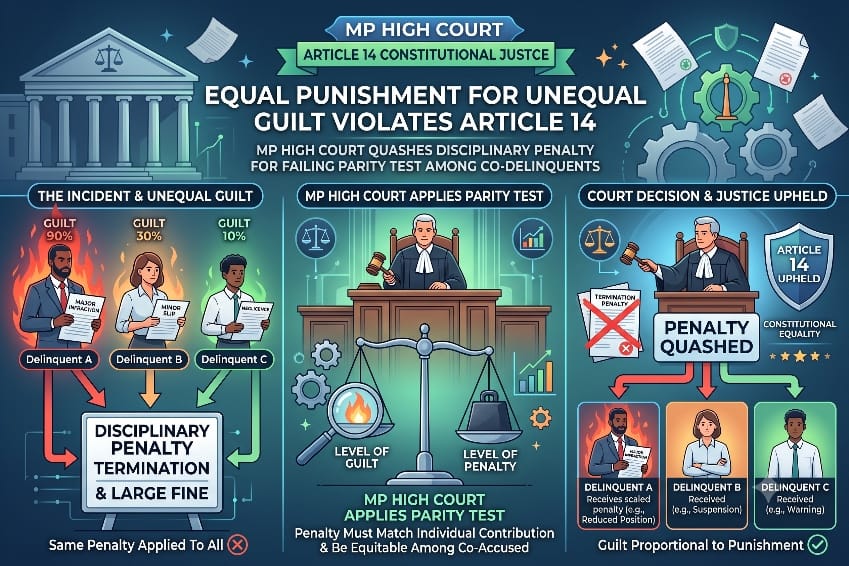
Brahm Kishore Dixit v. The State of Madhya Pradesh and Others | High Court of Madhya Pradesh, Gwalior | 1st September, 2026 A writ petition under Article 226 by a police Assistant…
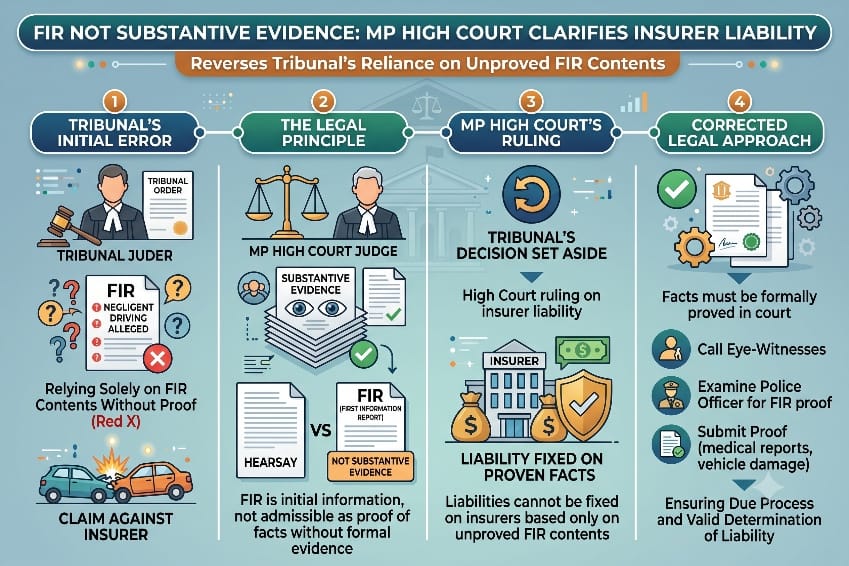
Anil Kumar Patel v. Smt. Munni Bai Barman and Others | High Court of Madhya Pradesh, Jabalpur | 1st September, 2026 A Motor Vehicle Act appeal under Section 173 1 against a Claims…
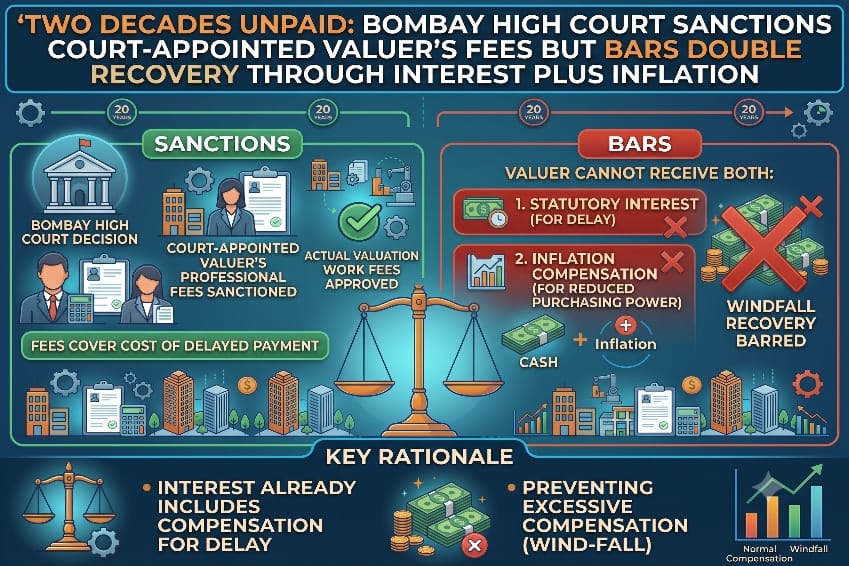
M/s. Kuber Mutual Benefits Ltd. & Ors. v. The State of Maharashtra & Ors. | High Court of Judicature at Bombay Appellate Side | 3rd September, 2026 A Court Receiver's Report…
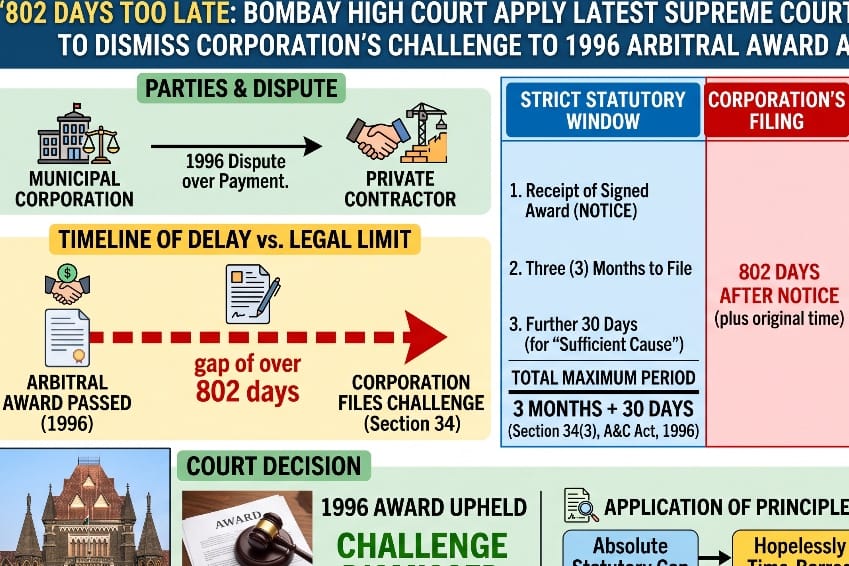
The Municipal Corporation of Greater Bombay v. M/s. Atul Raj Builders Pvt. Ltd. | High Court of Judicature at Bombay Ordinary Original Civil Jurisdiction | 3rd September, 2026 A…

Devender Yadav & Anr. v. Election Commission of India & Anr. | High Court of Delhi Single Judge | Decided on: 03.09.2026 In a challenge to the Election Commission of India's…
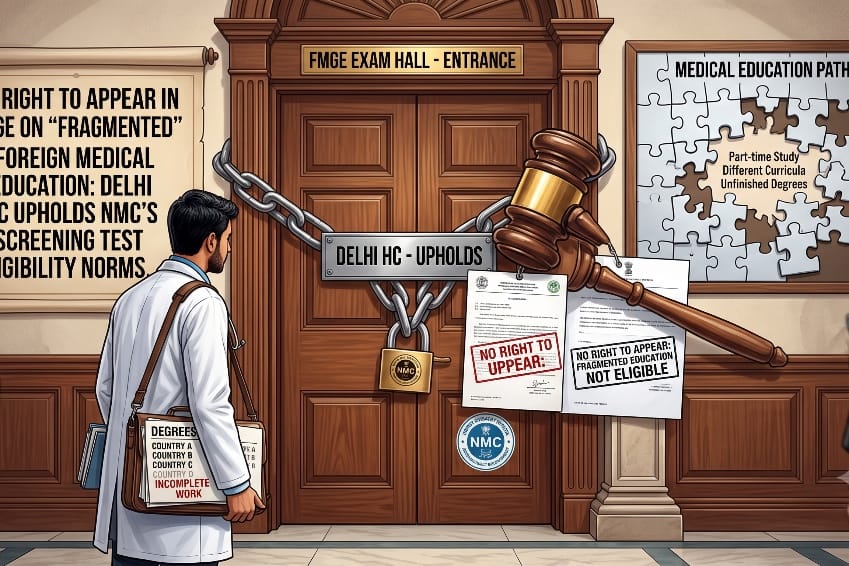
Brij Sharadbhai Bhatt & Ors. v. National Medical Commission & Ors. | High Court of Delhi Division Bench | Decided on: 03.09.2026 The Delhi High Court dismissed a challenge by…