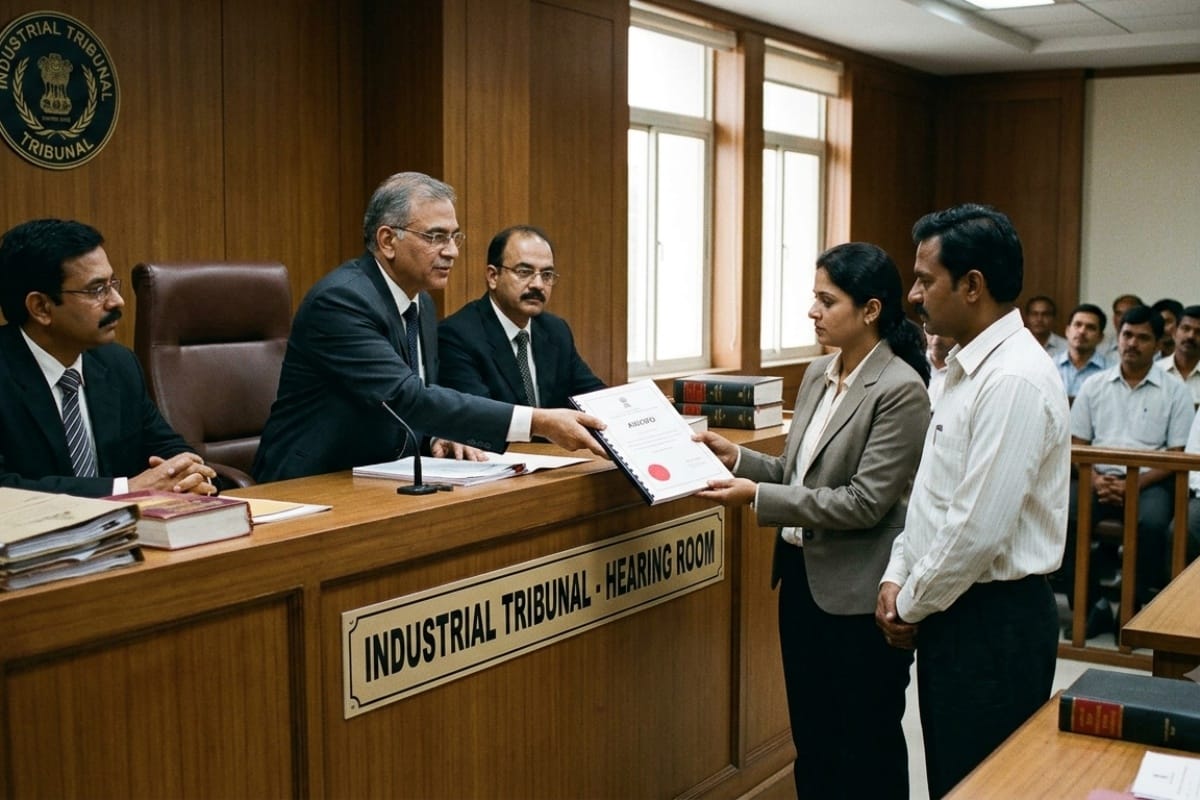
Deciding two connected writ petitions arising from a common Industrial Tribunal Award, the Delhi High Court set aside the Tribunal's direction granting hotel workmen a further…
Labour Laws
06/09/20264 min read
Update / Judgement Date
21 Dec 2025
Source
WCP News Bulletin
Author
Sakshi Bhardwaj — WCP Legal Desk
Reading Time
3 min read
The Supreme Court set aside a Division Bench judgment of the Rajasthan High Court and restored the order of the Single Judge quashing the creation of Revenue Villages named after individuals. The Court held that the State Government is bound by its own policy circular prohibiting the naming of Revenue Villages after persons, religion, caste or community. Any action taken in contravention of such binding executive policy, without amendment or withdrawal, was held to be arbitrary and violative of Article 14 of the Constitution.
• The appellants and private respondents were residents of Village Sohda, District Barmer, Rajasthan.
• On the proposal of the Gram Panchayat, the Tehsildar (Land Records), Barmer issued certificates dated 24.12.2020 for creation of four new Revenue Villages, including Amargarh and Sagatsar.
• Affidavits were executed by Amarram and Badli Kunwar (wife of Sagat Singh) agreeing to donate land for the said villages.
• The State Government issued a notification dated 31.12.2020 under Section 16 of the Rajasthan Land Revenue Act, 1956, formally creating Amargarh and Sagatsar as Revenue Villages.
• Objections were later raised alleging that the names of the villages were derived from names of individuals, in violation of the State Government Circular dated 20.08.2009.
• The learned Single Judge of the Rajasthan High Court quashed the notification insofar as it related to Amargarh and Sagatsar, granting liberty to rename the villages.
• The Division Bench set aside the Single Judge’s order, holding that earlier decisions on the issue were not applicable retrospectively.
• Clause 4 of the State Government Circular dated 20.08.2009 expressly prohibits naming Revenue Villages after any individual, religion, caste or sub-caste.
• The circular constitutes a binding policy decision, and the State Government is bound to act in accordance with it unless lawfully amended or withdrawn.
• The object of the circular is to maintain communal harmony and neutrality in administrative nomenclature.
• The names Amargarh and Sagatsar were admittedly derived from the names of individuals, namely Amarram and Sagat Singh.
• The notification dated 31.12.2020 was therefore issued in clear violation of the binding policy of the State Government.
• Executive action taken in derogation of a binding policy, without valid justification, is arbitrary and violative of Article 14 of the Constitution.
• The Division Bench erred in overlooking this material aspect and in confining its analysis only to the applicability of earlier judgments.
• A lis pending before a court must be decided on its own merits and in accordance with binding policy and law.
Decision• The Supreme Court quashed and set aside the judgment dated 05.08.2025 of the Division Bench of the Rajasthan High Court.
• The order dated 11.07.2025 passed by the learned Single Judge was restored.
• The appeal was allowed, with no order as to costs.
• Section 16, Rajasthan Land Revenue Act, 1956 – Power of the State Government to create, abolish or alter Revenue Villages.
• State Government Circular dated 20.08.2009 – Policy prohibiting naming of Revenue Villages after individuals, religion, caste or community.
• Article 14, Constitution of India – Protection against arbitrariness in State action.
Deciding two connected writ petitions arising from a common Industrial Tribunal Award, the Delhi High Court set aside the Tribunal's direction granting hotel workmen a further…

Headnote The Delhi High Court dismissed a prosecutrix's appeal against acquittal of the accused on charges under Sections 328/376 2 n /377/506/509 IPC, despite DNA evidence…
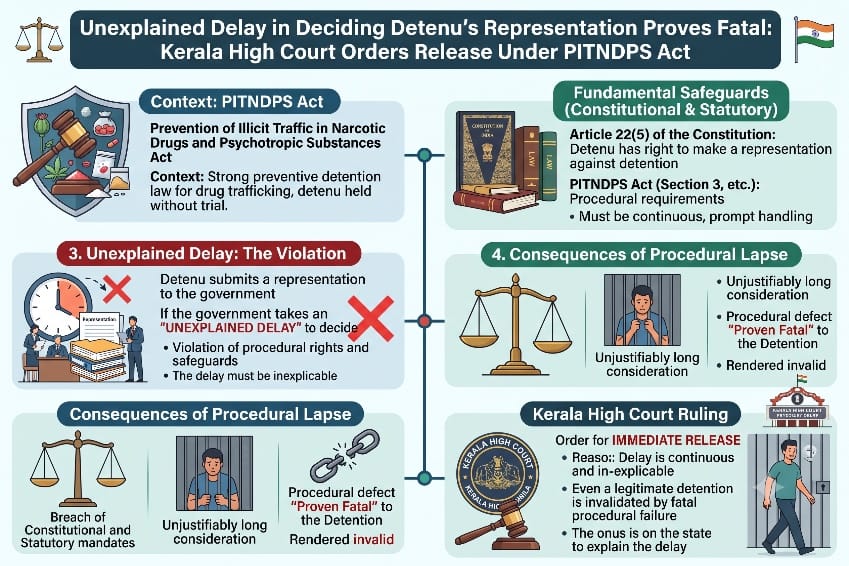
Fathimath Thasneem V.K. v. Union of India and Others | High Court of Kerala at Ernakulam | 3rd September, 2026 A habeas corpus writ petition by the wife of a detenu challenging…
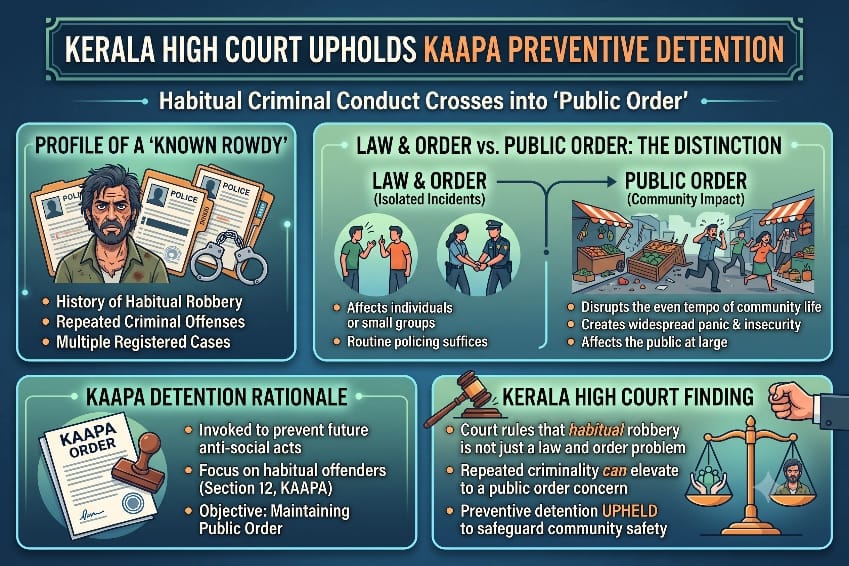
Thasmitha Abukutty v. State of Kerala and Others | High Court of Kerala at Ernakulam | 2nd September, 2026 A writ petition by the wife of a preventive detenu challenging a…
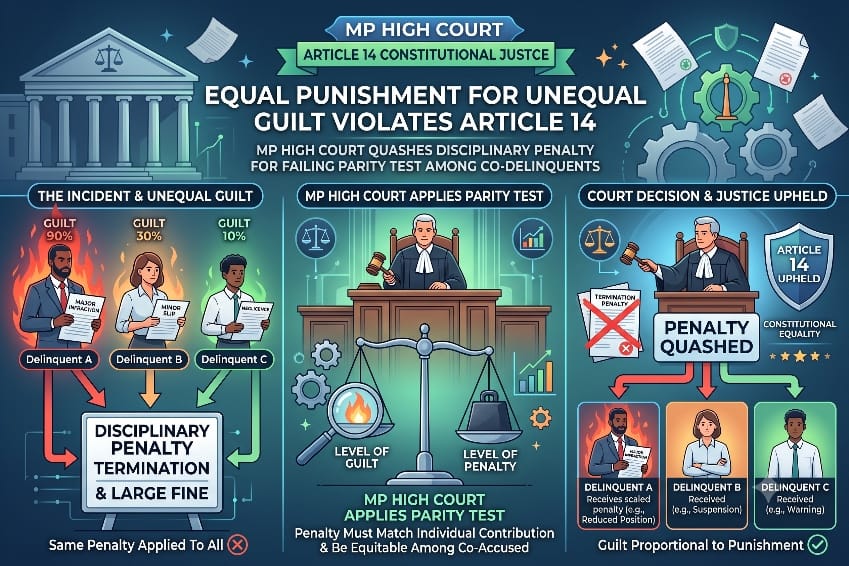
Brahm Kishore Dixit v. The State of Madhya Pradesh and Others | High Court of Madhya Pradesh, Gwalior | 1st September, 2026 A writ petition under Article 226 by a police Assistant…
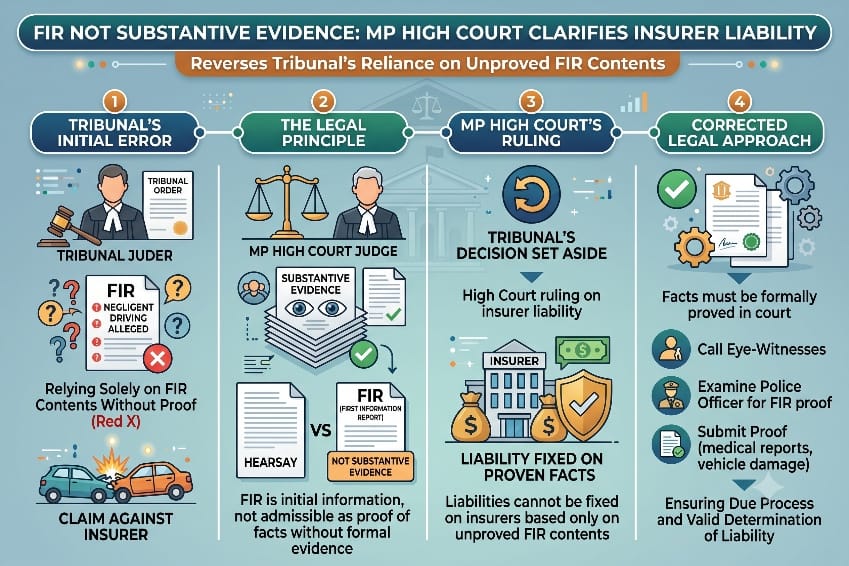
Anil Kumar Patel v. Smt. Munni Bai Barman and Others | High Court of Madhya Pradesh, Jabalpur | 1st September, 2026 A Motor Vehicle Act appeal under Section 173 1 against a Claims…
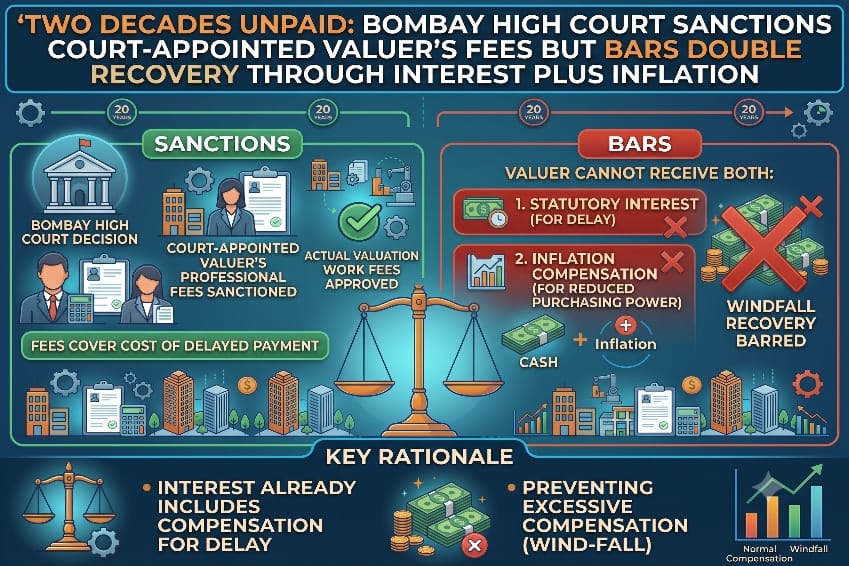
M/s. Kuber Mutual Benefits Ltd. & Ors. v. The State of Maharashtra & Ors. | High Court of Judicature at Bombay Appellate Side | 3rd September, 2026 A Court Receiver's Report…
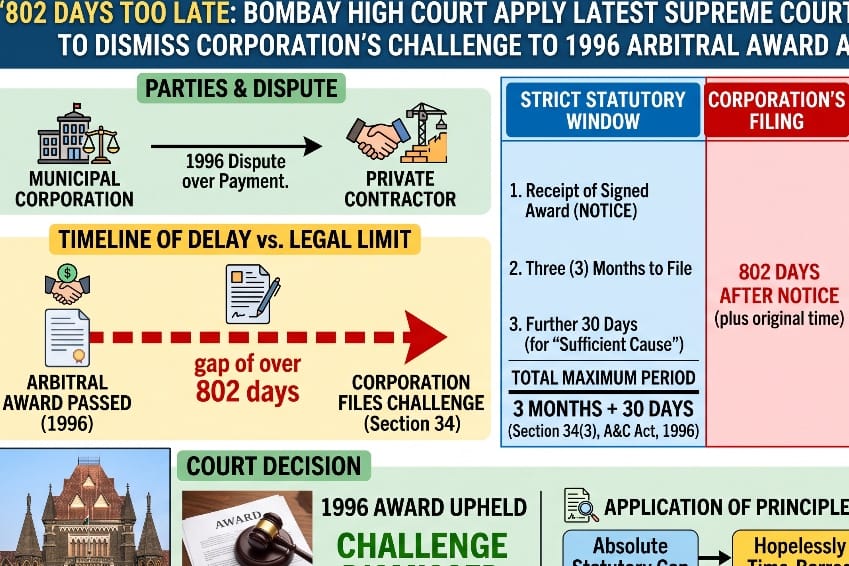
The Municipal Corporation of Greater Bombay v. M/s. Atul Raj Builders Pvt. Ltd. | High Court of Judicature at Bombay Ordinary Original Civil Jurisdiction | 3rd September, 2026 A…
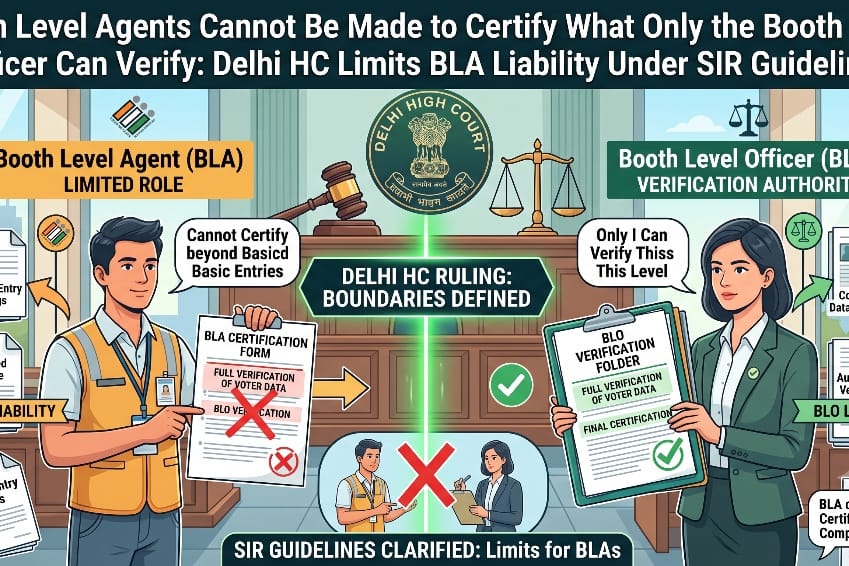
Devender Yadav & Anr. v. Election Commission of India & Anr. | High Court of Delhi Single Judge | Decided on: 03.09.2026 In a challenge to the Election Commission of India's…
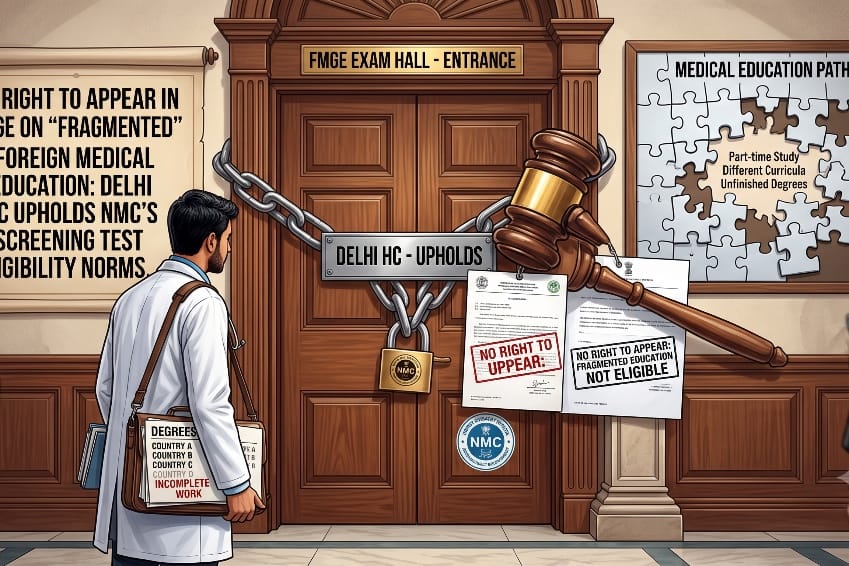
Brij Sharadbhai Bhatt & Ors. v. National Medical Commission & Ors. | High Court of Delhi Division Bench | Decided on: 03.09.2026 The Delhi High Court dismissed a challenge by…