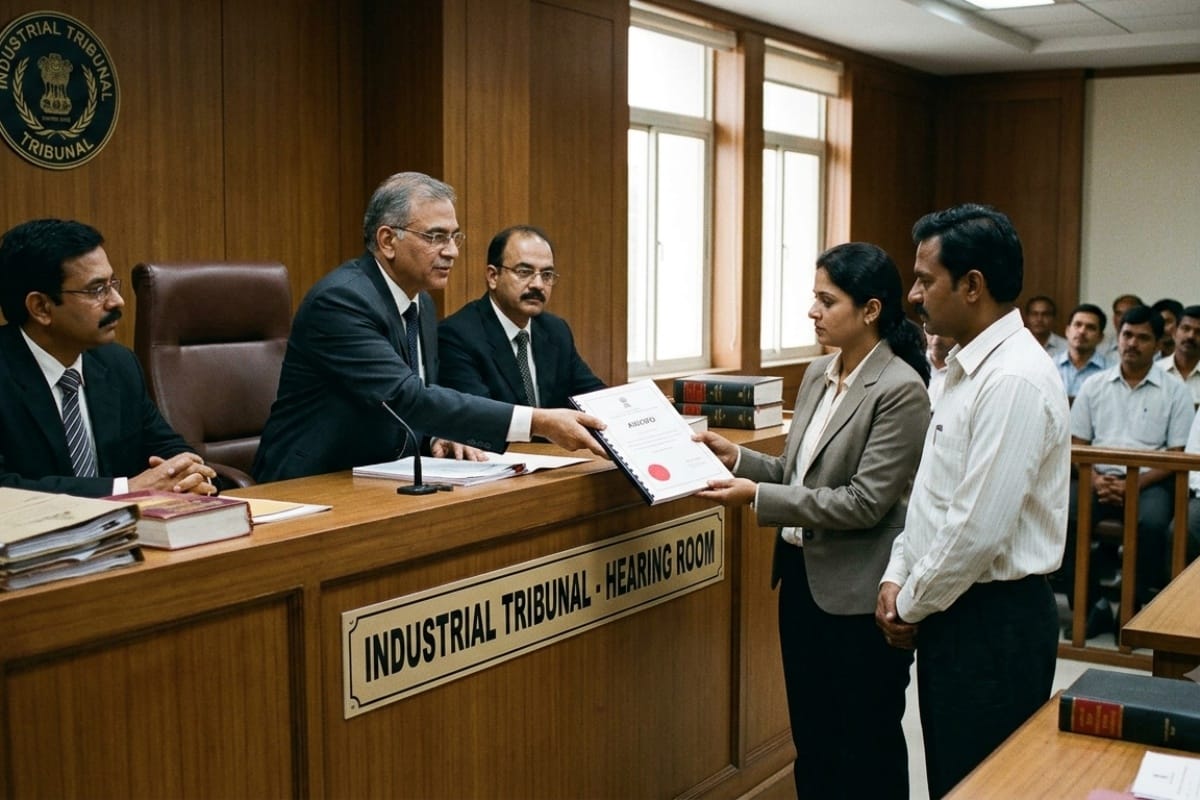
Deciding two connected writ petitions arising from a common Industrial Tribunal Award, the Delhi High Court set aside the Tribunal's direction granting hotel workmen a further…
Labour Laws
06/09/20264 min read
Update / Judgement Date
18 Dec 2025
Source
WCP News Bulletin
Author
Sakshi Bhardwaj — WCP Legal Desk
Reading Time
2 min read
The Supreme Court clarified that a non-compete fee paid in a commercial context may be considered an intangible asset if it meets criteria of identifiability, control, and economic benefit, and thus may qualify as a capital expenditure eligible for depreciation under Section 32(1)(ii) of the Income-tax Act, 1961.
• Sharp Business System Ltd. paid a significant amount as non-compete fee in acquisition agreements.
• The assessing officer denied depreciation on this expenditure, treating it as non-capital and not an intangible asset.
• Successive tribunals (ITAT) and High Court decisions had conflicting views on whether the non-compete payment qualified as a capital asset eligible for depreciation.
• The matter reached the Supreme Court on multiple connected appeals related to capital classification and entitlement to depreciation.
Issues• The expense must be examined on commercial substance, not merely form.
• A non-compete fee can confer an identifiable, controllable right with future economic benefits, thereby satisfying criteria of an intangible asset.
• Where the right is enforceable and the taxpayer derives lasting commercial advantage, the payment qualifies as capital expenditure.
• Depreciation on such an asset should be allowable when statutory tests under Section 32(1)(ii) are met.
• The Supreme Court applied this principle to uphold entitlement of depreciation in appropriate circumstances.
• The Supreme Court held that in cases where non-compete fees represent rights that have enduring economic benefit and commercial utility, they may be treated as intangible capital assets eligible for depreciation.
• It remitted relevant matters to give effect to this interpretation as applicable to individual facts of connected appeals.
Legal Provisions Interpreted:
• Section 32(1)(ii), Income-tax Act, 1961 — Depreciation on intangible assets;
• Concepts of capital vs. revenue expenditure;
• Tests for classification of commercial rights and depreciable assets under tax law.
Citation: 2025 INSC 1481
Case: Sharp Business System (through Director Mr. Yoshihisa Mizuno) v. Commissioner of Income Tax-III, New Delhi & Ors.
Court: Supreme Court of India
Bench: Justice Ujjal Bhuyan
Date of Judgment: 19 December 2025
Deciding two connected writ petitions arising from a common Industrial Tribunal Award, the Delhi High Court set aside the Tribunal's direction granting hotel workmen a further…
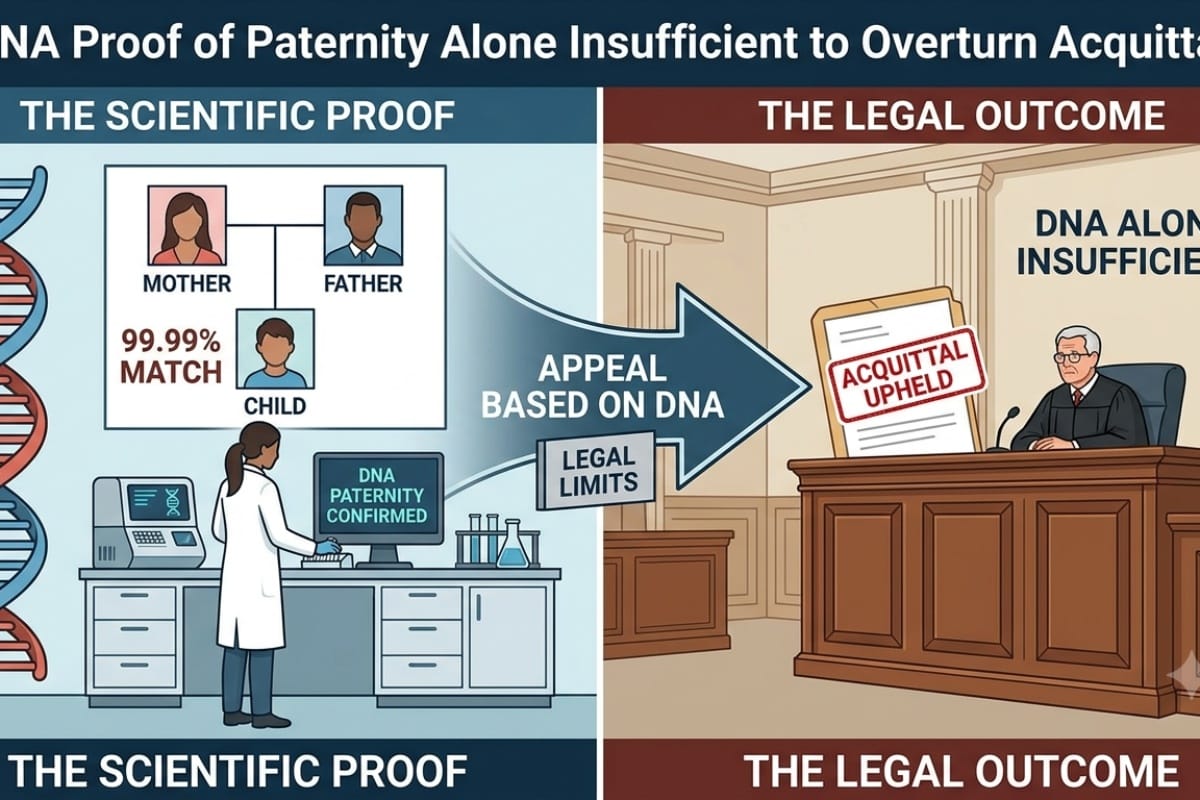
Headnote The Delhi High Court dismissed a prosecutrix's appeal against acquittal of the accused on charges under Sections 328/376 2 n /377/506/509 IPC, despite DNA evidence…
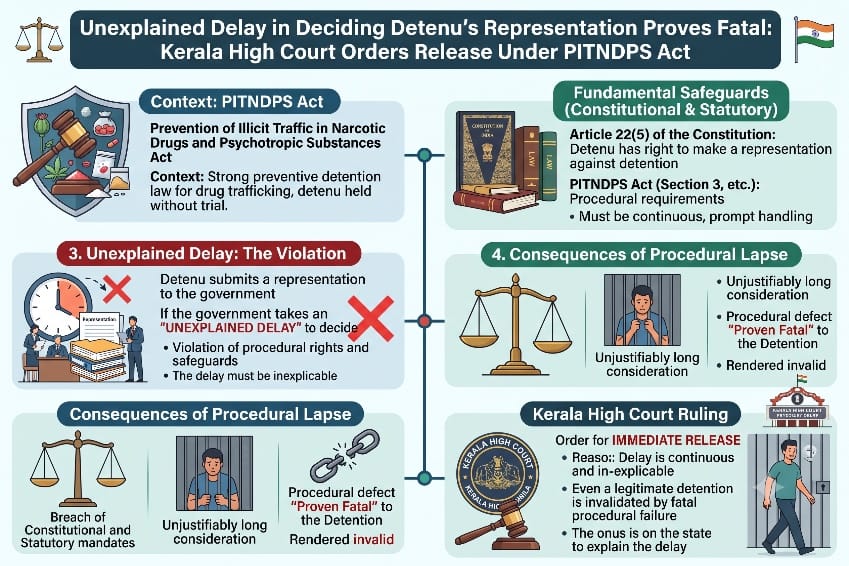
Fathimath Thasneem V.K. v. Union of India and Others | High Court of Kerala at Ernakulam | 3rd September, 2026 A habeas corpus writ petition by the wife of a detenu challenging…
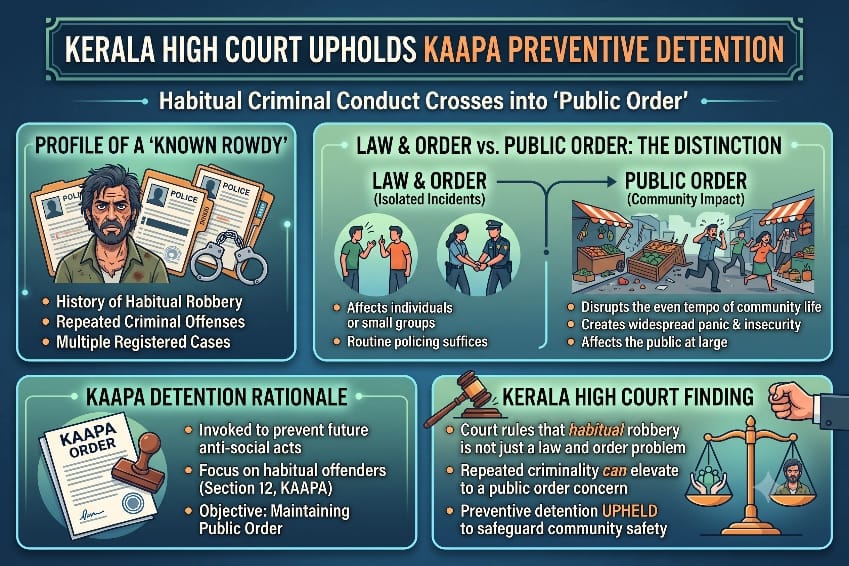
Thasmitha Abukutty v. State of Kerala and Others | High Court of Kerala at Ernakulam | 2nd September, 2026 A writ petition by the wife of a preventive detenu challenging a…
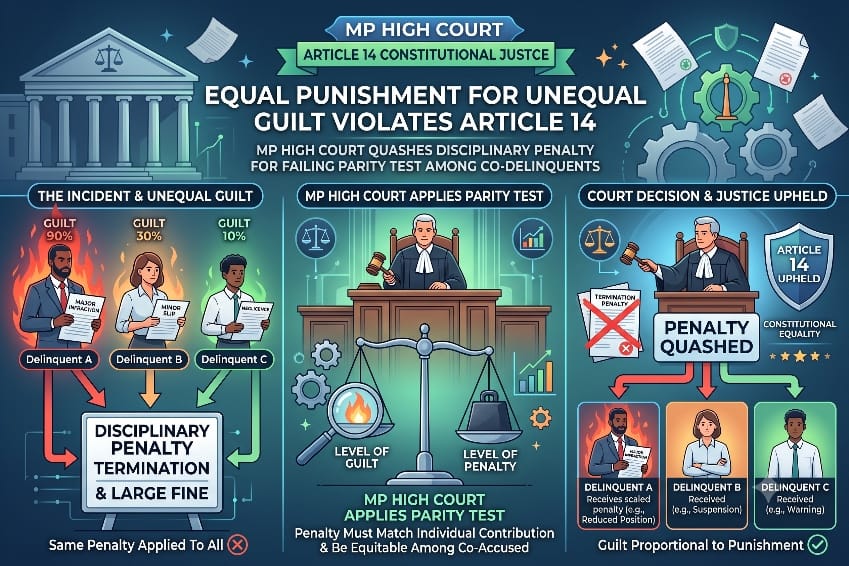
Brahm Kishore Dixit v. The State of Madhya Pradesh and Others | High Court of Madhya Pradesh, Gwalior | 1st September, 2026 A writ petition under Article 226 by a police Assistant…
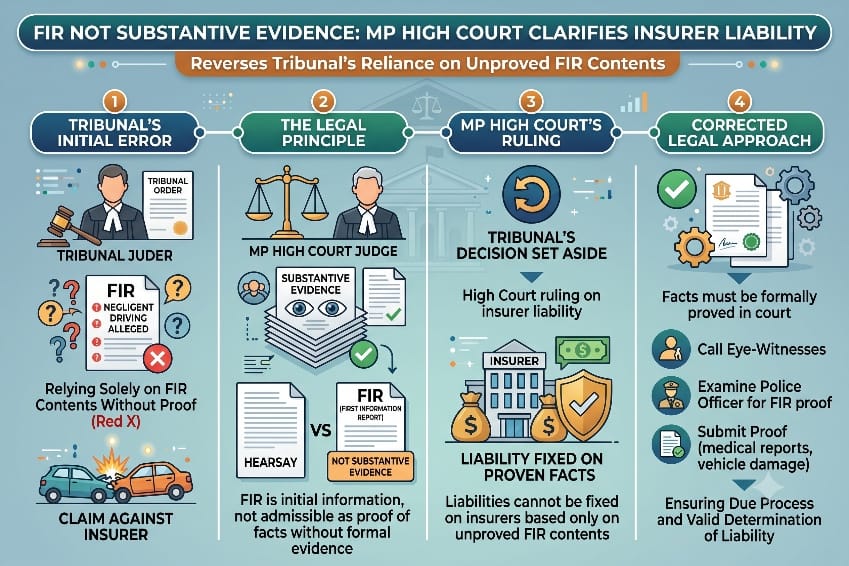
Anil Kumar Patel v. Smt. Munni Bai Barman and Others | High Court of Madhya Pradesh, Jabalpur | 1st September, 2026 A Motor Vehicle Act appeal under Section 173 1 against a Claims…
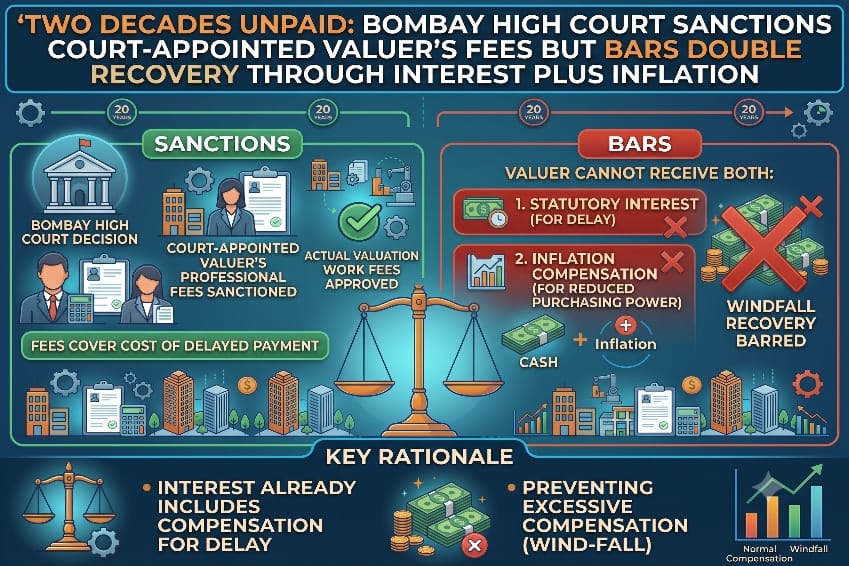
M/s. Kuber Mutual Benefits Ltd. & Ors. v. The State of Maharashtra & Ors. | High Court of Judicature at Bombay Appellate Side | 3rd September, 2026 A Court Receiver's Report…
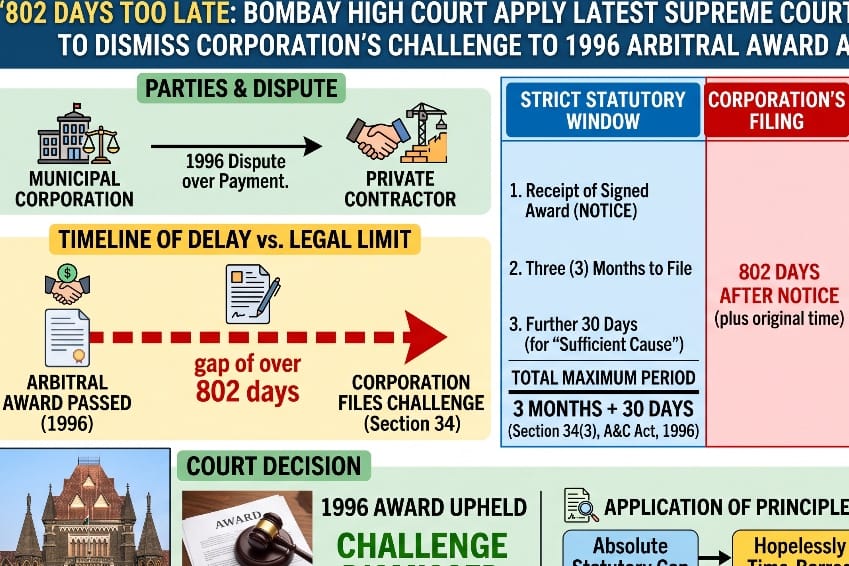
The Municipal Corporation of Greater Bombay v. M/s. Atul Raj Builders Pvt. Ltd. | High Court of Judicature at Bombay Ordinary Original Civil Jurisdiction | 3rd September, 2026 A…
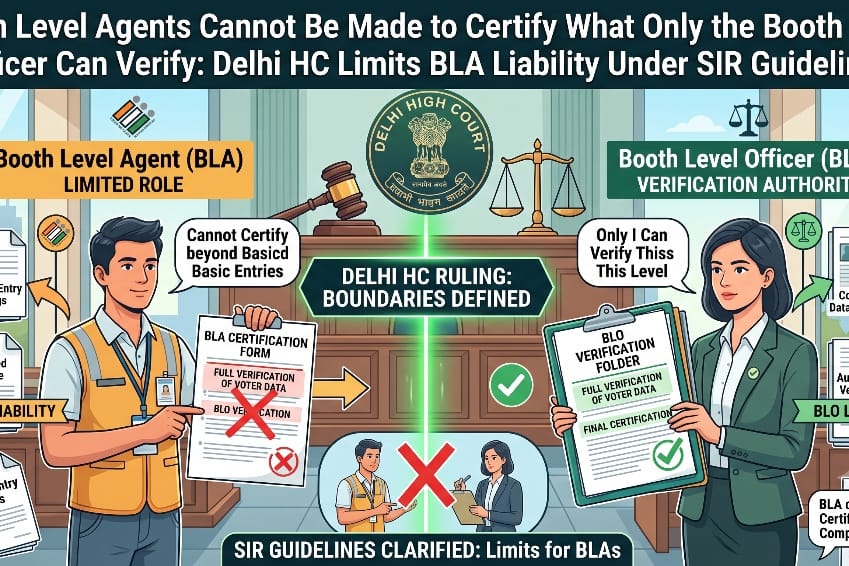
Devender Yadav & Anr. v. Election Commission of India & Anr. | High Court of Delhi Single Judge | Decided on: 03.09.2026 In a challenge to the Election Commission of India's…
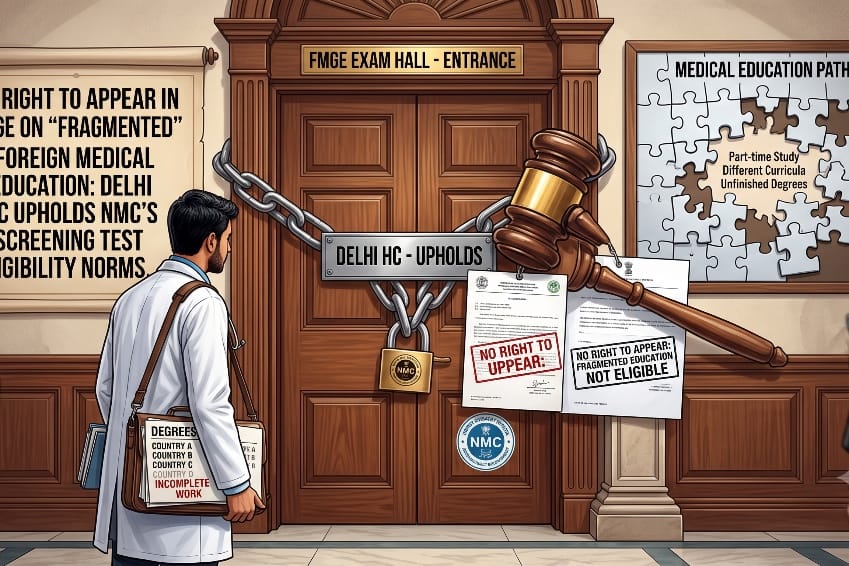
Brij Sharadbhai Bhatt & Ors. v. National Medical Commission & Ors. | High Court of Delhi Division Bench | Decided on: 03.09.2026 The Delhi High Court dismissed a challenge by…