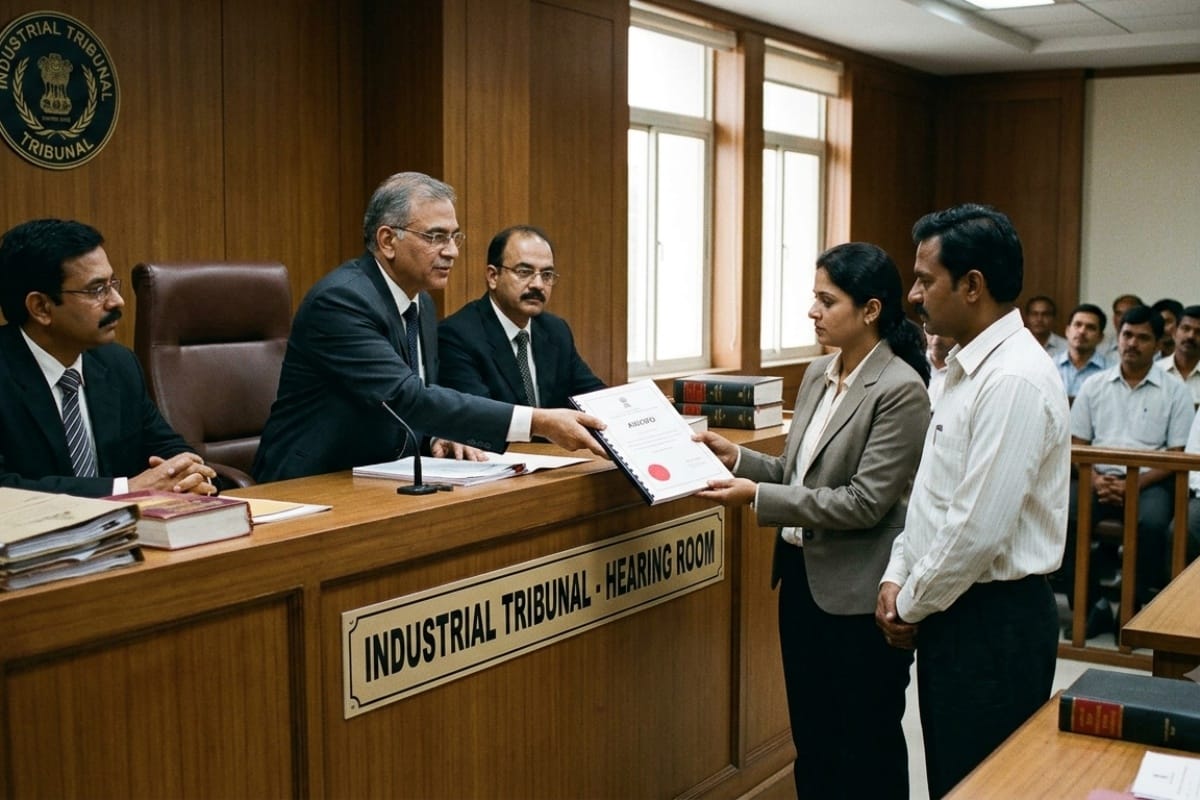
Deciding two connected writ petitions arising from a common Industrial Tribunal Award, the Delhi High Court set aside the Tribunal's direction granting hotel workmen a further…
Labour Laws
06/09/20264 min read
Update / Judgement Date
06 Nov 2025
Source
WCP News Bulletin
Author
Sakshi Bhardwaj — WCP Legal Desk
Reading Time
3 min read
The Supreme Court held that a candidate’s failure to disclose a criminal conviction in the election nomination affidavit constitutes a material suppression of fact, vitiating the election under the Madhya Pradesh Municipalities Act, 1961. The Court affirmed that truthful disclosure of all criminal antecedents is mandatory under Rule 24-A of the Madhya Pradesh Nagar Palika Nirvachan Niyam, 1994, and that subsequent acquittal or appeal does not cure the defect.
• The petitioner, Poonam, was elected as Councillor from Ward No. 5, Nagar Parishad Bhikangaon, Khargone District, Madhya Pradesh.
• Prior to filing her nomination, she had been convicted under Section 138 of the Negotiable Instruments Act, 1881 and sentenced to one year of rigorous imprisonment.
• In her affidavit filed along with the nomination papers, Poonam failed to disclose this conviction as mandated under Rule 24-A of the Madhya Pradesh Nagar Palika Nirvachan Niyam, 1994.
• An election petition was filed under Section 20 of the Madhya Pradesh Municipalities Act, 1961, seeking to declare her election void for non-disclosure of conviction.
• The Election Tribunal and the High Court both declared her election void. She approached the Supreme Court through a Special Leave Petition.
• The Court reaffirmed that candidates are legally bound to disclose all pending criminal cases and convictions, as such disclosure enables voters to make an informed choice, a right protected under Article 19(1)(a) of the Constitution.
• The conviction under Section 138 NI Act was valid and subsisting on the date of filing the affidavit (09.09.2022). Non-disclosure of this conviction amounted to giving false and incorrect information.
• Citing Union of India v. Association for Democratic Reforms (2002 INSC 253) and Resurgence India v. Election Commission of India (2013 INSC 617), the Court emphasized that transparency in candidate disclosure is essential for maintaining electoral integrity.
• The Court rejected the petitioner’s argument that the conviction’s later suspension or acquittal cured the omission, holding that eligibility and disqualification are determined with reference to the date of nomination.
• It also distinguished Ravi Namboothiri v. K.A. Baiju (2022 INSC 1187) and Karikho Kri v. Nuney Tayang (2024 INSC 289), noting they did not involve suppression of conviction at the time of filing nomination.
• Accordingly, the Court held that non-compliance with Rule 24-A and Section 22(1)(d)(iii) of the 1961 Act rendered the election void.
• Section 22(1)(d)(iii), Madhya Pradesh Municipalities Act, 1961 – Grounds for declaring an election void for non-compliance with statutory rules.
• Rule 24-A, Madhya Pradesh Nagar Palika Nirvachan Niyam, 1994 – Mandatory disclosure of criminal cases and convictions by candidates.
• Section 138, Negotiable Instruments Act, 1881 – Dishonour of cheque.
• Article 19(1)(a), Constitution of India – Right to information of voters about candidates’ criminal antecedents.
Citation: 2025 INSC 1284
Case: Poonam v. Dule Singh & Ors.
Court: Supreme Court of India
Date of Decision: 6 November 2025
Special Leave Petition (Civil) No.: 12000 of 2025
Deciding two connected writ petitions arising from a common Industrial Tribunal Award, the Delhi High Court set aside the Tribunal's direction granting hotel workmen a further…
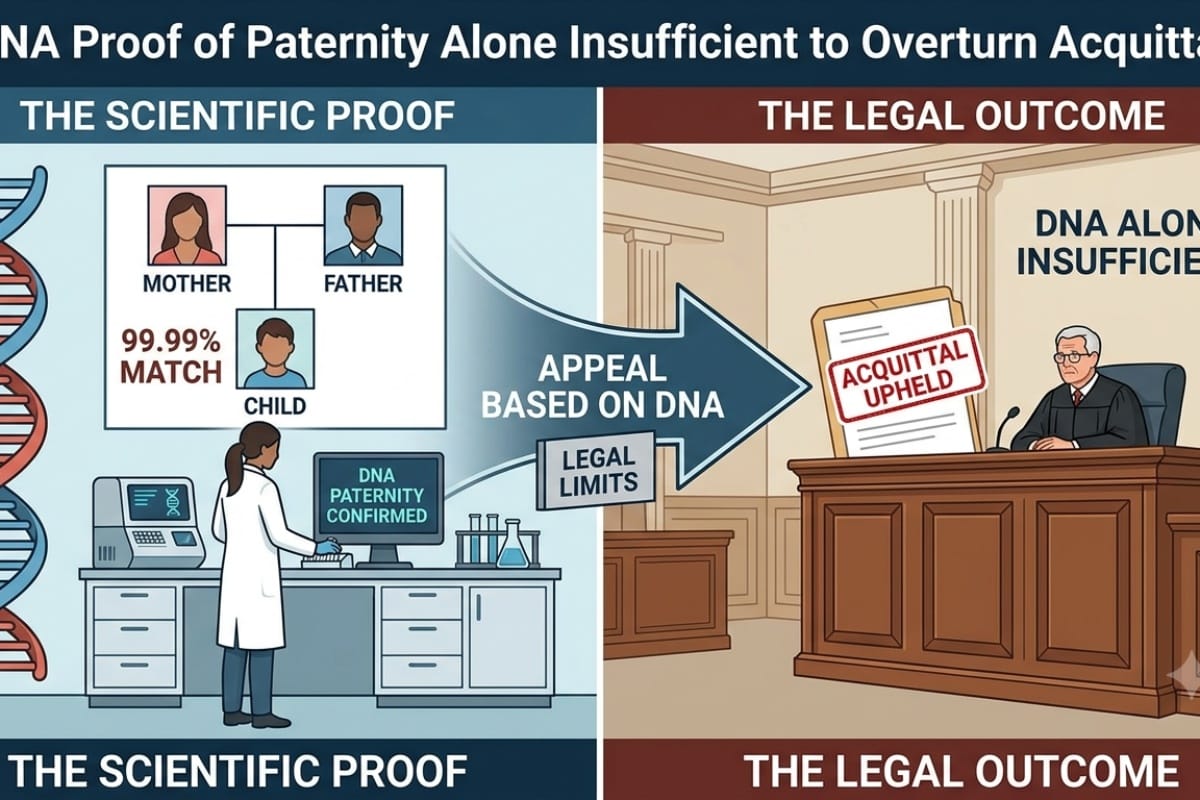
Headnote The Delhi High Court dismissed a prosecutrix's appeal against acquittal of the accused on charges under Sections 328/376 2 n /377/506/509 IPC, despite DNA evidence…
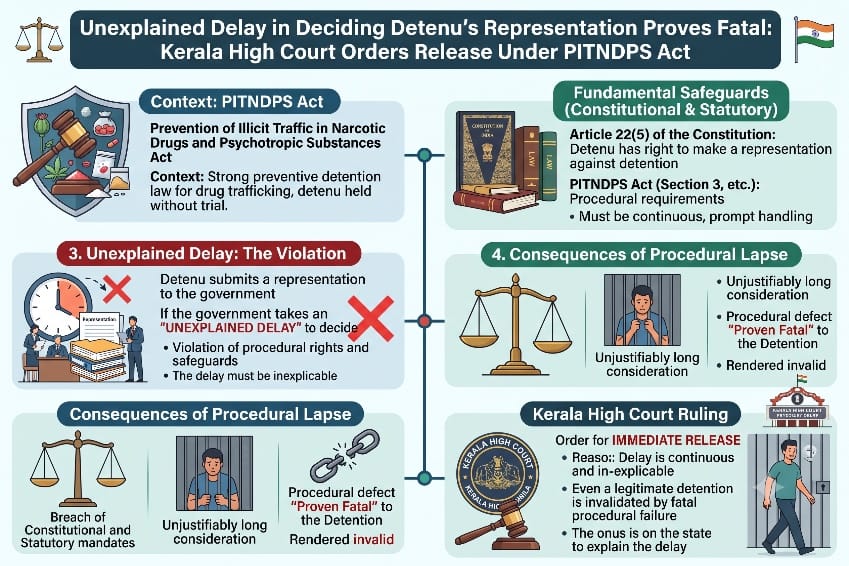
Fathimath Thasneem V.K. v. Union of India and Others | High Court of Kerala at Ernakulam | 3rd September, 2026 A habeas corpus writ petition by the wife of a detenu challenging…
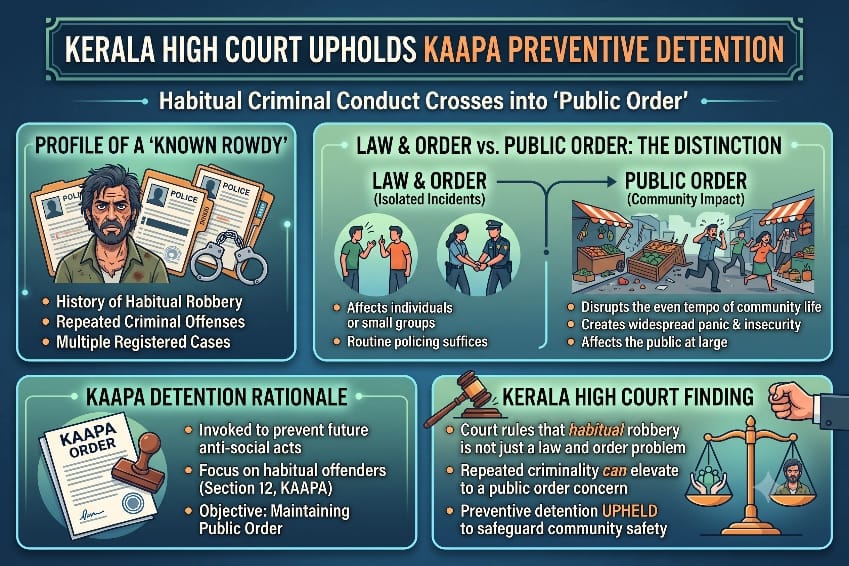
Thasmitha Abukutty v. State of Kerala and Others | High Court of Kerala at Ernakulam | 2nd September, 2026 A writ petition by the wife of a preventive detenu challenging a…
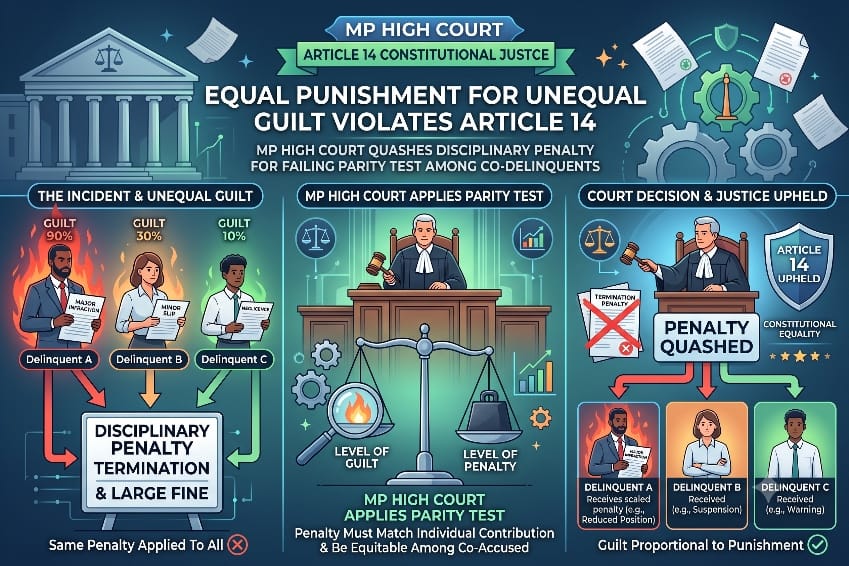
Brahm Kishore Dixit v. The State of Madhya Pradesh and Others | High Court of Madhya Pradesh, Gwalior | 1st September, 2026 A writ petition under Article 226 by a police Assistant…
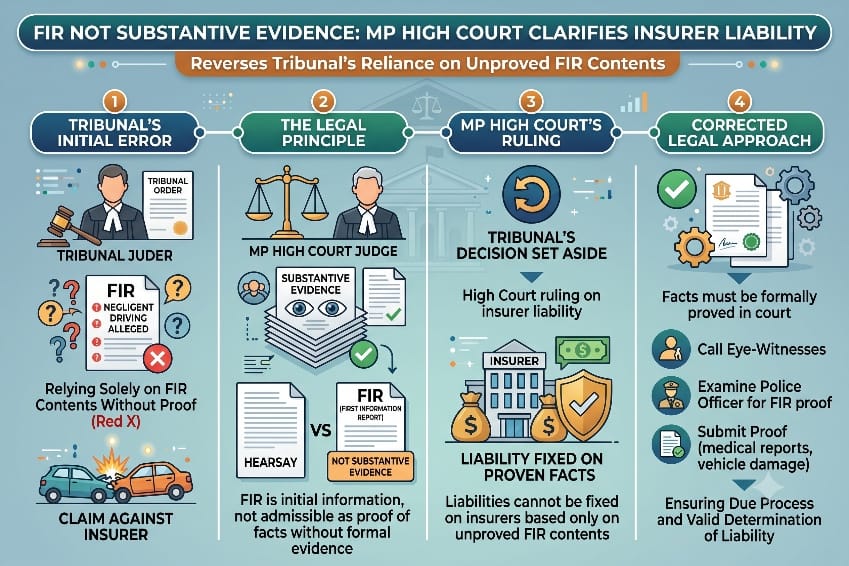
Anil Kumar Patel v. Smt. Munni Bai Barman and Others | High Court of Madhya Pradesh, Jabalpur | 1st September, 2026 A Motor Vehicle Act appeal under Section 173 1 against a Claims…
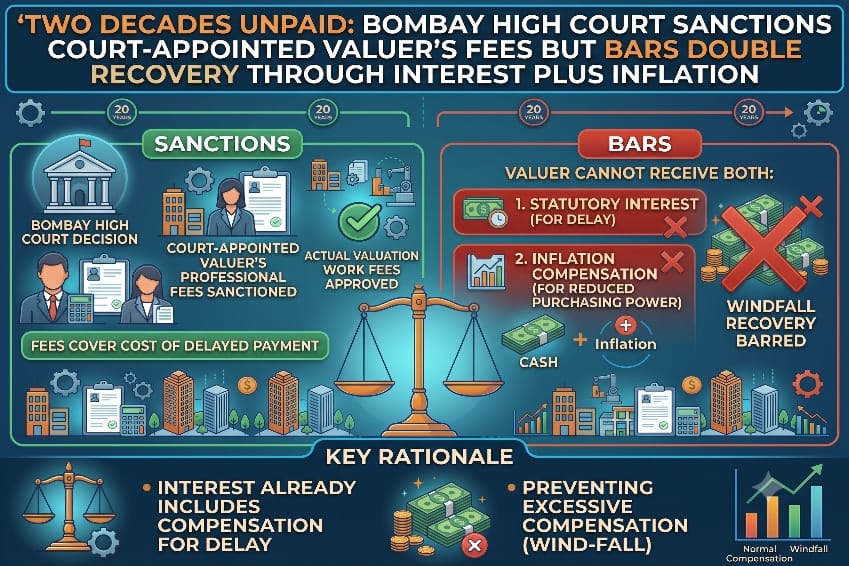
M/s. Kuber Mutual Benefits Ltd. & Ors. v. The State of Maharashtra & Ors. | High Court of Judicature at Bombay Appellate Side | 3rd September, 2026 A Court Receiver's Report…
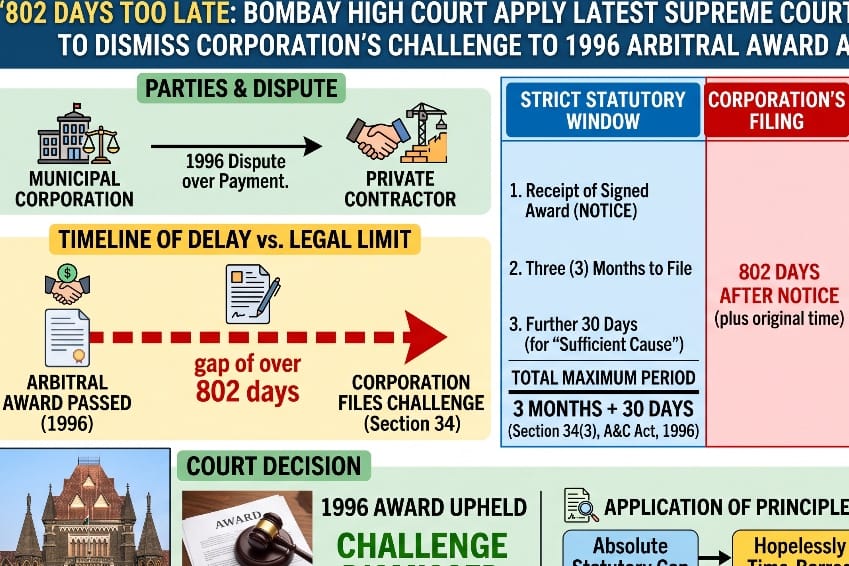
The Municipal Corporation of Greater Bombay v. M/s. Atul Raj Builders Pvt. Ltd. | High Court of Judicature at Bombay Ordinary Original Civil Jurisdiction | 3rd September, 2026 A…
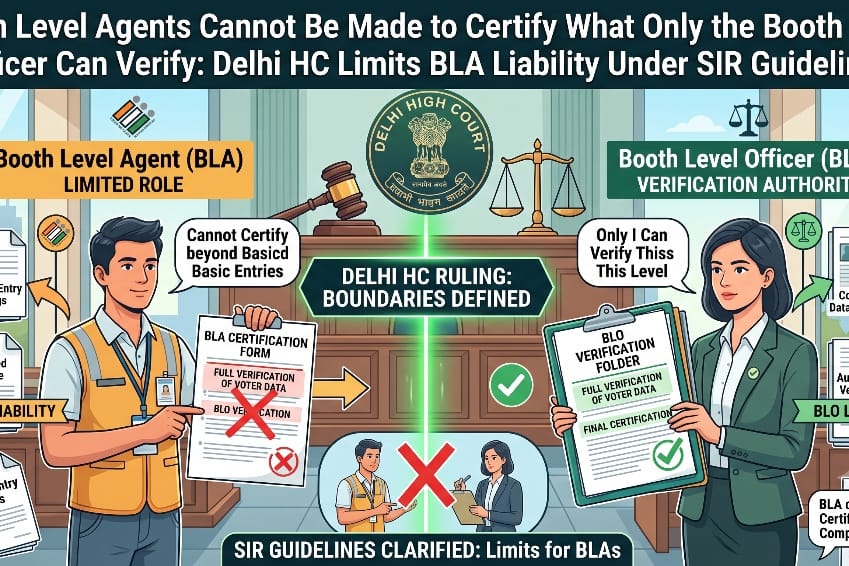
Devender Yadav & Anr. v. Election Commission of India & Anr. | High Court of Delhi Single Judge | Decided on: 03.09.2026 In a challenge to the Election Commission of India's…
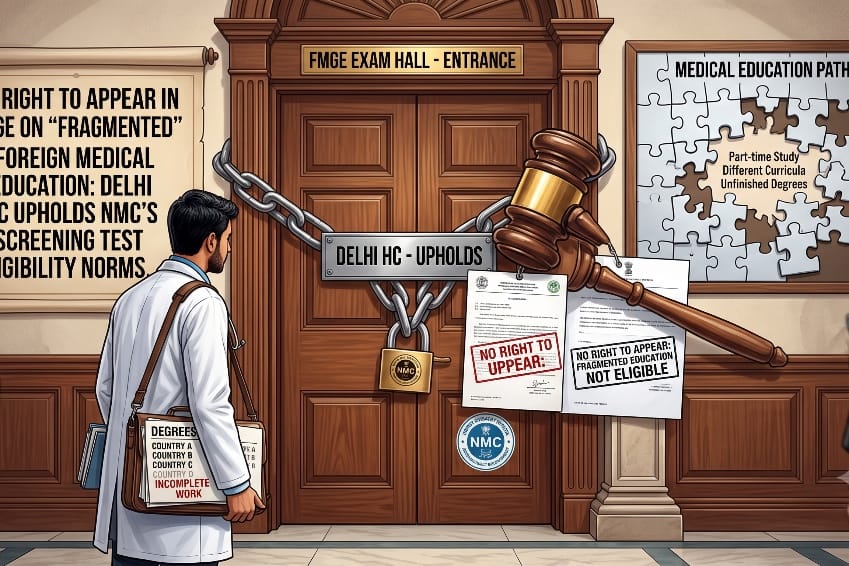
Brij Sharadbhai Bhatt & Ors. v. National Medical Commission & Ors. | High Court of Delhi Division Bench | Decided on: 03.09.2026 The Delhi High Court dismissed a challenge by…