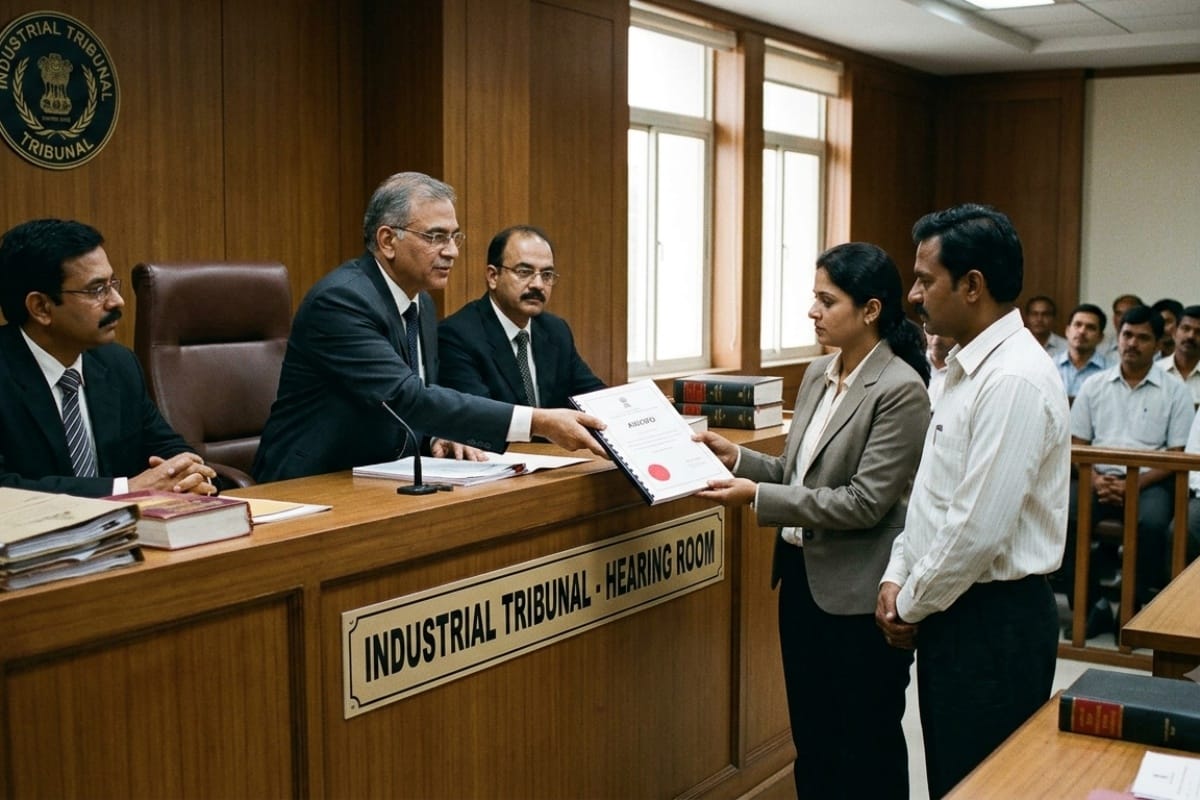
Deciding two connected writ petitions arising from a common Industrial Tribunal Award, the Delhi High Court set aside the Tribunal's direction granting hotel workmen a further…
Labour Laws
06/09/20264 min read
Update / Judgement Date
05 Nov 2025
Source
WCP News Bulletin
Author
Sakshi Bhardwaj — WCP Legal Desk
Reading Time
3 min read
The Supreme Court held that an appellate decree passed in favour of parties who had died prior to hearing and judgment is a nullity in law. Such a decree cannot operate to merge or supersede the trial court’s decree. Consequently, the trial court’s decree revives and remains executable.
The appellant’s predecessor, an ex-serviceman, was allotted agricultural land in Village Takarkheda, District Wardha.
Upon his death, the land was re-allotted to defendants 3 to 5.
Legal heirs filed Regular Civil Suit (RCS) No. 181 of 2001 challenging the re-allotment.
The trial court on 14.08.2006 decreed the suit in favour of the plaintiffs, declaring the re-allotment illegal and directing restoration of possession.
Defendants 4 and 5 alone filed an appeal under Section 96 CPC.
During pendency of appeal:
Defendant 4 died on 27.10.2006.
Defendant 5 died on 20.09.2010.
Their deaths were not brought to the notice of the court.
The first appeal was heard on 28.09.2010 and decided on 20.10.2010, partly modifying the trial court’s decree.
Plaintiffs’ second appeal was later withdrawn, and they filed execution proceedings on the basis of the trial court’s decree.
The executing court and the High Court rejected the execution, holding that the trial court’s decree had merged with the appellate decree.
Issue:
Whether a decree passed by the appellate court in favour of deceased appellants is valid and prevents execution of the trial court’s decree.
Held:
The Supreme Court ruled in favour of the appellant, holding that:
Appeal Abated on Death of Appellants:
Since both appellants (defendants 4 and 5) died before hearing of the appeal, the proceedings abated automatically.
The benefit of Order XXII Rule 6 CPC could not apply, as the rule saves decrees only where death occurs after hearing is concluded but before judgment is delivered.
Appellate Decree a Nullity:
The decree dated 20.10.2010, passed in favour of dead persons, was a nullity and had no legal force.
Trial Court Decree Revives:
As the appellate decree was void, the trial court’s decree revived and became executable.
Error by Executing Court:
The executing court erred in holding that the trial court’s decree merged with the appellate decree. A void decree cannot result in merger.
Key Legal References:
Order XXII Rules 2 & 6, Code of Civil Procedure, 1908 – Effect of death of a party.
Article 120, Limitation Act, 1963 – Time limit for substitution of legal representatives.
Notable Precedents:
Rajendra Prasad v. Khirodhar Mahto, C.A. No. 2275/1994.
Amba Bai v. Gopal, (2001 INSC 263).
Bibi Rahmani Khatoon v. Harkoo Gope, (1981 INSC 100).
Kiran Singh v. Chaman Paswan, (1954 INSC 45) – A decree which is a nullity can be challenged even in execution proceedings.
Appeal Allowed – Appellate Decree Declared Void; Trial Court Decree Revived and Executable.
Citation: 2025 INSC 1283
Case: Vikram Bhalchandra Ghongade v. State of Maharashtra & Ors.
Court: Supreme Court of India – Civil Appellate Jurisdiction
Coram: Justice Pamidighantam Sri Narasimha & Justice Atul S. Chandurkar
Date of Judgment: 6 November 2025
Appeal No.: Civil Appeal arising out of SLP (Civil) No. 9947 of 2024
Deciding two connected writ petitions arising from a common Industrial Tribunal Award, the Delhi High Court set aside the Tribunal's direction granting hotel workmen a further…

Headnote The Delhi High Court dismissed a prosecutrix's appeal against acquittal of the accused on charges under Sections 328/376 2 n /377/506/509 IPC, despite DNA evidence…
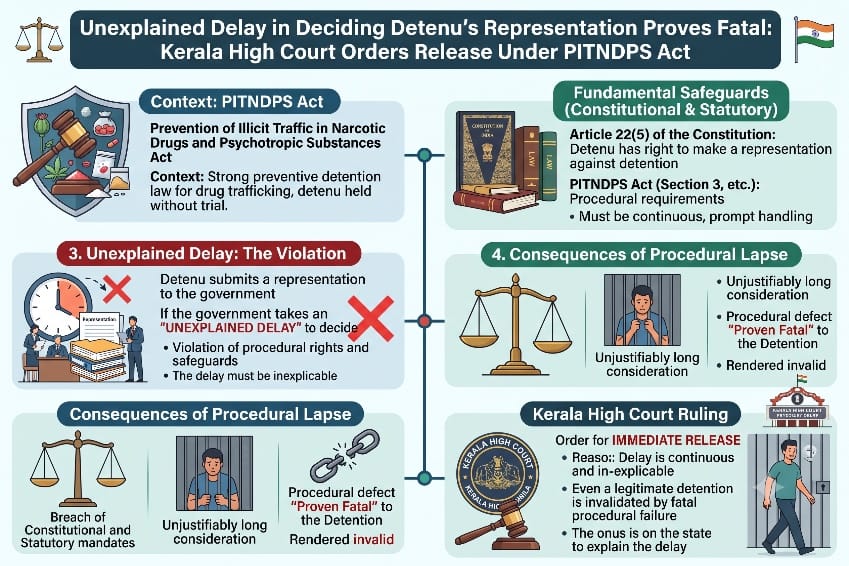
Fathimath Thasneem V.K. v. Union of India and Others | High Court of Kerala at Ernakulam | 3rd September, 2026 A habeas corpus writ petition by the wife of a detenu challenging…
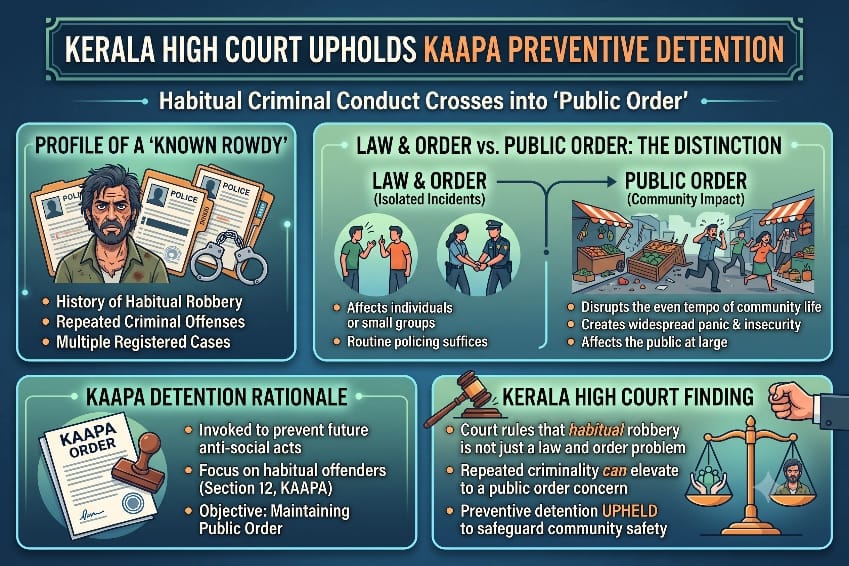
Thasmitha Abukutty v. State of Kerala and Others | High Court of Kerala at Ernakulam | 2nd September, 2026 A writ petition by the wife of a preventive detenu challenging a…
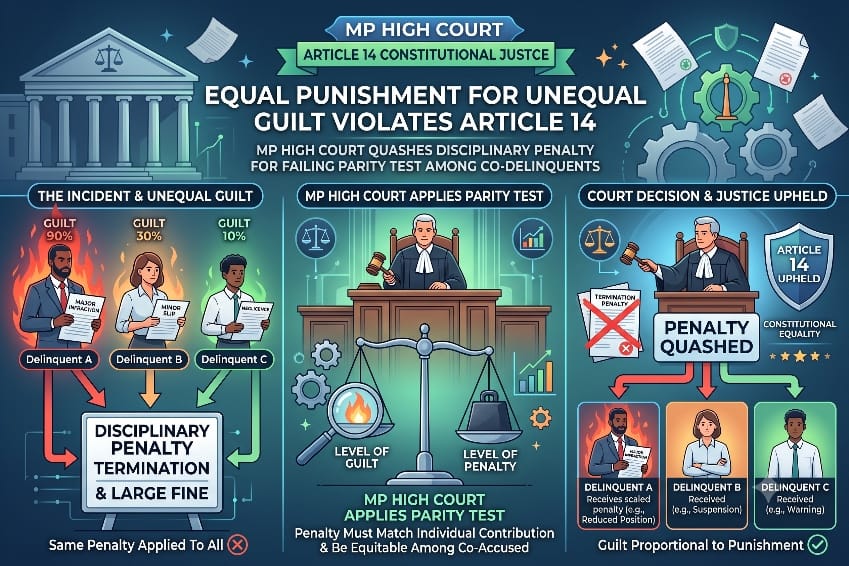
Brahm Kishore Dixit v. The State of Madhya Pradesh and Others | High Court of Madhya Pradesh, Gwalior | 1st September, 2026 A writ petition under Article 226 by a police Assistant…
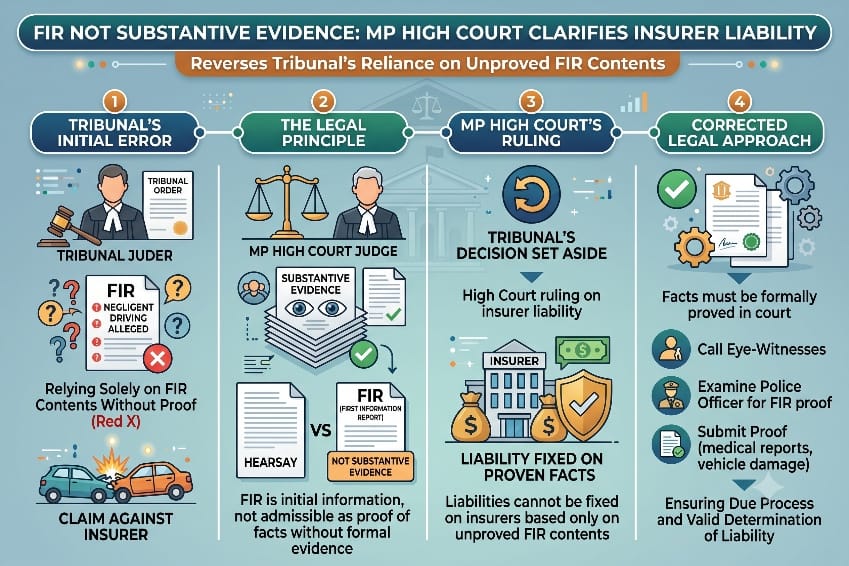
Anil Kumar Patel v. Smt. Munni Bai Barman and Others | High Court of Madhya Pradesh, Jabalpur | 1st September, 2026 A Motor Vehicle Act appeal under Section 173 1 against a Claims…
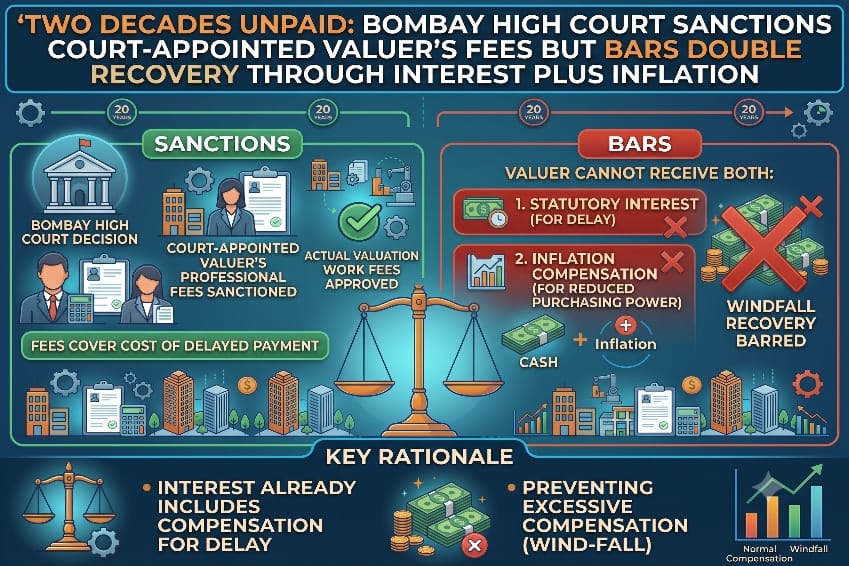
M/s. Kuber Mutual Benefits Ltd. & Ors. v. The State of Maharashtra & Ors. | High Court of Judicature at Bombay Appellate Side | 3rd September, 2026 A Court Receiver's Report…
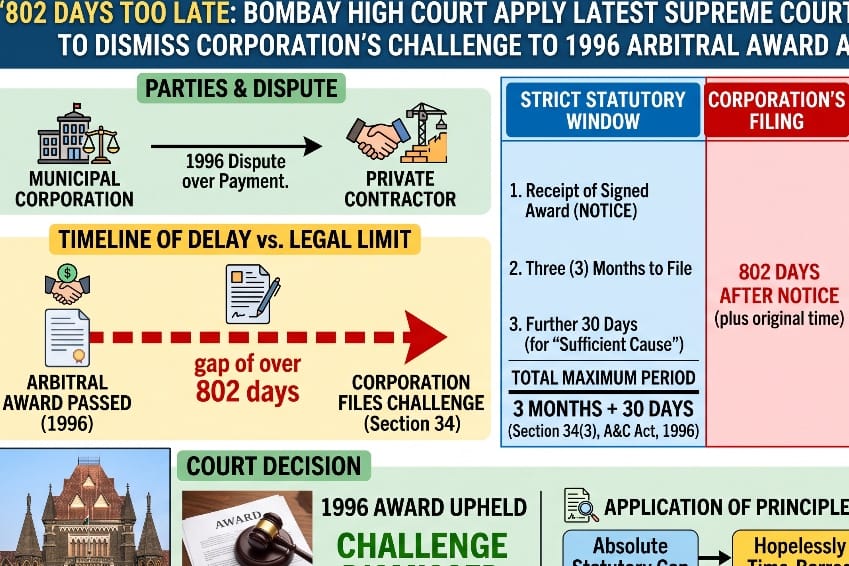
The Municipal Corporation of Greater Bombay v. M/s. Atul Raj Builders Pvt. Ltd. | High Court of Judicature at Bombay Ordinary Original Civil Jurisdiction | 3rd September, 2026 A…
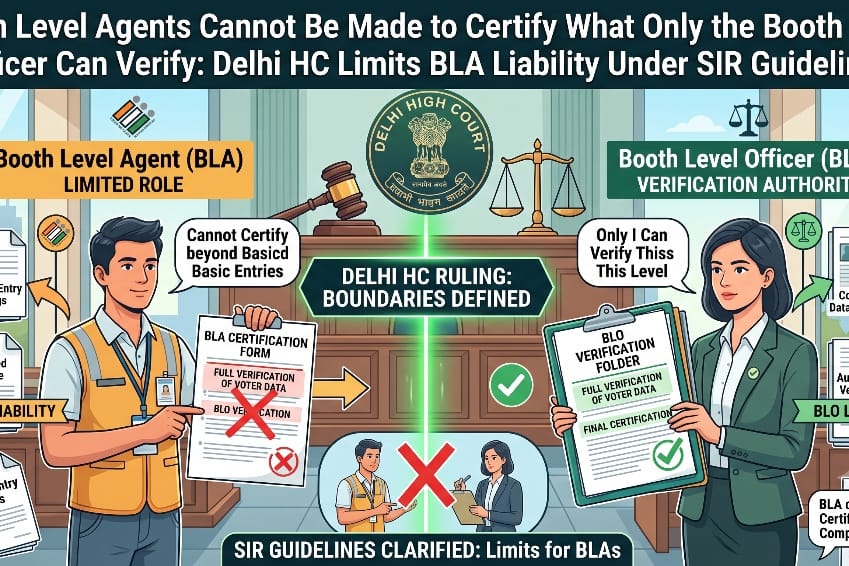
Devender Yadav & Anr. v. Election Commission of India & Anr. | High Court of Delhi Single Judge | Decided on: 03.09.2026 In a challenge to the Election Commission of India's…
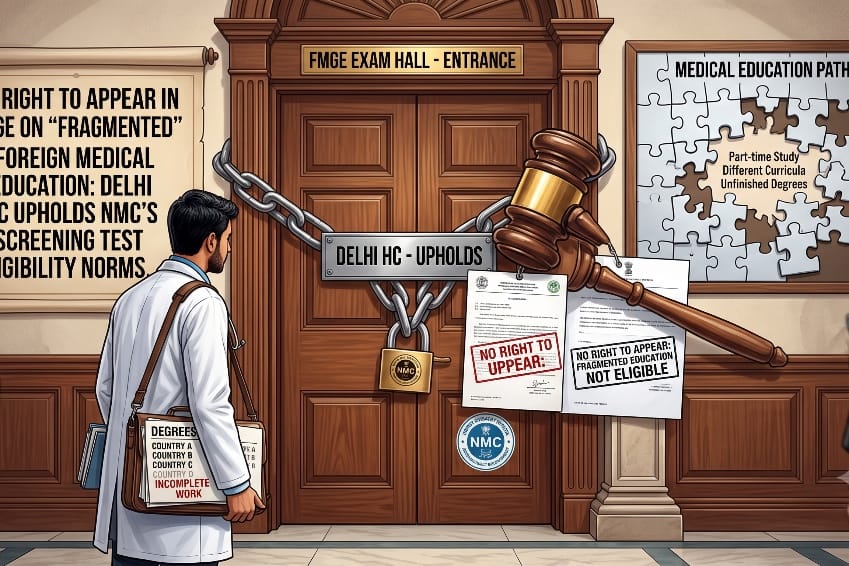
Brij Sharadbhai Bhatt & Ors. v. National Medical Commission & Ors. | High Court of Delhi Division Bench | Decided on: 03.09.2026 The Delhi High Court dismissed a challenge by…