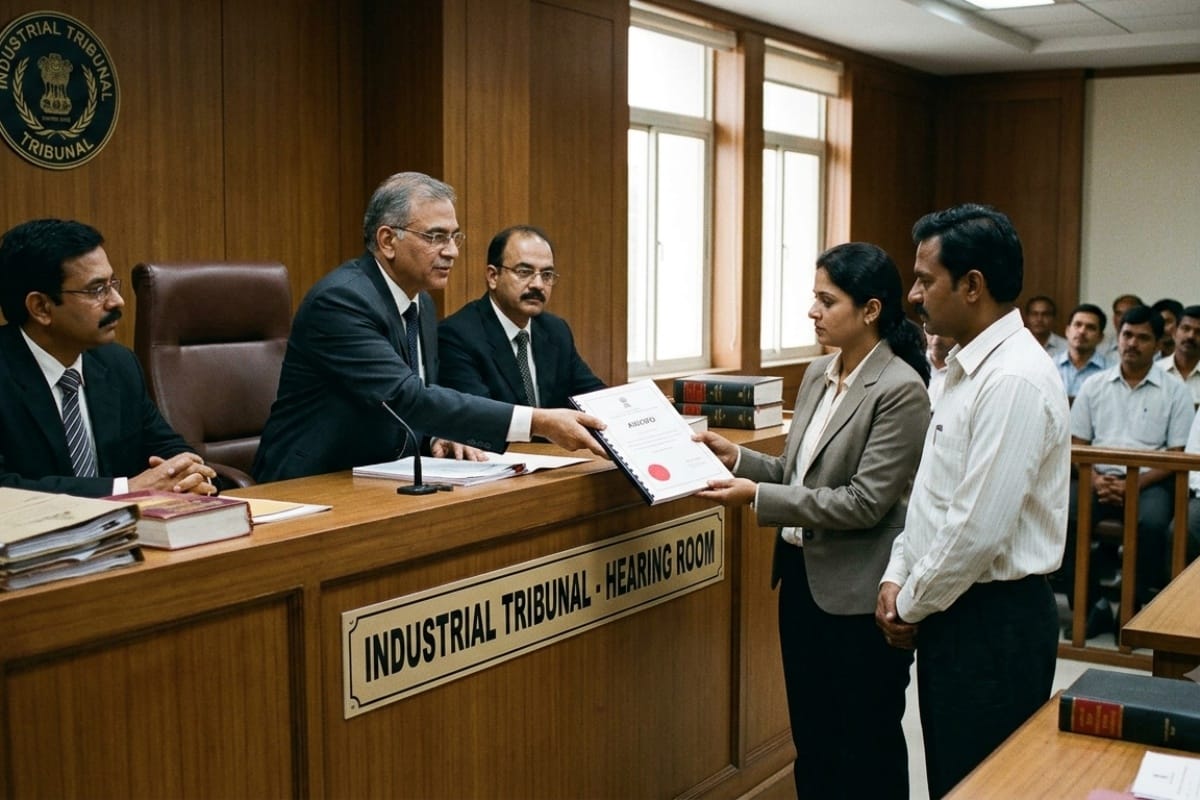
Deciding two connected writ petitions arising from a common Industrial Tribunal Award, the Delhi High Court set aside the Tribunal's direction granting hotel workmen a further…
Labour Laws
06/09/20264 min read
Update / Judgement Date
21 Dec 2025
Source
WCP News Bulletin
Author
Sakshi Bhardwaj — WCP Legal Desk
Reading Time
5 min read
The Supreme Court held that renewal or re-issue of an ordinary passport cannot be denied solely on the ground of pendency of criminal proceedings when the concerned criminal courts have consciously granted “no objection” or permission for renewal while retaining control over foreign travel. The Court clarified that Section 6(2)(f) of the Passports Act, 1967 is not an absolute bar and stands relaxed once the case falls within the exemption framework under Section 22 read with Notification GSR 570(E). Treating pending proceedings as a permanent disability to hold a valid passport was held to be disproportionate and violative of Article 21 of the Constitution.
• The appellant, an Indian citizen, was issued an ordinary passport in 2013, valid till 28.08.2023.
• He was arrayed as an accused in an NIA case relating to alleged extortion and funding of a proscribed organisation, and was also convicted in a CBI coal block case, though his sentence was suspended by the Delhi High Court.
• In the NIA case, the appellant was released on bail subject to conditions, including deposit of passport and restriction on foreign travel without court permission.
• As the passport was nearing expiry, the appellant sought “no objection” from the NIA Court, Ranchi, which permitted release of the passport for renewal, subject to redeposit and strict conditions on travel.
• Separately, the Delhi High Court granted no objection for renewal of the passport for a regular period of ten years, while continuing the restriction on travel abroad without court permission.
• Despite these orders, the Regional Passport Office, Kolkata declined to renew the passport for ten years, citing Section 6(2)(f) of the Passports Act and GSR 570(E).
• The Calcutta High Court dismissed the appellant’s writ petition and intra-court appeal, holding that renewal could not be granted without express permission from criminal courts to travel abroad.
• Aggrieved, the appellant approached the Supreme Court.
Issues• Whether Section 6(2)(f) of the Passports Act operates as an absolute bar to renewal of a passport during pendency of criminal proceedings.
• Whether the appellant fell within the exemption framework under Section 22 read with Notification GSR 570(E).
• Whether denial of passport renewal in the facts of the case violated Article 21 of the Constitution.
• Liberty, including the right to travel abroad and hold a passport, is an integral facet of Article 21 and any restriction must be fair, just, reasonable, and proportionate.
• Section 6(2)(f) is expressly subject to other provisions of the Passports Act, including Section 22, which empowers exemptions.
• GSR 570(E) recognises that persons facing criminal proceedings are not absolutely disentitled to a passport and may be granted one subject to judicial supervision.
• The notification does not mandate that criminal courts must authorise a specific foreign trip as a precondition for passport renewal.
• Criminal courts may legitimately permit renewal of a passport while retaining control over each instance of foreign travel, which adequately safeguards the object of Section 6(2)(f).
• In the present case, both the NIA Court and the Delhi High Court consciously permitted renewal while imposing stringent conditions, including redeposit of passport and prior permission for travel.
• The Calcutta High Court erred in treating Section 6(2)(f) as an inflexible embargo and in failing to give full effect to the exemption mechanism under GSR 570(E).
• A subsisting conviction on appeal cannot be treated as reinforcing the bar under Section 6(2)(f), which is directed at pre-conviction proceedings.
• Possession of a passport and actual foreign travel are distinct; the latter remains fully regulated by criminal courts.
• Indefinite denial of passport renewal, despite judicial permissions, amounts to a disproportionate restriction on personal liberty.
Decision• The appeal was allowed.
• The judgments of the Single Judge and Division Bench of the Calcutta High Court were set aside.
• The respondents were directed to re-issue an ordinary passport for a period of ten years within four weeks.
• The passport shall remain subject to all existing and future orders of the NIA Court, Ranchi, and the Delhi High Court, including restrictions on foreign travel and deposit of passport as directed.
• Sections 5, 6(2)(f), 7, 8, 9, 10 & 22, Passports Act, 1967 – Issue, refusal, duration, impounding, and exemption provisions.
• Rule 12, Passport Rules, 1980 – Validity of ordinary passports.
• Notification GSR 570(E) dated 25.08.1993 – Exemption for persons facing criminal proceedings.
• Office Memorandum dated 10.10.2019 (MEA) – Guidelines for passport issuance in criminal cases.
• Article 21, Constitution of India – Right to personal liberty.
• Maneka Gandhi v. Union of India (1978) 1 SCC 248.
• Vangala Kasturi Rangacharyulu v. CBI, 2021 SCC OnLine SC 3549.
Deciding two connected writ petitions arising from a common Industrial Tribunal Award, the Delhi High Court set aside the Tribunal's direction granting hotel workmen a further…
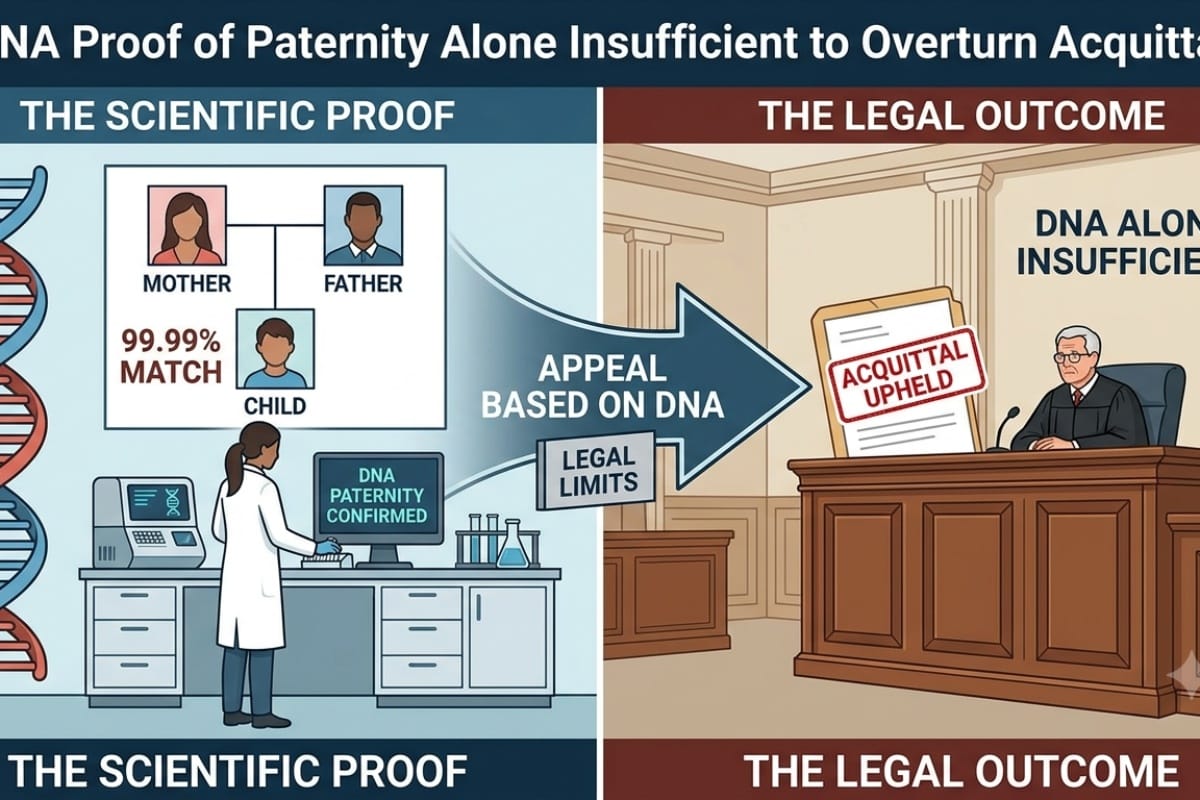
Headnote The Delhi High Court dismissed a prosecutrix's appeal against acquittal of the accused on charges under Sections 328/376 2 n /377/506/509 IPC, despite DNA evidence…
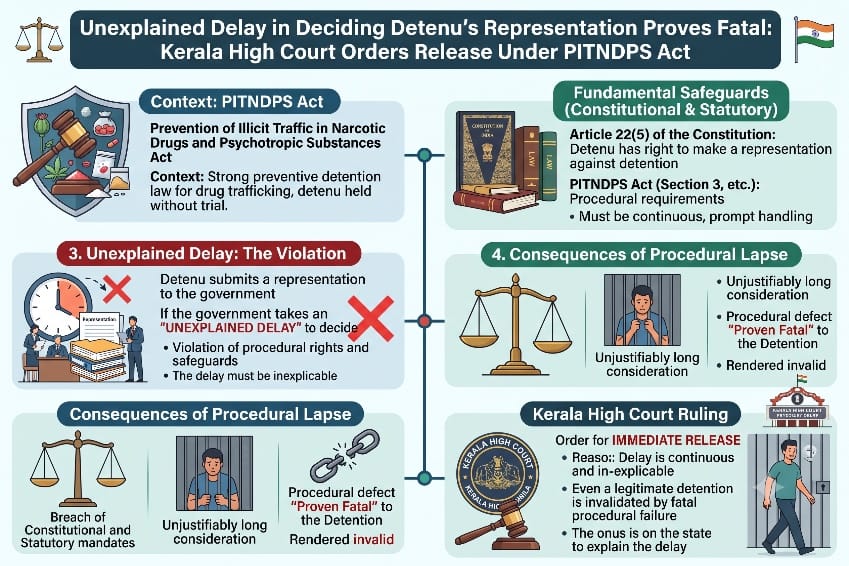
Fathimath Thasneem V.K. v. Union of India and Others | High Court of Kerala at Ernakulam | 3rd September, 2026 A habeas corpus writ petition by the wife of a detenu challenging…
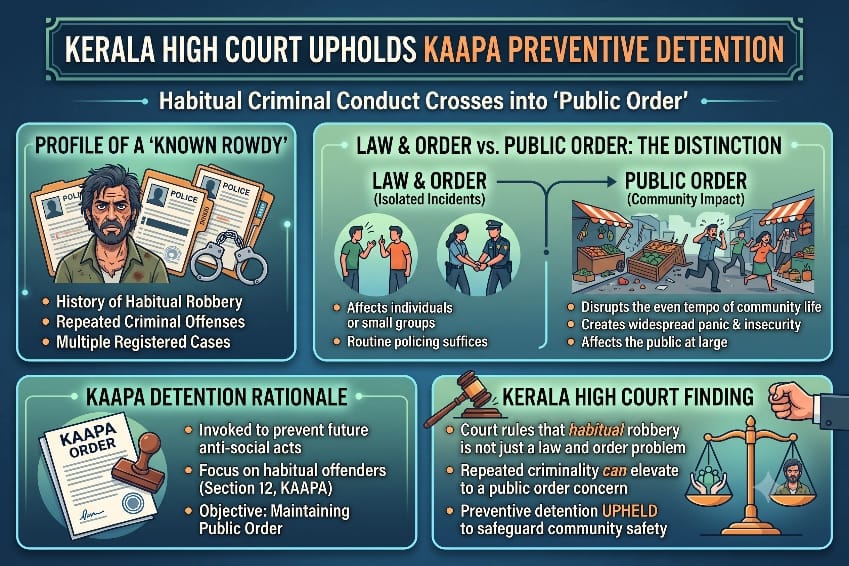
Thasmitha Abukutty v. State of Kerala and Others | High Court of Kerala at Ernakulam | 2nd September, 2026 A writ petition by the wife of a preventive detenu challenging a…
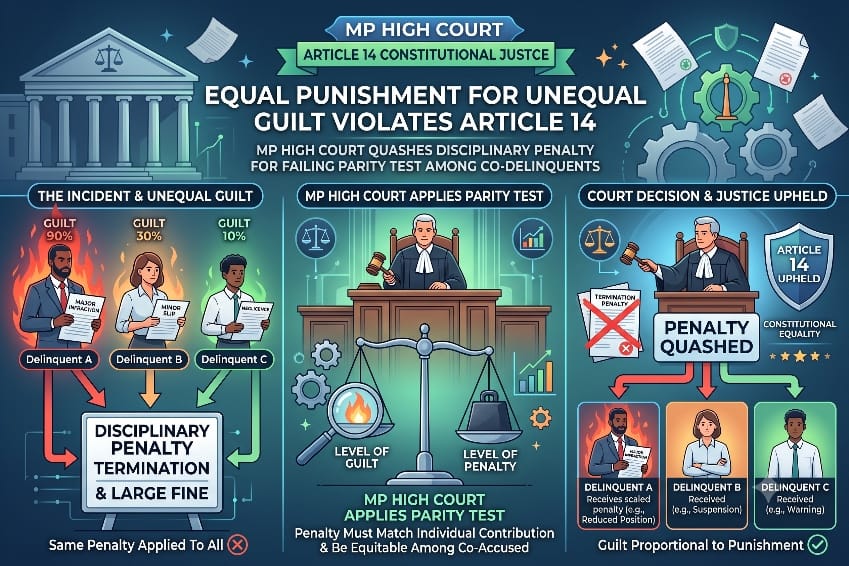
Brahm Kishore Dixit v. The State of Madhya Pradesh and Others | High Court of Madhya Pradesh, Gwalior | 1st September, 2026 A writ petition under Article 226 by a police Assistant…
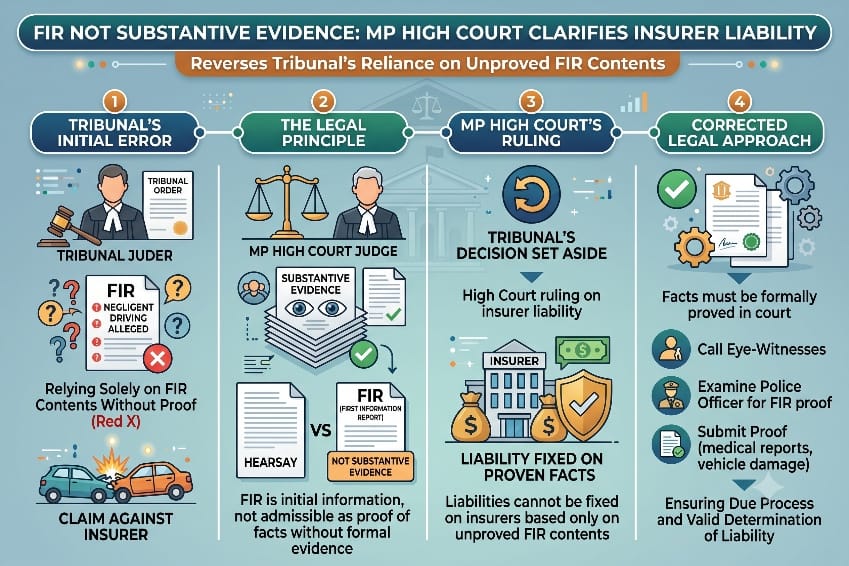
Anil Kumar Patel v. Smt. Munni Bai Barman and Others | High Court of Madhya Pradesh, Jabalpur | 1st September, 2026 A Motor Vehicle Act appeal under Section 173 1 against a Claims…
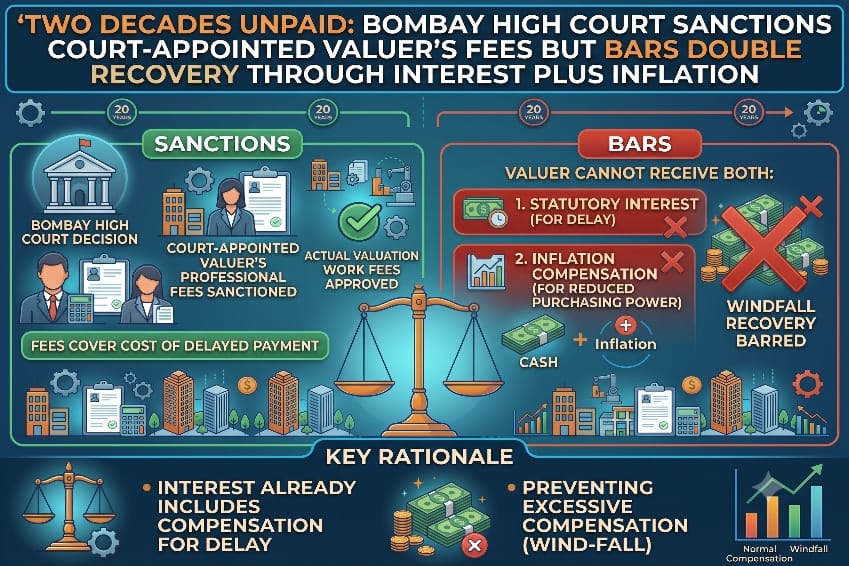
M/s. Kuber Mutual Benefits Ltd. & Ors. v. The State of Maharashtra & Ors. | High Court of Judicature at Bombay Appellate Side | 3rd September, 2026 A Court Receiver's Report…
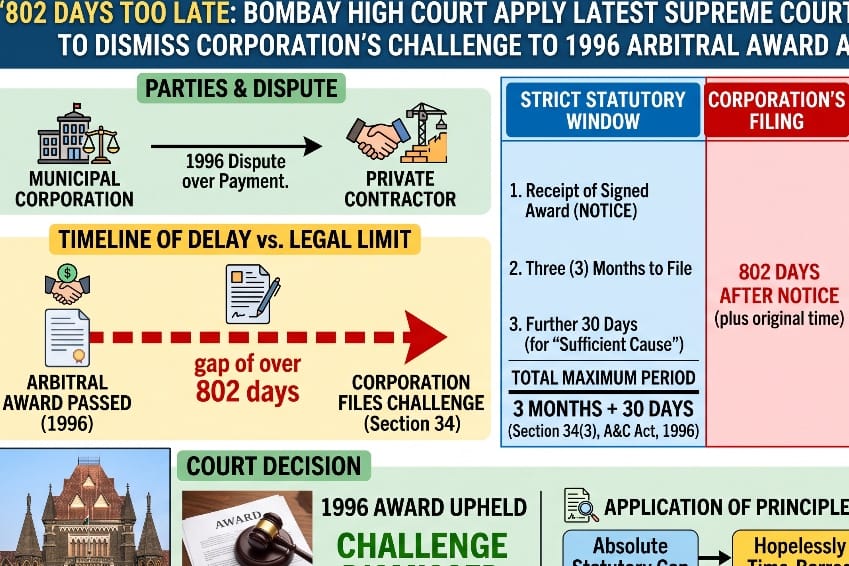
The Municipal Corporation of Greater Bombay v. M/s. Atul Raj Builders Pvt. Ltd. | High Court of Judicature at Bombay Ordinary Original Civil Jurisdiction | 3rd September, 2026 A…
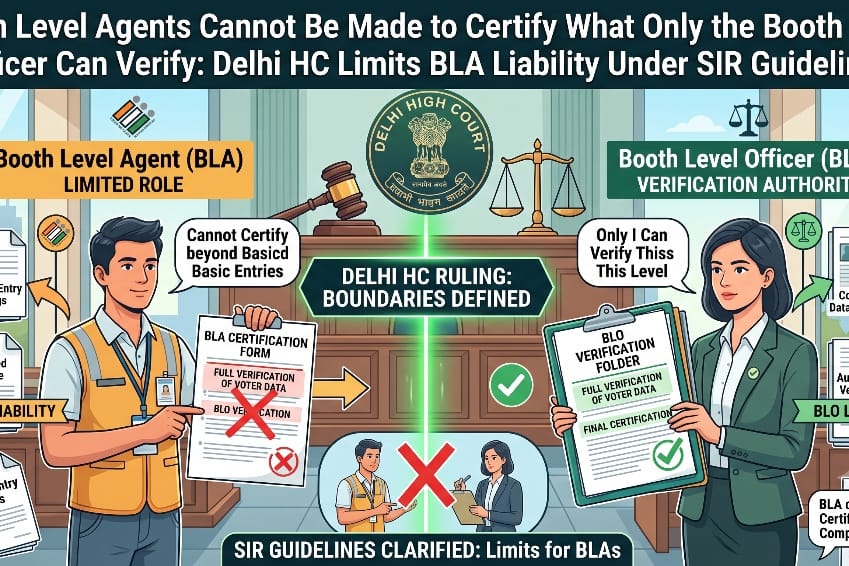
Devender Yadav & Anr. v. Election Commission of India & Anr. | High Court of Delhi Single Judge | Decided on: 03.09.2026 In a challenge to the Election Commission of India's…
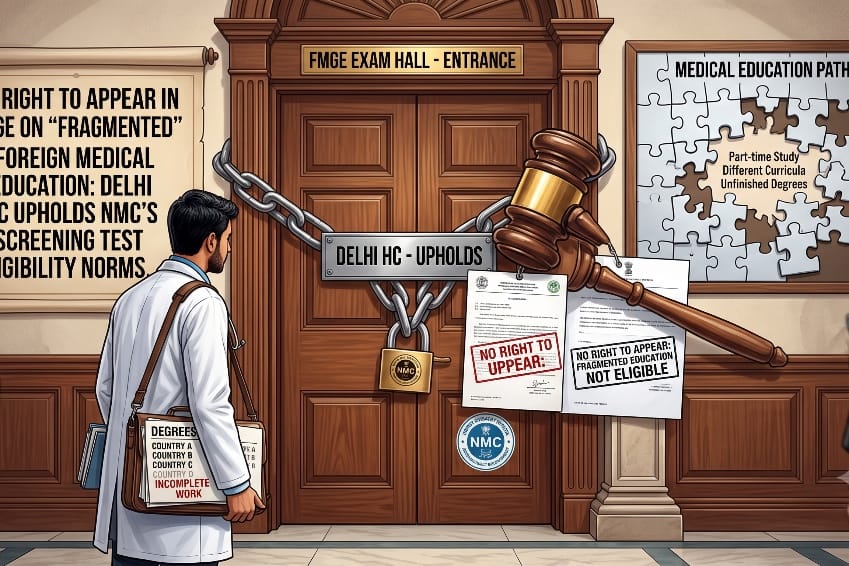
Brij Sharadbhai Bhatt & Ors. v. National Medical Commission & Ors. | High Court of Delhi Division Bench | Decided on: 03.09.2026 The Delhi High Court dismissed a challenge by…