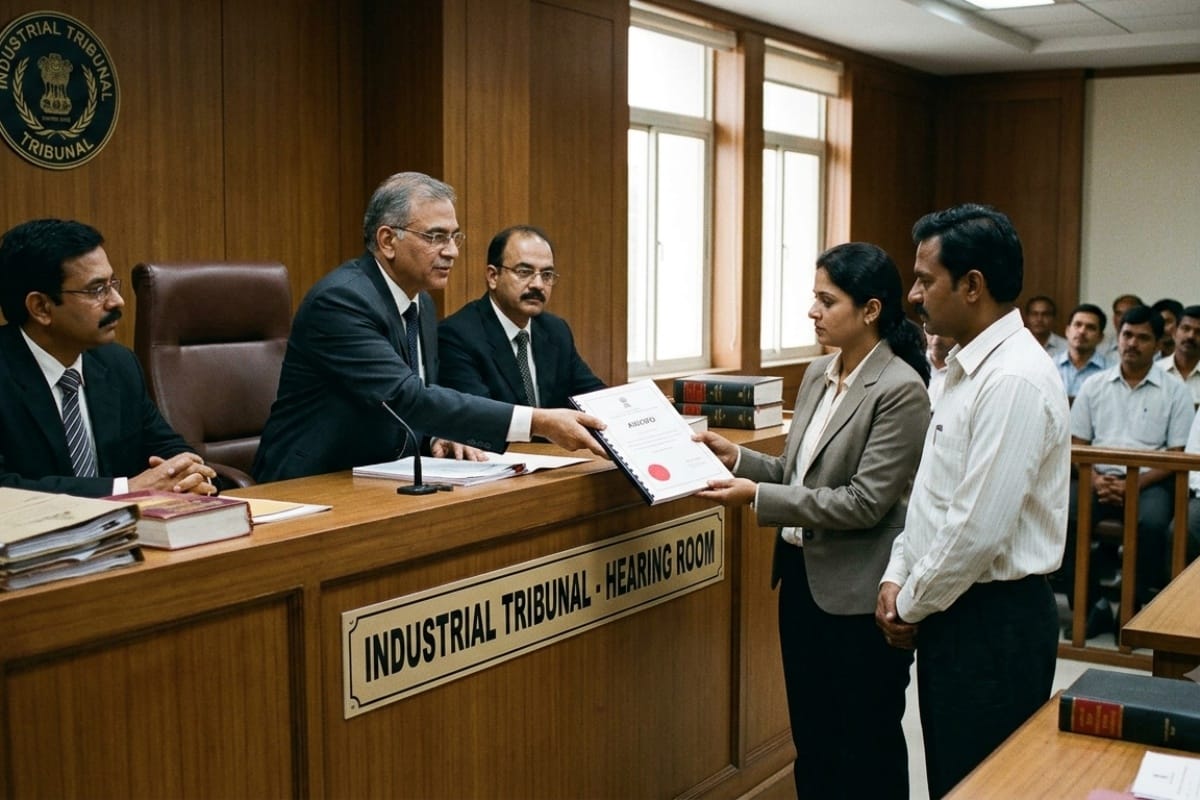
Deciding two connected writ petitions arising from a common Industrial Tribunal Award, the Delhi High Court set aside the Tribunal's direction granting hotel workmen a further…
Labour Laws
06/09/20264 min read
Update / Judgement Date
21 Dec 2025
Source
WCP News Bulletin
Author
Sakshi Bhardwaj — WCP Legal Desk
Reading Time
4 min read
The Supreme Court set aside orders of the Allahabad High Court which, while declining to quash FIRs, granted protection from arrest and directed time-bound completion of investigation. The Court held that such blanket protection from arrest is impermissible in law and contrary to settled precedent, particularly Neeharika Infrastructure Pvt. Ltd. v. State of Maharashtra. It reiterated that directions for time-bound investigation and “no arrest” orders cannot be passed mechanically without examining the factual context of each case.
• The case arose from an FIR dated 24.05.2025 registered at Police Station Nai Ki Mandi, Agra, under Sections 420, 467, 468, 471 IPC and Sections 3/25/30 of the Arms Act, 1959.
• The FIR followed an inquiry conducted by the STF pursuant to an anonymous complaint alleging procurement of arms licences using forged documents and false affidavits.
• The investigation revealed serious irregularities involving forged identity documents, manipulation of dates of birth, and abuse of official position in the processing and issuance of arms licences.
• The accused included private individuals as well as a retired Arms Clerk from the office of the Additional District Magistrate, Agra.
• The accused approached the Allahabad High Court under Article 226 seeking quashing of the FIR.
• The High Court declined to quash the FIR but directed completion of investigation within 90 days and granted protection from arrest till cognizance was taken, relying on Shobhit Nehra v. State of U.P.
Issues Before the Supreme Court• Whether the High Court was justified in directing a time-bound investigation in the absence of demonstrated delay or stagnation.
• Whether protection from arrest could be granted while refusing to quash the FIR.
• The Supreme Court reaffirmed that the writ jurisdiction under Article 226 extends to criminal matters but must be exercised with restraint.
• Directing time-bound investigation is an exception and not the rule; such directions can be issued only where there is material showing undue delay, inertia, or stagnation in investigation.
• Timelines are to be imposed reactively, not prophylactically, and the High Court erred in fixing a 90-day timeline without any basis.
• Granting protection from arrest while declining to quash FIRs is impermissible and amounts to granting anticipatory bail without satisfying statutory requirements.
• The High Court’s reliance on Shobhit Nehra was held to be misplaced, as that judgment was based on a distinct factual matrix involving a long-standing civil dispute.
• Judicial precedents cannot be applied mechanically; courts must examine whether the material facts of the earlier case align with the facts before them.
• The Court reiterated that Neeharika Infrastructure and Habib Abdullah Jeelani clearly prohibit blanket “no arrest” or “no coercive steps” orders when quashing is refused.
• The impugned orders were found to be contrary to binding Supreme Court precedent and unsustainable in law.
Final Decision• The Supreme Court allowed the appeals filed by the State of Uttar Pradesh.
• The directions granting protection from arrest and imposing timelines for investigation were set aside.
• Interim protection already granted to the accused was continued only for two weeks, after which the investigating agency was permitted to proceed in accordance with law.
• Article 226, Constitution of India – Writ jurisdiction of High Courts
• Sections 420, 467, 468, 471, Indian Penal Code, 1860 – Cheating and forgery
• Sections 3, 25 & 30, Arms Act, 1959 – Illegal possession and misuse of arms licences
• Section 482, Code of Criminal Procedure, 1973 – Inherent powers of High Courts
• Article 21, Constitution of India – Right to personal liberty and speedy investigation
Citation: 2025 INSC 1480
Case: State of Uttar Pradesh & Anr. v. Mohd. Arshad Khan & Ors.
Court: Supreme Court of India
Criminal Appeal Nos.: 5610 of 2025, 5611 of 2025 & 5612 of 2025
(Arising out of SLP (Crl.) Nos. 17272 of 2025, 17579 of 2025 & 18150 of 2025)
Deciding two connected writ petitions arising from a common Industrial Tribunal Award, the Delhi High Court set aside the Tribunal's direction granting hotel workmen a further…
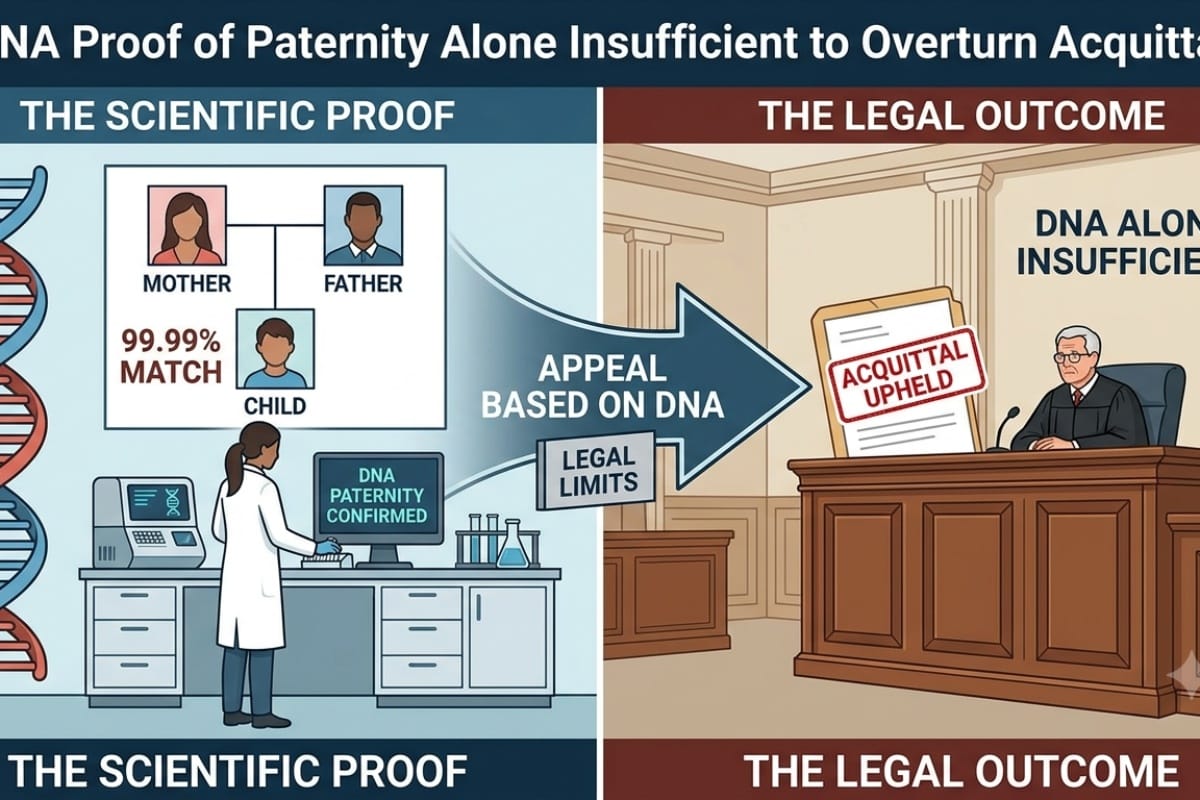
Headnote The Delhi High Court dismissed a prosecutrix's appeal against acquittal of the accused on charges under Sections 328/376 2 n /377/506/509 IPC, despite DNA evidence…
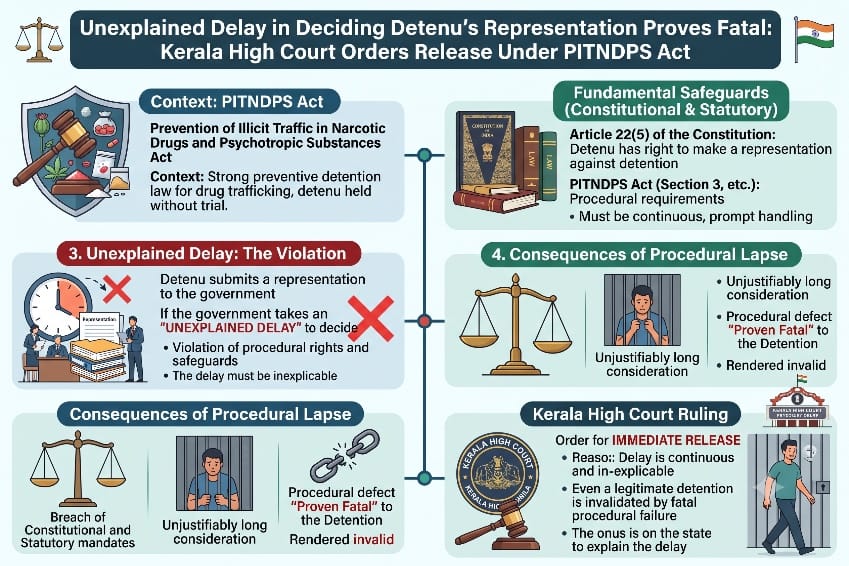
Fathimath Thasneem V.K. v. Union of India and Others | High Court of Kerala at Ernakulam | 3rd September, 2026 A habeas corpus writ petition by the wife of a detenu challenging…
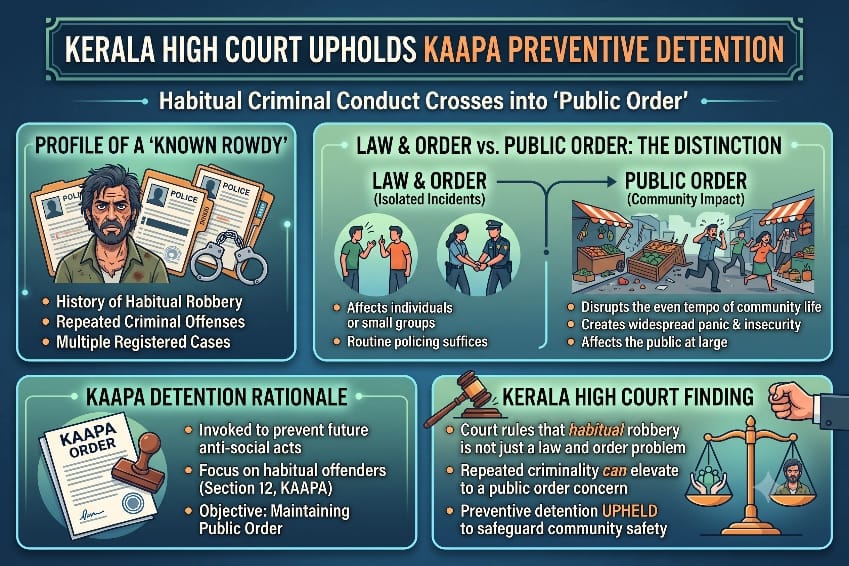
Thasmitha Abukutty v. State of Kerala and Others | High Court of Kerala at Ernakulam | 2nd September, 2026 A writ petition by the wife of a preventive detenu challenging a…
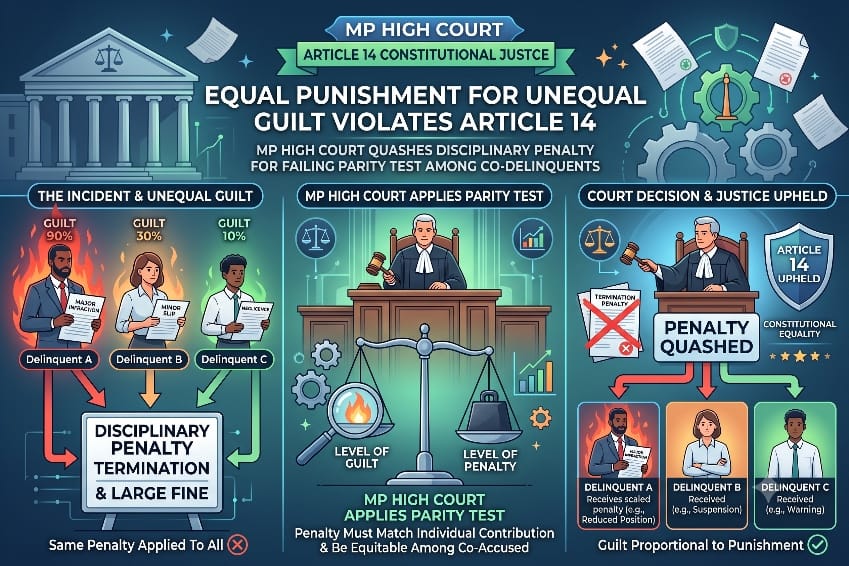
Brahm Kishore Dixit v. The State of Madhya Pradesh and Others | High Court of Madhya Pradesh, Gwalior | 1st September, 2026 A writ petition under Article 226 by a police Assistant…
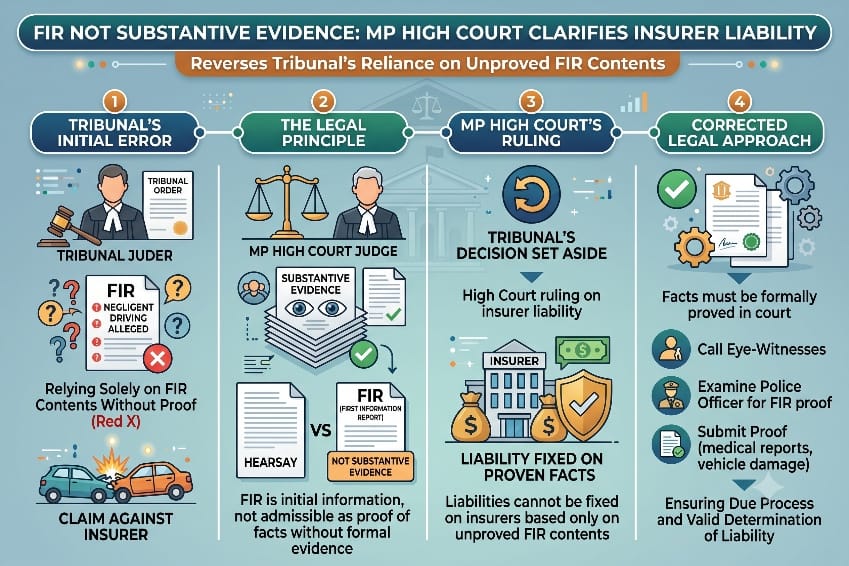
Anil Kumar Patel v. Smt. Munni Bai Barman and Others | High Court of Madhya Pradesh, Jabalpur | 1st September, 2026 A Motor Vehicle Act appeal under Section 173 1 against a Claims…
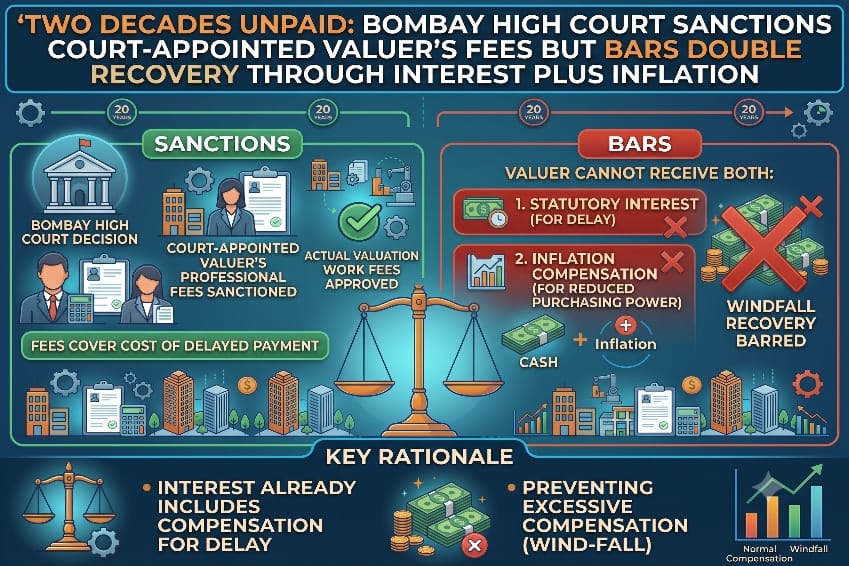
M/s. Kuber Mutual Benefits Ltd. & Ors. v. The State of Maharashtra & Ors. | High Court of Judicature at Bombay Appellate Side | 3rd September, 2026 A Court Receiver's Report…
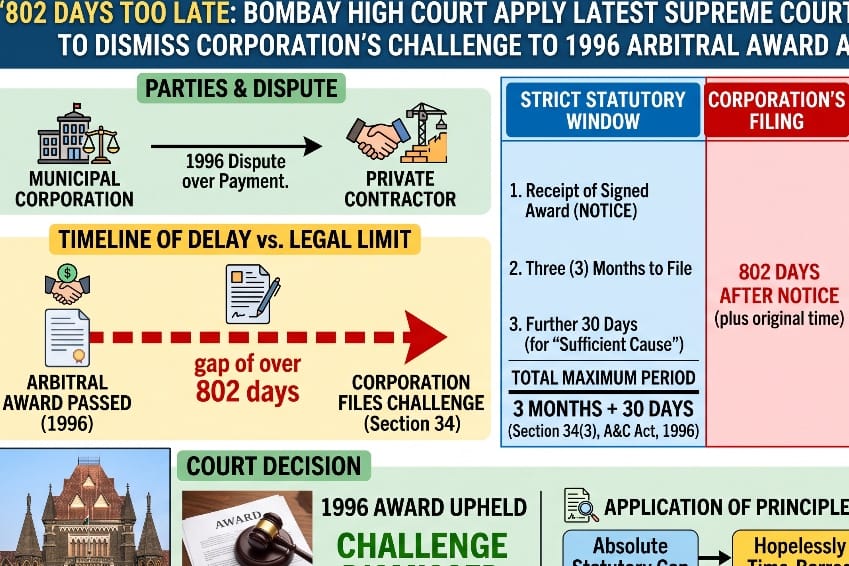
The Municipal Corporation of Greater Bombay v. M/s. Atul Raj Builders Pvt. Ltd. | High Court of Judicature at Bombay Ordinary Original Civil Jurisdiction | 3rd September, 2026 A…
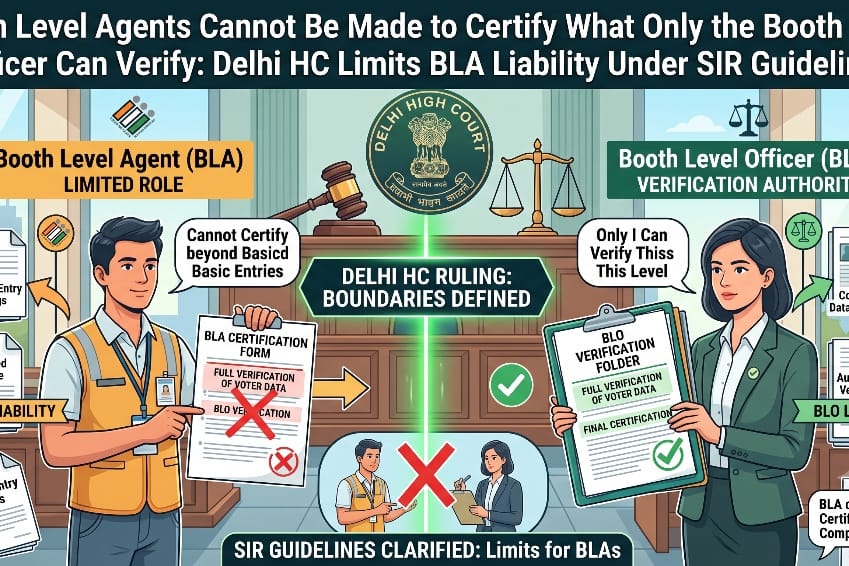
Devender Yadav & Anr. v. Election Commission of India & Anr. | High Court of Delhi Single Judge | Decided on: 03.09.2026 In a challenge to the Election Commission of India's…
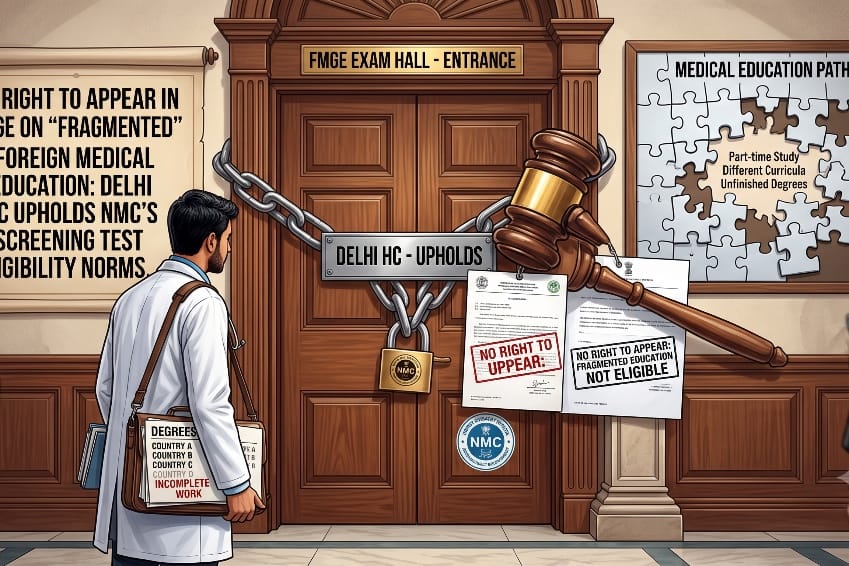
Brij Sharadbhai Bhatt & Ors. v. National Medical Commission & Ors. | High Court of Delhi Division Bench | Decided on: 03.09.2026 The Delhi High Court dismissed a challenge by…