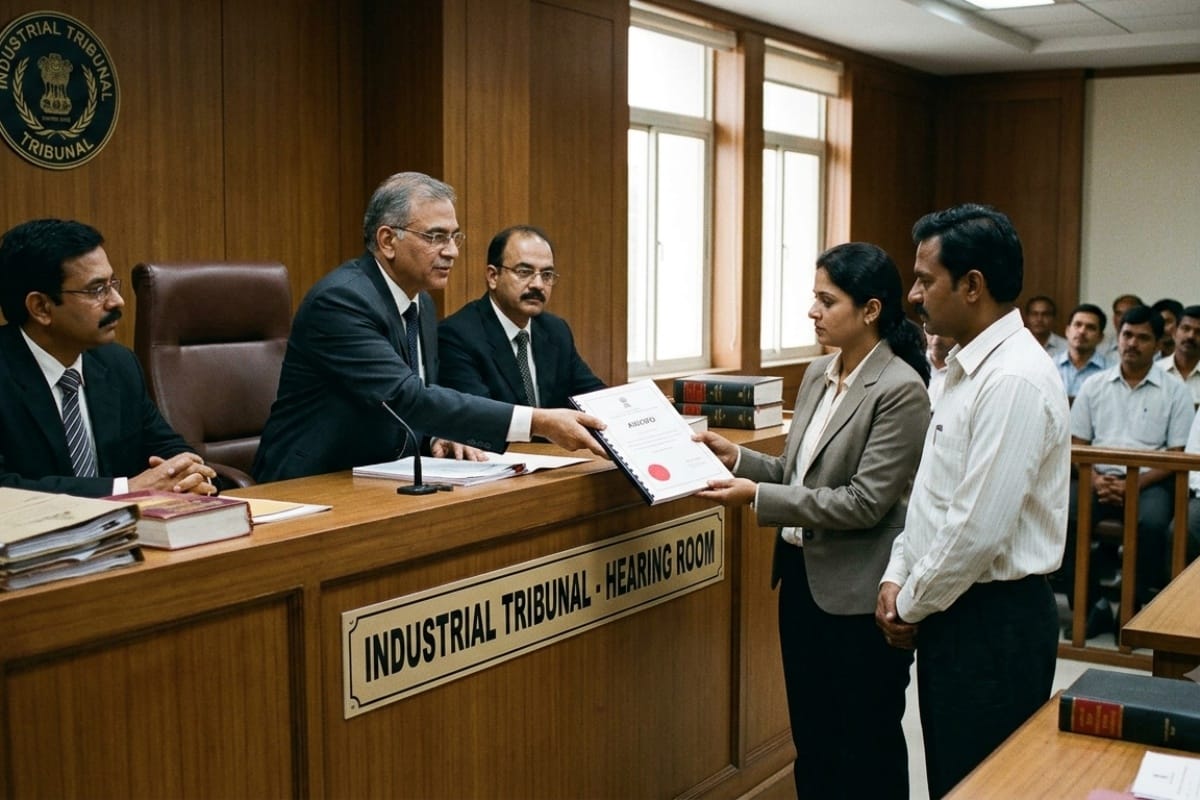
Deciding two connected writ petitions arising from a common Industrial Tribunal Award, the Delhi High Court set aside the Tribunal's direction granting hotel workmen a further…
Labour Laws
06/09/20264 min read
Update / Judgement Date
16 Nov 2025
Source
WCP News Bulletin
Author
Sakshi Bhardwaj — WCP Legal Desk
Reading Time
3 min read
The Supreme Court quashed an FIR in its entirety, holding that the ingredients of dacoity under Section 310(2) BNS (corresponding to Section 395 IPC) were not made out. The Court observed that the allegations reflected a search for institutional files rather than any dishonest intention to commit theft or robbery. Since all property was returned and the complainant had amicably settled the matter, the continuation of proceedings was unjustified. The Court set aside the Bombay High Court’s refusal to quash the dacoity charge and exercised its powers under Article 142 to quash the FIR completely.
• The appellants had approached the Bombay High Court under Section 528 BNSS (equivalent to Section 482 CrPC) seeking quashing of FIR C.R. No. 270/2024, P.S. Nandurbar Taluka.
• The FIR alleged that 6–7 unknown persons entered P.G. Public School, Nandurbar, searched for Engineering/BAMS files, intimidated staff, and took away computers, cash, cheque books, letterheads, and files.
• The High Court partially quashed the FIR—only for offences under Sections 115(2), 351(2), 351(3), 352 BNS—but retained the offence of dacoity under Section 310(2) BNS.
• It held that dacoity involved the school’s property, hence the complainant could not compromise on behalf of the institution.
• Aggrieved, the accused appealed to the Supreme Court.
• Respondent No. 2 (complainant) filed an affidavit before the Supreme Court confirming:
– all files, stamps, cash, cheque books, computers, and other materials had been returned;
– no injury was caused to anyone;
– the dispute was amicably resolved;
– he did not wish to continue prosecution.
• The FIR itself showed:
– the accused were searching for specific files, not stealing for wrongful gain;
– force/intimidation was used only to obtain access to documents;
– no weapons were used;
– the incident arose from a dispute over institutional documents.
• The Court found no dishonest intention, which is the core ingredient of theft/robbery/dacoity under BNS/IPC.
• The High Court erred in sustaining the dacoity charge when:
– all acts formed a single transaction;
– the compromise had already led to quashing of other connected offences;
– the same factual foundation could not selectively sustain the dacoity charge.
• Since the essential ingredient of "dishonest intention" was absent, the offence of dacoity was not made out.
• The complete restitution of property and voluntary settlement further diluted the prosecution case.
• The High Court’s reasoning that the school’s objection prevented quashing was incorrect—especially when the complainant confirmed that all property had been returned.
• The FIR was fit to be quashed in its entirety, not partially.
• Section 310(2), BNS – Dacoity (Section 395 IPC)
• Section 309, BNS – Robbery (Section 392 IPC)
• Section 303, BNS – Theft (Section 378 IPC)
• Section 528, BNSS – Inherent powers (Section 482 CrPC)
• Article 142, Constitution of India – Power of Supreme Court to do complete justice
• The Supreme Court exercised powers under Article 142 to quash the FIR completely, including the charge under Section 310(2) BNS.
• All connected proceedings arising from FIR C.R. No. 270/2024 were terminated.
• Appeal allowed; pending applications disposed of.
Citation: 2025 INSC 1323
Case: Prashant Prakash Ratnaparki & Ors. v. State of Maharashtra & Anr.
Court: Supreme Court of India
Coram: Justice Vikram Nath & Justice Sandeep Mehta
Date of Decision: 17 November 2025
Criminal Appeal No.: Criminal Appeal (Arising out of SLP (Crl.) No. 2628 of 2025)
Deciding two connected writ petitions arising from a common Industrial Tribunal Award, the Delhi High Court set aside the Tribunal's direction granting hotel workmen a further…

Headnote The Delhi High Court dismissed a prosecutrix's appeal against acquittal of the accused on charges under Sections 328/376 2 n /377/506/509 IPC, despite DNA evidence…
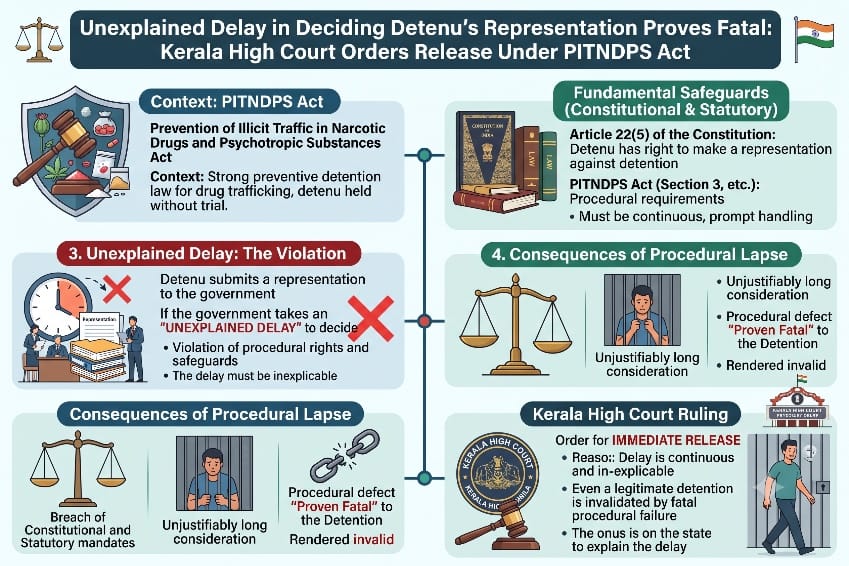
Fathimath Thasneem V.K. v. Union of India and Others | High Court of Kerala at Ernakulam | 3rd September, 2026 A habeas corpus writ petition by the wife of a detenu challenging…

Thasmitha Abukutty v. State of Kerala and Others | High Court of Kerala at Ernakulam | 2nd September, 2026 A writ petition by the wife of a preventive detenu challenging a…
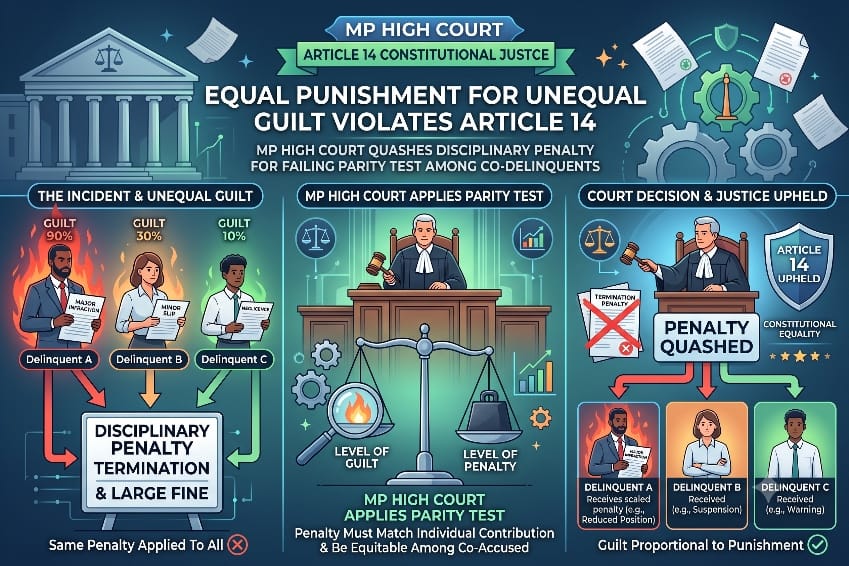
Brahm Kishore Dixit v. The State of Madhya Pradesh and Others | High Court of Madhya Pradesh, Gwalior | 1st September, 2026 A writ petition under Article 226 by a police Assistant…
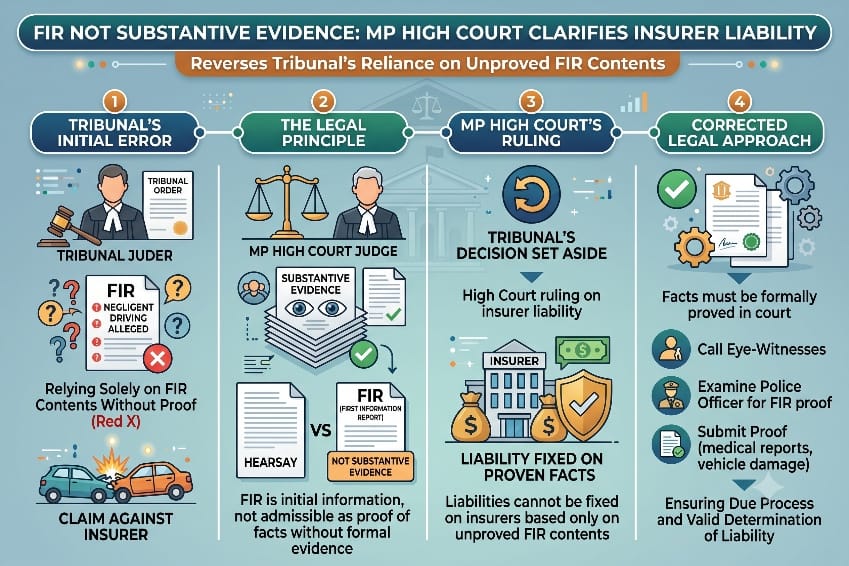
Anil Kumar Patel v. Smt. Munni Bai Barman and Others | High Court of Madhya Pradesh, Jabalpur | 1st September, 2026 A Motor Vehicle Act appeal under Section 173 1 against a Claims…
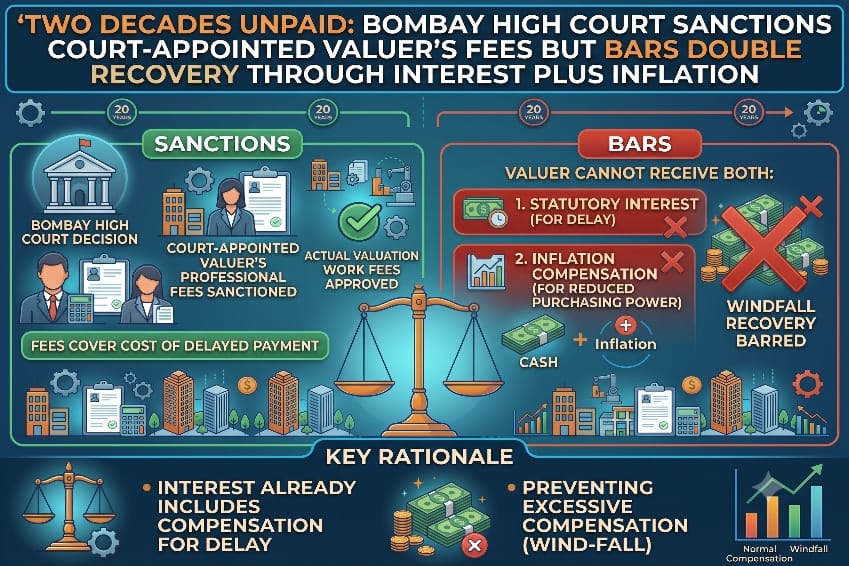
M/s. Kuber Mutual Benefits Ltd. & Ors. v. The State of Maharashtra & Ors. | High Court of Judicature at Bombay Appellate Side | 3rd September, 2026 A Court Receiver's Report…
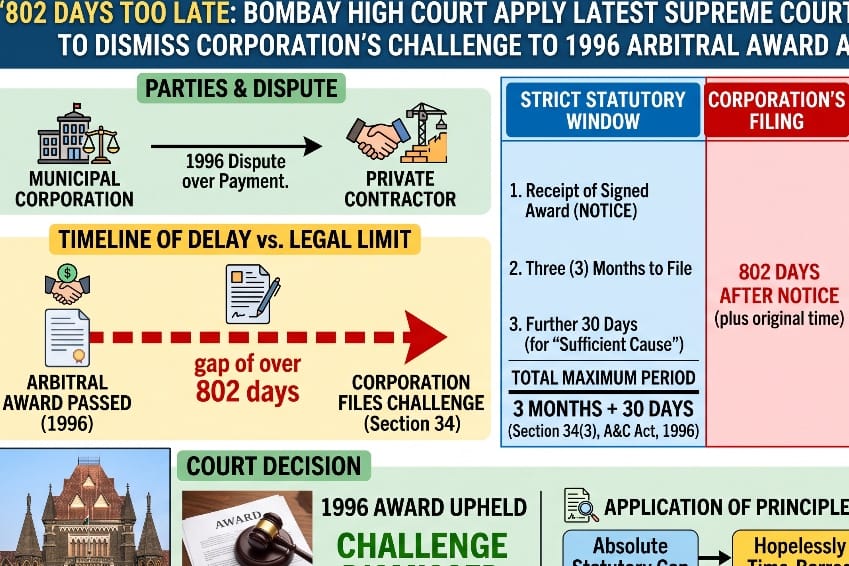
The Municipal Corporation of Greater Bombay v. M/s. Atul Raj Builders Pvt. Ltd. | High Court of Judicature at Bombay Ordinary Original Civil Jurisdiction | 3rd September, 2026 A…
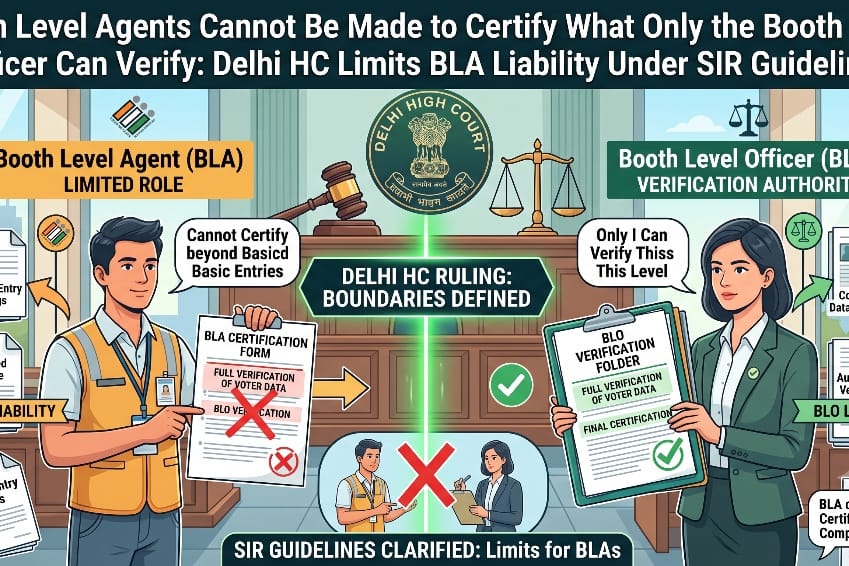
Devender Yadav & Anr. v. Election Commission of India & Anr. | High Court of Delhi Single Judge | Decided on: 03.09.2026 In a challenge to the Election Commission of India's…
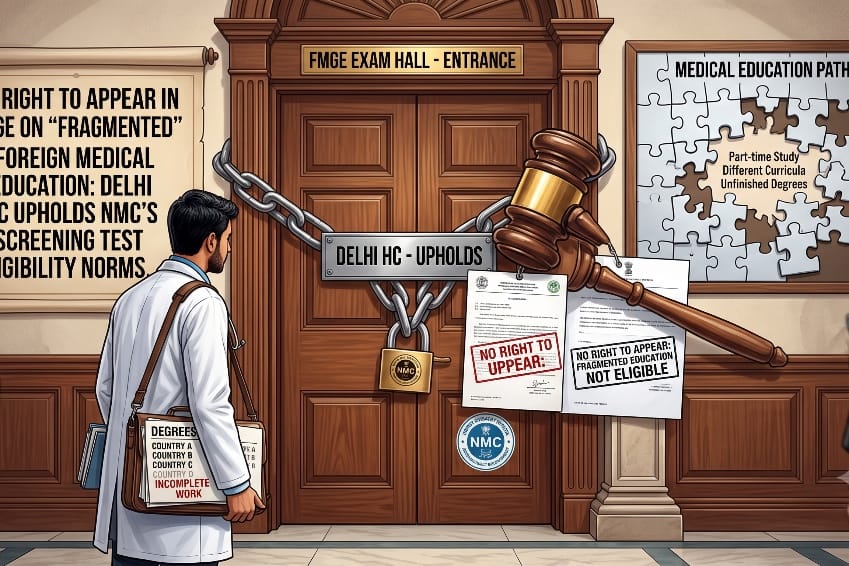
Brij Sharadbhai Bhatt & Ors. v. National Medical Commission & Ors. | High Court of Delhi Division Bench | Decided on: 03.09.2026 The Delhi High Court dismissed a challenge by…