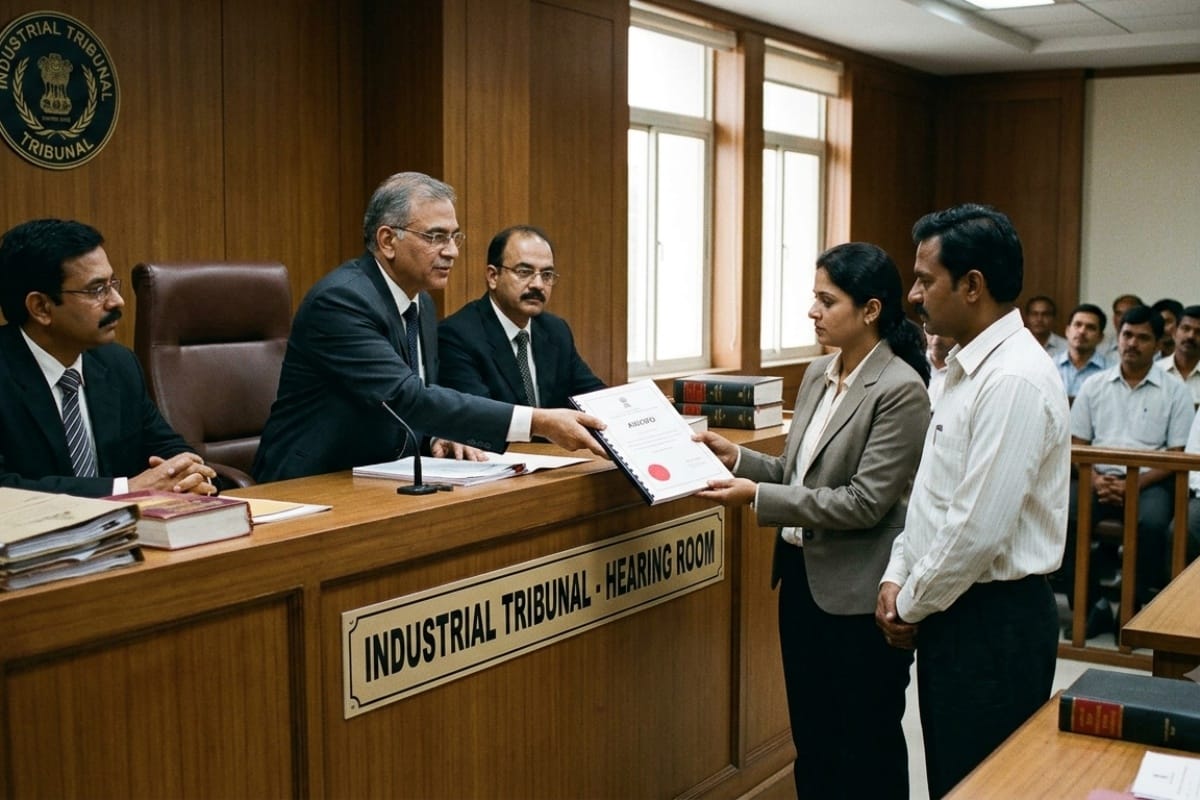
Deciding two connected writ petitions arising from a common Industrial Tribunal Award, the Delhi High Court set aside the Tribunal's direction granting hotel workmen a further…
Labour Laws
06/09/20264 min read
Update / Judgement Date
19 Dec 2025
Source
WCP News Bulletin
Author
Sakshi Bhardwaj — WCP Legal Desk
Reading Time
3 min read
The Supreme Court held that employees appointed by the Chief Justice of the Allahabad High Court under the same statutory powers could not be denied regularization while similarly situated employees were granted that benefit. The Court ruled that classification based merely on the description of appointments as “ad-hoc” was arbitrary and violative of Articles 14, 16, and 21 of the Constitution. Exercising powers under Article 142, the Court directed reinstatement and regularization of the appellants with consequential benefits, while clarifying that the judgment shall not operate as a precedent.
• The appellants were appointed as Operator-cum-Data Entry Assistants / Routine Grade Clerks (Class III posts) in the Allahabad High Court between 2004 and 2005.
• Appointments were made by the Chief Justice in exercise of powers under Rules 8(a)(i), 41, and 45 of the Allahabad High Court Officers and Staff (Conditions of Service and Conduct) Rules, 1976.
• Several similarly appointed employees were later regularized pursuant to a Division Bench judgment dated 20.09.2011 and recommendations of a Judges’ Committee.
• The appellants were denied regularization on the ground that their appointments were “ad-hoc” and that no specific rule existed for their regularization.
• Writ petitions filed by the appellants were dismissed by the High Court, leading to the present appeals before the Supreme Court.
• All categories of employees, including the appellants, were appointed through the same channel, namely by the Chief Justice under Rules 8(a)(i), 41, and 45 of the 1976 Rules.
• The distinction drawn between employees who were regularized and the appellants was based only on the wording of appointment letters and was arbitrary, superficial, and unreasonable.
• Mere labeling of appointments as “ad-hoc” could not justify denial of regularization when similarly situated employees were granted that benefit.
Citation: 2025 INSC 1477
Case: Ratnank Mishra & Ors. v. High Court of Judicature at Allahabad through Registrar General
Court: Supreme Court of India
Coram: Justice J.K. Maheshwari & Justice Vijay Bishnoi
Date of Decision: 19 December 2025
Civil Appeal Nos.: 428–431 of 2022
• Such differential treatment violated the principle of equality and amounted to hostile discrimination under Articles 14, 16, and 21 of the Constitution.
• High Courts, as constitutional institutions, are expected to act as model employers and uphold fairness in administrative decisions.
• The subsequent abolition or merger of the cadre could not defeat accrued rights when similarly placed employees had already been regularized.
• Given the long service rendered and clear discrimination, the case warranted exercise of Article 142 to render complete justice.
Directions Issued• The appellants shall be reinstated to the posts held at the time of their discontinuance.
• Their services shall be regularized after completion of one year from their respective dates of initial appointment.
• They shall be entitled to all consequential benefits, including seniority, promotion, pay fixation, increments, and retiral benefits (if applicable), excluding back wages for the period not worked.
• The directions shall be complied with within eight weeks from the date of judgment.
• The judgment is confined to the facts of the present case and shall not be treated as a precedent.
• Rules 8(a)(i), 41, and 45, Allahabad High Court Officers and Staff (Conditions of Service and Conduct) Rules, 1976 – Powers of recruitment and residuary powers of the Chief Justice.
• Articles 14, 16, 21, Constitution of India – Equality, non-discrimination, and fairness in public employment.
• Article 142, Constitution of India – Power of the Supreme Court to do complete justice.
Deciding two connected writ petitions arising from a common Industrial Tribunal Award, the Delhi High Court set aside the Tribunal's direction granting hotel workmen a further…
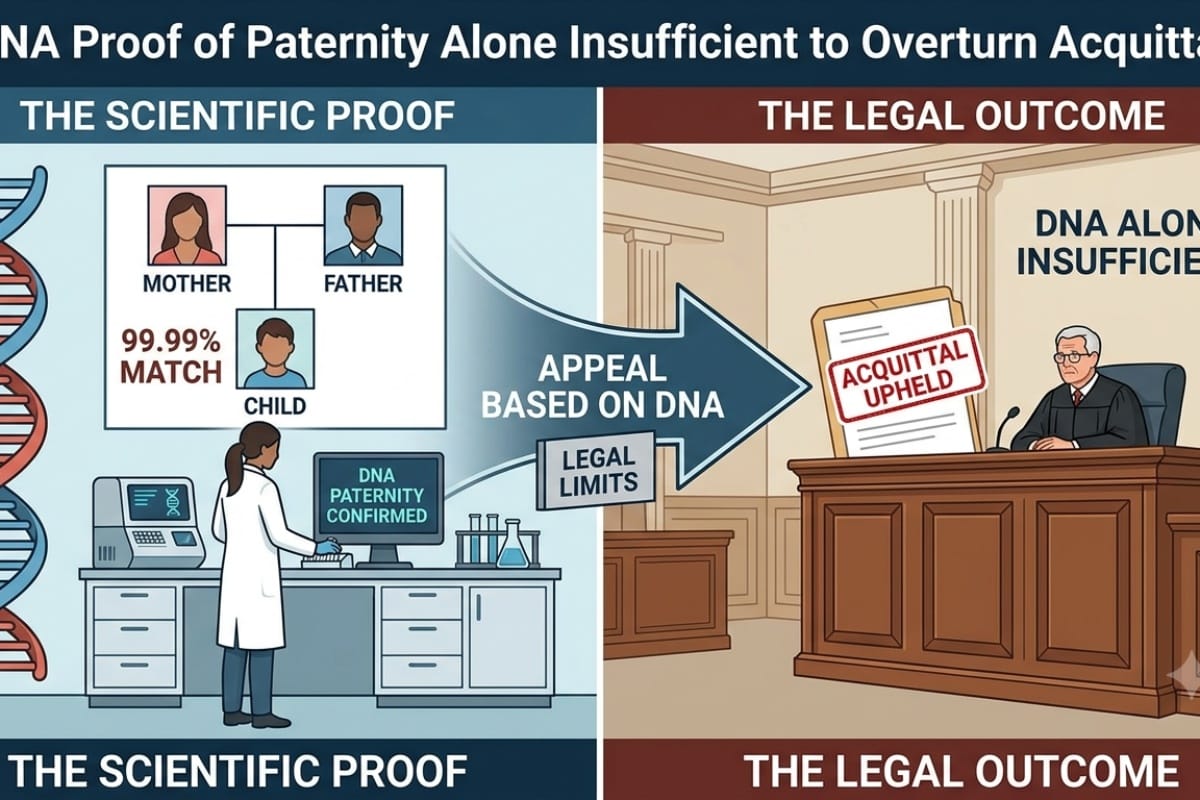
Headnote The Delhi High Court dismissed a prosecutrix's appeal against acquittal of the accused on charges under Sections 328/376 2 n /377/506/509 IPC, despite DNA evidence…
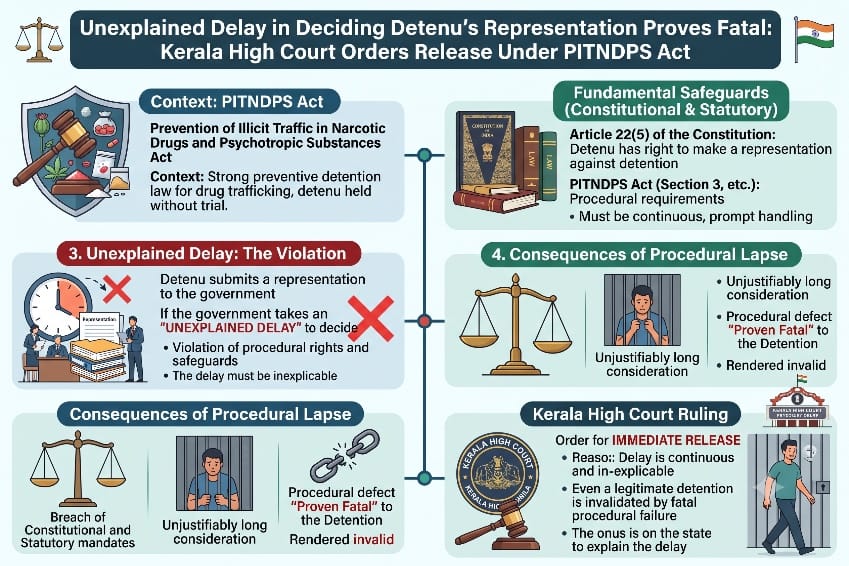
Fathimath Thasneem V.K. v. Union of India and Others | High Court of Kerala at Ernakulam | 3rd September, 2026 A habeas corpus writ petition by the wife of a detenu challenging…
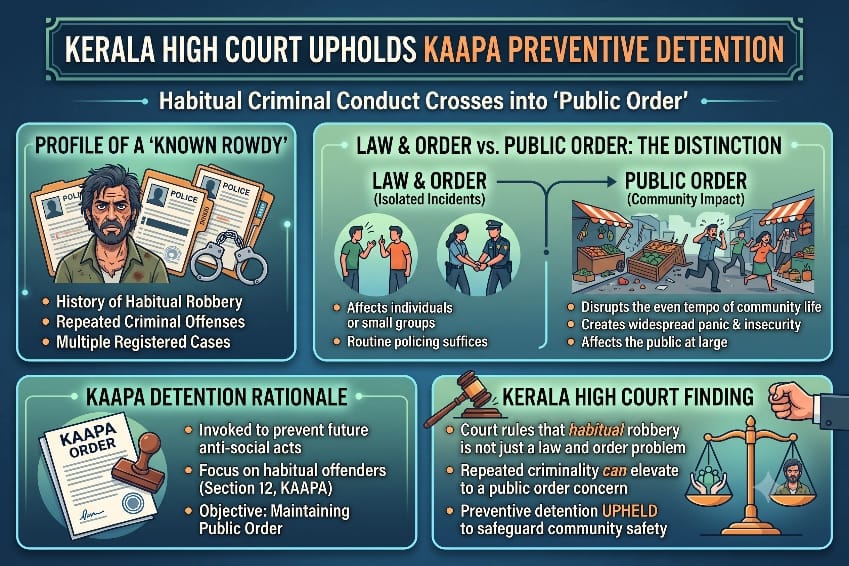
Thasmitha Abukutty v. State of Kerala and Others | High Court of Kerala at Ernakulam | 2nd September, 2026 A writ petition by the wife of a preventive detenu challenging a…
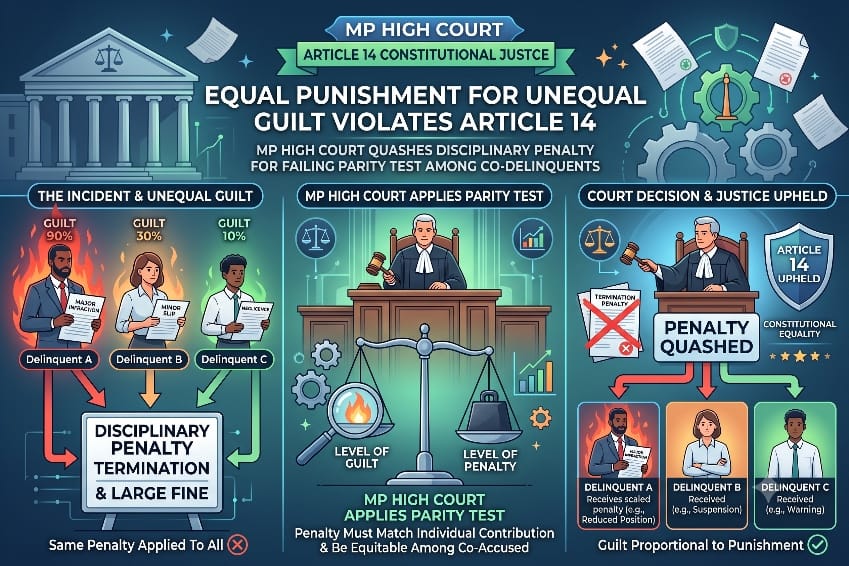
Brahm Kishore Dixit v. The State of Madhya Pradesh and Others | High Court of Madhya Pradesh, Gwalior | 1st September, 2026 A writ petition under Article 226 by a police Assistant…
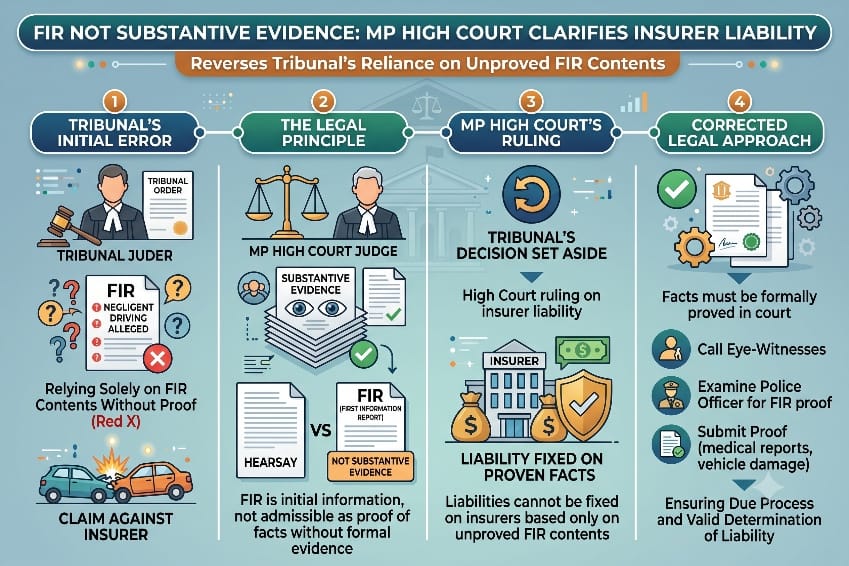
Anil Kumar Patel v. Smt. Munni Bai Barman and Others | High Court of Madhya Pradesh, Jabalpur | 1st September, 2026 A Motor Vehicle Act appeal under Section 173 1 against a Claims…
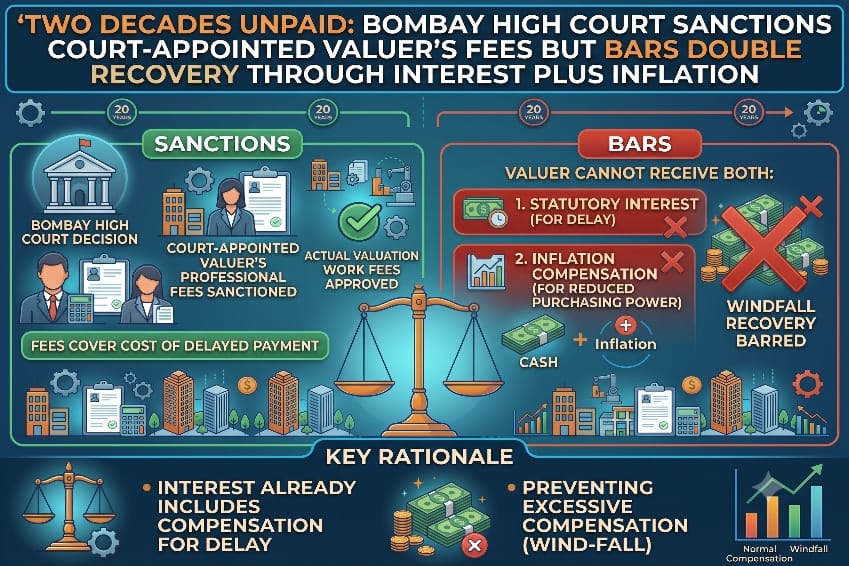
M/s. Kuber Mutual Benefits Ltd. & Ors. v. The State of Maharashtra & Ors. | High Court of Judicature at Bombay Appellate Side | 3rd September, 2026 A Court Receiver's Report…
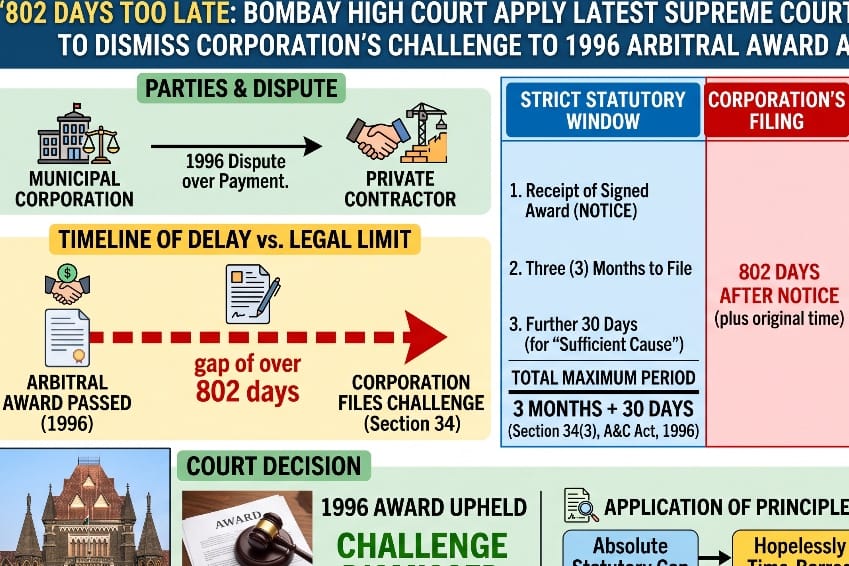
The Municipal Corporation of Greater Bombay v. M/s. Atul Raj Builders Pvt. Ltd. | High Court of Judicature at Bombay Ordinary Original Civil Jurisdiction | 3rd September, 2026 A…
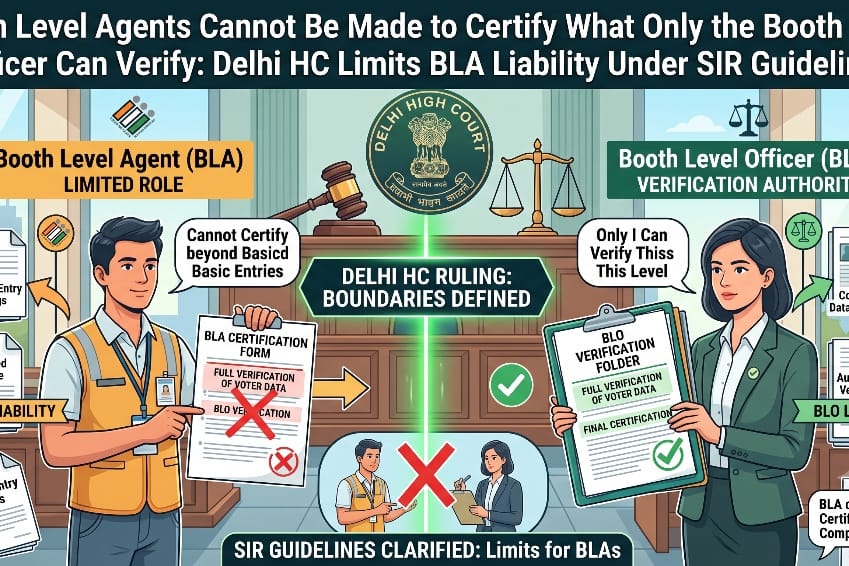
Devender Yadav & Anr. v. Election Commission of India & Anr. | High Court of Delhi Single Judge | Decided on: 03.09.2026 In a challenge to the Election Commission of India's…
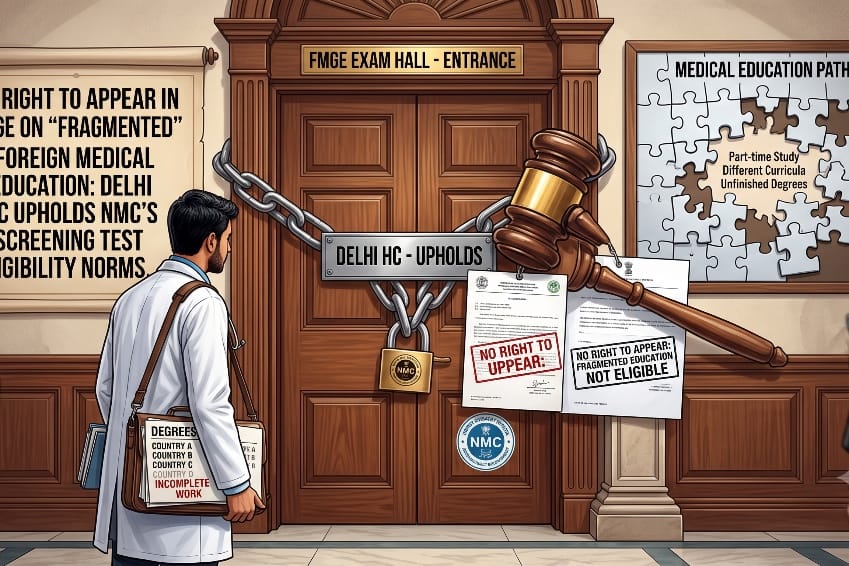
Brij Sharadbhai Bhatt & Ors. v. National Medical Commission & Ors. | High Court of Delhi Division Bench | Decided on: 03.09.2026 The Delhi High Court dismissed a challenge by…