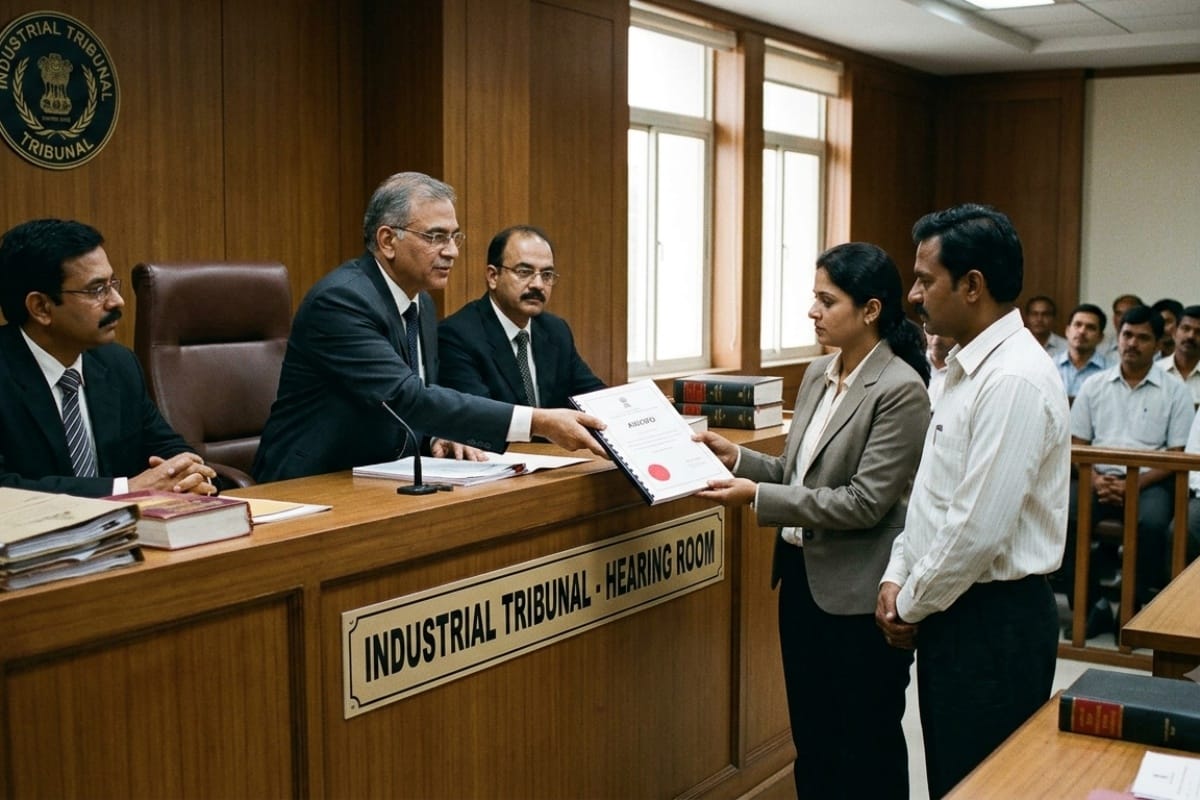
Deciding two connected writ petitions arising from a common Industrial Tribunal Award, the Delhi High Court set aside the Tribunal's direction granting hotel workmen a further…
Labour Laws
06/09/20264 min read
Update / Judgement Date
14 Nov 2025
Source
WCP News Bulletin
Author
Sakshi Bhardwaj — WCP Legal Desk
Reading Time
3 min read
The Supreme Court upheld the Madras High Court’s decision refusing to set aside a 2005 revenue auction, holding that the appellant’s failure to invoke the statutory remedies under Sections 37-A and 38 of the Tamil Nadu Revenue Recovery Act within 30 days made any belated challenge impermissible. Interim orders in writ proceedings did not suspend the statutory obligation to challenge the sale. The auction purchaser had acquired vested rights upon sale confirmation, and no fraud or material irregularity was shown.
As a result, the Supreme Court dismissed the appeal and affirmed that the auction and its confirmation were lawful and final.
The appellant’s husband, Ramaswamy Udayar, had defaulted on payments for arrack shop bids (1972–73).
An ex-parte decree for ₹56,170.20 was passed against him in 1987.
After his death in 1988, the authorities issued revenue recovery notices and a public auction notice (28.06.2005).
Auctions were held on 29.07.2005; property sold to respondent no. 4.
The appellant and son filed writ petitions; interim orders were granted only against confirmation of sale.
Sale was confirmed on 23.07.2008.
The High Court dismissed (i) the writ petitions, (ii) writ appeals, and (iii) review application.
Court’s Observations:
Statutory Remedies Mandatory:
Sections 37-A and 38 of the Revenue Recovery Act provide complete mechanisms for setting aside a sale—but must be invoked within 30 days. The appellant never filed such an application.
Interim Orders Do Not Stop Limitation:
The High Court had stayed confirmation of sale, not the conduct of the auction.
The existence of a writ petition did not excuse non-compliance with statutory deadlines.
Deposits Before High Court Not Sufficient:
The ₹3,41,900 deposited during writ proceedings cannot be treated as a statutory deposit under Section 37-A.
A formal application before the Collector was essential.
Auction Sale Valid:
Auction purchaser paid full amount the same day; sale was confirmed lawfully; sale certificate issued; property later transferred to bona fide purchasers.
No Irregularity or Fraud Proved:
No material irregularity, mistake, or fraud was shown under Section 38.
Review Cannot Replace Appeal:
High Court rightly held that its earlier findings contained no “error apparent on the face of the record.”
Legal Provisions Discussed:
Sections 37-A & 38, Tamil Nadu Revenue Recovery Act, 1864 — Statutory remedies to set aside auction sale.
Article 226, Constitution of India — Writ jurisdiction not a substitute for statutory remedies.
Relevant Precedents:
Rajasthan Housing Board v. Krishna Kumari
State of M.P. v. M.V. Vyavsaya & Co.
Valji Khimji & Co. v. Official Liquidator
Lily Thomas v. Union of India
Parison Devi v. Sumitri Devi
Final Decision
The Supreme Court upheld the Madras High Court's judgment and order, rejecting the appellant’s challenge.
The appeal was dismissed.
Citation: 2025 INSC 1319
Case: Kolanjammal (D) through LRs v. The Revenue Divisional Officer, Perambalur District & Ors.
Court: Supreme Court of India
Coram: Justice Satish Chandra Sharma & Justice Vipul M. Pancholi
Date of Decision: 14 November 2025
Civil Appeal No.: 2322 of 2013
Deciding two connected writ petitions arising from a common Industrial Tribunal Award, the Delhi High Court set aside the Tribunal's direction granting hotel workmen a further…
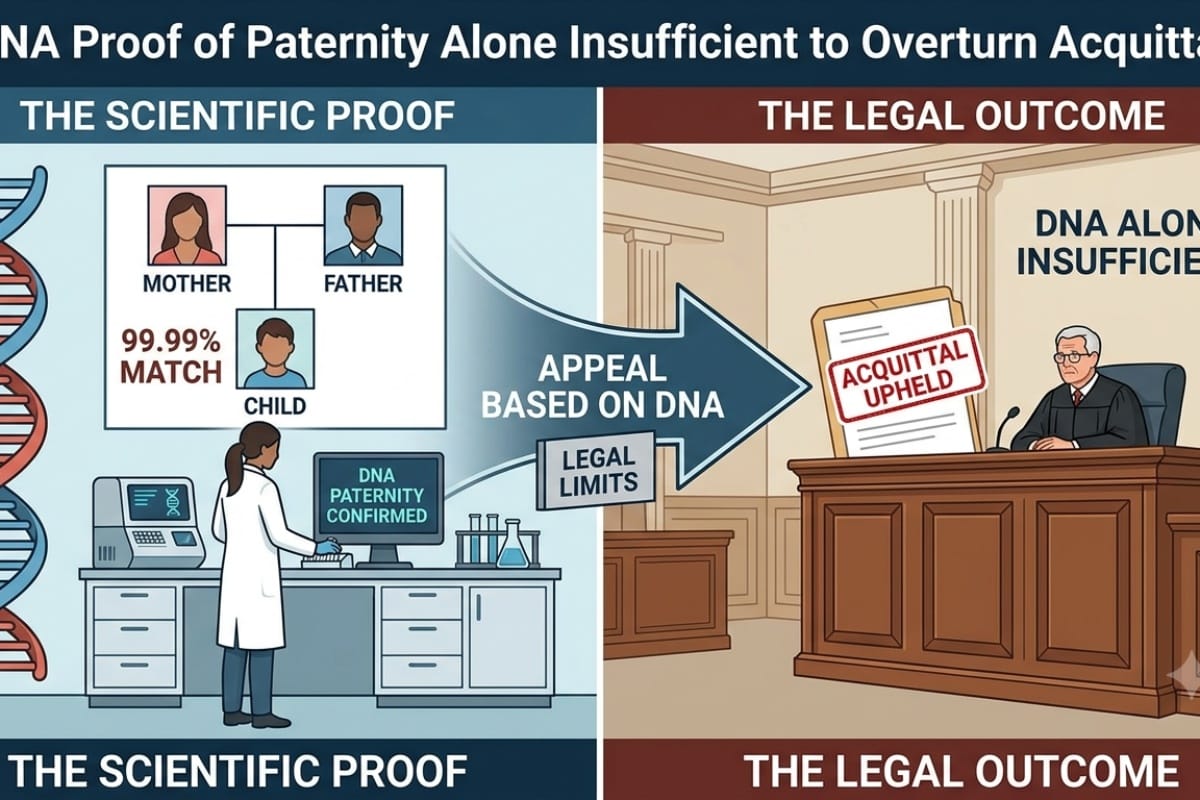
Headnote The Delhi High Court dismissed a prosecutrix's appeal against acquittal of the accused on charges under Sections 328/376 2 n /377/506/509 IPC, despite DNA evidence…
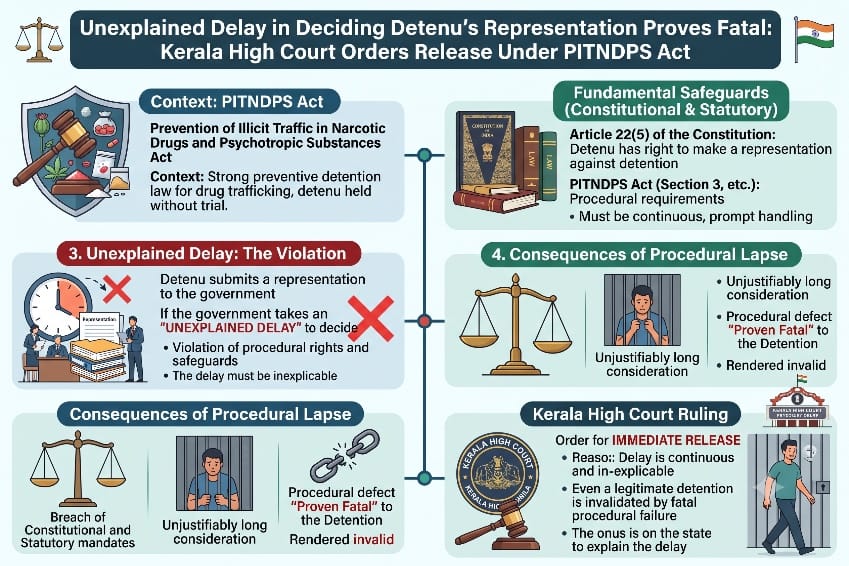
Fathimath Thasneem V.K. v. Union of India and Others | High Court of Kerala at Ernakulam | 3rd September, 2026 A habeas corpus writ petition by the wife of a detenu challenging…
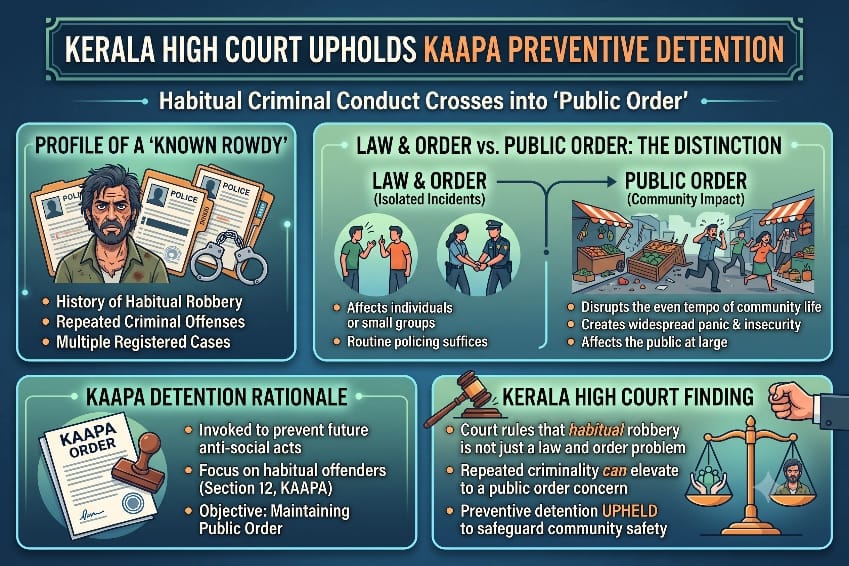
Thasmitha Abukutty v. State of Kerala and Others | High Court of Kerala at Ernakulam | 2nd September, 2026 A writ petition by the wife of a preventive detenu challenging a…
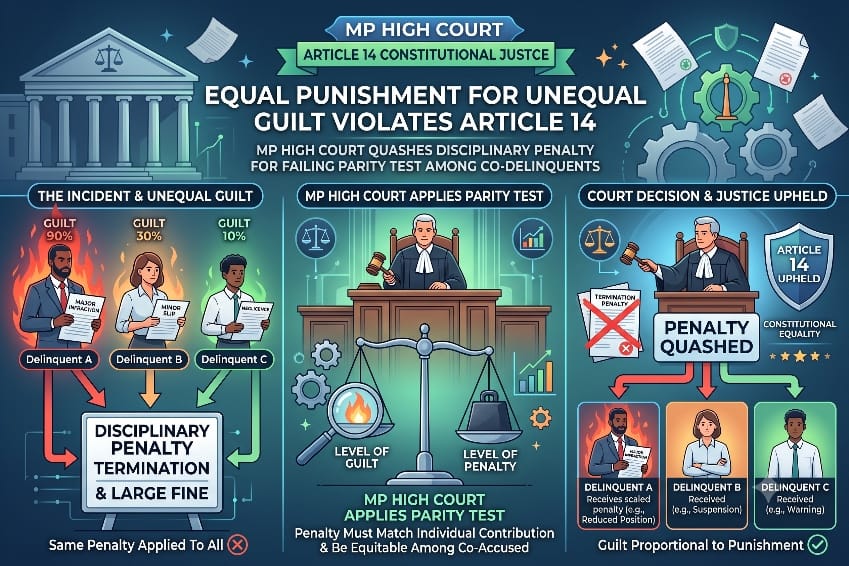
Brahm Kishore Dixit v. The State of Madhya Pradesh and Others | High Court of Madhya Pradesh, Gwalior | 1st September, 2026 A writ petition under Article 226 by a police Assistant…
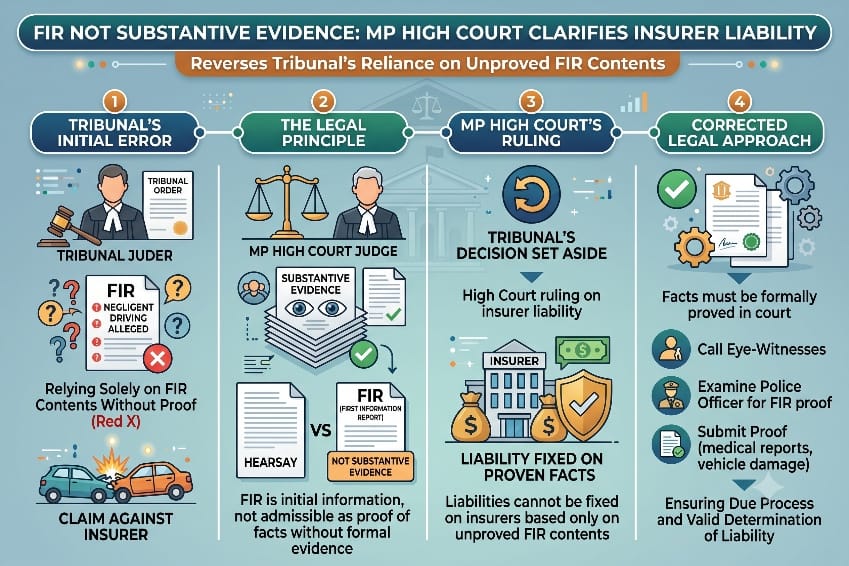
Anil Kumar Patel v. Smt. Munni Bai Barman and Others | High Court of Madhya Pradesh, Jabalpur | 1st September, 2026 A Motor Vehicle Act appeal under Section 173 1 against a Claims…
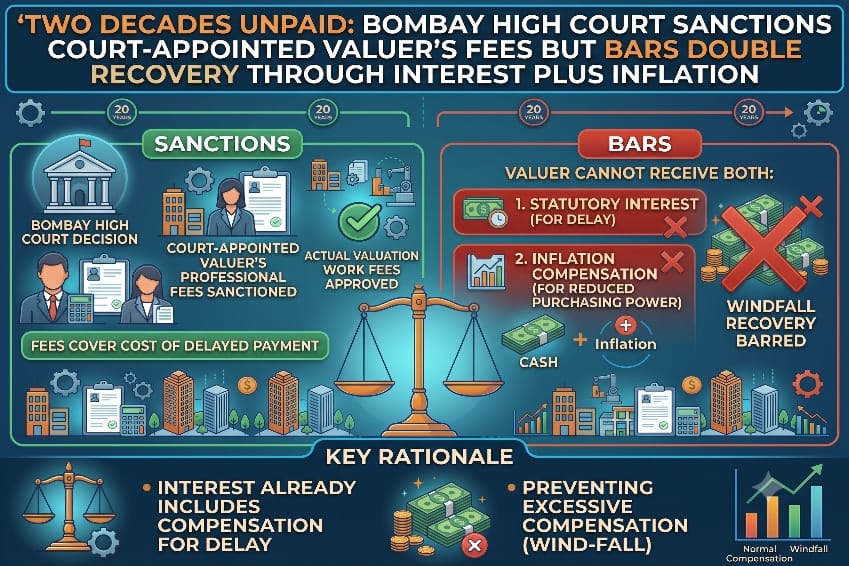
M/s. Kuber Mutual Benefits Ltd. & Ors. v. The State of Maharashtra & Ors. | High Court of Judicature at Bombay Appellate Side | 3rd September, 2026 A Court Receiver's Report…
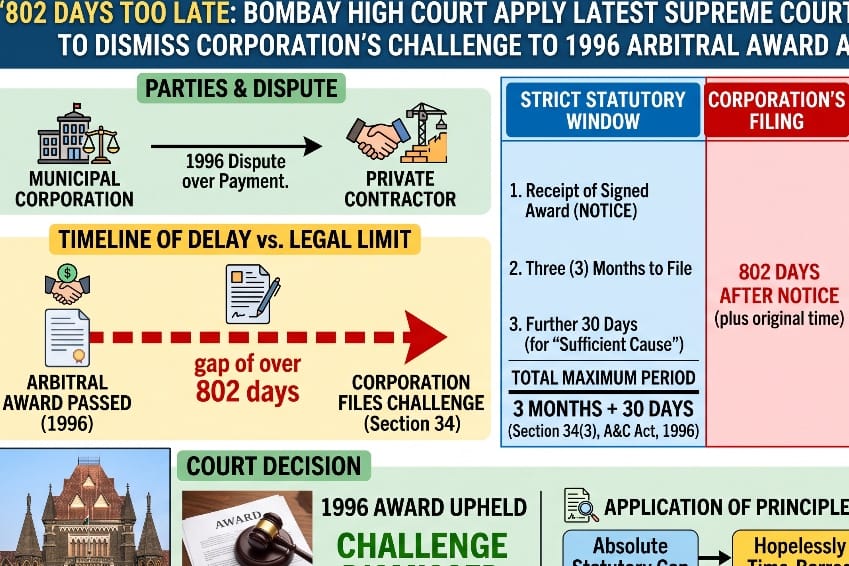
The Municipal Corporation of Greater Bombay v. M/s. Atul Raj Builders Pvt. Ltd. | High Court of Judicature at Bombay Ordinary Original Civil Jurisdiction | 3rd September, 2026 A…
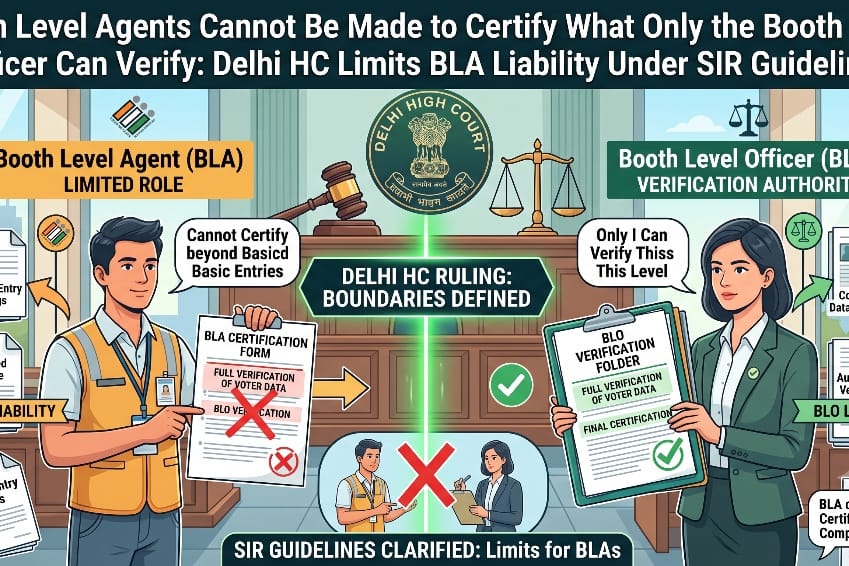
Devender Yadav & Anr. v. Election Commission of India & Anr. | High Court of Delhi Single Judge | Decided on: 03.09.2026 In a challenge to the Election Commission of India's…
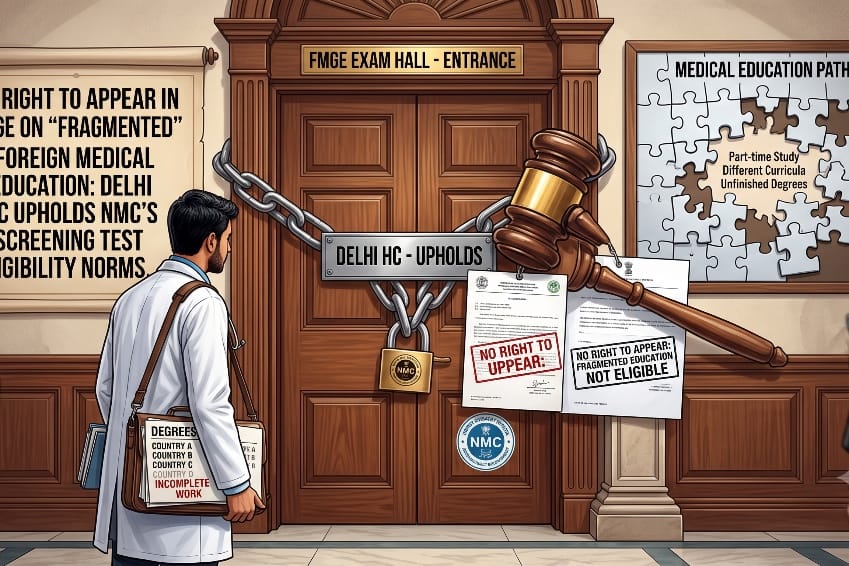
Brij Sharadbhai Bhatt & Ors. v. National Medical Commission & Ors. | High Court of Delhi Division Bench | Decided on: 03.09.2026 The Delhi High Court dismissed a challenge by…