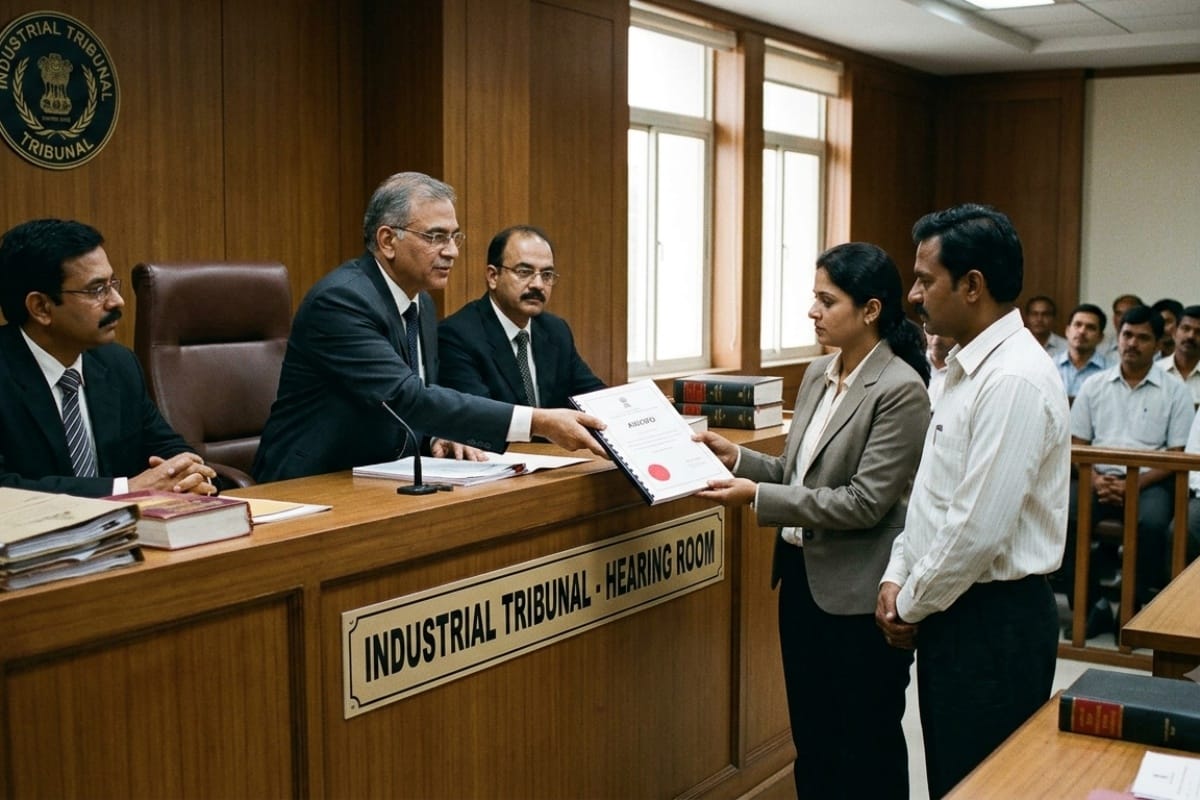
Deciding two connected writ petitions arising from a common Industrial Tribunal Award, the Delhi High Court set aside the Tribunal's direction granting hotel workmen a further…
Labour Laws
06/09/20264 min read
Update / Judgement Date
17 Oct 2025
Source
WCP News Bulletin
Author
Sakshi Bhardwaj — WCP Legal Desk
Reading Time
4 min read
The Supreme Court refused to reduce the sentence of an appellant convicted under Section 304 Part-II IPC (culpable homicide not amounting to murder) for killing an innocent man during a family dispute. The Court upheld the 8-year rigorous imprisonment imposed by the Karnataka High Court, observing that the act was unprovoked and resulted in the death of an uninvolved person. It held that undue leniency in sentencing undermines public confidence in the justice system, and while the appellant’s young age was noted, it did not justify a lesser punishment.
The Court reiterated the principle from Raj Bala and Shailesh Jasvantbhai:
“Undue sympathy to impose inadequate sentence would do more harm to the justice system… Public confidence in the efficacy of law cannot long endure under such serious threats.”
This judgment reinforces the principle that sentencing must balance compassion with societal justice. Even youthful offenders cannot claim leniency where their act leads to the death of an innocent person, and courts must avoid substituting justice with misplaced sympathy.
Citation: 2025 INSC 1250
Case: Kotresh @ Kotrappa v. State of Karnataka & Anr.
Court: Supreme Court of India
Coram: Justice Dipankar Datta & Justice Augustine George Masih
Criminal Appeal No.: [Arising out of SLP (Crl.) No. 16833 of 2024]
Deciding two connected writ petitions arising from a common Industrial Tribunal Award, the Delhi High Court set aside the Tribunal's direction granting hotel workmen a further…
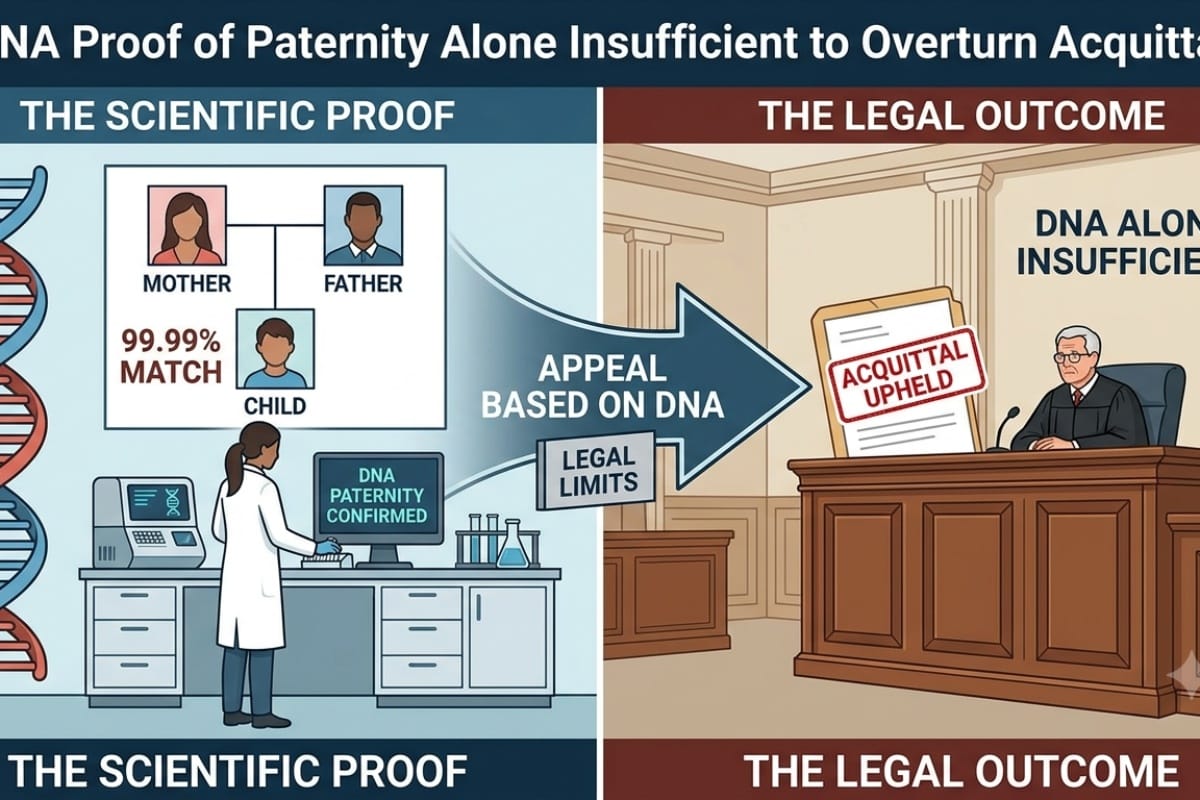
Headnote The Delhi High Court dismissed a prosecutrix's appeal against acquittal of the accused on charges under Sections 328/376 2 n /377/506/509 IPC, despite DNA evidence…
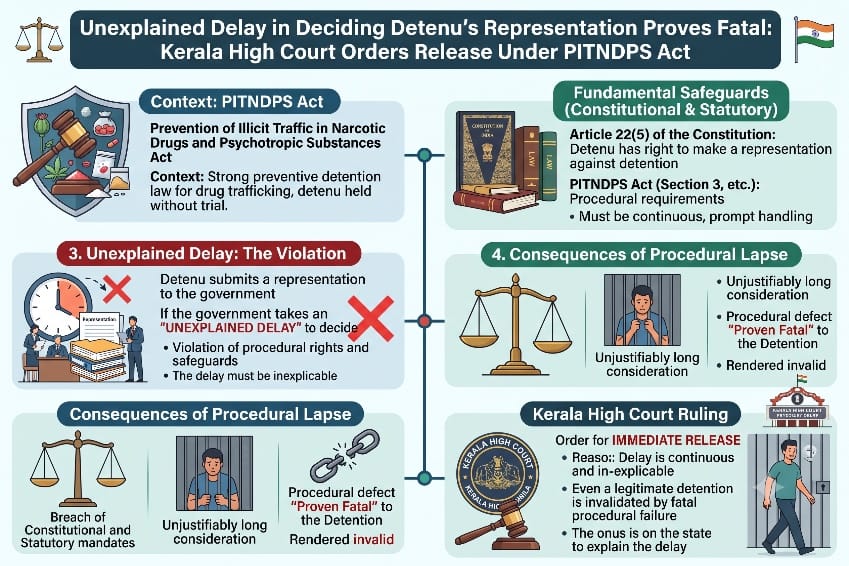
Fathimath Thasneem V.K. v. Union of India and Others | High Court of Kerala at Ernakulam | 3rd September, 2026 A habeas corpus writ petition by the wife of a detenu challenging…
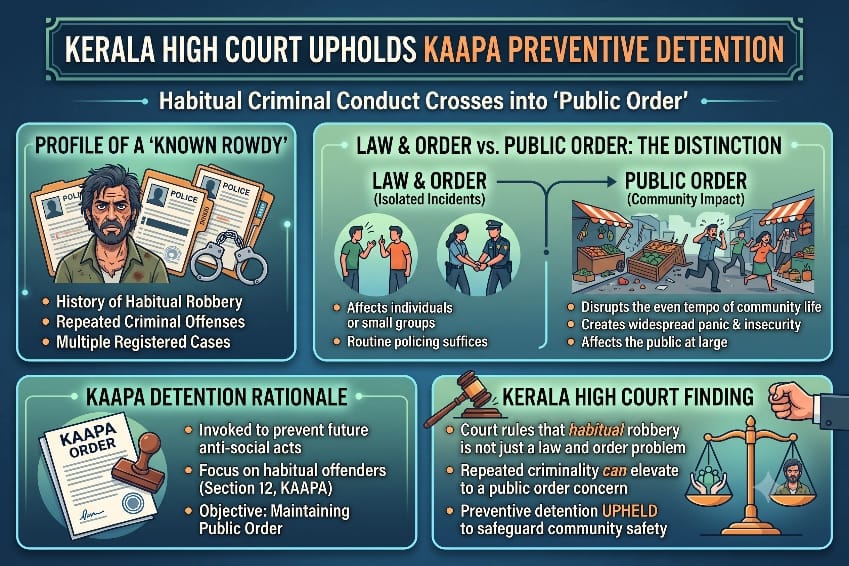
Thasmitha Abukutty v. State of Kerala and Others | High Court of Kerala at Ernakulam | 2nd September, 2026 A writ petition by the wife of a preventive detenu challenging a…
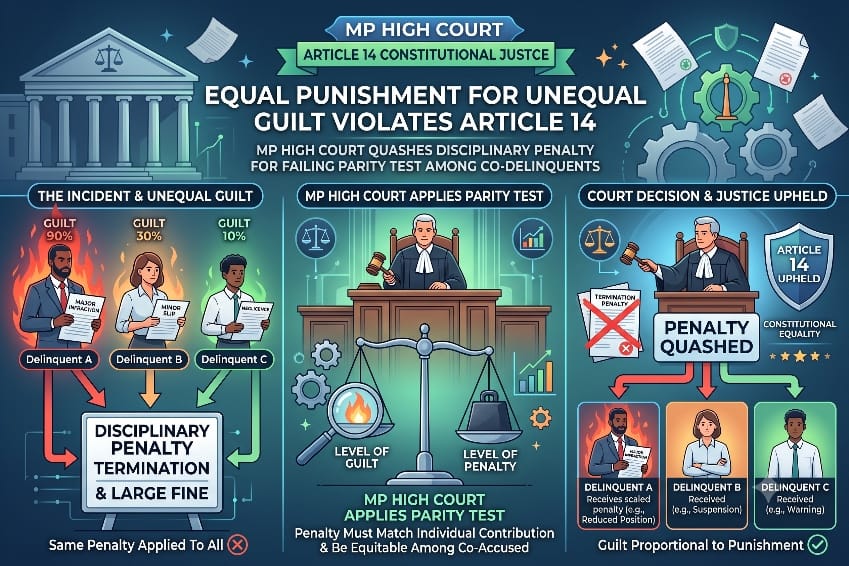
Brahm Kishore Dixit v. The State of Madhya Pradesh and Others | High Court of Madhya Pradesh, Gwalior | 1st September, 2026 A writ petition under Article 226 by a police Assistant…
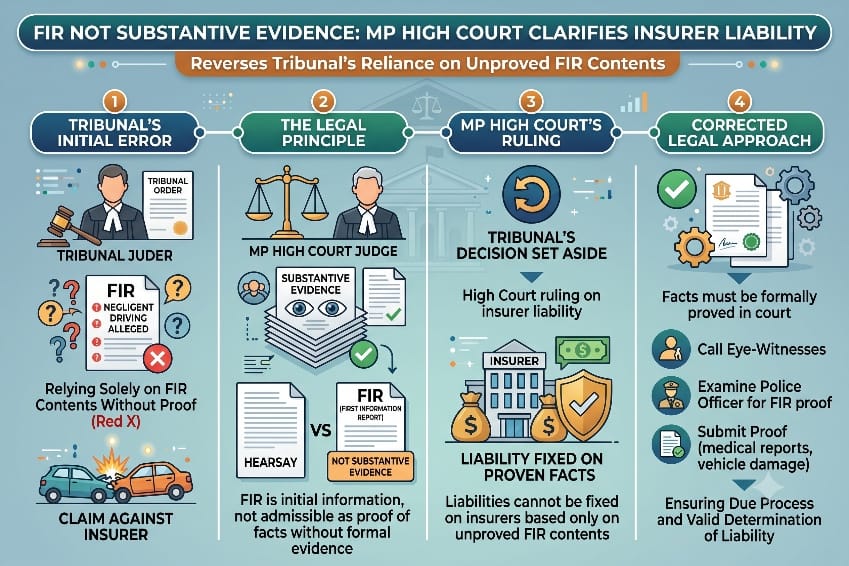
Anil Kumar Patel v. Smt. Munni Bai Barman and Others | High Court of Madhya Pradesh, Jabalpur | 1st September, 2026 A Motor Vehicle Act appeal under Section 173 1 against a Claims…
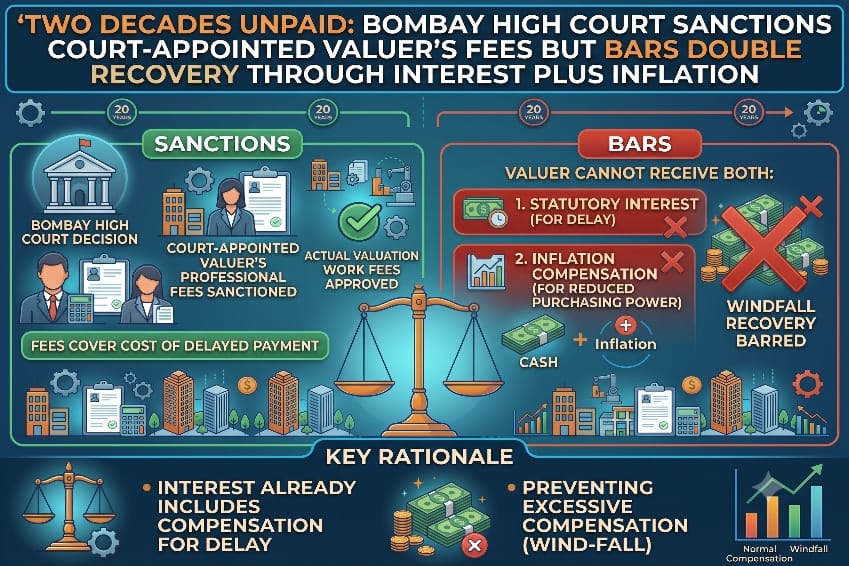
M/s. Kuber Mutual Benefits Ltd. & Ors. v. The State of Maharashtra & Ors. | High Court of Judicature at Bombay Appellate Side | 3rd September, 2026 A Court Receiver's Report…
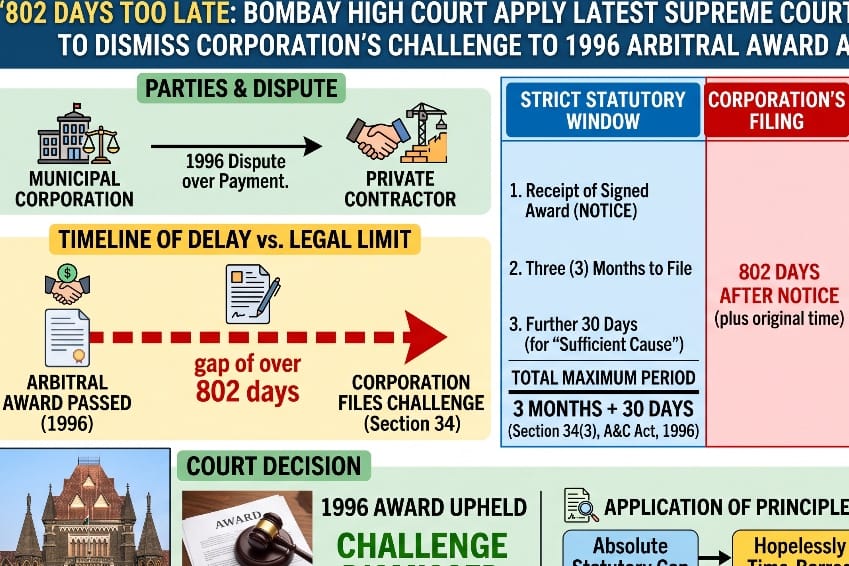
The Municipal Corporation of Greater Bombay v. M/s. Atul Raj Builders Pvt. Ltd. | High Court of Judicature at Bombay Ordinary Original Civil Jurisdiction | 3rd September, 2026 A…
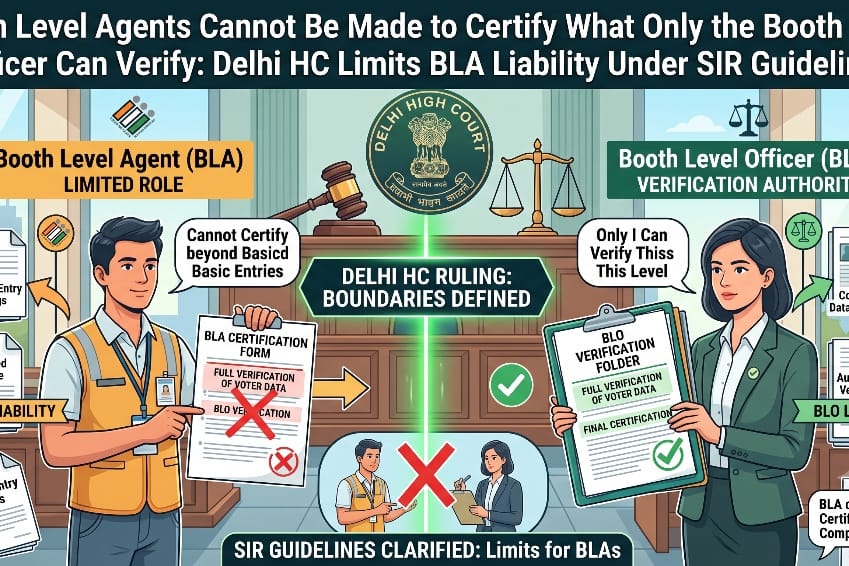
Devender Yadav & Anr. v. Election Commission of India & Anr. | High Court of Delhi Single Judge | Decided on: 03.09.2026 In a challenge to the Election Commission of India's…
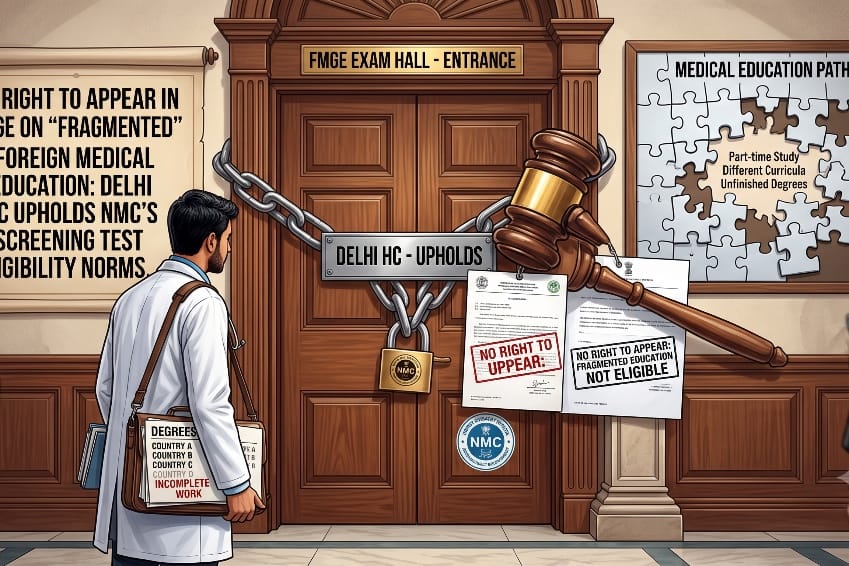
Brij Sharadbhai Bhatt & Ors. v. National Medical Commission & Ors. | High Court of Delhi Division Bench | Decided on: 03.09.2026 The Delhi High Court dismissed a challenge by…