
Deciding two connected writ petitions arising from a common Industrial Tribunal Award, the Delhi High Court set aside the Tribunal's direction granting hotel workmen a further…
Labour Laws
06/09/20264 min read
Update / Judgement Date
10 Nov 2025
Source
WCP News Bulletin
Author
Sakshi Bhardwaj — WCP Legal Desk
Reading Time
3 min read
The Supreme Court dismissed the Revenue’s appeals, holding that land-dealing transactions undertaken by M/s Elegant Developers were not taxable under the category of “Real Estate Agent” services as defined under the Finance Act, 1994. The Court observed that the developer acted as a principal, not an agent, and thus no service tax liability arose. The Court also held that the extended limitation period under Section 73(1) of the Finance Act, 1994, could not be invoked absent deliberate suppression or intent to evade tax.
• The Directorate General of Central Excise Intelligence alleged that M/s Elegant Developers had provided taxable “real estate agent” services to Sahara India Commercial Corporation Ltd. between 2004 and 2007 without paying service tax.
• A Show Cause Notice was issued demanding service tax, interest, and penalty under Section 73(1) of the Finance Act, 1994.
• The Commissioner confirmed the demand, but the CESTAT set aside the order, finding that Elegant Developers was engaged in buying and selling land as owner and not as an intermediary or consultant.
• The Revenue appealed to the Supreme Court, arguing that the respondent’s activities amounted to “real estate agent” services and that the extended limitation period was properly invoked.
• The Court analysed the definitions under Sections 65(88) and 65(105)(v) of the Finance Act, 1994, and found that the respondent’s role was that of a principal in land transactions, not that of an intermediary facilitating sale or purchase on behalf of another.
• The exclusion in Section 65B(44)(a)(i) — transfer of title in immovable property — applied squarely to the respondent’s activities.
• The transactions were conducted through formal banking channels, and no evidence of deliberate concealment or suppression of facts was produced by the Revenue.
• The invocation of the extended limitation period under the proviso to Section 73(1) was therefore unjustified.
• The Supreme Court upheld the CESTAT’s view and ruled that no service tax demand could be sustained.
• The Supreme Court dismissed the Revenue’s appeals.
• It affirmed that land purchase and resale by a developer acting as principal does not amount to rendering “real estate agent” services under the Finance Act, 1994.
• The extended period of limitation was held to be inapplicable in the absence of intent to evade tax.
• Section 65(88), Finance Act, 1994 – Definition of “Real Estate Agent.”
• Section 65(105)(v), Finance Act, 1994 – Taxable service in relation to real estate.
• Section 65B(44)(a)(i), Finance Act, 1994 – Exclusion of transfer of title in immovable property.
• Section 73(1), Finance Act, 1994 – Recovery of service tax and extended limitation period.
Citation: 2025 INSC 1299
Case: Commissioner of Service Tax v. M/s Elegant Developers
Court: Supreme Court of India
Coram: Justice B.R. Gavai & Justice K.V. Viswanathan
Date of Decision: 10 November 2025
Civil Appeal Nos.: 11744–11745 of 2025
Deciding two connected writ petitions arising from a common Industrial Tribunal Award, the Delhi High Court set aside the Tribunal's direction granting hotel workmen a further…
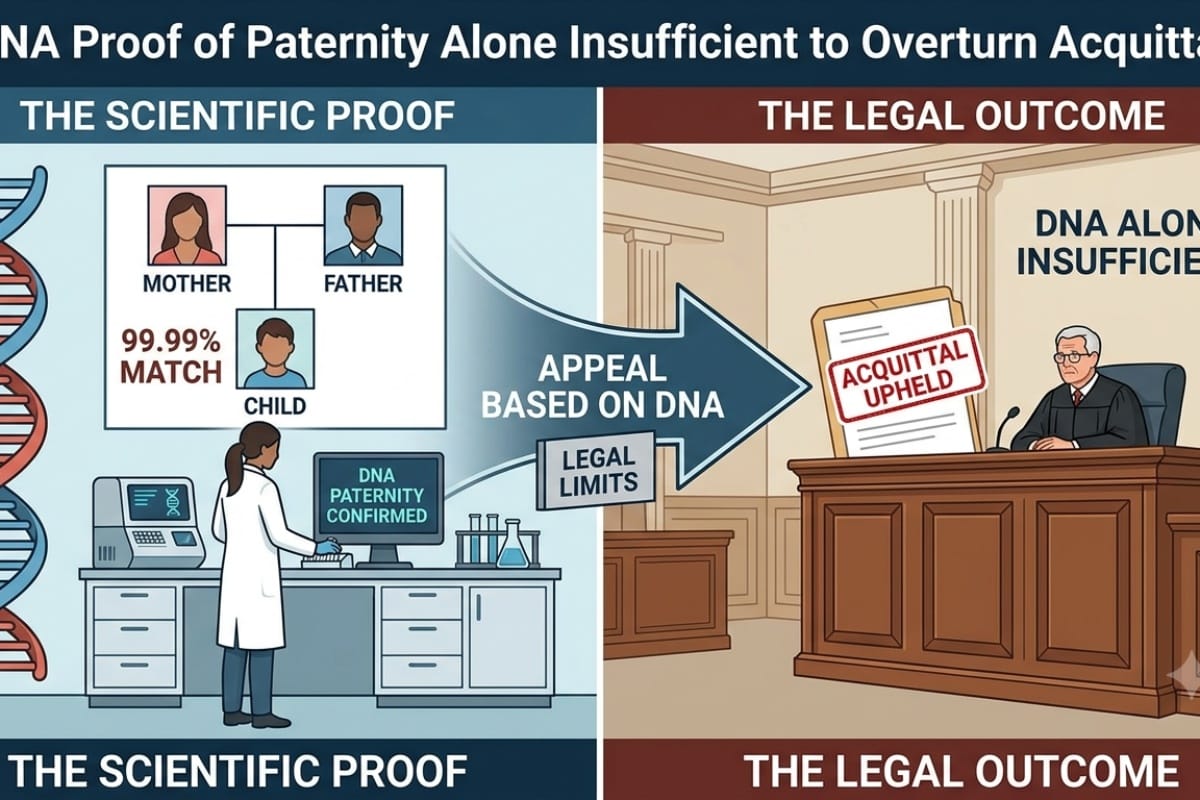
Headnote The Delhi High Court dismissed a prosecutrix's appeal against acquittal of the accused on charges under Sections 328/376 2 n /377/506/509 IPC, despite DNA evidence…
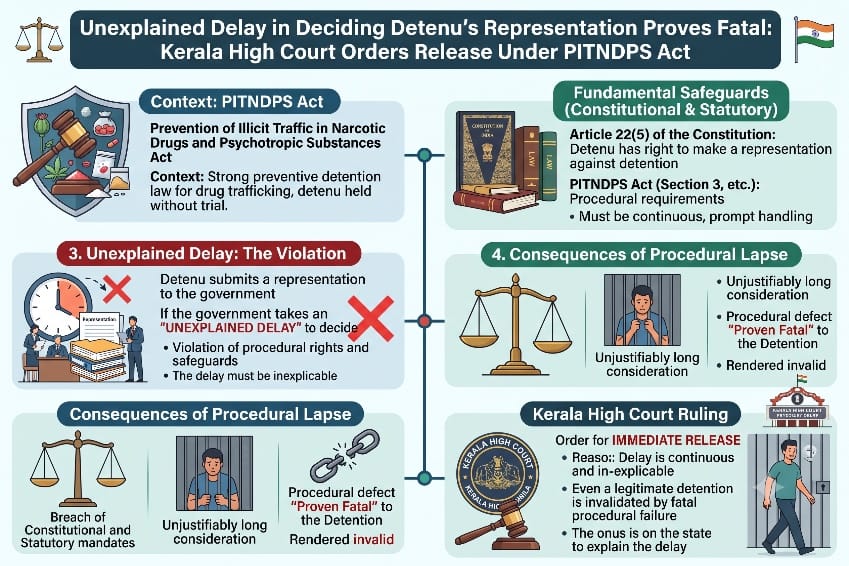
Fathimath Thasneem V.K. v. Union of India and Others | High Court of Kerala at Ernakulam | 3rd September, 2026 A habeas corpus writ petition by the wife of a detenu challenging…

Thasmitha Abukutty v. State of Kerala and Others | High Court of Kerala at Ernakulam | 2nd September, 2026 A writ petition by the wife of a preventive detenu challenging a…
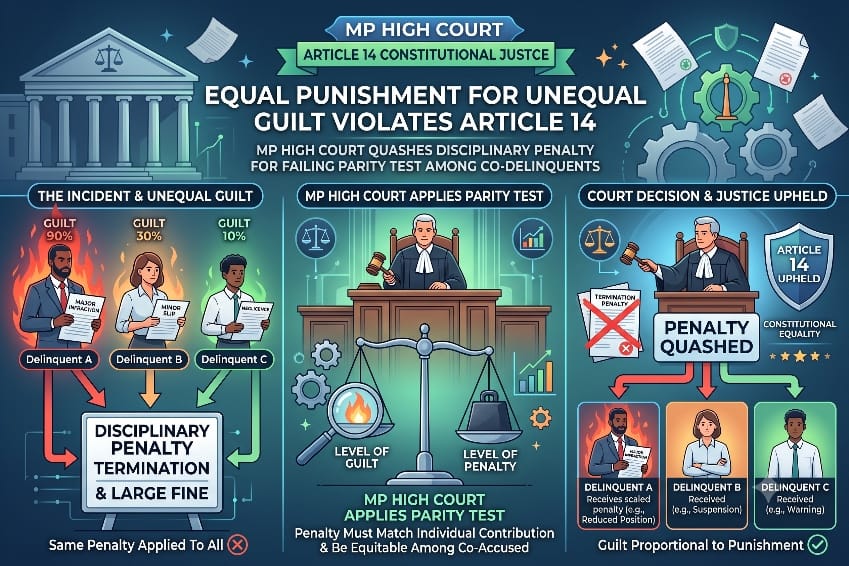
Brahm Kishore Dixit v. The State of Madhya Pradesh and Others | High Court of Madhya Pradesh, Gwalior | 1st September, 2026 A writ petition under Article 226 by a police Assistant…
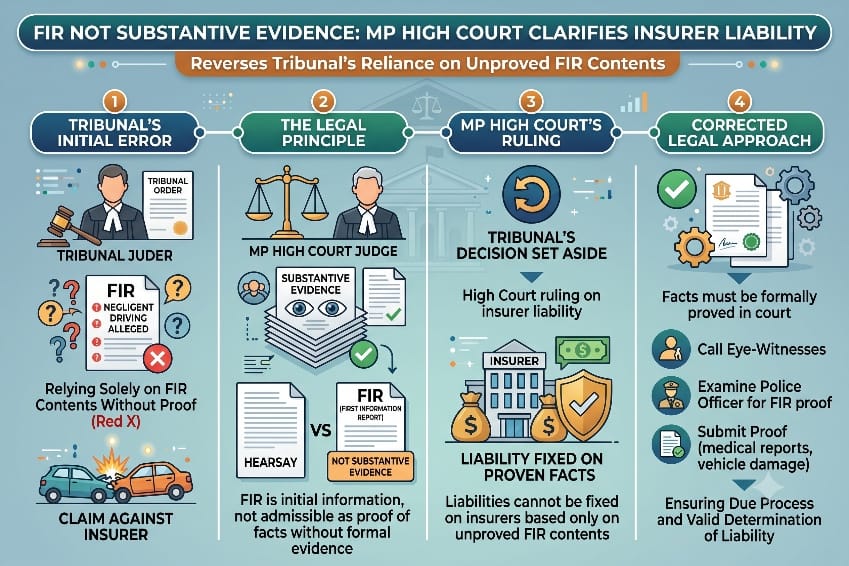
Anil Kumar Patel v. Smt. Munni Bai Barman and Others | High Court of Madhya Pradesh, Jabalpur | 1st September, 2026 A Motor Vehicle Act appeal under Section 173 1 against a Claims…
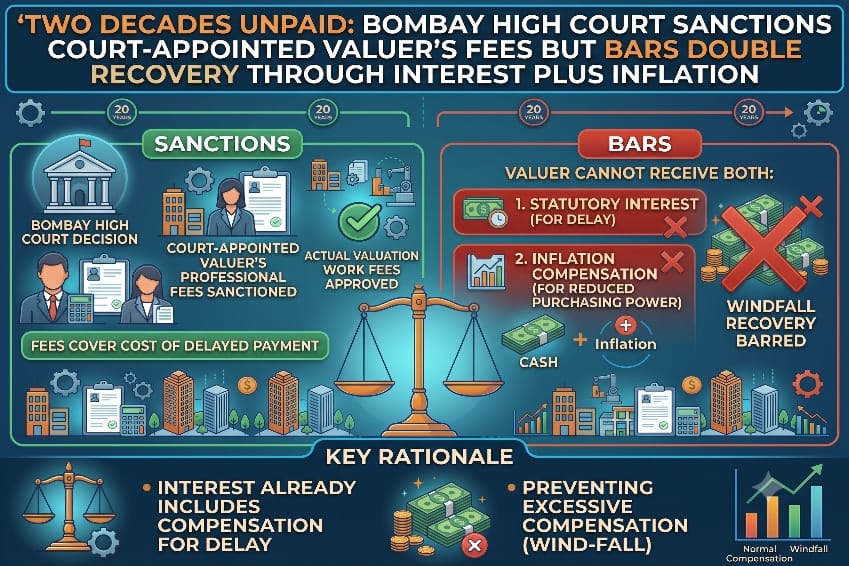
M/s. Kuber Mutual Benefits Ltd. & Ors. v. The State of Maharashtra & Ors. | High Court of Judicature at Bombay Appellate Side | 3rd September, 2026 A Court Receiver's Report…
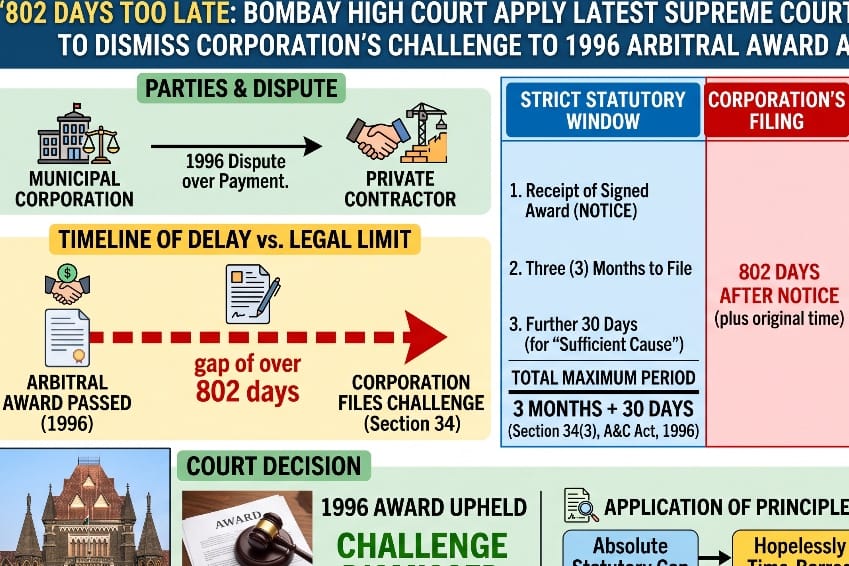
The Municipal Corporation of Greater Bombay v. M/s. Atul Raj Builders Pvt. Ltd. | High Court of Judicature at Bombay Ordinary Original Civil Jurisdiction | 3rd September, 2026 A…
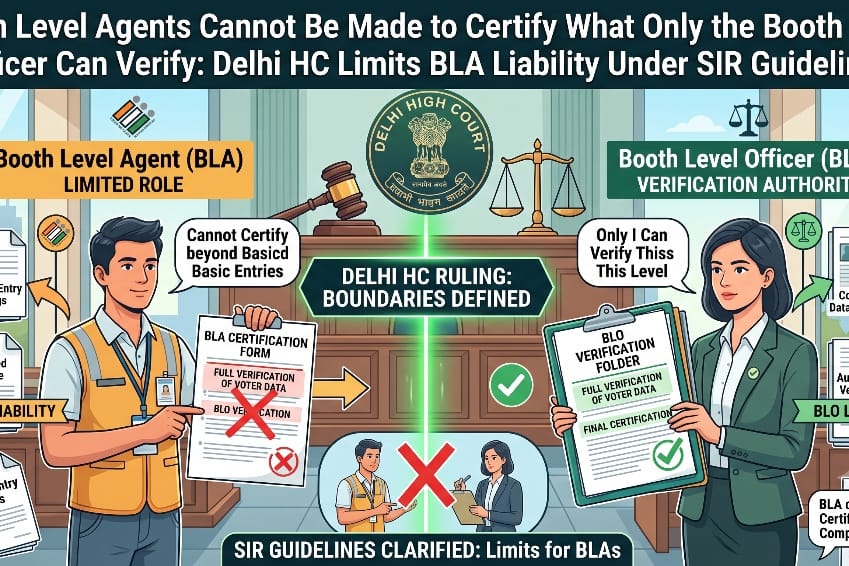
Devender Yadav & Anr. v. Election Commission of India & Anr. | High Court of Delhi Single Judge | Decided on: 03.09.2026 In a challenge to the Election Commission of India's…
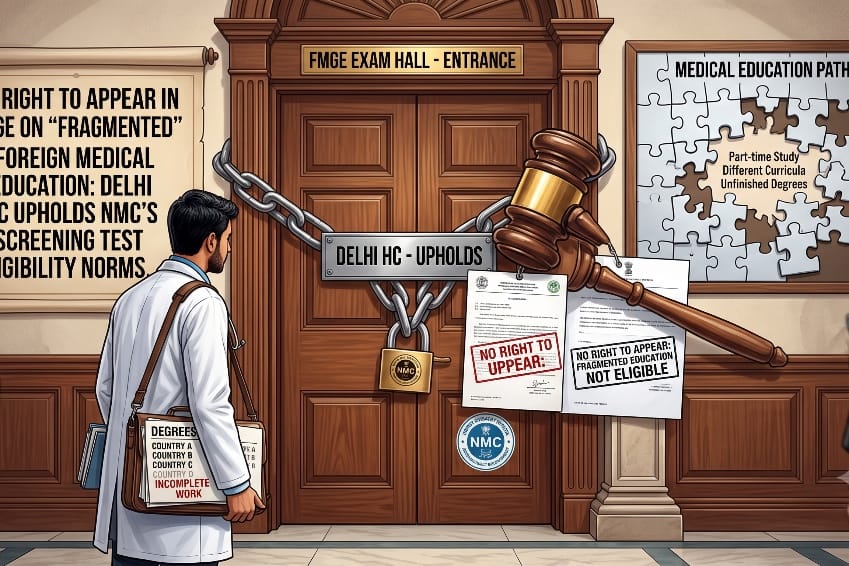
Brij Sharadbhai Bhatt & Ors. v. National Medical Commission & Ors. | High Court of Delhi Division Bench | Decided on: 03.09.2026 The Delhi High Court dismissed a challenge by…