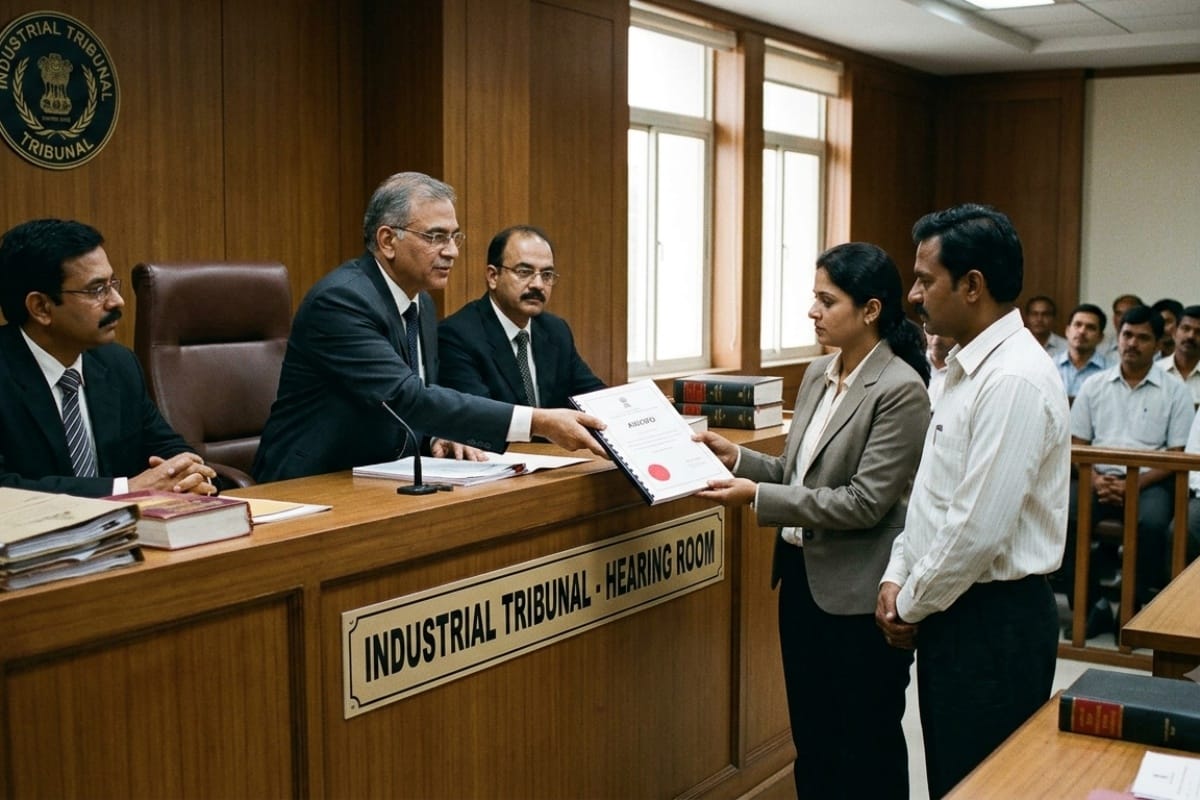
Deciding two connected writ petitions arising from a common Industrial Tribunal Award, the Delhi High Court set aside the Tribunal's direction granting hotel workmen a further…
Labour Laws
06/09/20264 min read
Update / Judgement Date
29 Oct 2025
Source
WCP News Bulletin
Author
Sakshi Bhardwaj — WCP Legal Desk
Reading Time
3 min read
The Supreme Court restored the first appellate court’s decree for specific performance of a contract for sale of immovable property. The Court held that where the purchaser pays the major portion of the consideration and the vendor accepts further additional sum after the stipulated period, such conduct amounts to waiver of the vendor’s right to forfeit and signifies readiness and willingness. The High Court’s interference with the factual findings of the first appellate court was found unjustified under Section 100 CPC.
Background• The appellant (Annamalai) had entered into a registered Agreement for Sale dated 08.01.2010 with the vendors for a property. The consideration was fixed at ₹4,80,000, of which ₹4,70,000 was paid upfront. Subsequently the vendors demanded an additional ₹2,00,000, of which ₹1,95,000 was paid and endorsed on the back of the agreement.
• The vendors later purportedly terminated the contract and sold part of the property to a third party (Vasanthi) by a sale deed dated 17.08.2010.
• In Suit No. 73 of 2010 the appellant claimed specific performance; in Suit No. 32 of 2011 (renumbered 60 of 2012) Vasanthi claimed a declaration and injunction as a bona fide purchaser.
• The Trial Court dismissed the appellant’s suit for specific performance and decreed Vasanthi’s suit. The first appellate court reversed this — granting specific performance to the appellant and dismissing Vasanthi’s suit.
• The High Court then allowed second appeals by the vendors/third-party and set aside that decree, ordering refund of advance money. The appellant appealed to the Supreme Court.
Court’s Observations• The first appellate court’s findings that:
• Section 55, Indian Contract Act, 1872 – acceptance of performance after agreed time.
• Section 10 & Section 14, Specific Relief Act, 1963 – enforceability of specific performance of contracts for immovable property (as applicable before 2018 amendment).
• Section 20, Specific Relief Act, 1963 – discretion as to decreeing specific performance.
• Section 100, Code of Civil Procedure, 1908 – powers of revision in second appeals, ground for interference with findings of fact.
DecisionThe appeal was allowed. The Supreme Court set aside the High Court’s judgment, restored the first appellate court’s decree in favour of the appellant for specific performance, and directed accordingly.
Citation: 2025 INSC 1267
Case: Annamalai v. Vasanthi & Ors.
Court: Supreme Court of India
Coram: Justice Manoj Misra
Date of Decision: 29 October 2025
Civil Appeal (Arising out of SLP (C) Nos. 26848-26849 of 2018)
Deciding two connected writ petitions arising from a common Industrial Tribunal Award, the Delhi High Court set aside the Tribunal's direction granting hotel workmen a further…
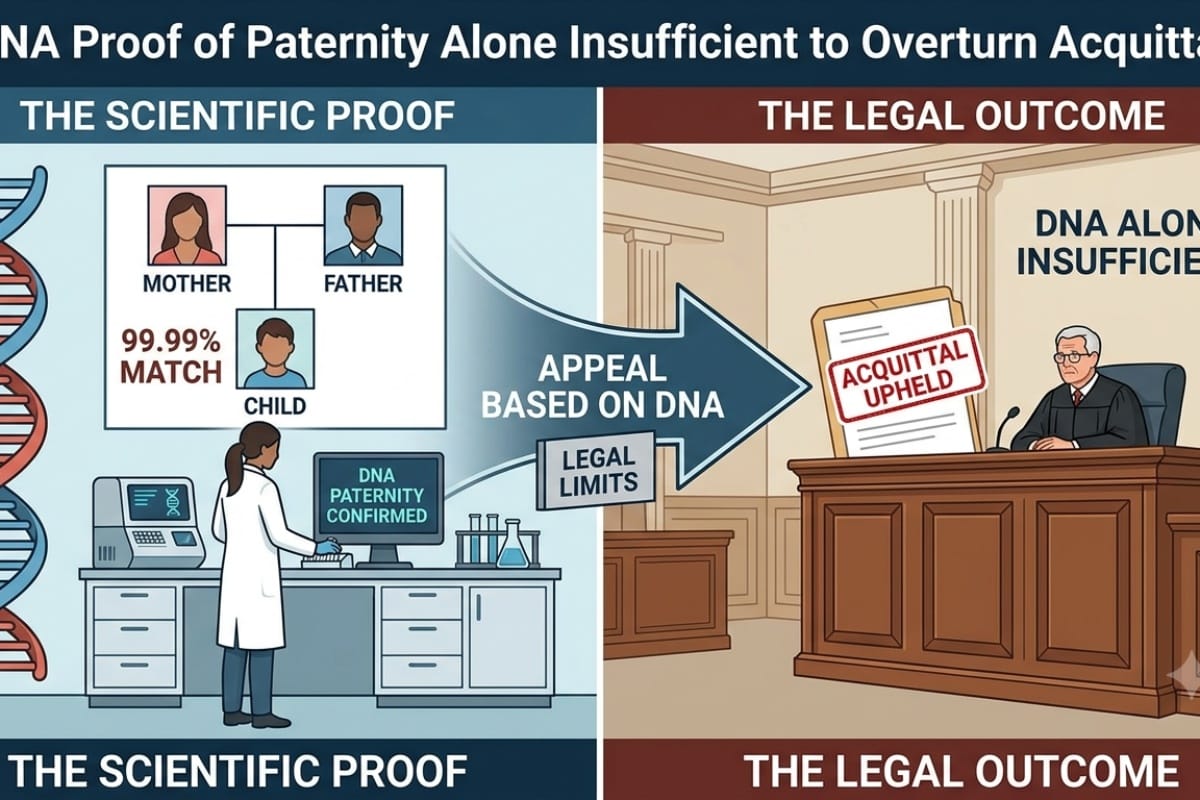
Headnote The Delhi High Court dismissed a prosecutrix's appeal against acquittal of the accused on charges under Sections 328/376 2 n /377/506/509 IPC, despite DNA evidence…
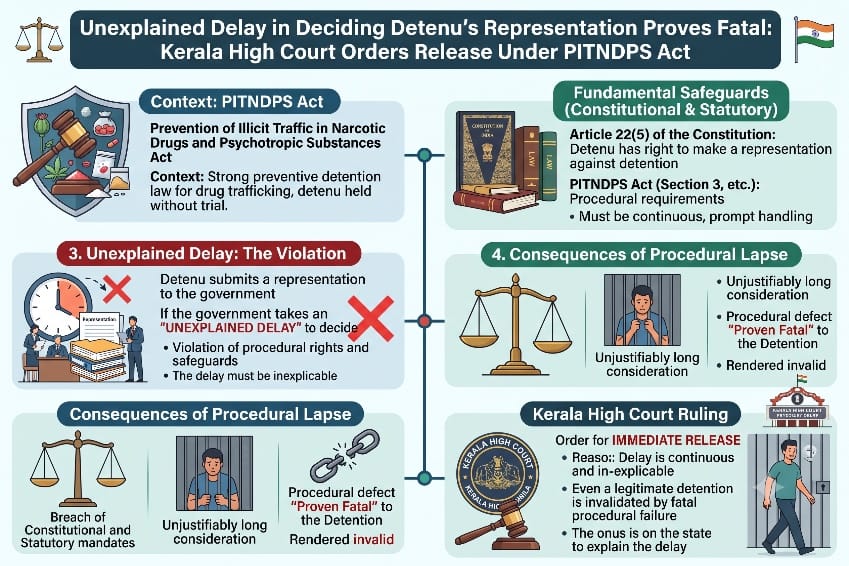
Fathimath Thasneem V.K. v. Union of India and Others | High Court of Kerala at Ernakulam | 3rd September, 2026 A habeas corpus writ petition by the wife of a detenu challenging…
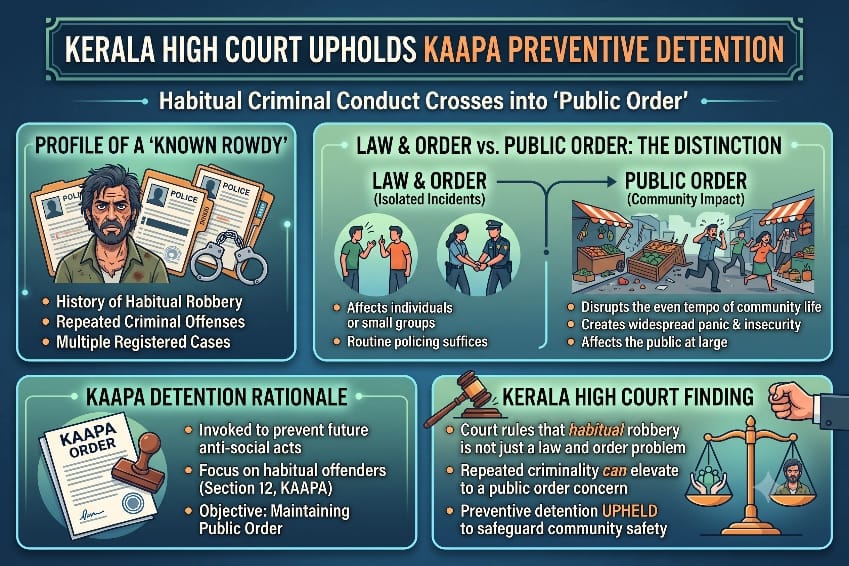
Thasmitha Abukutty v. State of Kerala and Others | High Court of Kerala at Ernakulam | 2nd September, 2026 A writ petition by the wife of a preventive detenu challenging a…
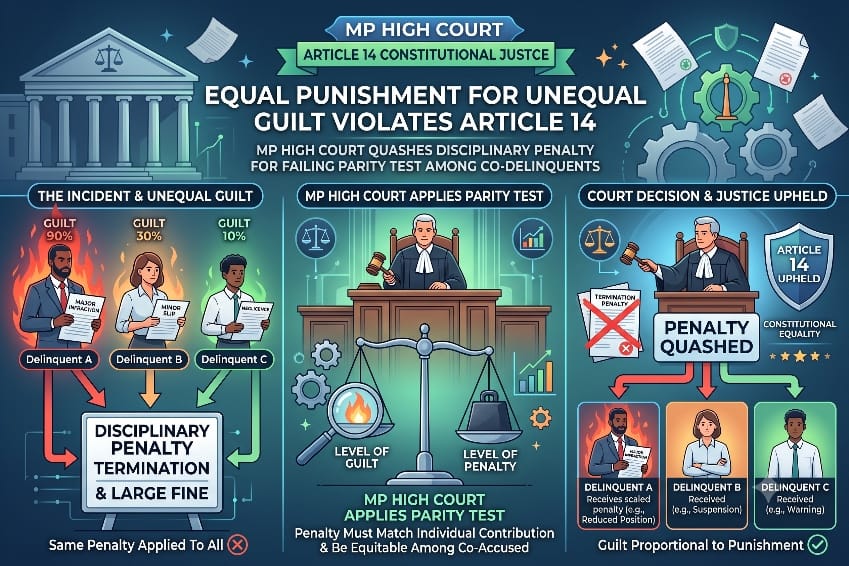
Brahm Kishore Dixit v. The State of Madhya Pradesh and Others | High Court of Madhya Pradesh, Gwalior | 1st September, 2026 A writ petition under Article 226 by a police Assistant…
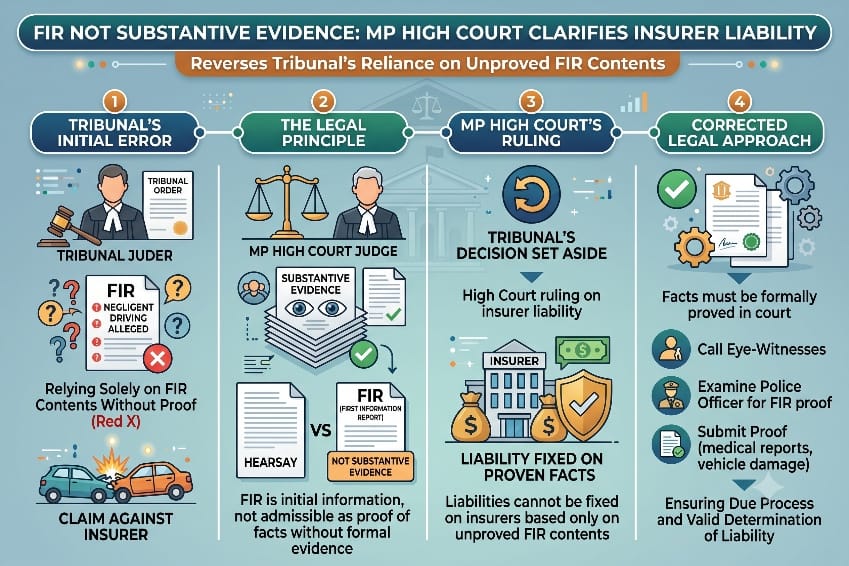
Anil Kumar Patel v. Smt. Munni Bai Barman and Others | High Court of Madhya Pradesh, Jabalpur | 1st September, 2026 A Motor Vehicle Act appeal under Section 173 1 against a Claims…
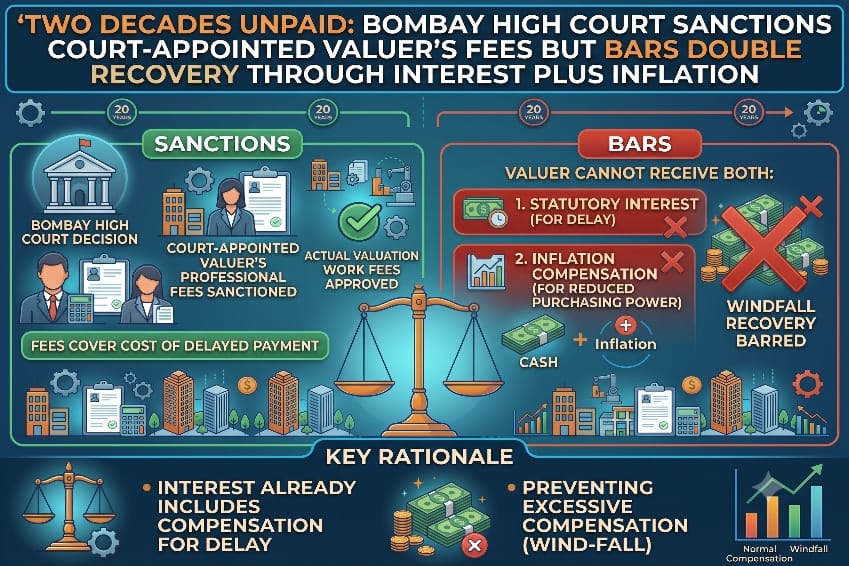
M/s. Kuber Mutual Benefits Ltd. & Ors. v. The State of Maharashtra & Ors. | High Court of Judicature at Bombay Appellate Side | 3rd September, 2026 A Court Receiver's Report…
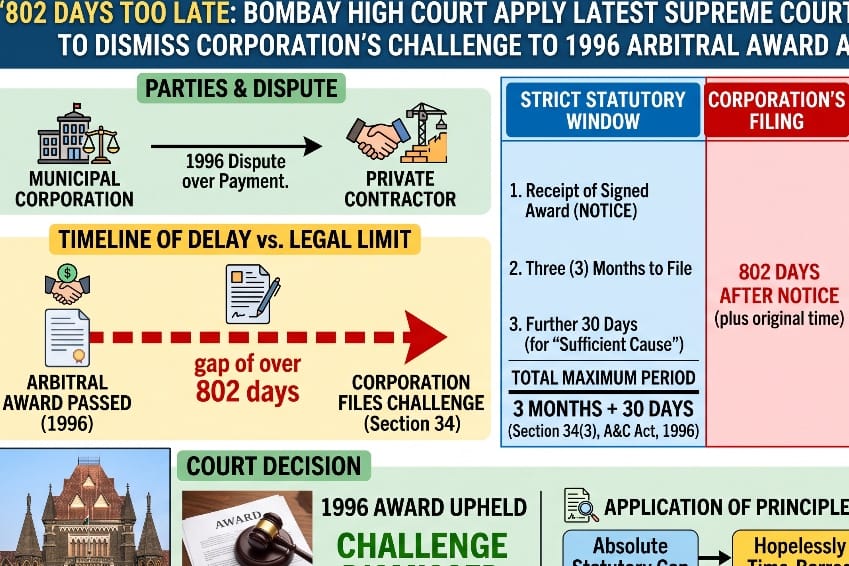
The Municipal Corporation of Greater Bombay v. M/s. Atul Raj Builders Pvt. Ltd. | High Court of Judicature at Bombay Ordinary Original Civil Jurisdiction | 3rd September, 2026 A…
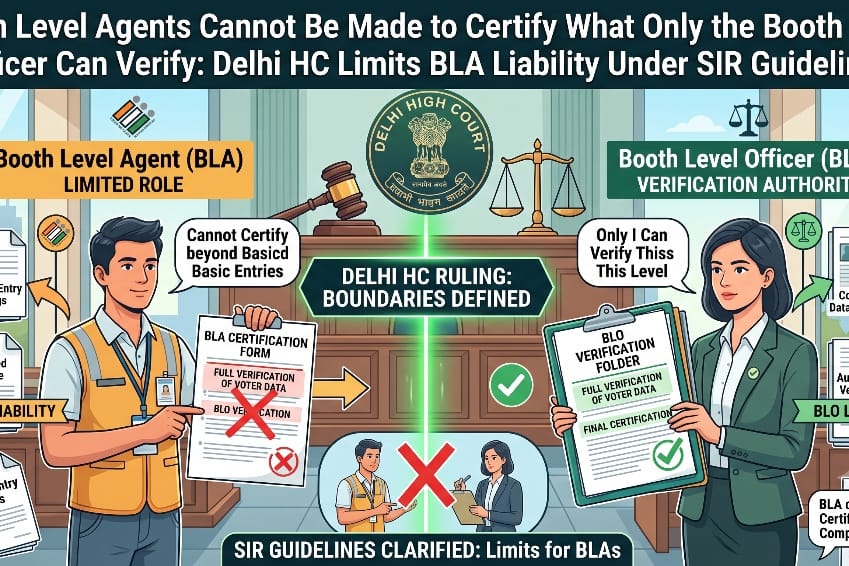
Devender Yadav & Anr. v. Election Commission of India & Anr. | High Court of Delhi Single Judge | Decided on: 03.09.2026 In a challenge to the Election Commission of India's…
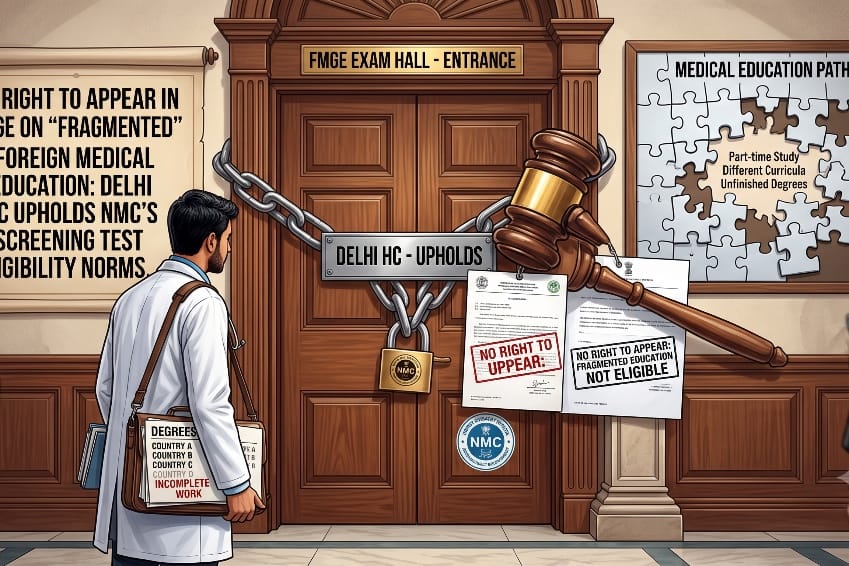
Brij Sharadbhai Bhatt & Ors. v. National Medical Commission & Ors. | High Court of Delhi Division Bench | Decided on: 03.09.2026 The Delhi High Court dismissed a challenge by…