
The Division Bench dismissed the connected writ appeals, while making a limited modification to the Single Judge’s findings concerning the Bar Council of Kerala. In light of…
Civil LawOther Legal Matters
21/11/20265 min read
Update / Judgement Date
27 Oct 2025
Source
WCP News Bulletin
Author
Sakshi Bhardwaj — WCP Legal Desk
Reading Time
4 min read
View Count
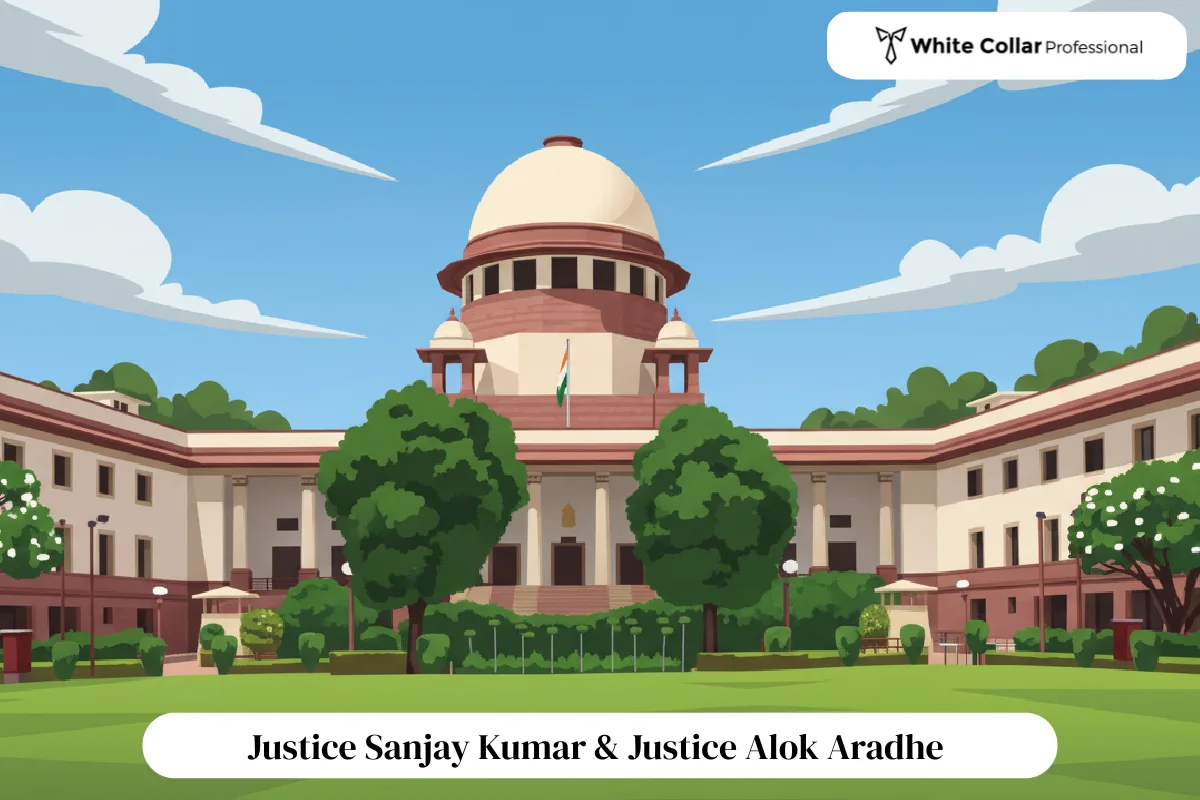
The Supreme Court clarified the interpretation of the expression “contemplates any urgent interim relief” under Section 12A of the Commercial Courts Act, 2015. It held that in cases of continuing infringement of intellectual property rights, urgency is inherent in the nature of the wrong. Therefore, mere delay in filing a suit does not negate urgency when the infringement continues. The Court ruled that Section 12A’s mediation requirement cannot bar an IP owner from seeking urgent relief against ongoing infringement.
The judgments of the Single Judge and Division Bench of the Himachal Pradesh High Court rejecting the plaint for non-compliance with Section 12A were set aside, and the suit was restored for hearing on merits.
Each act of infringement constitutes a continuing wrong and gives rise to a recurring cause of action.
Delay in filing cannot legalize infringement or negate urgency when the violation persists.
Public interest in preventing consumer deception and maintaining market integrity reinforces urgency.
The Court noted that compelling the plaintiff to undergo mediation while infringement continues would leave the rights holder remediless and contradict legislative intent.
The High Court erred in treating delay as fatal without considering the continuing nature of the infringement.
Section 12A Compliance:
Mandatory, except when the plaint and annexed documents show a genuine need for urgent interim relief.
Urgency Assessment:
Courts must look for immediacy of peril, risk of irreparable harm, or ongoing injury from the plaintiff’s perspective.
Delay Irrelevant in Ongoing Infringement:
Continuous intellectual property infringement inherently warrants urgent relief.
No Camouflage Test:
Courts can disregard frivolous or proforma claims of urgency meant to bypass mediation.
Public Interest:
Preventing consumer deception and preserving market confidence adds urgency in IP disputes.
Citation: 2025 INSC 1256
Case: Novenco Building and Industry A/S v. Xero Energy Engineering Solutions Pvt. Ltd. & Anr.
Court: Supreme Court of India
Coram: Justice Sanjay Kumar & Justice Alok Aradhe
Civil Appeal No.: (Out of S.L.P. (C) No. 2753 of 2025)
© 2026 White Collar Professional Technologies Pvt. Ltd. All rights reserved. CIN: U74999MH2024PTC000001
The Division Bench dismissed the connected writ appeals, while making a limited modification to the Single Judge’s findings concerning the Bar Council of Kerala. In light of…

The High Court held that the trial court was not justified in directing the parties to undergo fresh DNA testing when the existing expert report had not been rejected for legally…

The High Court held that a subsequently communicated minimum 20% local-content requirement, including an indigenously developed EMS software condition, could not be…
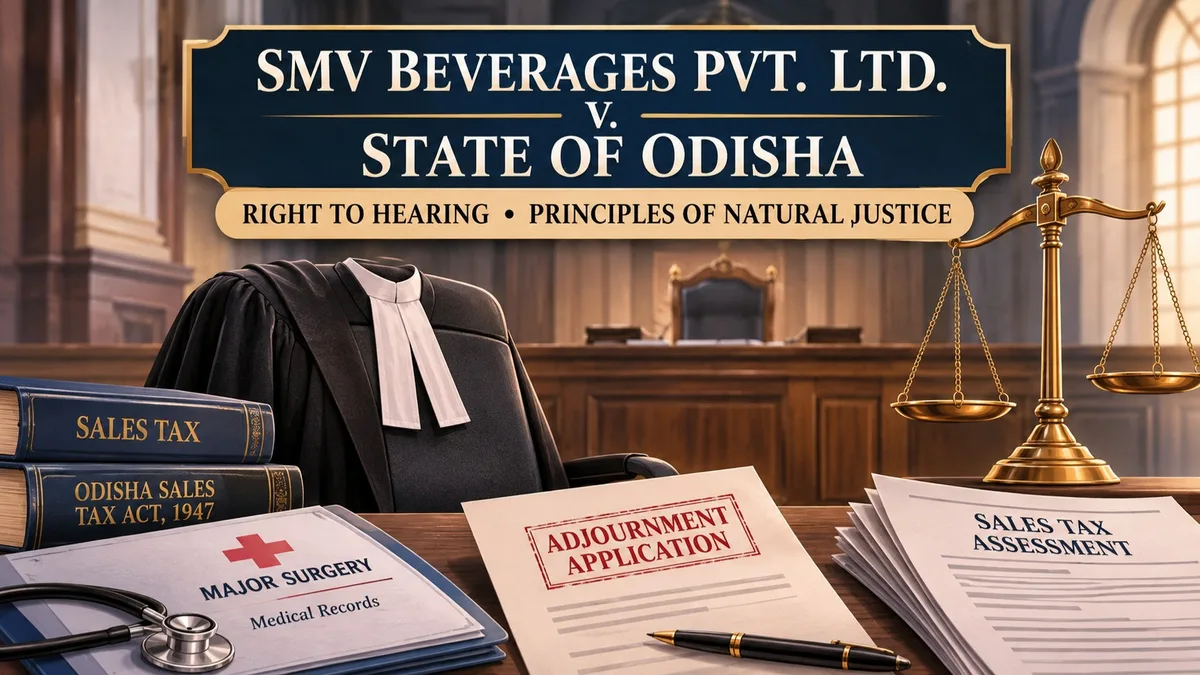
The Division Bench held that the petitioner had been deprived of a reasonable opportunity to present its case before the Commissioner of Sales Tax. An adjournment request must be…

The High Court exercised its inherent jurisdiction to quash a POCSO FIR and the pending trial after obtaining independent reports verifying the parties’ marriage, family…

The Division Bench held that the writ court had exceeded the proper scope of the dispute between the supplier and KSBCL by deciding, in effect, the Revenue’s separate tax…

The High Court considered the petitioners’ request for regular bail in an Enforcement Directorate prosecution alleging money laundering under the Prevention of Money Laundering…

The High Court upheld the appellant’s conviction under Section 18 c of the NDPS Act for possession of opium but reduced the sentence of seven years’ rigorous imprisonment to the…

The High Court dismissed the State’s appeal against acquittal, holding that the trial court’s view was a reasonably possible view on the evidence and that material inconsistencies…
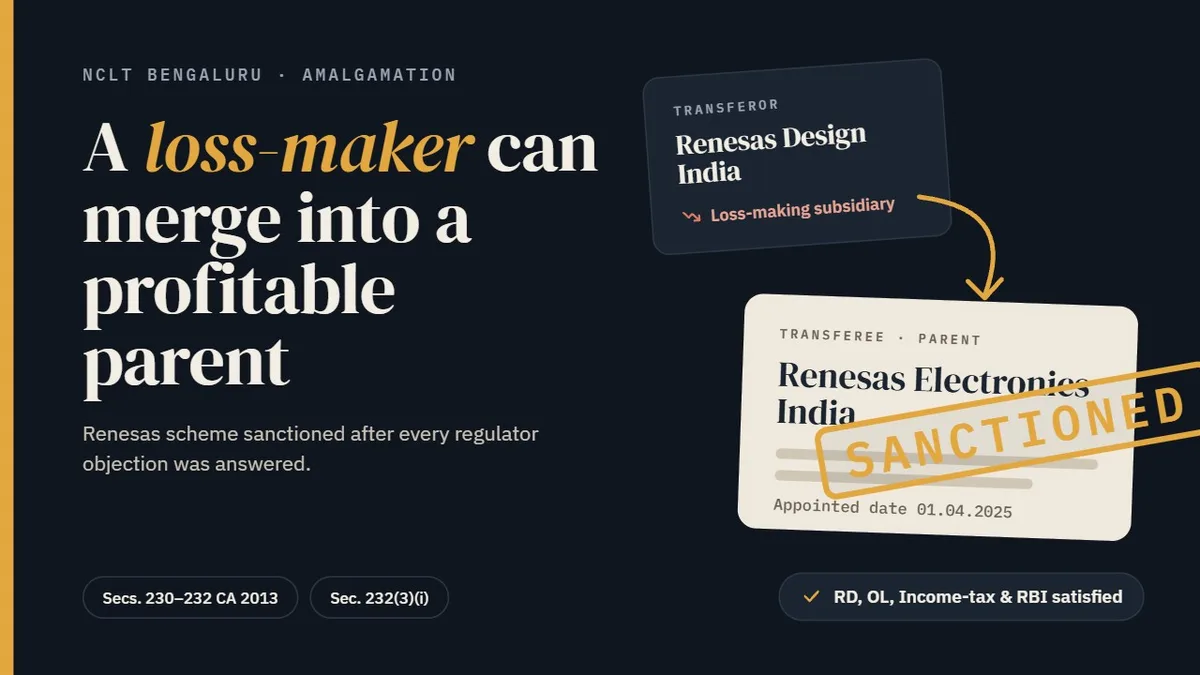
Renesas Design India Pvt. Ltd., a loss-making wholly owned subsidiary engaged in semiconductor design, and its parent Renesas Electronics India Pvt. Ltd. sought sanction of a…