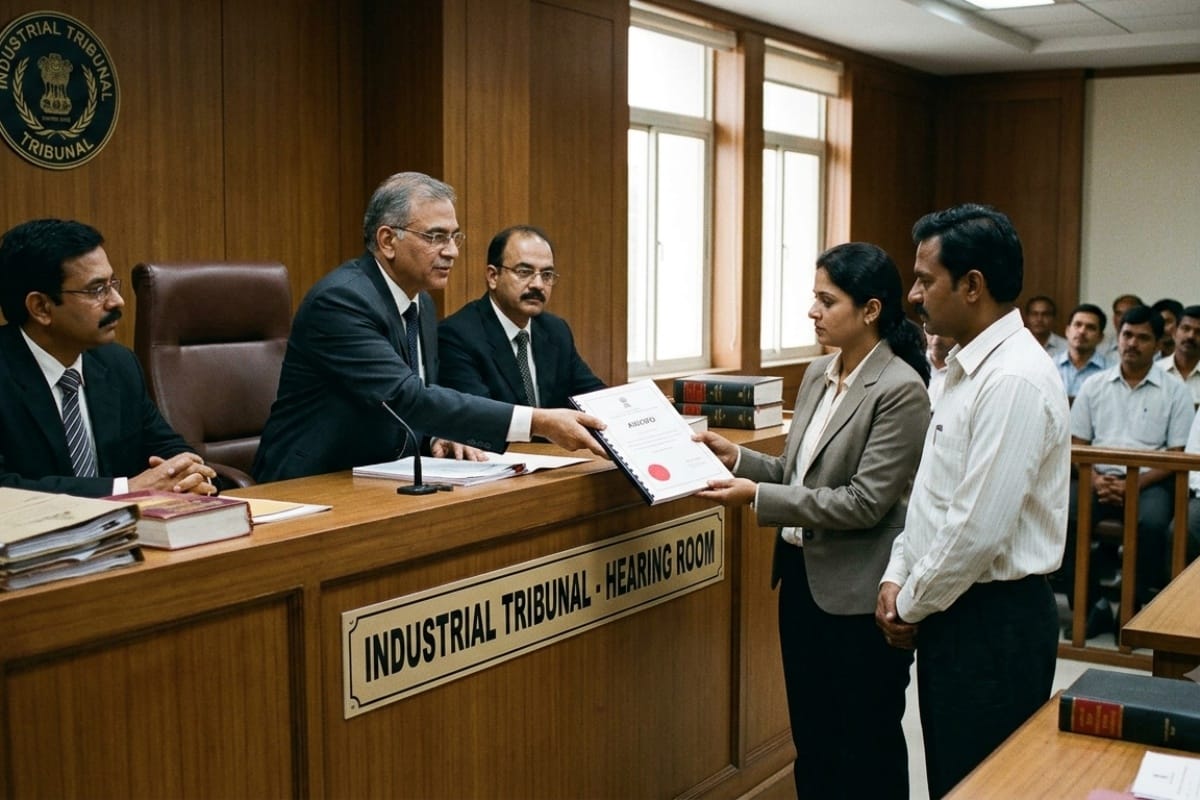
Deciding two connected writ petitions arising from a common Industrial Tribunal Award, the Delhi High Court set aside the Tribunal's direction granting hotel workmen a further…
Labour Laws
06/09/20264 min read
Update / Judgement Date
16 Oct 2025
Source
WCP News Bulletin
Author
Sakshi Bhardwaj — WCP Legal Desk
Reading Time
3 min read

The Supreme Court quashed criminal proceedings pending before the Chief Judicial Magistrate, Latur, under the Prevention of Food Adulteration Act, 1954 (PFA Act), on the ground that the accused were denied their statutory right under Section 13(2) to seek re-analysis of the food sample by the Central Food Laboratory. The Court held that non-supply of the Public Analyst’s report before expiry of the product’s shelf life constituted a fatal procedural defect that vitiated the prosecution. Further, given that the incident dated back to 2004, continuation of proceedings would amount to abuse of process of law. Exercising powers under Article 142 of the Constitution, the Court quashed RCC No. 339 of 2009 and all consequential proceedings.
• The appellants were prosecuted for alleged adulteration of “Table Margarine” seized in April 2004 under the PFA Act, 1954.
• The sample had a shelf life of six months, expiring in October 2004. However, the Local Health Authority failed to furnish a copy of the Public Analyst’s report to the appellants within the statutory timeframe.
• The complaint was filed only in May 2007, nearly three years later, and the accused appeared before the trial court in 2009–2010.
• The appellants filed a petition under Section 482 CrPC before the Bombay High Court (Aurangabad Bench) seeking quashing of proceedings in RCC No. 339 of 2009, which was dismissed by the High Court.
• On appeal, the Supreme Court examined whether failure to comply with Section 13(2) of the PFA Act rendered the prosecution invalid.
• The Court referred to Section 13(2) of the PFA Act, which mandates that after receipt of the analyst’s report, a copy must be forwarded to the accused, who may apply within ten days to have the sample analyzed by the Central Food Laboratory.
• The record clearly showed that the report was not shared before the expiry of the product’s shelf life, thereby depriving the accused of their statutory right to re-analysis.
• This amounted to non-compliance with a mandatory provision, rendering the proceedings incurably defective.
• The Court further held that the alleged offence, having occurred in 2004, was too stale to justify continuation of prosecution in 2025.
• It observed that allowing such prosecution to continue would amount to an abuse of the process of law.
• Invoking Article 142 of the Constitution, the Court quashed RCC No. 339 of 2009 and all connected proceedings.
• Section 13(1) & (2), Prevention of Food Adulteration Act, 1954 (PFA Act) – Right of accused to obtain a copy of the analyst’s report and seek re-analysis by the Central Food Laboratory.
• Section 482, Code of Criminal Procedure, 1973 (CrPC) – Inherent powers of the High Court to prevent abuse of process.
• Article 142, Constitution of India – Power of the Supreme Court to pass orders for complete justice.
Citation: 2025:SC:81245
Case: Anil Aggarwal & Ors. v. State of Maharashtra
Court: Supreme Court of India
Coram: Justice Dipankar Datta & Justice Augustine George Masih
Criminal Appeal Nos.: [Arising out of SLP (Crl.) Nos. 2339 & 4279 of 2025}
Deciding two connected writ petitions arising from a common Industrial Tribunal Award, the Delhi High Court set aside the Tribunal's direction granting hotel workmen a further…
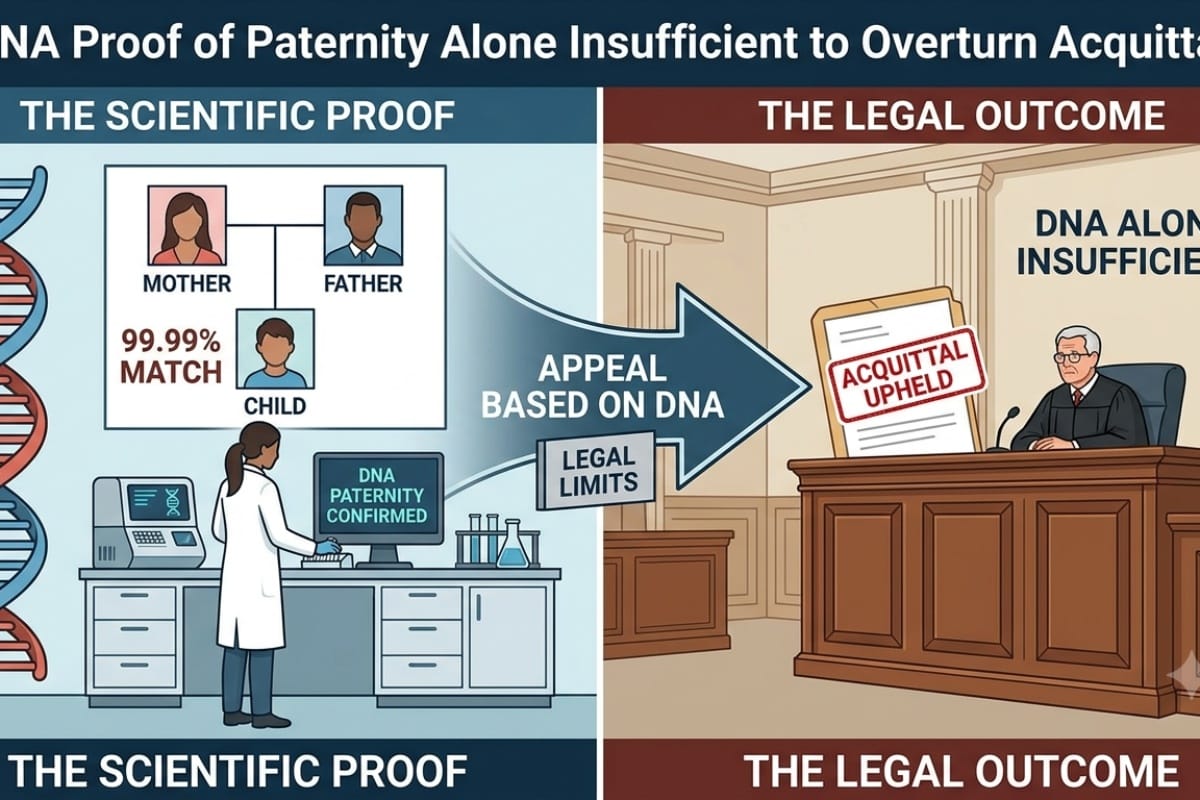
Headnote The Delhi High Court dismissed a prosecutrix's appeal against acquittal of the accused on charges under Sections 328/376 2 n /377/506/509 IPC, despite DNA evidence…
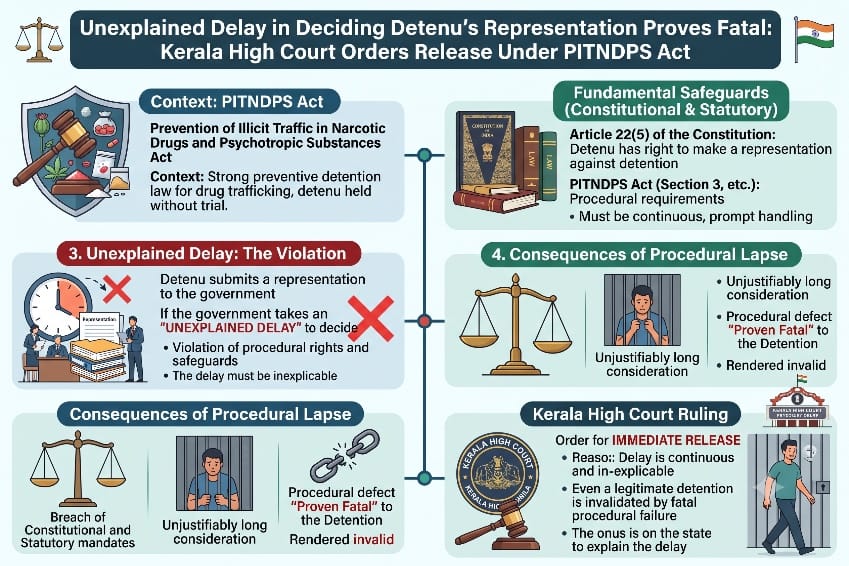
Fathimath Thasneem V.K. v. Union of India and Others | High Court of Kerala at Ernakulam | 3rd September, 2026 A habeas corpus writ petition by the wife of a detenu challenging…
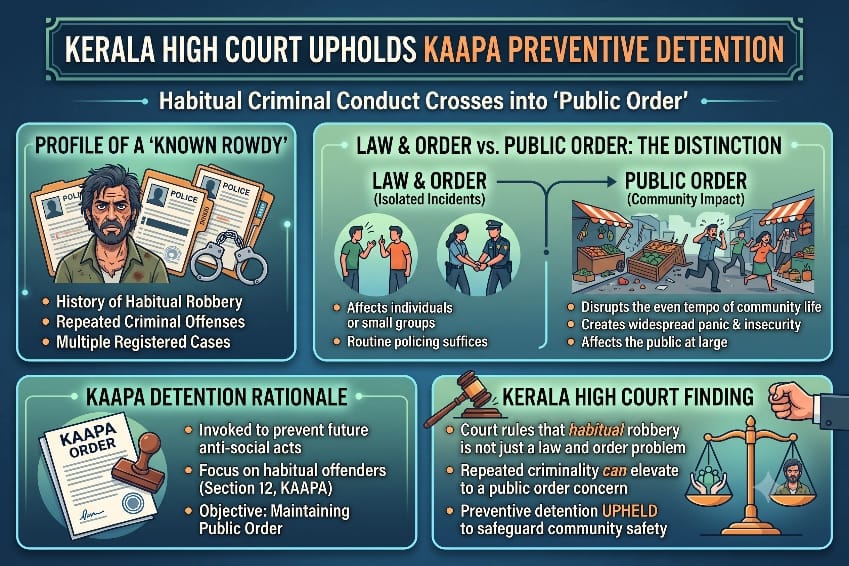
Thasmitha Abukutty v. State of Kerala and Others | High Court of Kerala at Ernakulam | 2nd September, 2026 A writ petition by the wife of a preventive detenu challenging a…
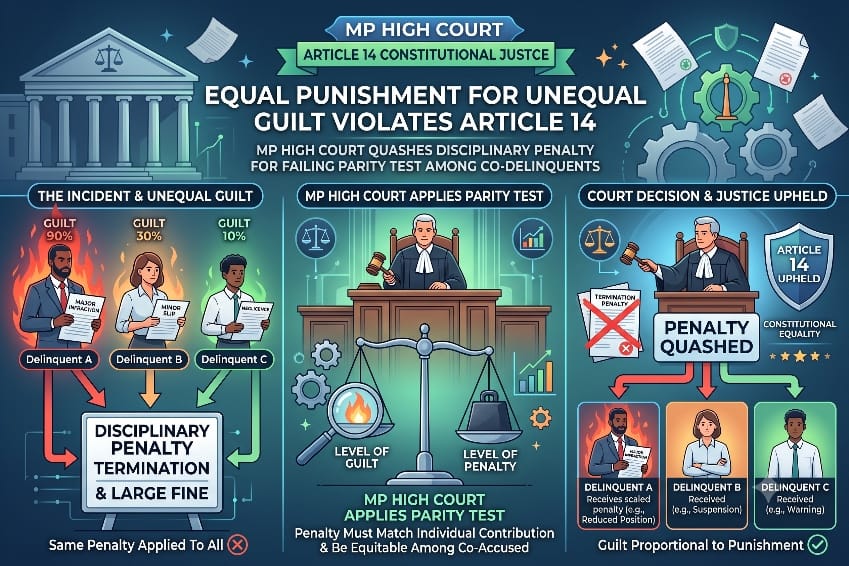
Brahm Kishore Dixit v. The State of Madhya Pradesh and Others | High Court of Madhya Pradesh, Gwalior | 1st September, 2026 A writ petition under Article 226 by a police Assistant…
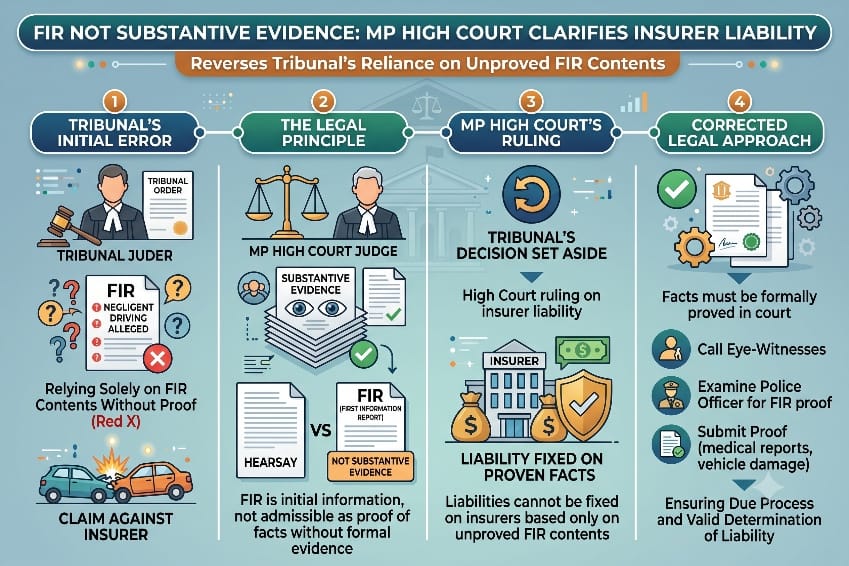
Anil Kumar Patel v. Smt. Munni Bai Barman and Others | High Court of Madhya Pradesh, Jabalpur | 1st September, 2026 A Motor Vehicle Act appeal under Section 173 1 against a Claims…
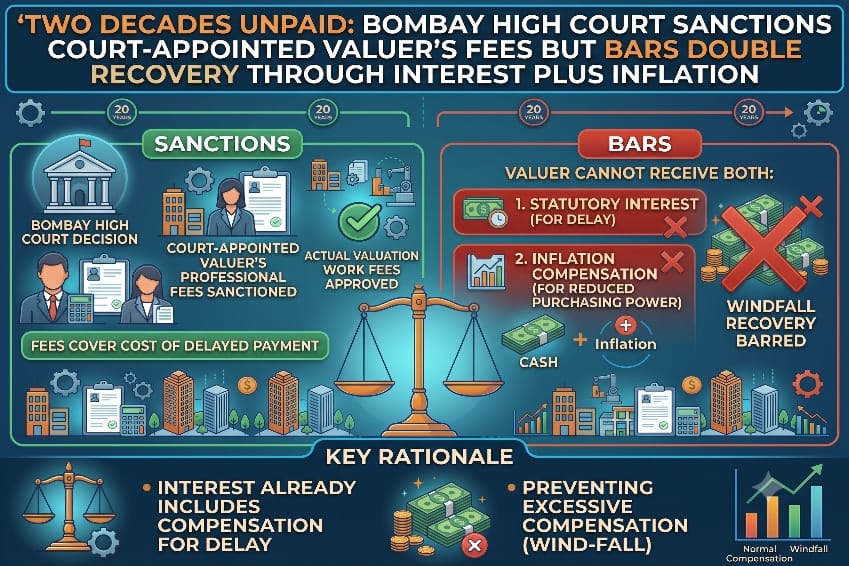
M/s. Kuber Mutual Benefits Ltd. & Ors. v. The State of Maharashtra & Ors. | High Court of Judicature at Bombay Appellate Side | 3rd September, 2026 A Court Receiver's Report…
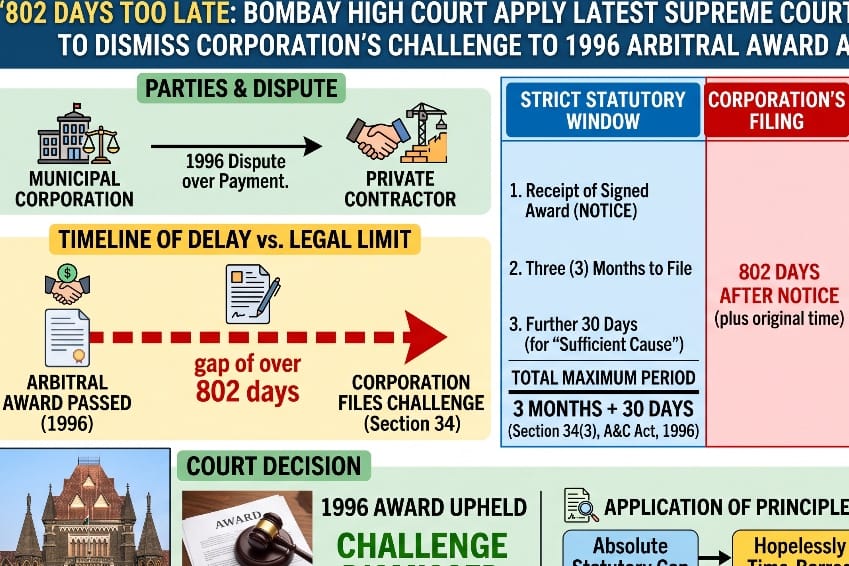
The Municipal Corporation of Greater Bombay v. M/s. Atul Raj Builders Pvt. Ltd. | High Court of Judicature at Bombay Ordinary Original Civil Jurisdiction | 3rd September, 2026 A…

Devender Yadav & Anr. v. Election Commission of India & Anr. | High Court of Delhi Single Judge | Decided on: 03.09.2026 In a challenge to the Election Commission of India's…
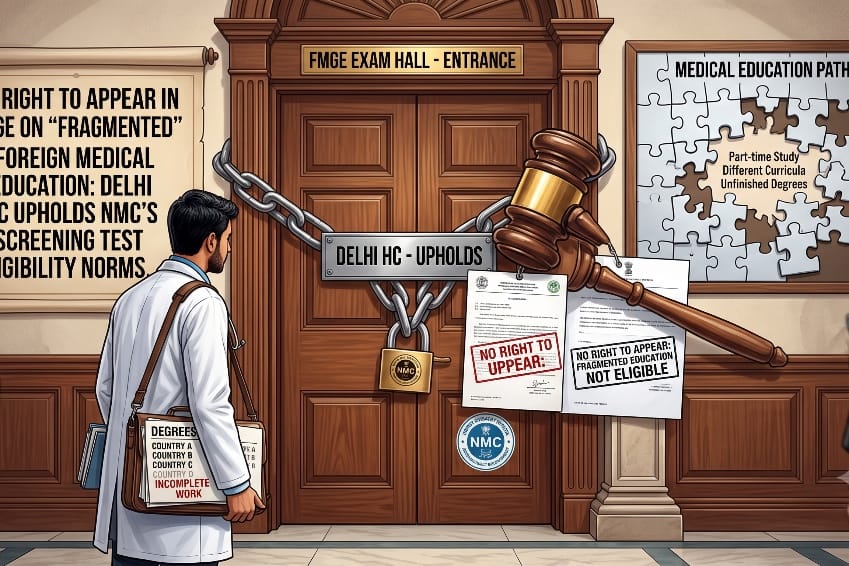
Brij Sharadbhai Bhatt & Ors. v. National Medical Commission & Ors. | High Court of Delhi Division Bench | Decided on: 03.09.2026 The Delhi High Court dismissed a challenge by…