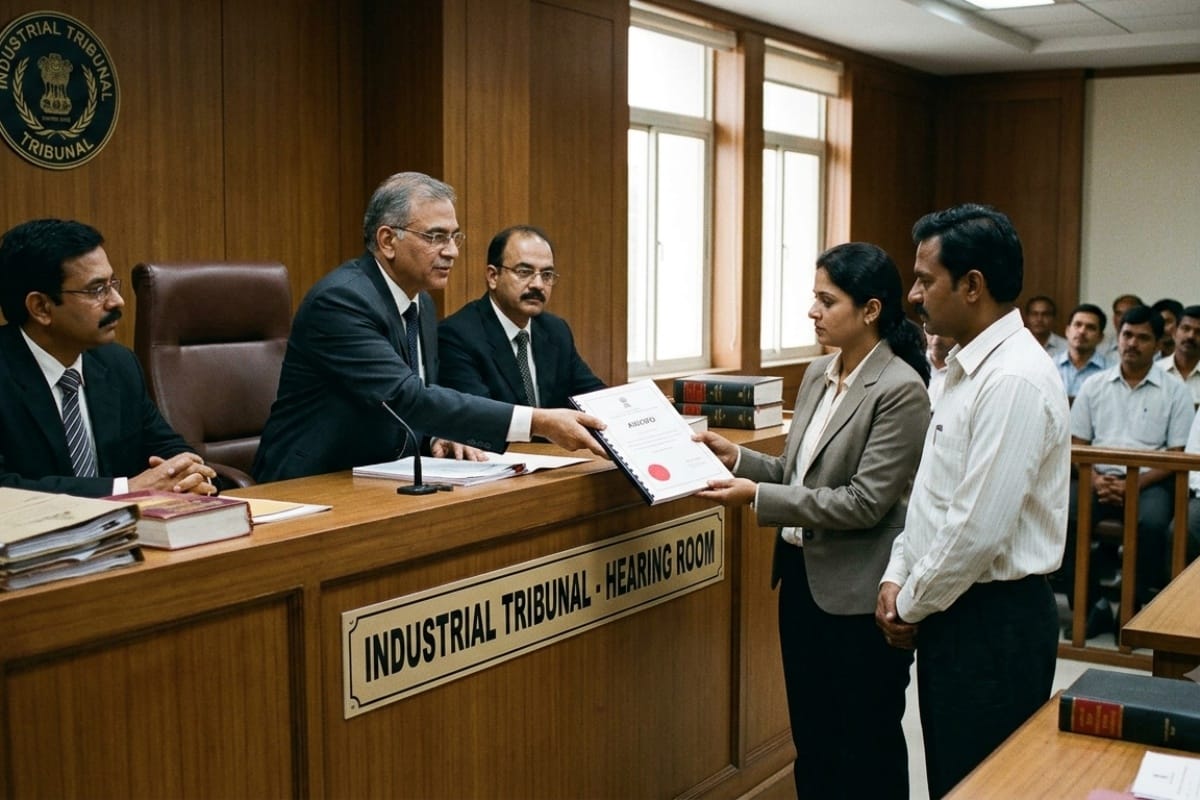
Deciding two connected writ petitions arising from a common Industrial Tribunal Award, the Delhi High Court set aside the Tribunal's direction granting hotel workmen a further…
Labour Laws
06/09/20264 min read
In M. Rajendran & Ors. v. M/s KPK Oils & Proteins India Pvt. Ltd. & Ors., a bench of Justices J.B. Pardiwala and R. Mahadevan set out guidelines for when legislative amendments can operate retrospectively. The case involved the 2016 amendment to Section 13(8) of the SARFAESI Act: whether it applies to pre-amendment loans if the default occurs after the amendment’s commencement. The Court held yes, the amendment applies to such cases, since defaults after the amendment date invoke its provisions even if the loan was contracted before. The Court listed principles: (i) presumptions against retrospectivity do not apply to procedural or declaratory enactments; (ii) retrospective operation may be implied from context; (iii) a provision may apply to causes of action arising after enactment even if underlying claims are older; (iv) remedial statutes may apply to ongoing proceedings without being retrospective per se; (v) the SARFAESI Act is remedial, intended to address existing loan defaults and enable expeditious recovery. The decision clarifies that retrospective effect depends on legislative intent, subject-matter, and nature of change (substantive vs procedural).
Deciding two connected writ petitions arising from a common Industrial Tribunal Award, the Delhi High Court set aside the Tribunal's direction granting hotel workmen a further…

Headnote The Delhi High Court dismissed a prosecutrix's appeal against acquittal of the accused on charges under Sections 328/376 2 n /377/506/509 IPC, despite DNA evidence…
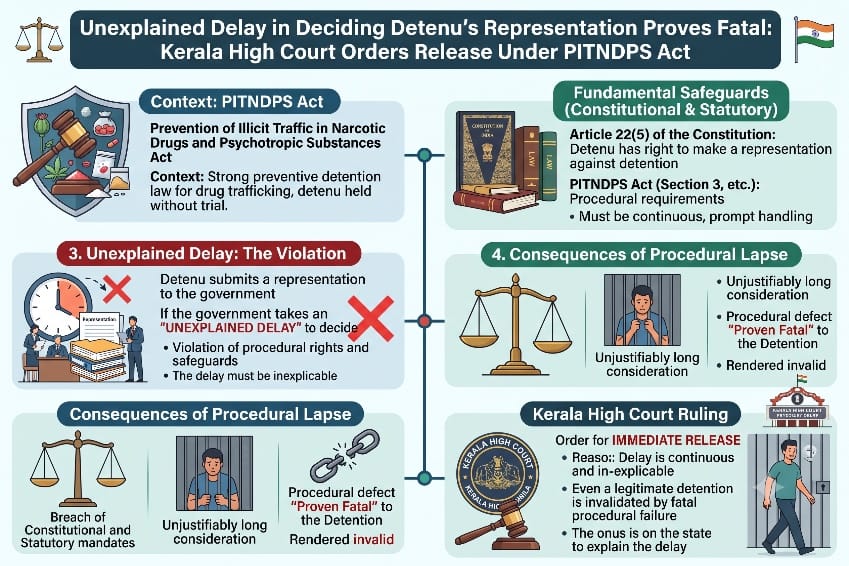
Fathimath Thasneem V.K. v. Union of India and Others | High Court of Kerala at Ernakulam | 3rd September, 2026 A habeas corpus writ petition by the wife of a detenu challenging…
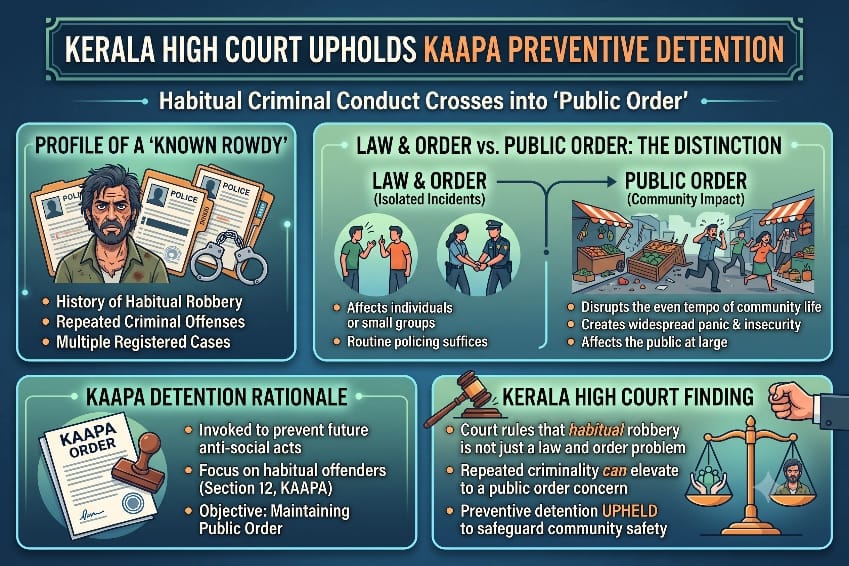
Thasmitha Abukutty v. State of Kerala and Others | High Court of Kerala at Ernakulam | 2nd September, 2026 A writ petition by the wife of a preventive detenu challenging a…
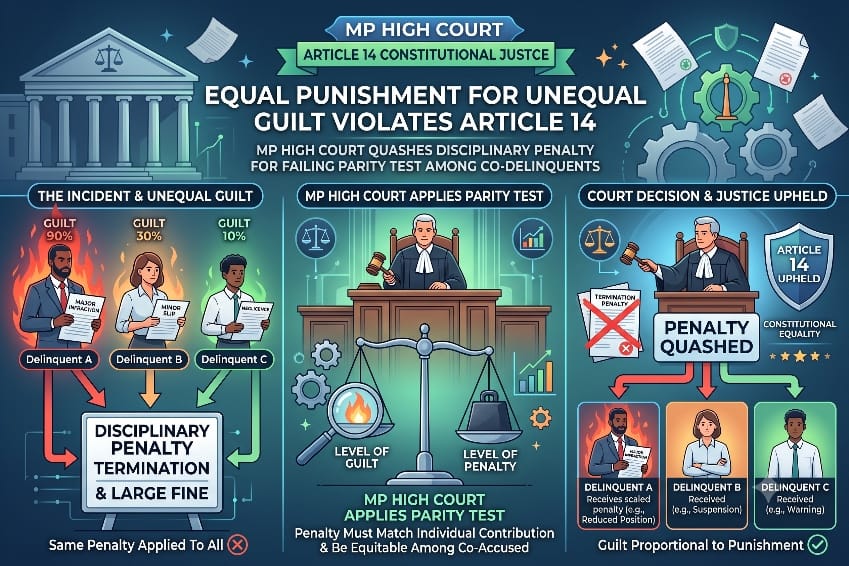
Brahm Kishore Dixit v. The State of Madhya Pradesh and Others | High Court of Madhya Pradesh, Gwalior | 1st September, 2026 A writ petition under Article 226 by a police Assistant…
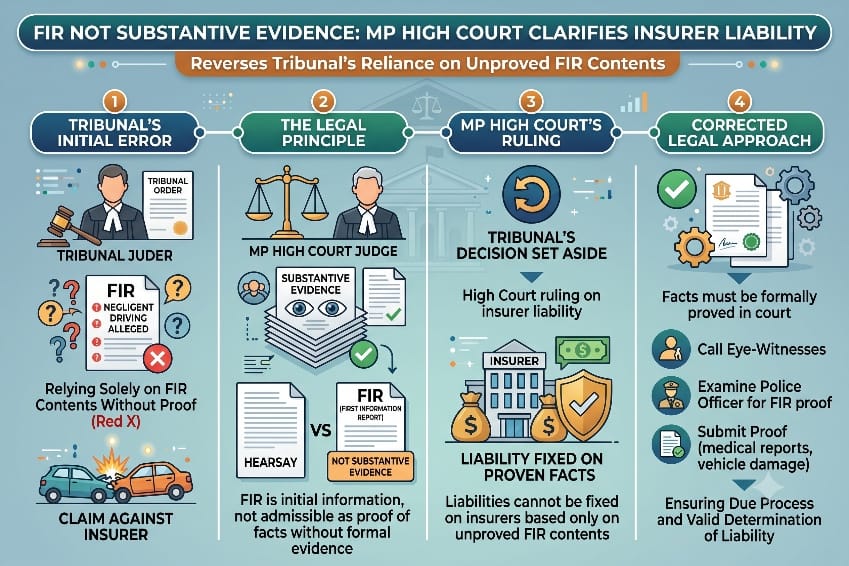
Anil Kumar Patel v. Smt. Munni Bai Barman and Others | High Court of Madhya Pradesh, Jabalpur | 1st September, 2026 A Motor Vehicle Act appeal under Section 173 1 against a Claims…
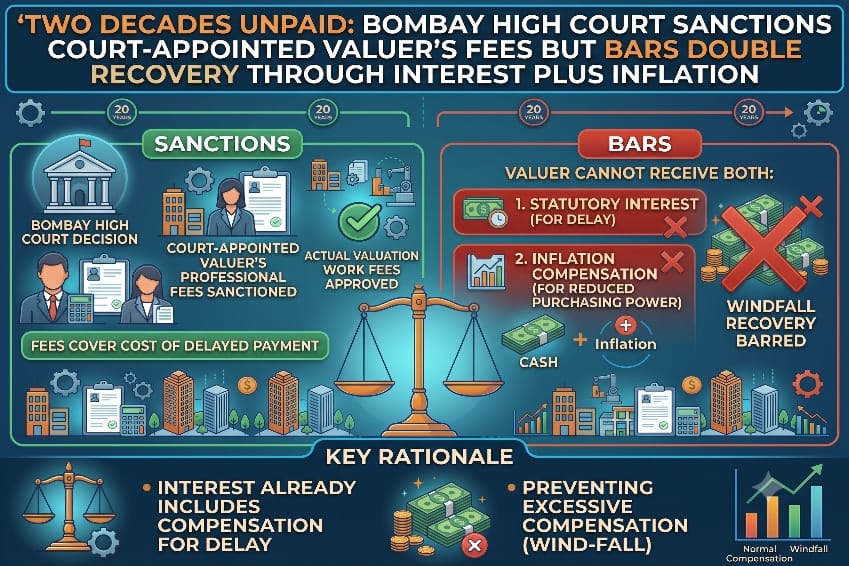
M/s. Kuber Mutual Benefits Ltd. & Ors. v. The State of Maharashtra & Ors. | High Court of Judicature at Bombay Appellate Side | 3rd September, 2026 A Court Receiver's Report…
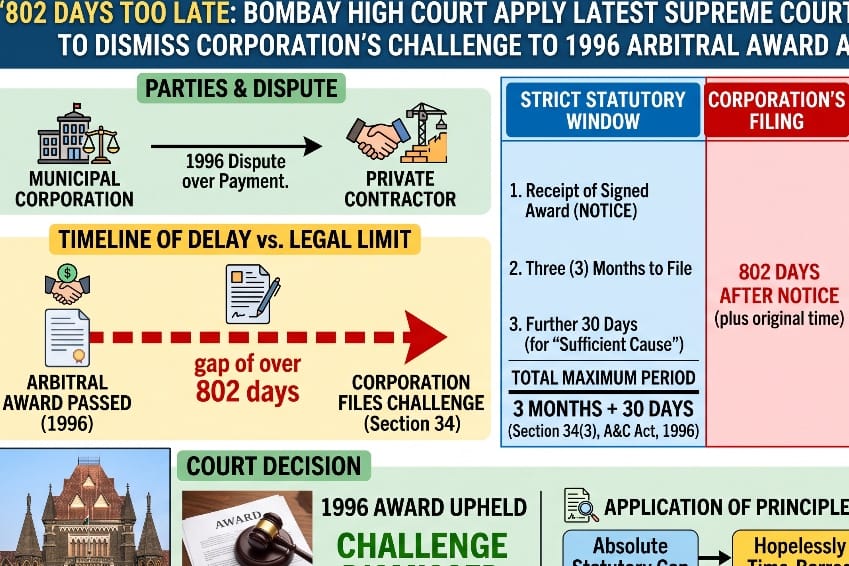
The Municipal Corporation of Greater Bombay v. M/s. Atul Raj Builders Pvt. Ltd. | High Court of Judicature at Bombay Ordinary Original Civil Jurisdiction | 3rd September, 2026 A…

Devender Yadav & Anr. v. Election Commission of India & Anr. | High Court of Delhi Single Judge | Decided on: 03.09.2026 In a challenge to the Election Commission of India's…
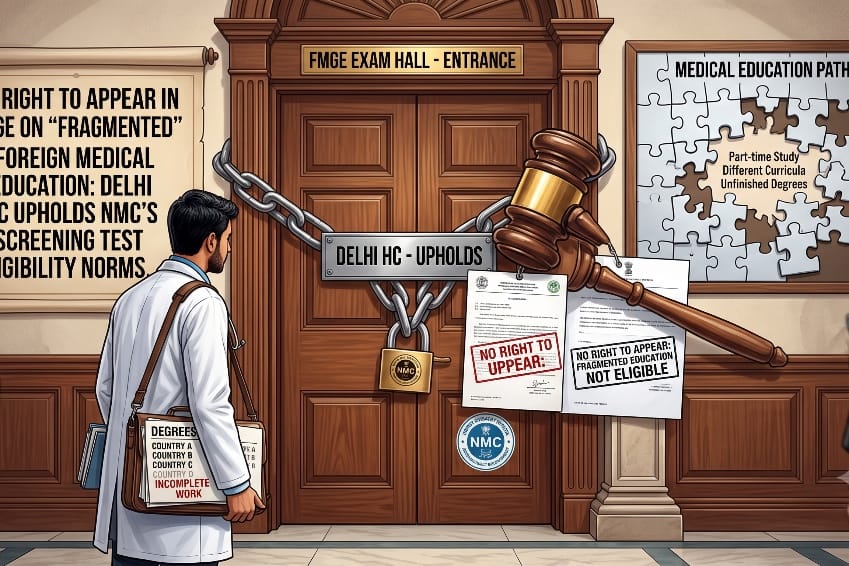
Brij Sharadbhai Bhatt & Ors. v. National Medical Commission & Ors. | High Court of Delhi Division Bench | Decided on: 03.09.2026 The Delhi High Court dismissed a challenge by…