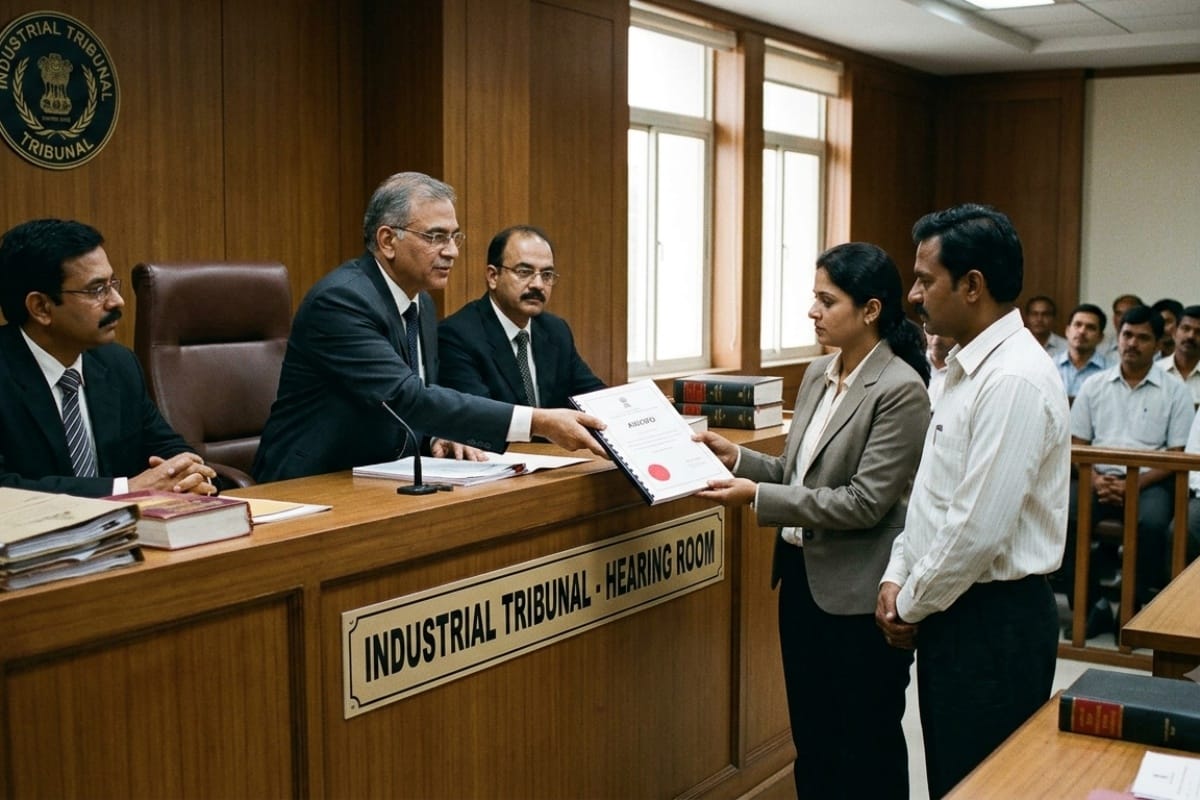
Deciding two connected writ petitions arising from a common Industrial Tribunal Award, the Delhi High Court set aside the Tribunal's direction granting hotel workmen a further…
Labour Laws
06/09/20264 min read
The Supreme Court reaffirmed that an unregistered lease deed concerning immovable property is inadmissible as evidence in legal proceedings, in accordance with Section 17 of the Registration Act, 1908, and Section 49 thereof. The case involved a dispute where parties relied on an unregistered lease deed to establish tenancy rights, which was challenged for want of registration. The Court clarified that while oral agreements and unregistered documents may serve limited purposes such as proving collateral facts, they cannot be the basis for enforcing substantive rights in immovable property transactions. The bench underscored that mandatory registration ensures legal certainty, prevents fraud, and provides public notice of transactions affecting property rights. It further observed that permitting reliance on unregistered deeds would defeat the purpose of the statute and create uncertainty in property law. However, the Court also acknowledged that equitable considerations such as possession and part performance under Section 53A of the Transfer of Property Act may still provide limited protection in certain contexts, though not in the instant case. By rejecting the admissibility of the lease deed, the judgment reiterates the importance of compliance with statutory formalities in property transactions, ensuring predictability and safeguarding third-party interests. The decision has wide implications for property disputes, tenancy claims, and commercial leasing arrangements, reinforcing the criticality of registration in establishing legal validity of agreements.
Deciding two connected writ petitions arising from a common Industrial Tribunal Award, the Delhi High Court set aside the Tribunal's direction granting hotel workmen a further…
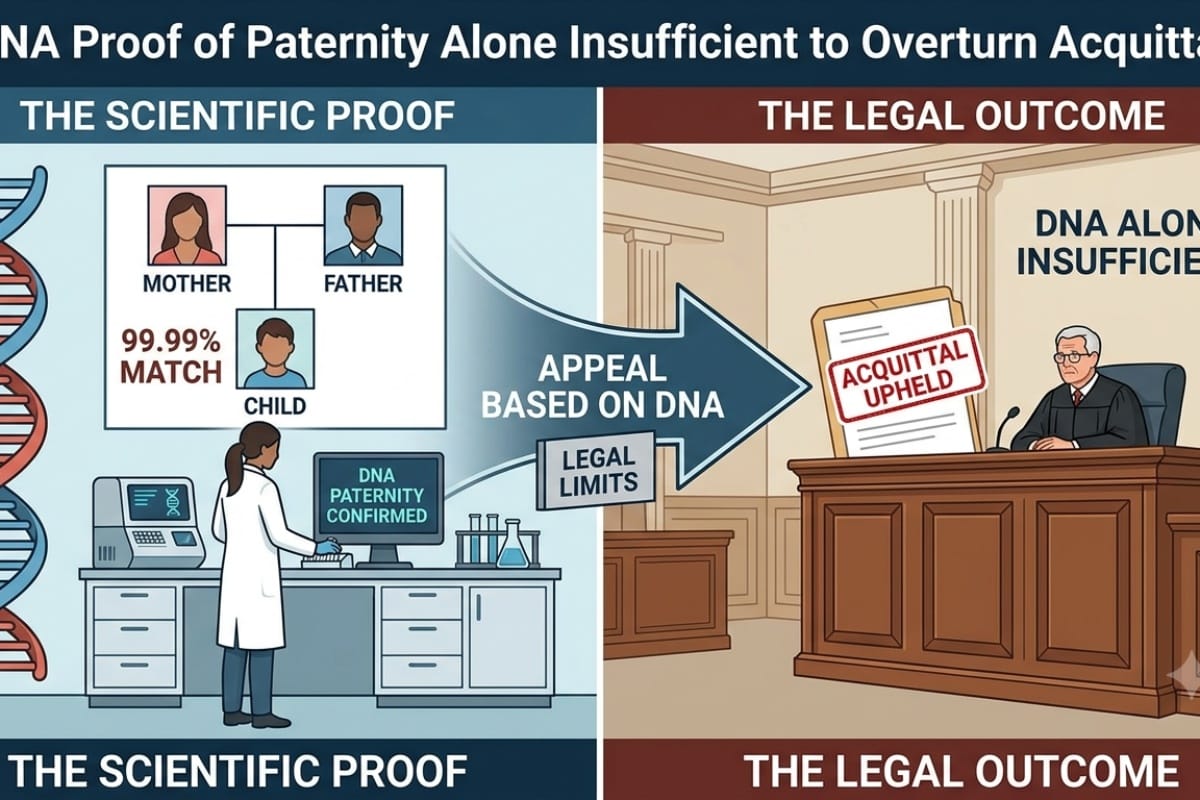
Headnote The Delhi High Court dismissed a prosecutrix's appeal against acquittal of the accused on charges under Sections 328/376 2 n /377/506/509 IPC, despite DNA evidence…
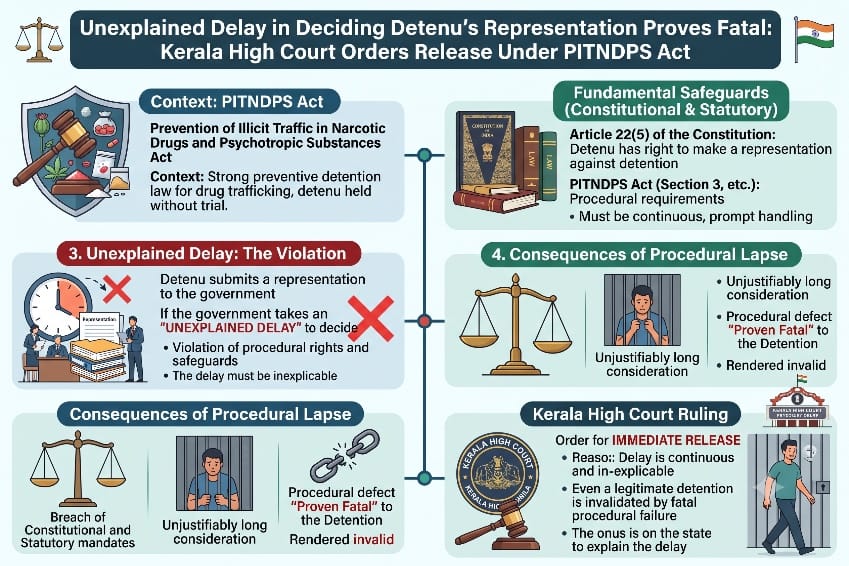
Fathimath Thasneem V.K. v. Union of India and Others | High Court of Kerala at Ernakulam | 3rd September, 2026 A habeas corpus writ petition by the wife of a detenu challenging…
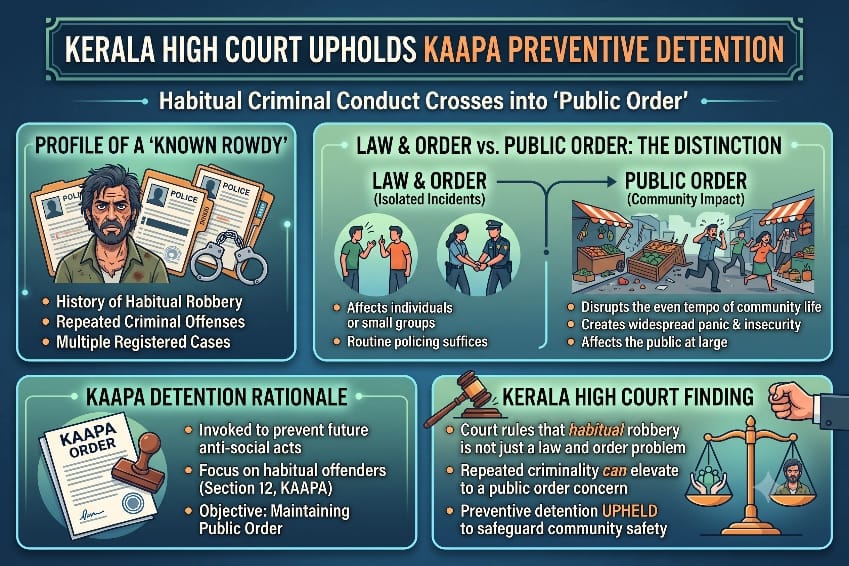
Thasmitha Abukutty v. State of Kerala and Others | High Court of Kerala at Ernakulam | 2nd September, 2026 A writ petition by the wife of a preventive detenu challenging a…
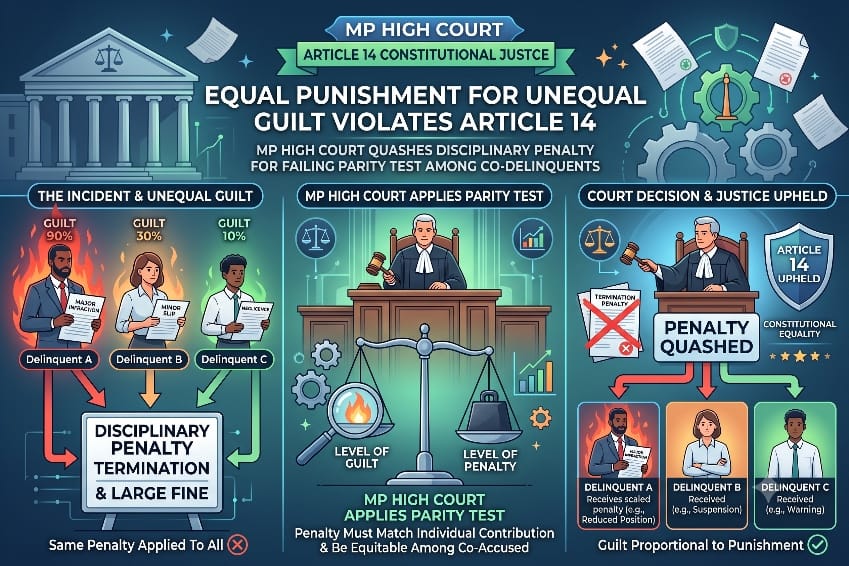
Brahm Kishore Dixit v. The State of Madhya Pradesh and Others | High Court of Madhya Pradesh, Gwalior | 1st September, 2026 A writ petition under Article 226 by a police Assistant…
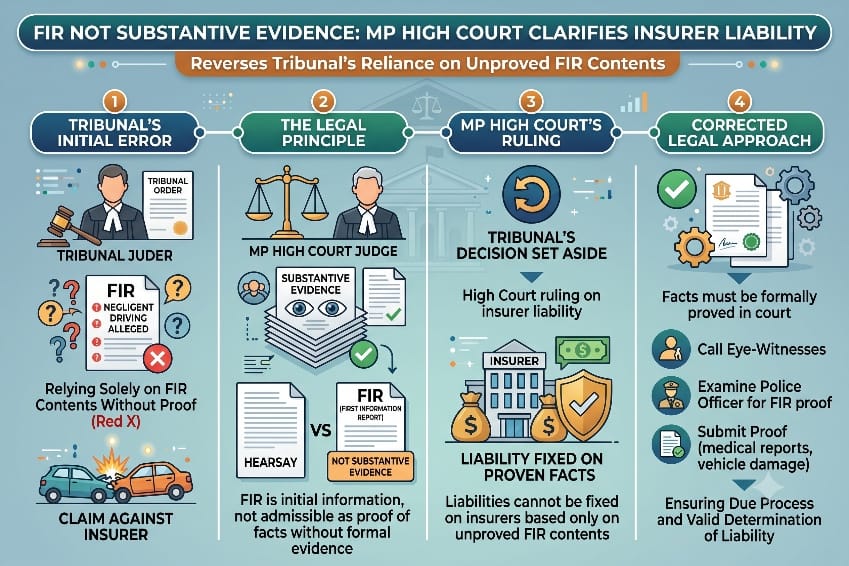
Anil Kumar Patel v. Smt. Munni Bai Barman and Others | High Court of Madhya Pradesh, Jabalpur | 1st September, 2026 A Motor Vehicle Act appeal under Section 173 1 against a Claims…
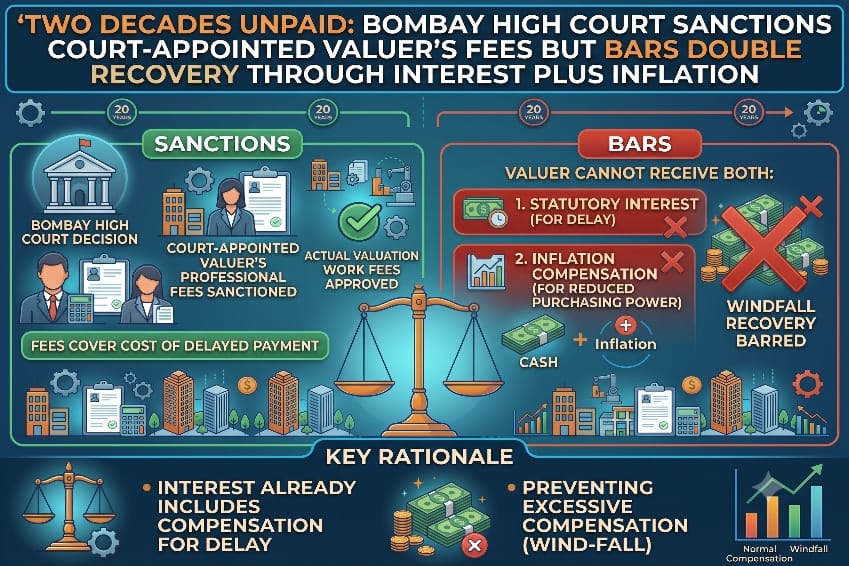
M/s. Kuber Mutual Benefits Ltd. & Ors. v. The State of Maharashtra & Ors. | High Court of Judicature at Bombay Appellate Side | 3rd September, 2026 A Court Receiver's Report…
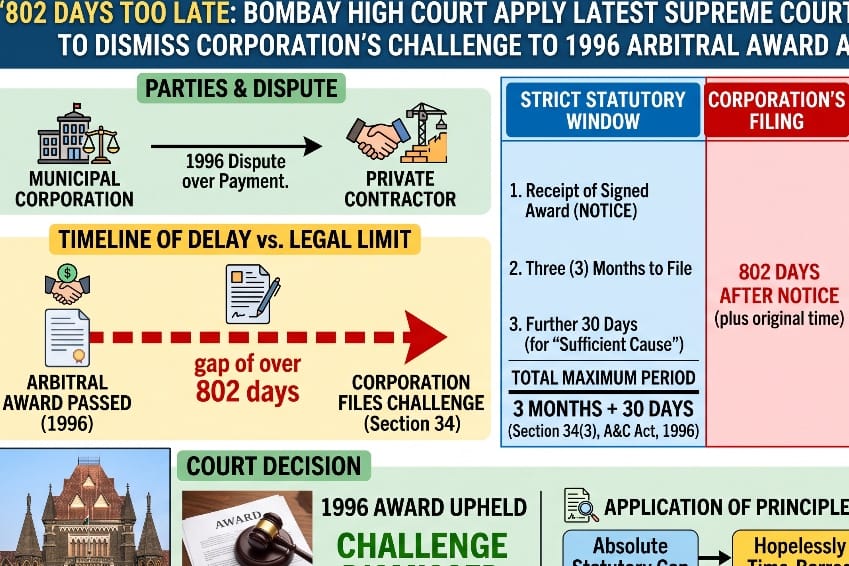
The Municipal Corporation of Greater Bombay v. M/s. Atul Raj Builders Pvt. Ltd. | High Court of Judicature at Bombay Ordinary Original Civil Jurisdiction | 3rd September, 2026 A…
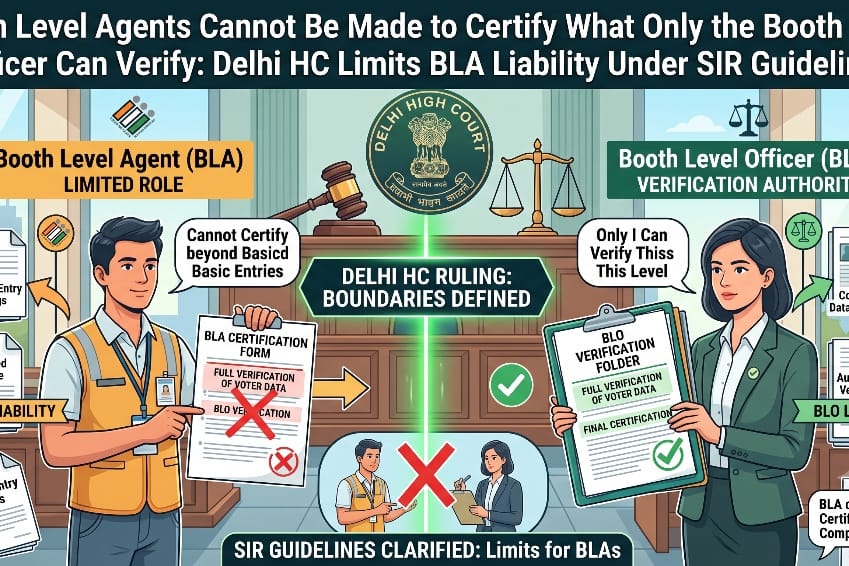
Devender Yadav & Anr. v. Election Commission of India & Anr. | High Court of Delhi Single Judge | Decided on: 03.09.2026 In a challenge to the Election Commission of India's…
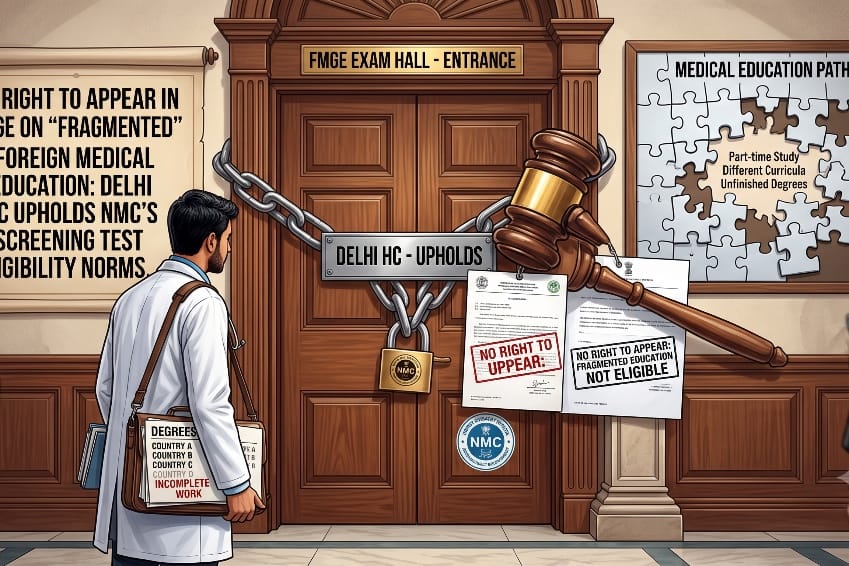
Brij Sharadbhai Bhatt & Ors. v. National Medical Commission & Ors. | High Court of Delhi Division Bench | Decided on: 03.09.2026 The Delhi High Court dismissed a challenge by…