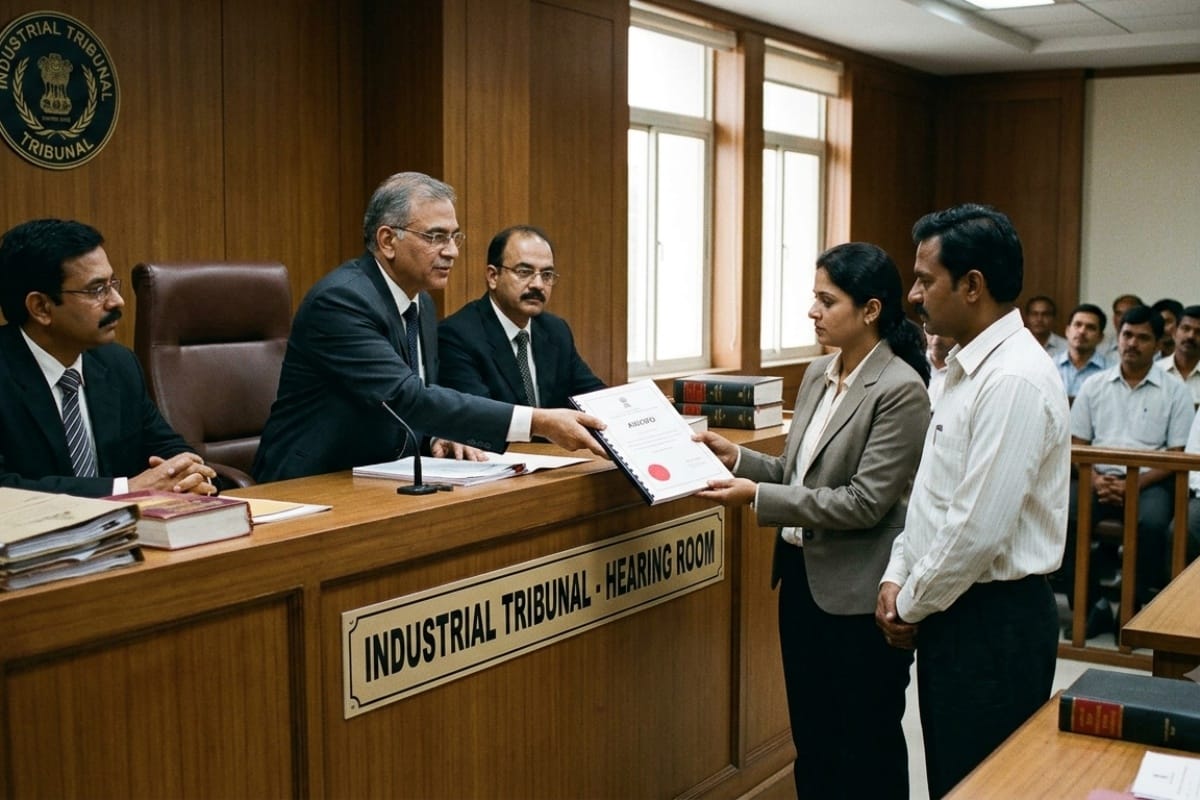
Deciding two connected writ petitions arising from a common Industrial Tribunal Award, the Delhi High Court set aside the Tribunal's direction granting hotel workmen a further…
Labour Laws
06/09/20264 min read
Update / Judgement Date
13 Oct 2025
Source
WCP News Bulletin
Author
Sakshi Bhardwaj — WCP Legal Desk
Reading Time
3 min read
Headnote:
Voice Sample Collection – Power of Magistrate – Article 20(3) – Applicability of Ritesh Sinha Precedent
The Supreme Court reaffirmed that a Magistrate is empowered to direct any person, including a witness, to furnish a voice sample for investigation purposes. The Court held that such a direction does not violate Article 20(3) of the Constitution since the act of providing a voice sample does not amount to testimonial compulsion. The Court criticized the High Court for ignoring binding precedent in Ritesh Sinha v. State of U.P., (2019) 8 SCC 1, merely because a reference to a Larger Bench had been made, which had already been closed. The Bench restored the Magistrate’s order allowing collection of the respondent’s voice sample.
Background:
Court’s Observations:
Held:
Legal References:
Conclusion:
The Supreme Court reaffirmed that furnishing a voice sample is akin to giving fingerprints or handwriting and does not violate constitutional protections. The High Court’s interference was unjustified, and the Magistrate’s direction to collect the sample was validly restored.
Citation: 2025 INSC 1223
Coram: Hon’ble Mr. Justice B.R. Gavai, CJI & Hon’ble Mr. Justice K. Vinod Chandran
Result: Appeal Allowed – High Court Order Set Aside – Magistrate’s Order Restored
Deciding two connected writ petitions arising from a common Industrial Tribunal Award, the Delhi High Court set aside the Tribunal's direction granting hotel workmen a further…
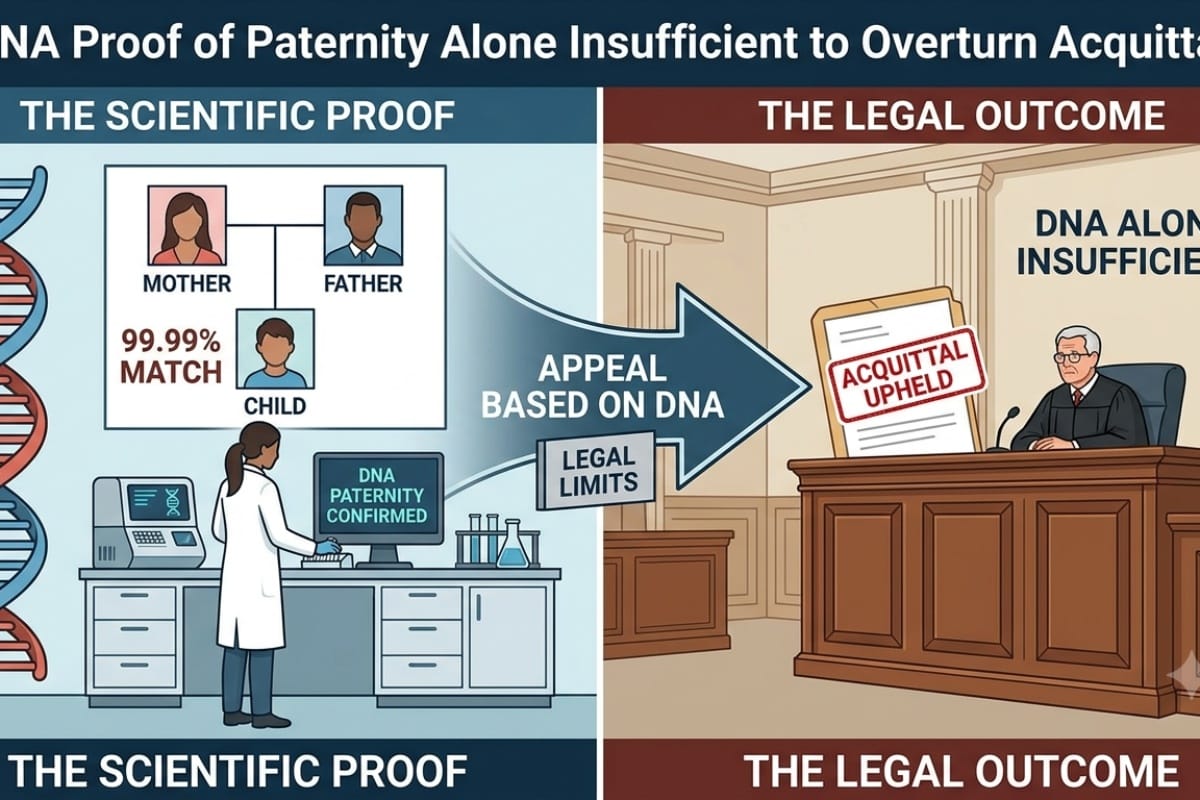
Headnote The Delhi High Court dismissed a prosecutrix's appeal against acquittal of the accused on charges under Sections 328/376 2 n /377/506/509 IPC, despite DNA evidence…
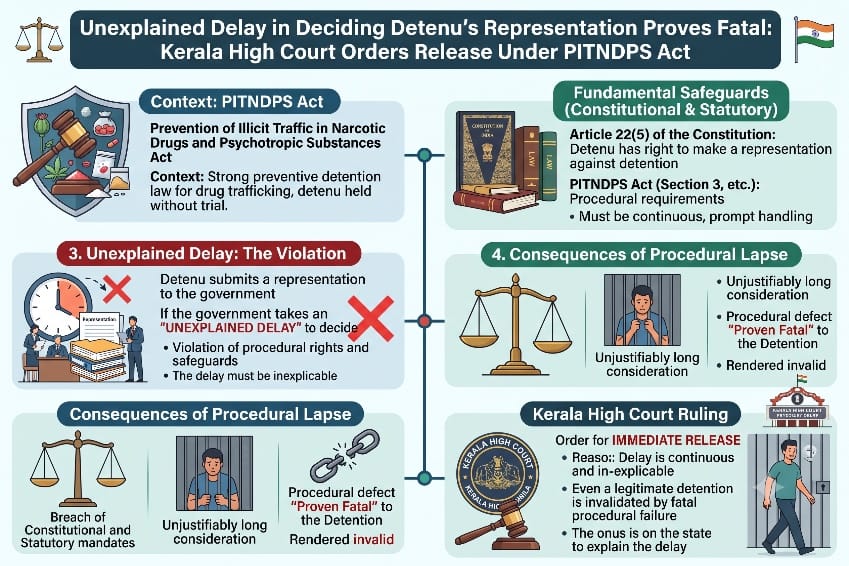
Fathimath Thasneem V.K. v. Union of India and Others | High Court of Kerala at Ernakulam | 3rd September, 2026 A habeas corpus writ petition by the wife of a detenu challenging…
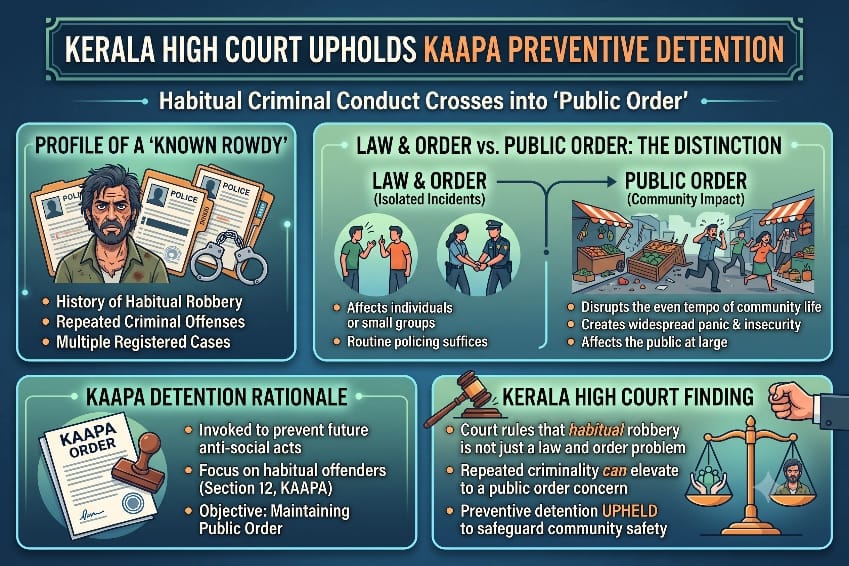
Thasmitha Abukutty v. State of Kerala and Others | High Court of Kerala at Ernakulam | 2nd September, 2026 A writ petition by the wife of a preventive detenu challenging a…
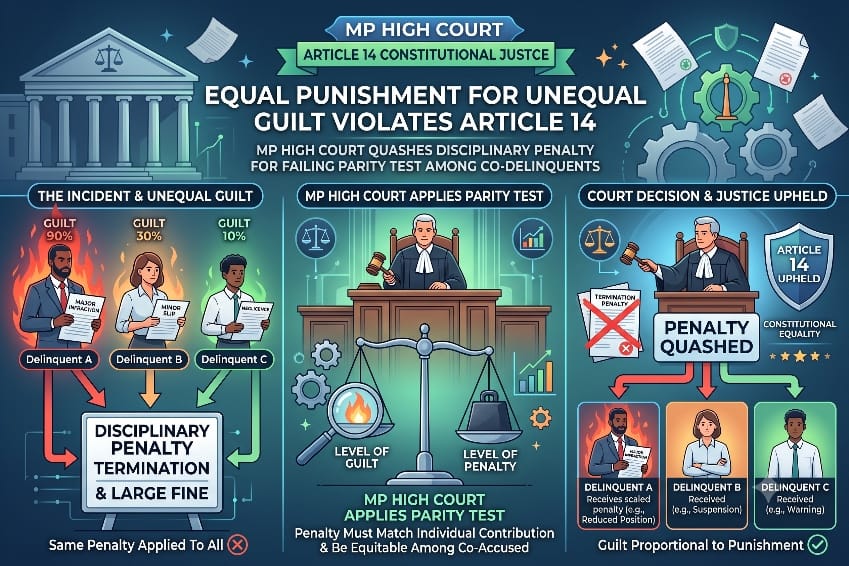
Brahm Kishore Dixit v. The State of Madhya Pradesh and Others | High Court of Madhya Pradesh, Gwalior | 1st September, 2026 A writ petition under Article 226 by a police Assistant…
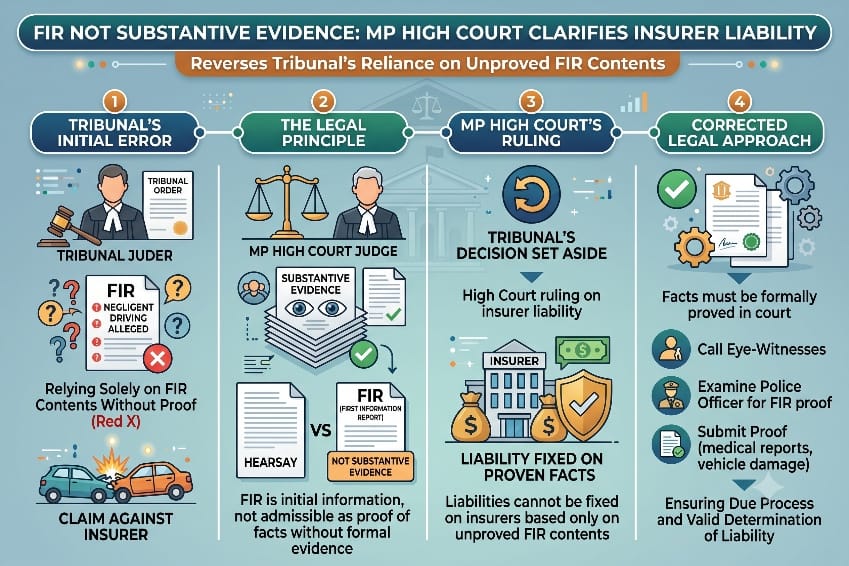
Anil Kumar Patel v. Smt. Munni Bai Barman and Others | High Court of Madhya Pradesh, Jabalpur | 1st September, 2026 A Motor Vehicle Act appeal under Section 173 1 against a Claims…
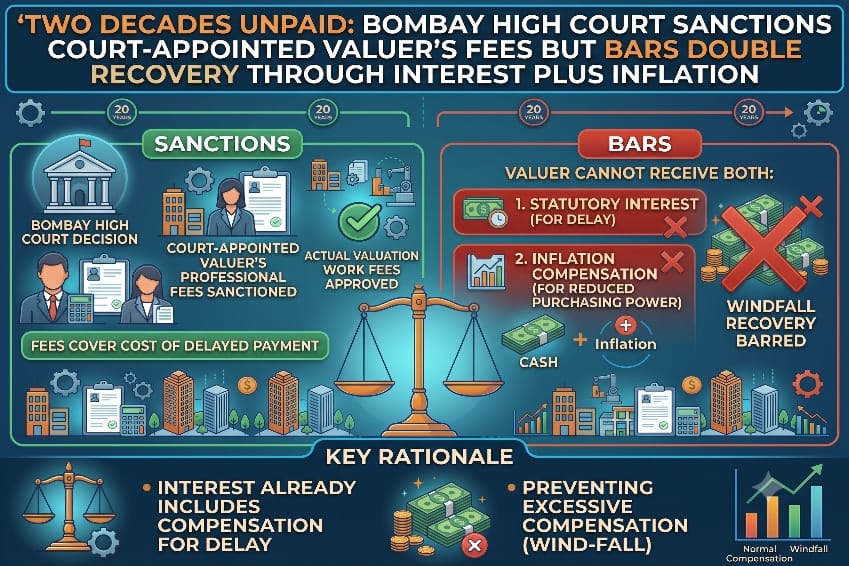
M/s. Kuber Mutual Benefits Ltd. & Ors. v. The State of Maharashtra & Ors. | High Court of Judicature at Bombay Appellate Side | 3rd September, 2026 A Court Receiver's Report…
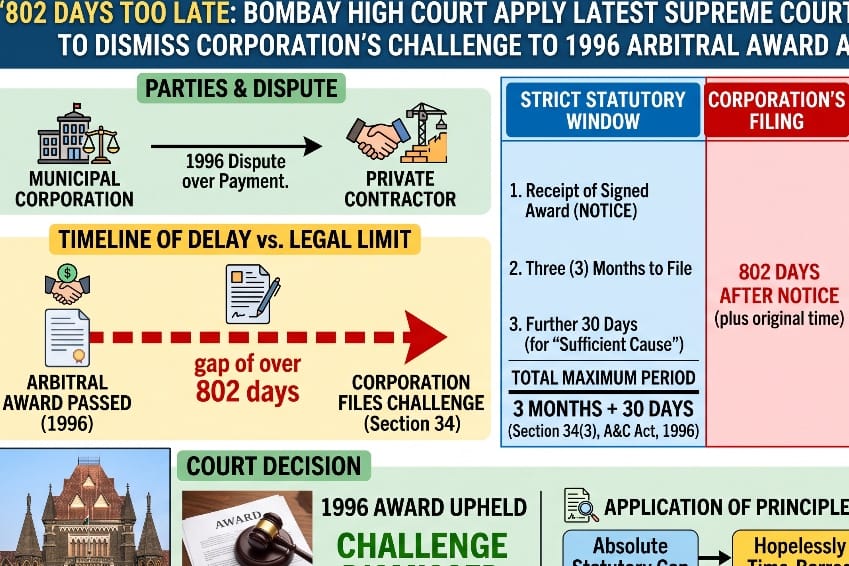
The Municipal Corporation of Greater Bombay v. M/s. Atul Raj Builders Pvt. Ltd. | High Court of Judicature at Bombay Ordinary Original Civil Jurisdiction | 3rd September, 2026 A…
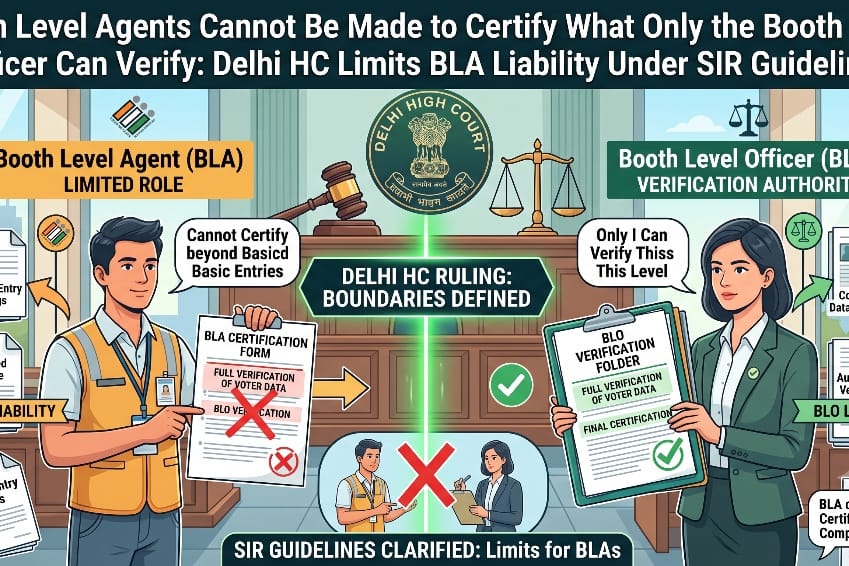
Devender Yadav & Anr. v. Election Commission of India & Anr. | High Court of Delhi Single Judge | Decided on: 03.09.2026 In a challenge to the Election Commission of India's…
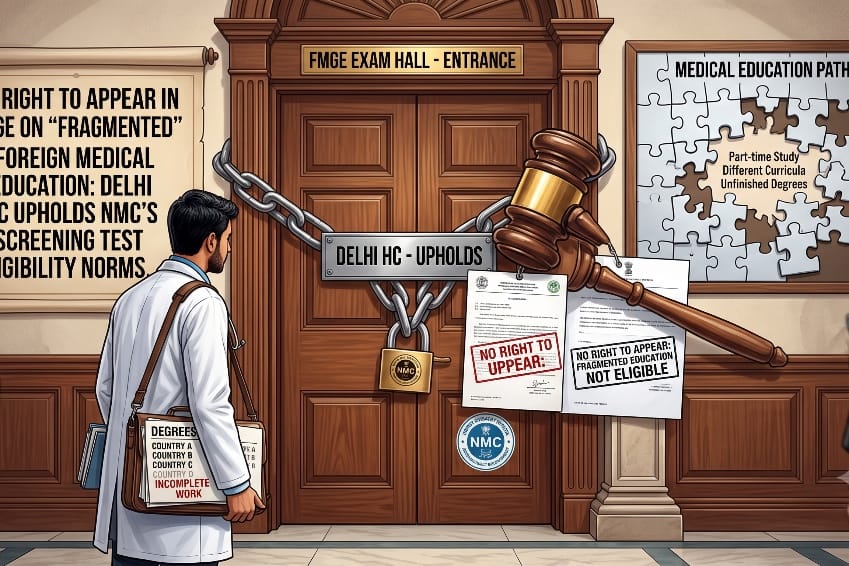
Brij Sharadbhai Bhatt & Ors. v. National Medical Commission & Ors. | High Court of Delhi Division Bench | Decided on: 03.09.2026 The Delhi High Court dismissed a challenge by…