
Deciding two connected writ petitions arising from a common Industrial Tribunal Award, the Delhi High Court set aside the Tribunal's direction granting hotel workmen a further…
Labour Laws
06/09/20264 min read
Update / Judgement Date
10 Oct 2025
Source
WCP News Bulletin
Author
Sakshi Bhardwaj — WCP Legal Desk
Reading Time
5 min read

Introduction:
In recent years, Environmental, Social, and Governance (ESG) principles have moved from being a voluntary corporate responsibility initiative to a central factor in financial decision-making. Globally, stakeholders, including investors, regulators, and consumers, are increasingly demanding that companies operate sustainably and transparently. This shift has profoundly impacted corporate lending practices, with banks and financial institutions integrating ESG metrics into credit appraisal, risk assessment, and loan pricing mechanisms.
Sustainable financing is no longer merely a branding or reputational exercise. It is increasingly seen as a measure of long-term risk mitigation and value creation. Companies that fail to meet ESG standards face higher borrowing costs, restricted access to capital, and reputational damage, while firms with strong ESG performance are rewarded with preferential loan terms and broader financing options.
ESG Integration in Corporate Lending:
The integration of ESG metrics into corporate lending represents a paradigm shift in how financial institutions assess creditworthiness. Traditional lending focuses primarily on financial ratios, profitability, and collateral value. Today, lenders are incorporating ESG factors to evaluate the sustainability and resilience of borrowers.
Environmental Metrics: Banks are now considering a company’s carbon footprint, energy efficiency, waste management, and commitment to renewable energy sources. Companies with strong environmental practices are perceived as lower risk, particularly in sectors exposed to regulatory penalties or environmental liabilities.
Social Metrics: Social responsibility is a key determinant of corporate reputation and operational stability. Lenders assess factors such as employee welfare, diversity and inclusion policies, community engagement, and supply chain labor standards. Companies that demonstrate high social performance are less likely to face operational disruptions or consumer boycotts, making them more attractive for credit.
Governance Metrics: Governance practices, including board independence, transparency in financial reporting, anti-corruption measures, and stakeholder engagement, play a significant role in reducing credit risk. Companies with robust governance frameworks are more resilient to fraud, mismanagement, and regulatory penalties, enhancing lender confidence.
Impact on Loan Structuring and Pricing:
The incorporation of ESG metrics has tangible implications for loan structuring and pricing. Financial institutions are increasingly offering “green loans” or “sustainability-linked loans”, where interest rates, repayment schedules, or credit limits are linked to the borrower’s ESG performance.
For example, a company with a strong ESG score may benefit from a lower interest rate, while missing sustainability targets could trigger an interest rate step-up. This approach incentivizes companies to actively improve ESG practices and ensures alignment between corporate sustainability goals and financial performance.
Additionally, ESG-based lending allows banks to manage long-term risks associated with climate change, social unrest, and governance failures. By integrating ESG criteria into lending decisions, institutions are better positioned to mitigate potential defaults caused by environmental or social shocks.
Regulatory and Market Drivers:
The rise of ESG-focused lending is driven not only by market forces but also by evolving regulatory frameworks. In India, the Reserve Bank of India (RBI) and the Securities and Exchange Board of India (SEBI) have encouraged the adoption of ESG disclosures and sustainable financing practices. Globally, the European Union’s Sustainable Finance Disclosure Regulation (SFDR) and the Task Force on Climate-related Financial Disclosures (TCFD) guidelines have set benchmarks for responsible corporate lending.
Investors and asset managers are increasingly incorporating ESG scores into portfolio allocation decisions. Financial institutions that fail to integrate ESG considerations risk losing access to global capital markets or facing divestment pressures from ESG-conscious investors.
Challenges in ESG-Based Lending:
Despite the momentum, ESG integration in corporate lending presents several challenges:
Global Trends and Best Practices:
Internationally, ESG-linked lending has gained significant traction. The World Bank and International Finance Corporation (IFC) have promoted green financing initiatives, while major banks in Europe and North America have embedded ESG criteria into corporate lending policies. Best practices include:
These practices not only enhance lender confidence but also encourage borrowers to prioritize sustainability initiatives.
Conclusion:
Sustainable financing, underpinned by ESG metrics, is reshaping corporate lending in India and globally. Financial institutions are evolving from a purely financial risk assessment model to a more comprehensive framework that accounts for environmental, social, and governance factors.
For corporates, ESG integration is no longer optional but a strategic imperative to secure favorable financing, enhance reputation, and ensure long-term resilience. Lenders, in turn, are leveraging ESG insights to manage risk, incentivize responsible business practices, and align with global sustainability goals.
As the financial ecosystem continues to embrace ESG-driven lending, the future promises a more resilient, inclusive, and sustainable corporate finance landscape. Companies that proactively adopt robust ESG practices will not only unlock better financing opportunities but also contribute meaningfully to a sustainable economic future.
Deciding two connected writ petitions arising from a common Industrial Tribunal Award, the Delhi High Court set aside the Tribunal's direction granting hotel workmen a further…
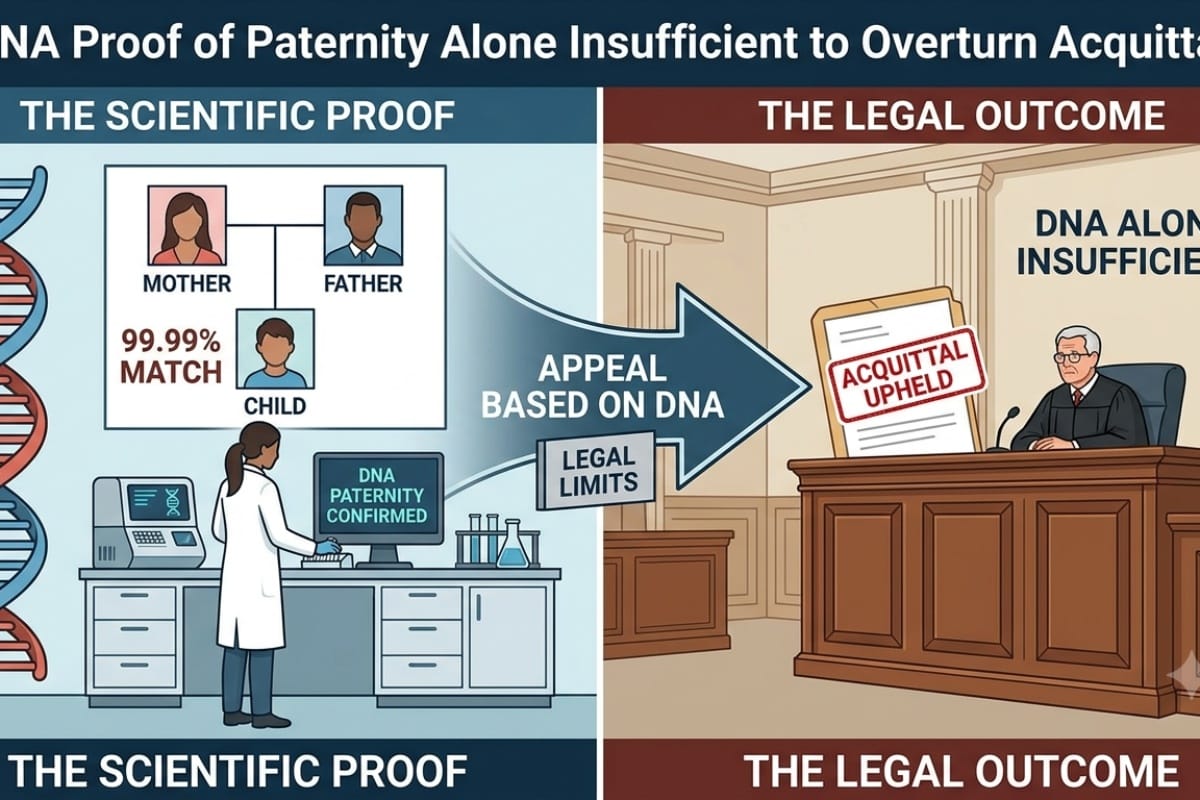
Headnote The Delhi High Court dismissed a prosecutrix's appeal against acquittal of the accused on charges under Sections 328/376 2 n /377/506/509 IPC, despite DNA evidence…
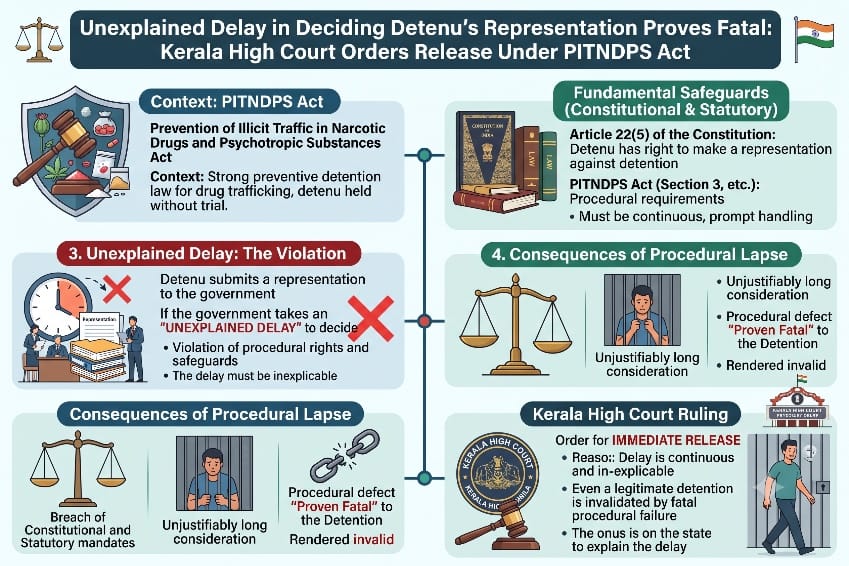
Fathimath Thasneem V.K. v. Union of India and Others | High Court of Kerala at Ernakulam | 3rd September, 2026 A habeas corpus writ petition by the wife of a detenu challenging…

Thasmitha Abukutty v. State of Kerala and Others | High Court of Kerala at Ernakulam | 2nd September, 2026 A writ petition by the wife of a preventive detenu challenging a…
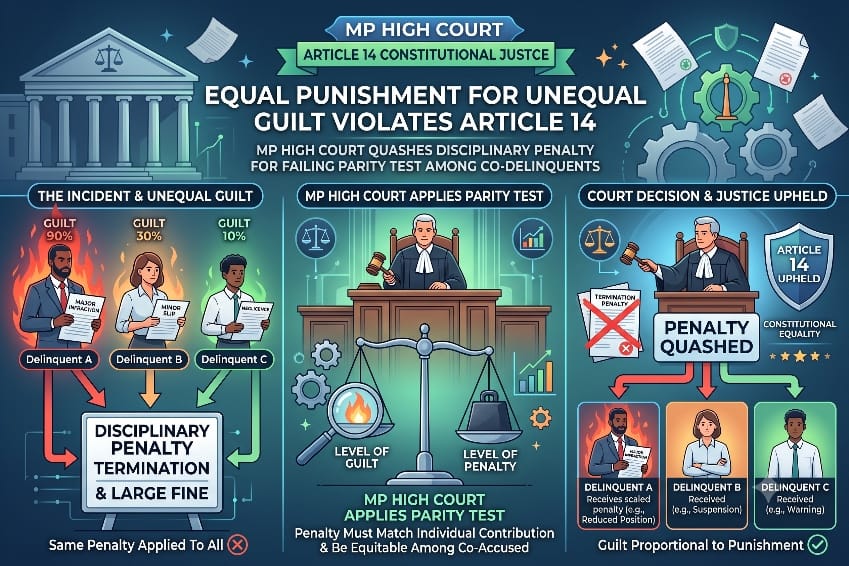
Brahm Kishore Dixit v. The State of Madhya Pradesh and Others | High Court of Madhya Pradesh, Gwalior | 1st September, 2026 A writ petition under Article 226 by a police Assistant…
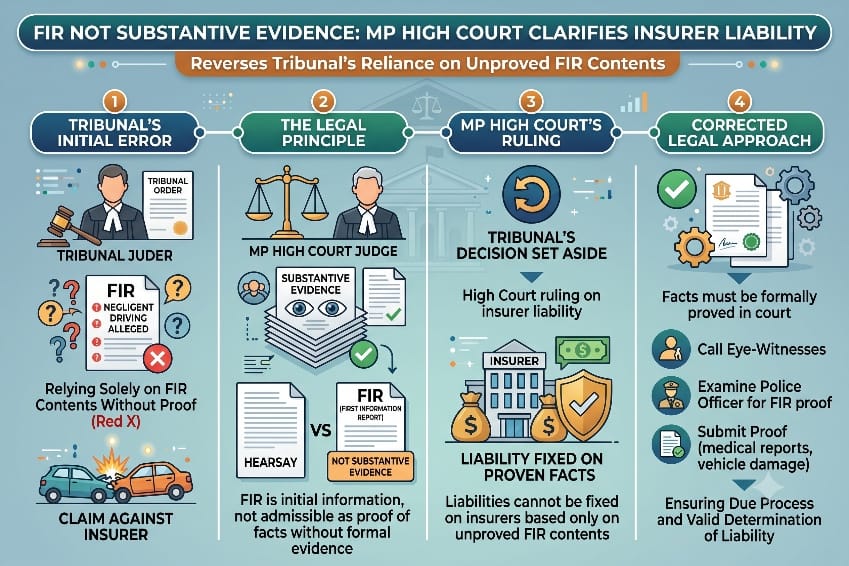
Anil Kumar Patel v. Smt. Munni Bai Barman and Others | High Court of Madhya Pradesh, Jabalpur | 1st September, 2026 A Motor Vehicle Act appeal under Section 173 1 against a Claims…
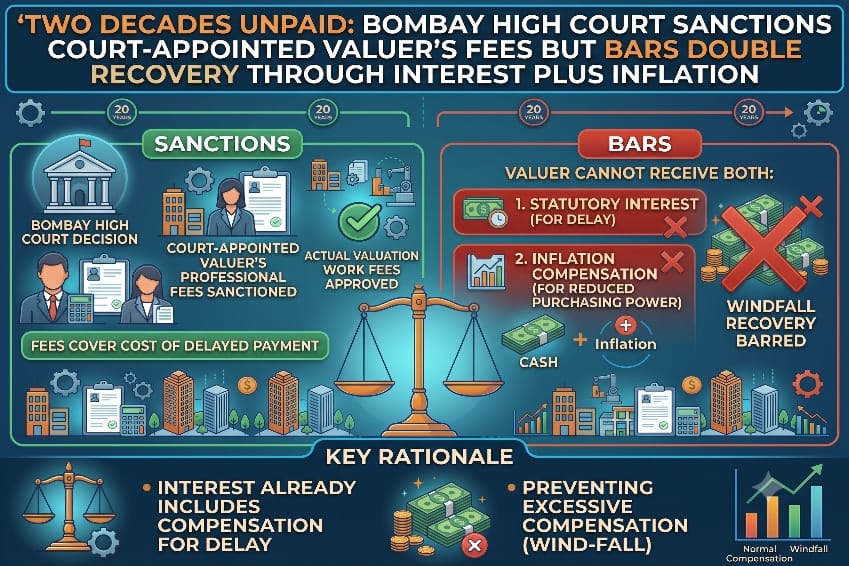
M/s. Kuber Mutual Benefits Ltd. & Ors. v. The State of Maharashtra & Ors. | High Court of Judicature at Bombay Appellate Side | 3rd September, 2026 A Court Receiver's Report…
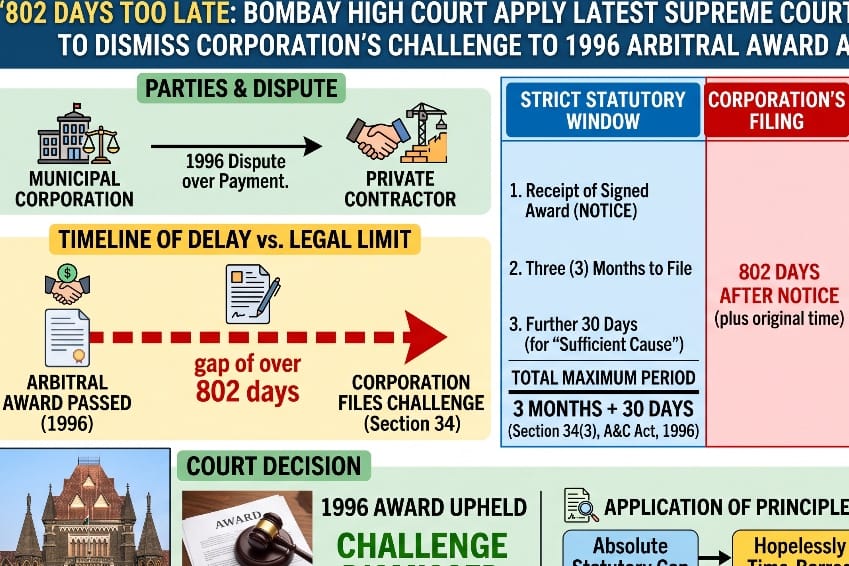
The Municipal Corporation of Greater Bombay v. M/s. Atul Raj Builders Pvt. Ltd. | High Court of Judicature at Bombay Ordinary Original Civil Jurisdiction | 3rd September, 2026 A…

Devender Yadav & Anr. v. Election Commission of India & Anr. | High Court of Delhi Single Judge | Decided on: 03.09.2026 In a challenge to the Election Commission of India's…

Brij Sharadbhai Bhatt & Ors. v. National Medical Commission & Ors. | High Court of Delhi Division Bench | Decided on: 03.09.2026 The Delhi High Court dismissed a challenge by…