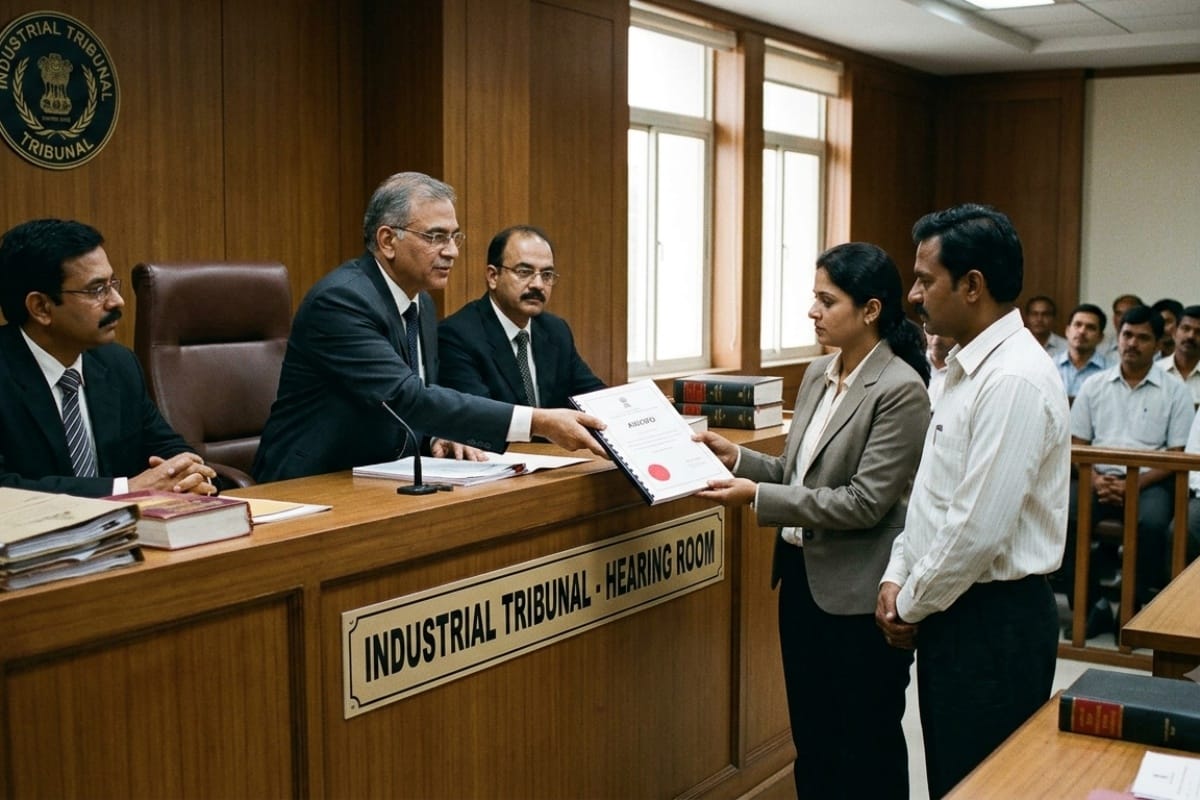
Deciding two connected writ petitions arising from a common Industrial Tribunal Award, the Delhi High Court set aside the Tribunal's direction granting hotel workmen a further…
Labour Laws
06/09/20264 min read
Update / Judgement Date
05 Oct 2025
Source
WCP News Bulletin
Author
Sakshi Bhardwaj — WCP Legal Desk
Reading Time
3 min read
Headnote:
The Bombay High Court clarified that the Registrar’s power under Section 77A of the Maharashtra Co-operative Societies Act, 1960 to dissolve a managing committee and appoint an Administrator/Authorised Officer is to be exercised only as a last resort. The Court held that the Registrar must first attempt to fill vacancies under clause (i) or constitute a temporary committee under clause (ii) from among the society’s members. Appointment of outsiders as Authorised Officers is permissible only when internal management becomes impossible or undesirable. The Court emphasized that quorum is essential for the validity of a committee and that once quorum is lost due to resignations or disqualifications, the committee ceases to function in law.
Background:
The case arose from the dissolution of the managing committee of Purshottam Bhagwan Co-operative Housing Society Ltd. at Khar (West), Mumbai. Elections had been held in 2022 for the term 2021–2026. However, between 2023–24, several members, including reserved category members, resigned, reducing the committee strength below quorum. The District Deputy Registrar dissolved the committee under Section 77A and appointed an Administrator. Appeals and revisions before higher authorities were dismissed, leading the petitioners (remaining committee members) to approach the High Court under Articles 226 and 227 of the Constitution, challenging the orders as arbitrary and contrary to law.
Court Observations:
Clause (i): For minor vacancies, the Registrar may fill seats from among members.
Clause (ii): If the committee ceases to function, the Registrar may appoint a small interim committee of up to three members from within the society.
Clause (iii) – “One or more Authorised Officers”: Appointment of outsiders is permissible only in exceptional cases where internal management is impossible or undesirable.
Deletion of Third Proviso (2022 Amendment): The Court noted that after deletion of the third proviso, unwillingness of members alone is not enough to justify appointment of outsiders. Outsiders may now be appointed only when quorum is lost or disputes make internal management impracticable.
Legal Provisions Concerned:
Court: High Court of Judicature at Bombay, Civil Appellate Jurisdiction
Case Title: Vijay Lakhi & Ors. v. Minister of Co-operation & Ors.
Case Number: Writ Petition No.11625 of 2025
Coram: Hon'ble Mr. Justice Amit Borkar
Date of Judgment: 06 October 2025
Reserved on: 30 September 2025
Deciding two connected writ petitions arising from a common Industrial Tribunal Award, the Delhi High Court set aside the Tribunal's direction granting hotel workmen a further…

Headnote The Delhi High Court dismissed a prosecutrix's appeal against acquittal of the accused on charges under Sections 328/376 2 n /377/506/509 IPC, despite DNA evidence…
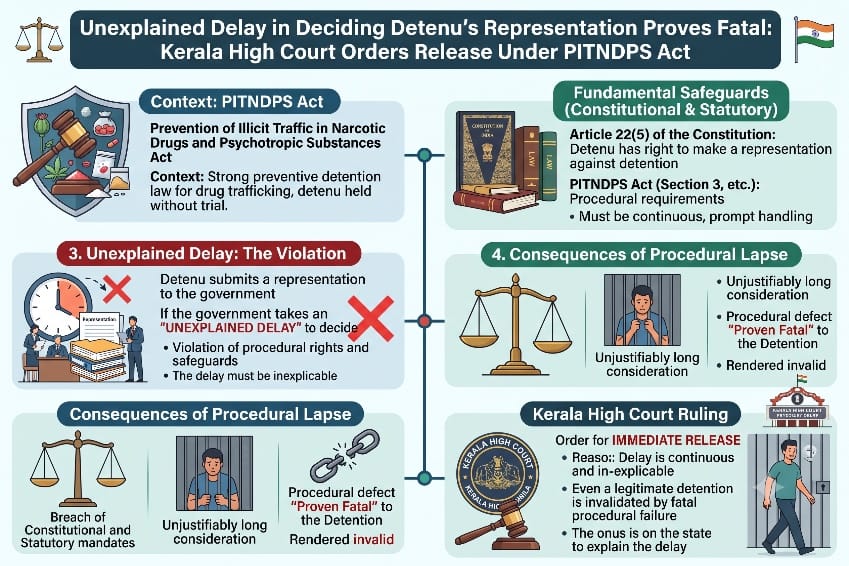
Fathimath Thasneem V.K. v. Union of India and Others | High Court of Kerala at Ernakulam | 3rd September, 2026 A habeas corpus writ petition by the wife of a detenu challenging…
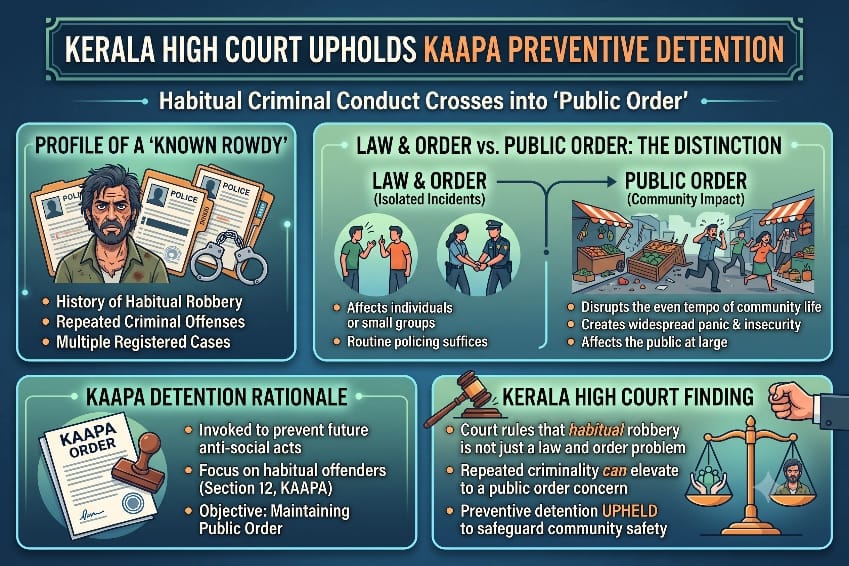
Thasmitha Abukutty v. State of Kerala and Others | High Court of Kerala at Ernakulam | 2nd September, 2026 A writ petition by the wife of a preventive detenu challenging a…
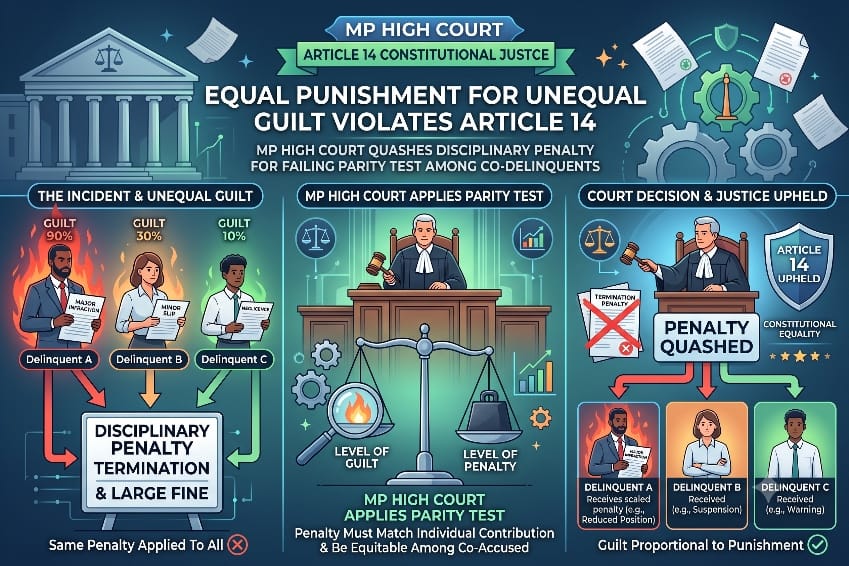
Brahm Kishore Dixit v. The State of Madhya Pradesh and Others | High Court of Madhya Pradesh, Gwalior | 1st September, 2026 A writ petition under Article 226 by a police Assistant…
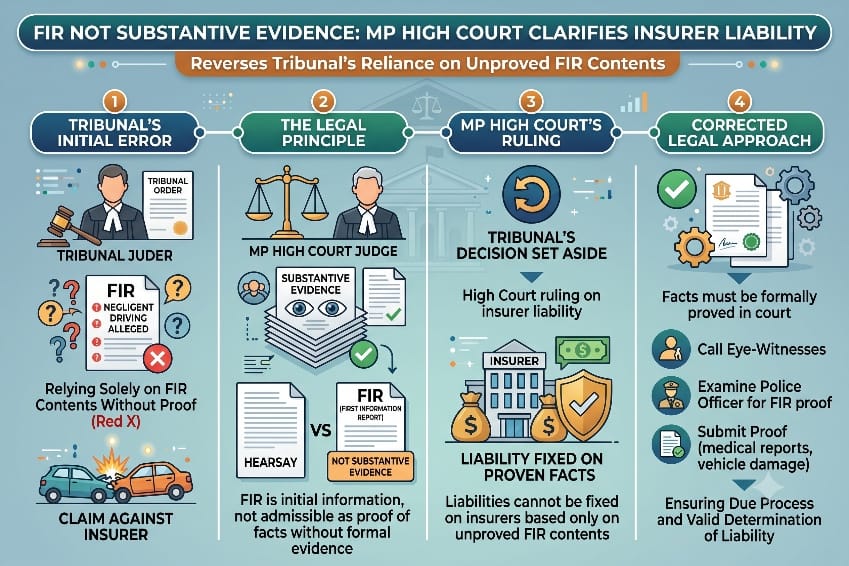
Anil Kumar Patel v. Smt. Munni Bai Barman and Others | High Court of Madhya Pradesh, Jabalpur | 1st September, 2026 A Motor Vehicle Act appeal under Section 173 1 against a Claims…
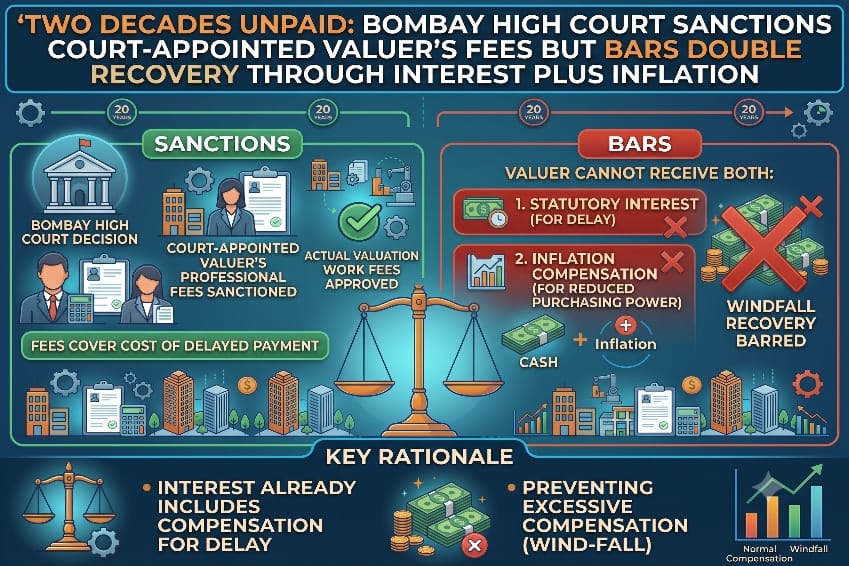
M/s. Kuber Mutual Benefits Ltd. & Ors. v. The State of Maharashtra & Ors. | High Court of Judicature at Bombay Appellate Side | 3rd September, 2026 A Court Receiver's Report…
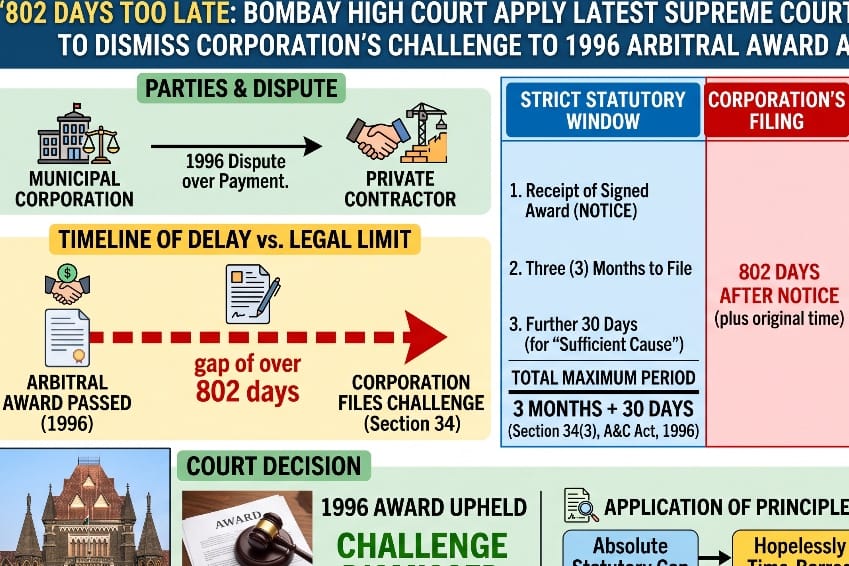
The Municipal Corporation of Greater Bombay v. M/s. Atul Raj Builders Pvt. Ltd. | High Court of Judicature at Bombay Ordinary Original Civil Jurisdiction | 3rd September, 2026 A…
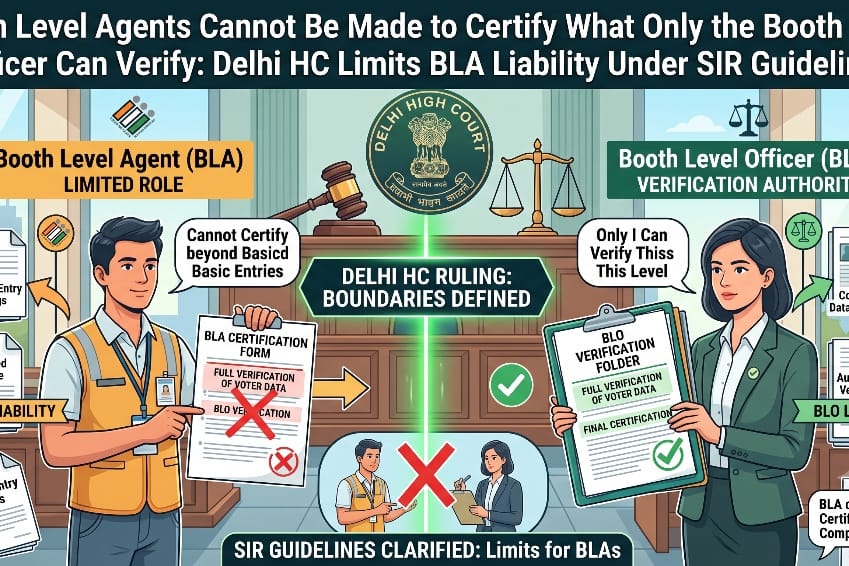
Devender Yadav & Anr. v. Election Commission of India & Anr. | High Court of Delhi Single Judge | Decided on: 03.09.2026 In a challenge to the Election Commission of India's…
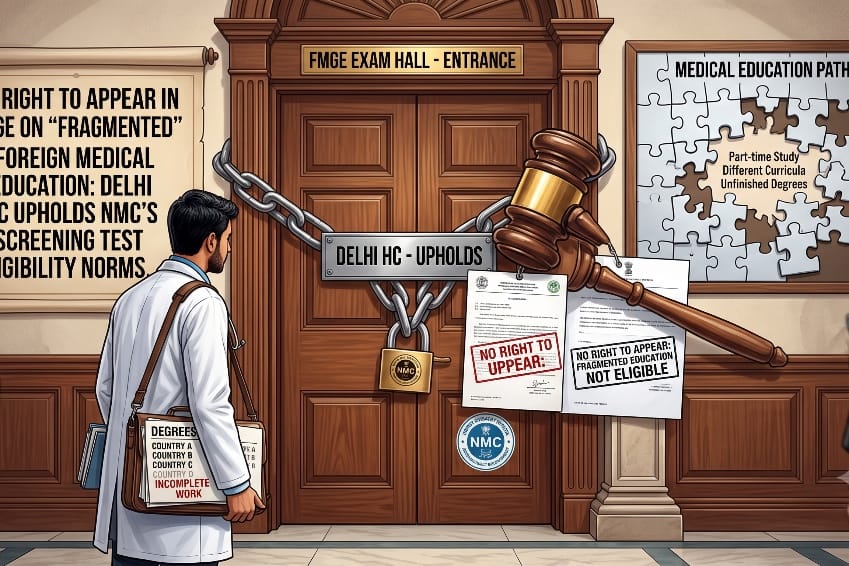
Brij Sharadbhai Bhatt & Ors. v. National Medical Commission & Ors. | High Court of Delhi Division Bench | Decided on: 03.09.2026 The Delhi High Court dismissed a challenge by…