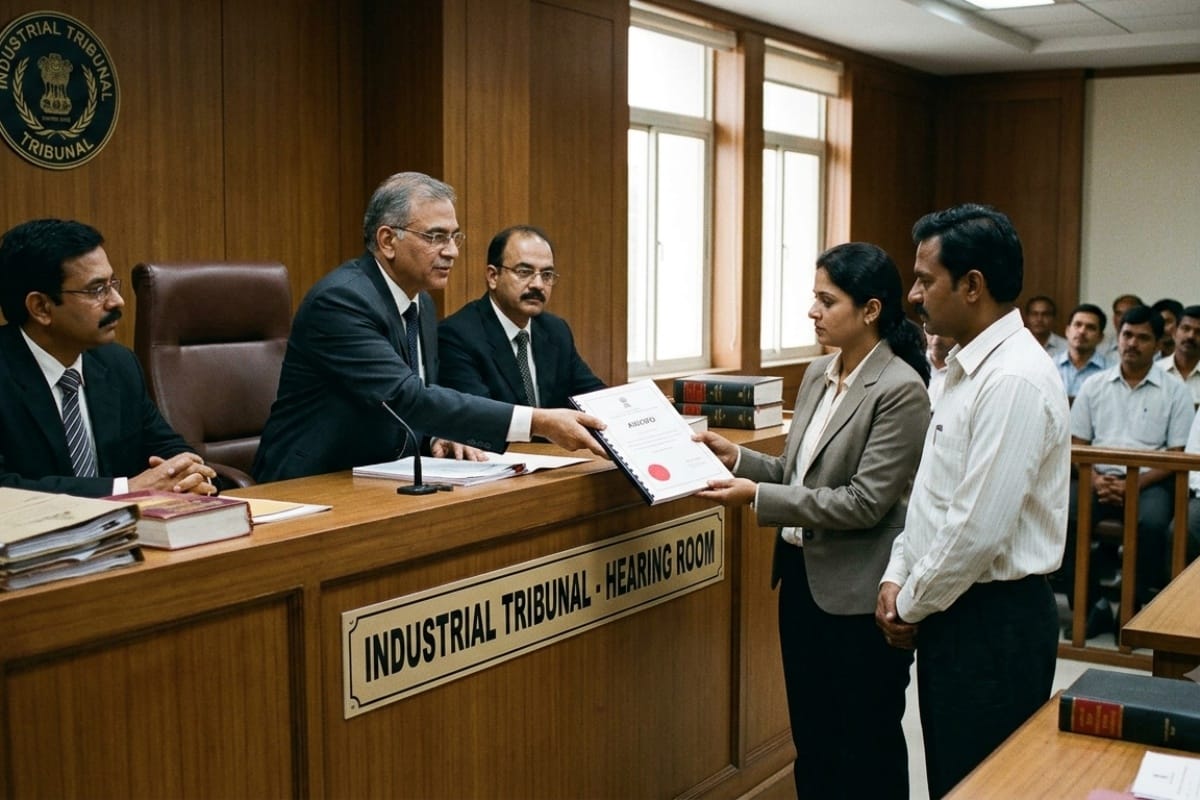
Deciding two connected writ petitions arising from a common Industrial Tribunal Award, the Delhi High Court set aside the Tribunal's direction granting hotel workmen a further…
Labour Laws
06/09/20264 min read
Court / Authority
Delhi High Court
Update / Judgement Date
05 Sept 2026
Source
WCP News Bulletin
Author
Team — WCP Legal Desk
Reading Time
4 min read
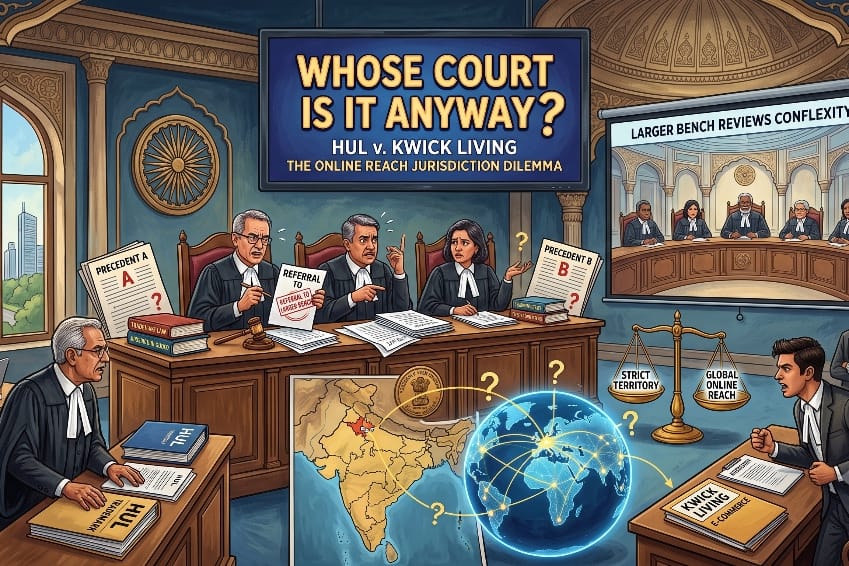
Hindustan Unilever Limited v. Kwick Living (I) Private Limited | High Court of Delhi at New Delhi | 25.08.2026
Suit by Hindustan Unilever seeking an injunction against an advertisement campaign alleged to disparage its 'Vim' and 'Surf Excel' trademarks. On a preliminary objection to territorial jurisdiction, both parties' registered offices were in Mumbai; the plaintiff invoked Section 20(c) CPC on the basis of online/hoarding dissemination reaching Delhi, and Section 134(2) Trade Marks Act / Section 62(2) Copyright Act on the basis of carrying on business in Delhi. Surveying a series of conflicting Division Bench authorities (Banyan Tree, World Wrestling Entertainment, Burger King, Ultra Home Construction, Kohinoor Seed Fields, Nilesh Girkar and Astral Limited) against the Supreme Court's ruling in Sanjay Dalia, the Court identified genuine and unresolved conflicts on whether online accessibility/advertising suffices to found jurisdiction and whether a plaintiff may sue at a subordinate office when the cause of action also arises at its principal office. Without deciding the interim injunction application, the Court referred three questions of law to a Larger Bench.
Background
Court’s Observations
Legal Provisions Discussed
Case Details :
Court Name: High Court of Delhi at New Delhi
Case Number: CS(COMM) 904/2026 & I.A. 22515/2026
Case / Party Name: Hindustan Unilever Limited v. Kwick Living (I) Private Limited
Court: High Court of Delhi at New Delhi
Coram / Judges: Hon’ble Mr. Justice A. J. Bhambhani
Date of Decision: 25.08.2026
Letters Patent / Appeals (if any): Reference to a Larger Bench on questions of territorial jurisdiction
Full Judgement / Attachment
Full Judgement
Deciding two connected writ petitions arising from a common Industrial Tribunal Award, the Delhi High Court set aside the Tribunal's direction granting hotel workmen a further…
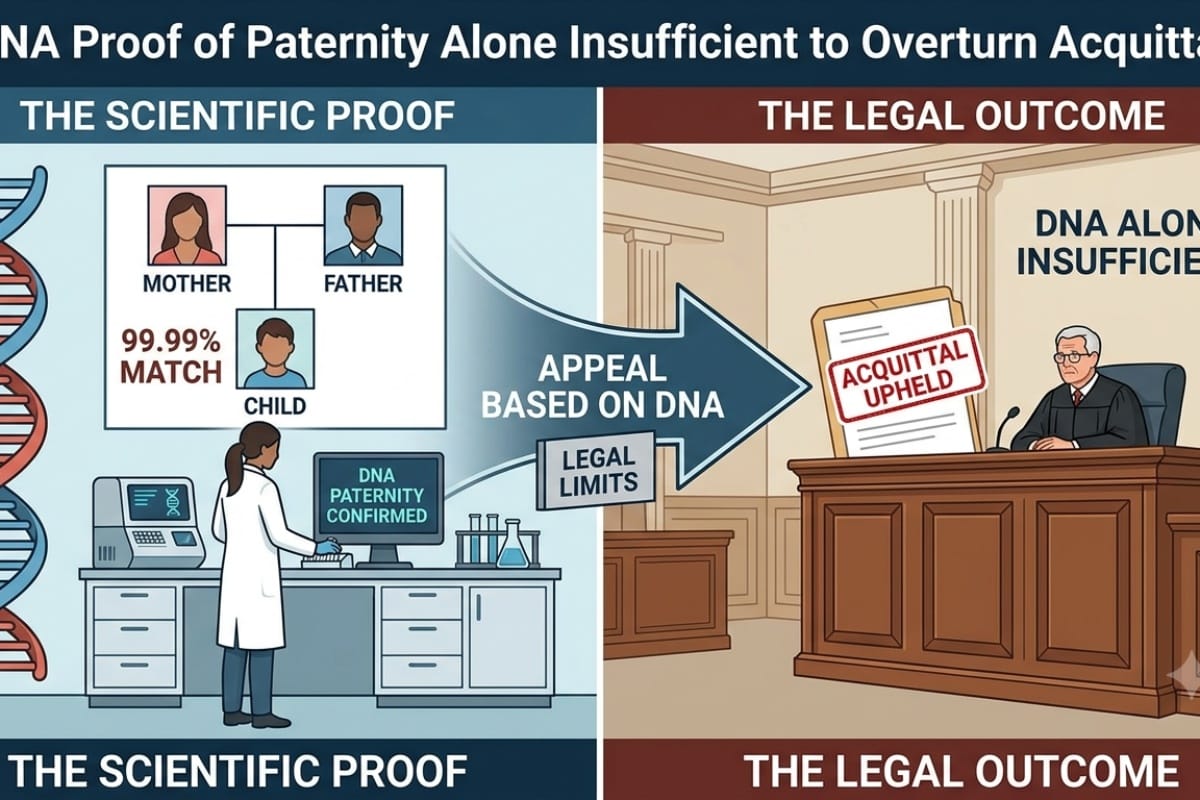
Headnote The Delhi High Court dismissed a prosecutrix's appeal against acquittal of the accused on charges under Sections 328/376 2 n /377/506/509 IPC, despite DNA evidence…
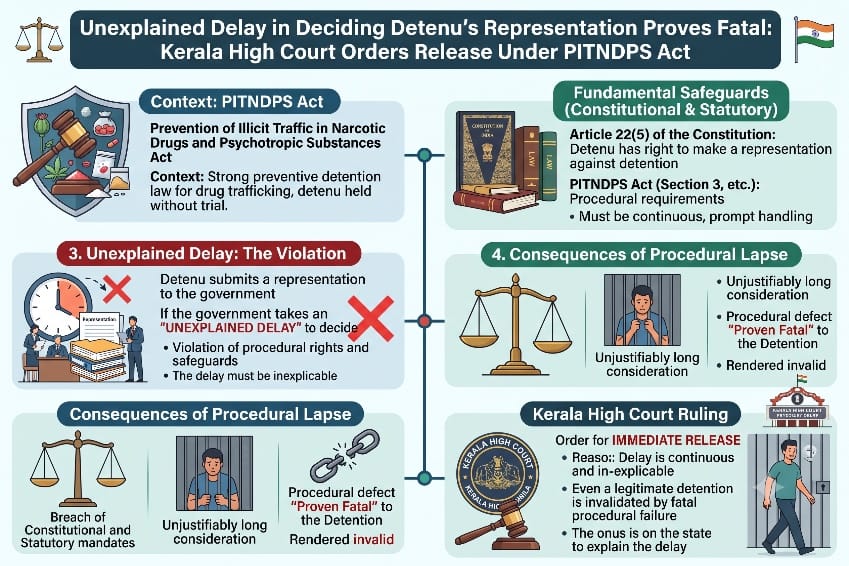
Fathimath Thasneem V.K. v. Union of India and Others | High Court of Kerala at Ernakulam | 3rd September, 2026 A habeas corpus writ petition by the wife of a detenu challenging…
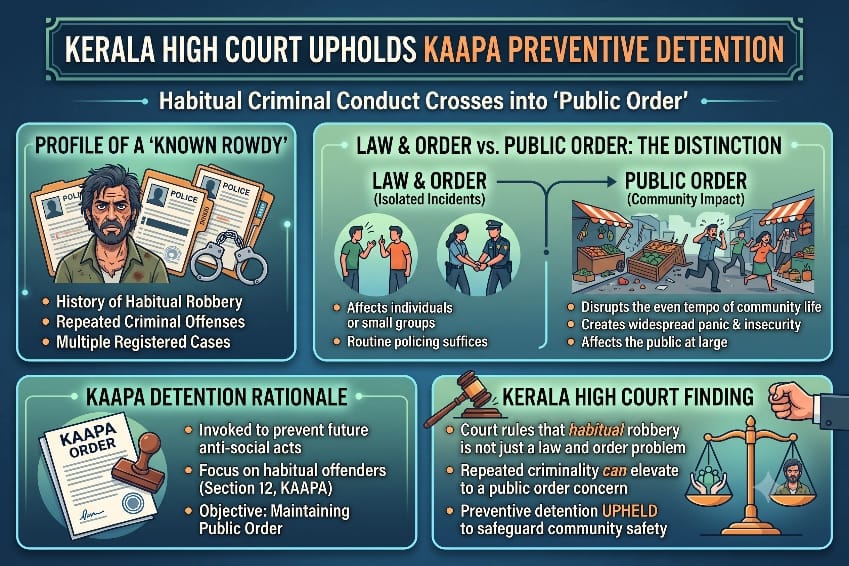
Thasmitha Abukutty v. State of Kerala and Others | High Court of Kerala at Ernakulam | 2nd September, 2026 A writ petition by the wife of a preventive detenu challenging a…
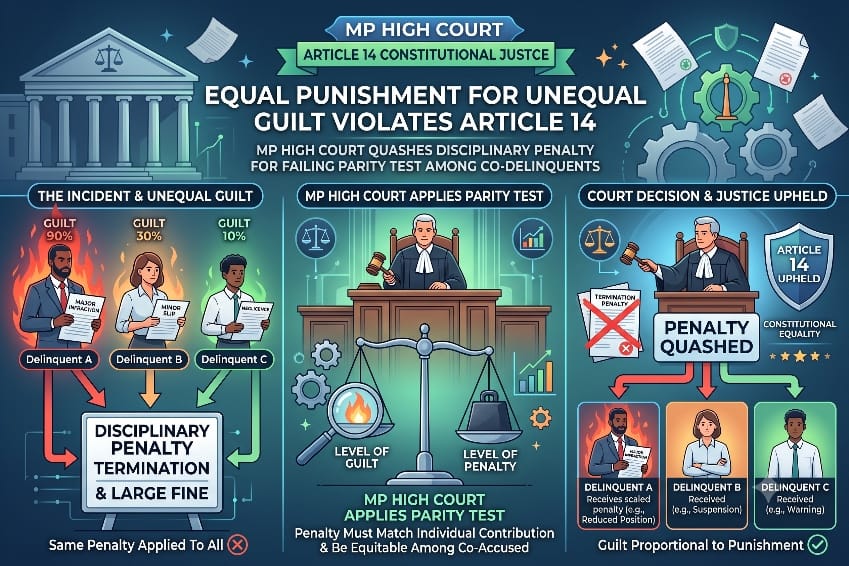
Brahm Kishore Dixit v. The State of Madhya Pradesh and Others | High Court of Madhya Pradesh, Gwalior | 1st September, 2026 A writ petition under Article 226 by a police Assistant…
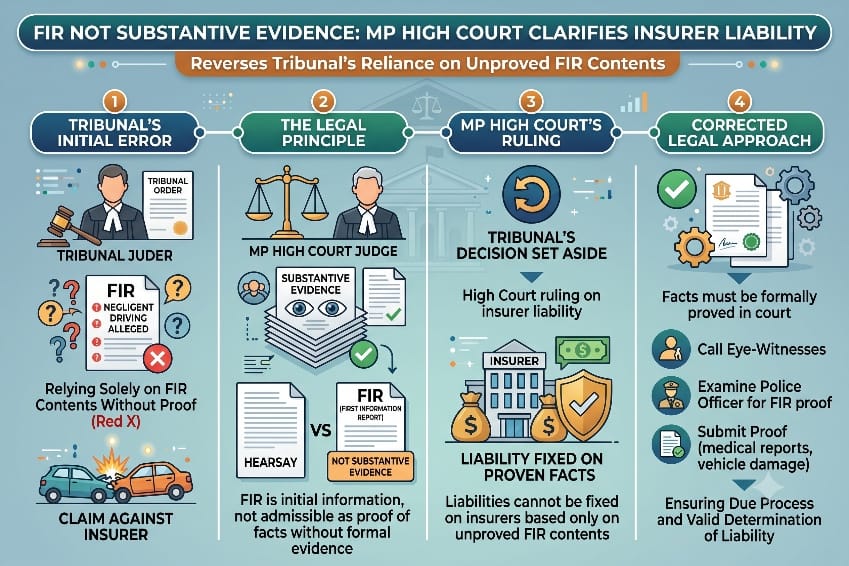
Anil Kumar Patel v. Smt. Munni Bai Barman and Others | High Court of Madhya Pradesh, Jabalpur | 1st September, 2026 A Motor Vehicle Act appeal under Section 173 1 against a Claims…
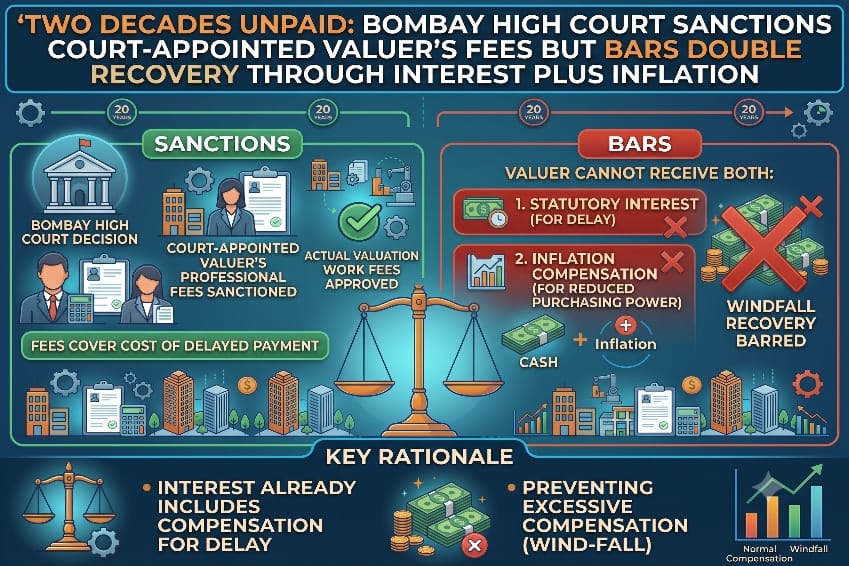
M/s. Kuber Mutual Benefits Ltd. & Ors. v. The State of Maharashtra & Ors. | High Court of Judicature at Bombay Appellate Side | 3rd September, 2026 A Court Receiver's Report…
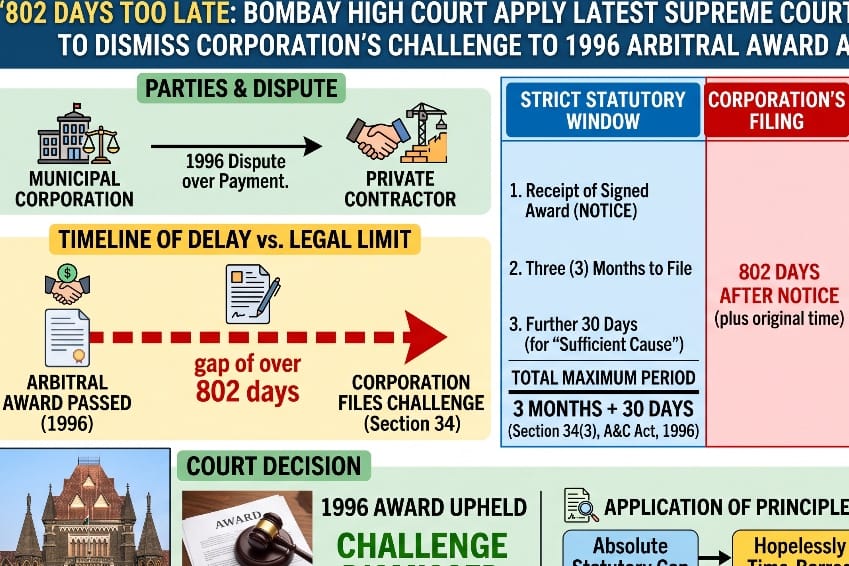
The Municipal Corporation of Greater Bombay v. M/s. Atul Raj Builders Pvt. Ltd. | High Court of Judicature at Bombay Ordinary Original Civil Jurisdiction | 3rd September, 2026 A…
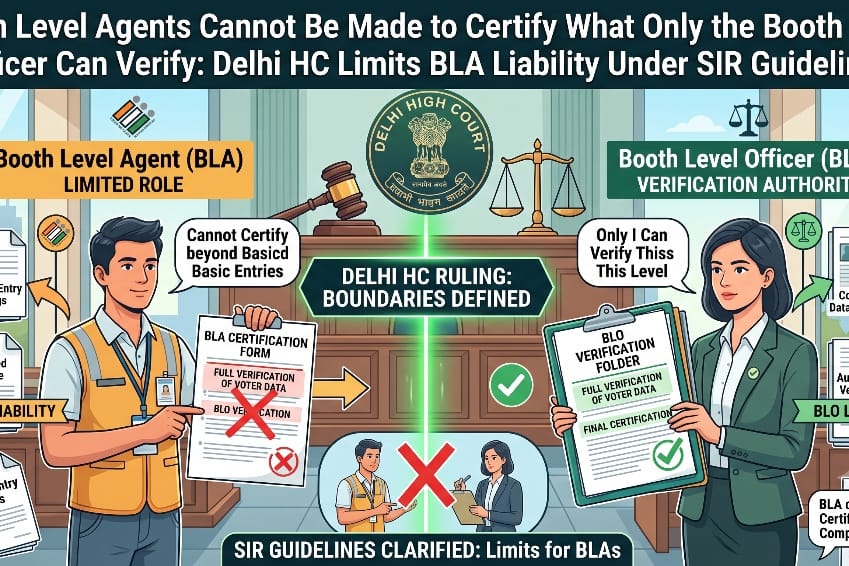
Devender Yadav & Anr. v. Election Commission of India & Anr. | High Court of Delhi Single Judge | Decided on: 03.09.2026 In a challenge to the Election Commission of India's…
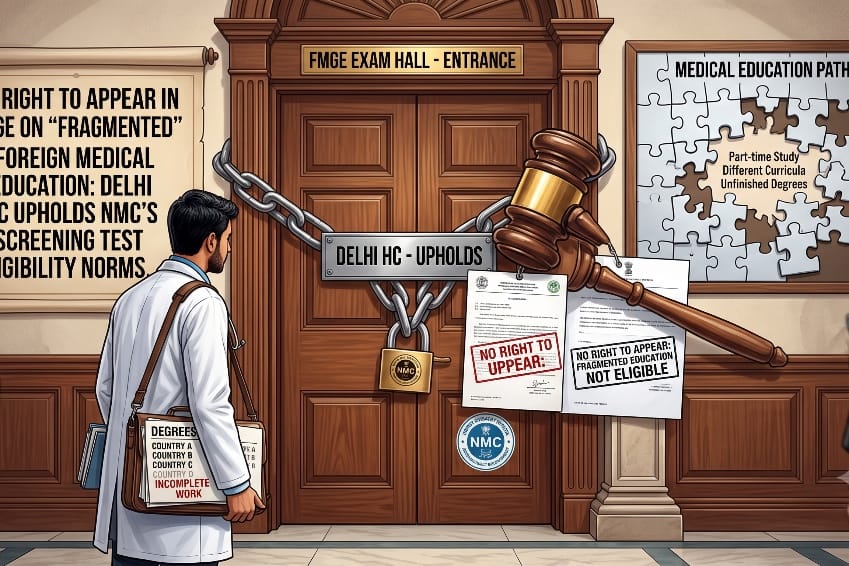
Brij Sharadbhai Bhatt & Ors. v. National Medical Commission & Ors. | High Court of Delhi Division Bench | Decided on: 03.09.2026 The Delhi High Court dismissed a challenge by…