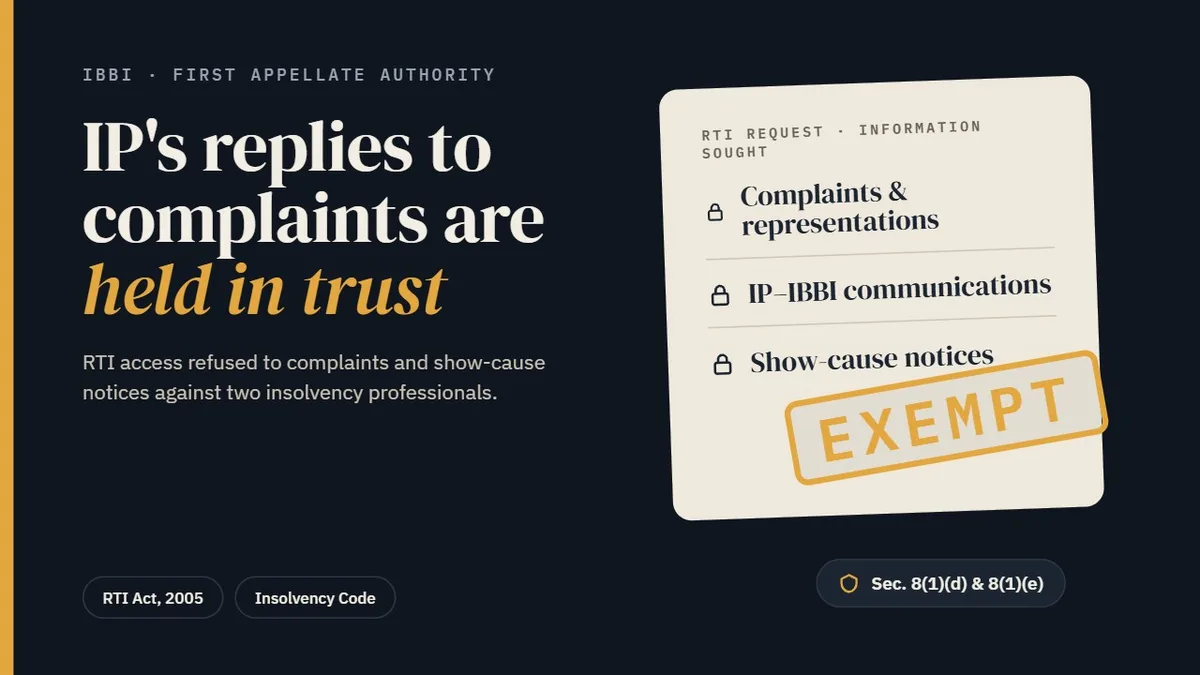
The appellant sought, under the RTI Act, records of complaints and representations received by IBBI, communications between IBBI and the insolvency professionals, and copies of…
Insolvency & Bankruptcy Code
24/11/20264 min read
Update / Judgement Date
15 Oct 2025
Source
WCP News Bulletin
Author
Sakshi Bhardwaj — WCP Legal Desk
Reading Time
3 min read
View Count
Headnote:
The Delhi High Court granted regular bail to Ajay Sharma, accused in FIR No. 67/2020 registered at P.S. Kanjhawala for offences under Sections 302/201/120B/34 IPC read with Section 25 Arms Act. The applicant had been in judicial custody since October 16, 2020. The Court considered the completion of investigation, framing of charges, limited public witnesses, and the duration of custody, while observing that the primary evidence against the applicant, including CDR records and disclosure statements, would require detailed scrutiny at trial.
Background:
Ajay Sharma, a resident of Rajiv Nagar, Begumpur, Delhi, was implicated in the murder of Anchal Kumar on February 19, 2020. The crime scene included a bullet-riddled Scorpio car and scattered shells. Despite multiple investigations, eyewitnesses were absent, and the primary witnesses were relatives of the deceased. Sharma was accused of being an active conspirator, participating in recce of the deceased, and coordinating with co-accused via mobile communications. A supplementary chargesheet listed him in Column 12, reflecting an active role in the conspiracy.
Factual Matrix:
Arguments:
Judicial Analysis:
Order:
Conclusion:
Ajay Sharma was granted regular bail after nearly five years in custody, considering procedural safeguards, trial stage, and limited risk factors. The case remains pending trial, and all evidence, including CDR and disclosure statements, will be examined during proceedings.
Case Title:
Ajay Sharma vs. State NCT of Delhi
Court:
High Court of Delhi, New Delhi
Bench:
Hon’ble Ms. Justice Neena Bansal Krishna
Bail Application No.:
BAIL APPLN. 2815/2025
© 2026 White Collar Professional Technologies Pvt. Ltd. All rights reserved. CIN: U74999MH2024PTC000001
The appellant sought, under the RTI Act, records of complaints and representations received by IBBI, communications between IBBI and the insolvency professionals, and copies of…

IGNOU entrusted recruitment to 200 Junior Assistant-cum-Typist posts to NTA; after a computer-based test 25,094 candidates and a typing test 1,985 candidates , NTA declared 199…
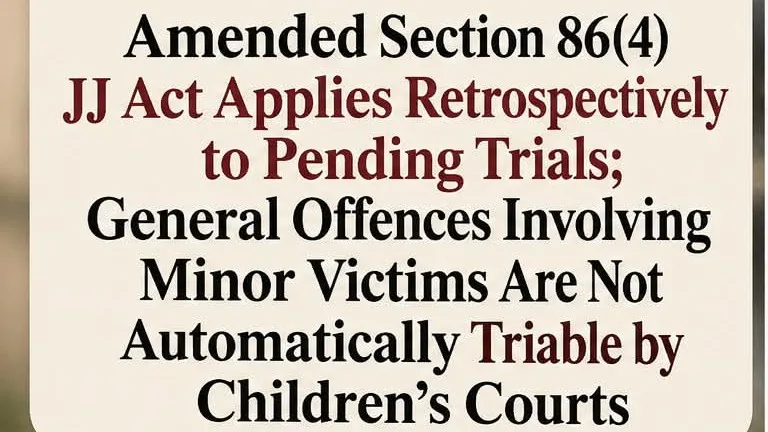
The Delhi High Court considered whether the 2021 amendment inserting Section 86 4 into the Juvenile Justice Care and Protection of Children Act, 2015 applied to trials already…
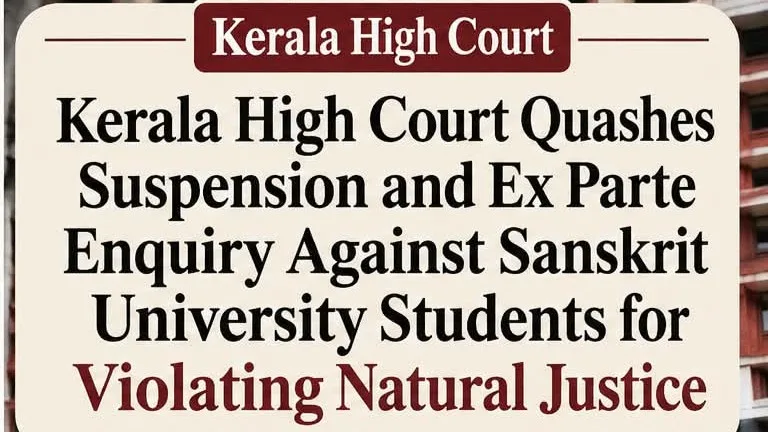
Sixteen students of Sree Sankaracharya University of Sanskrit, Kalady challenged their suspension and subsequent disciplinary punishments arising out of a campus protest during a…
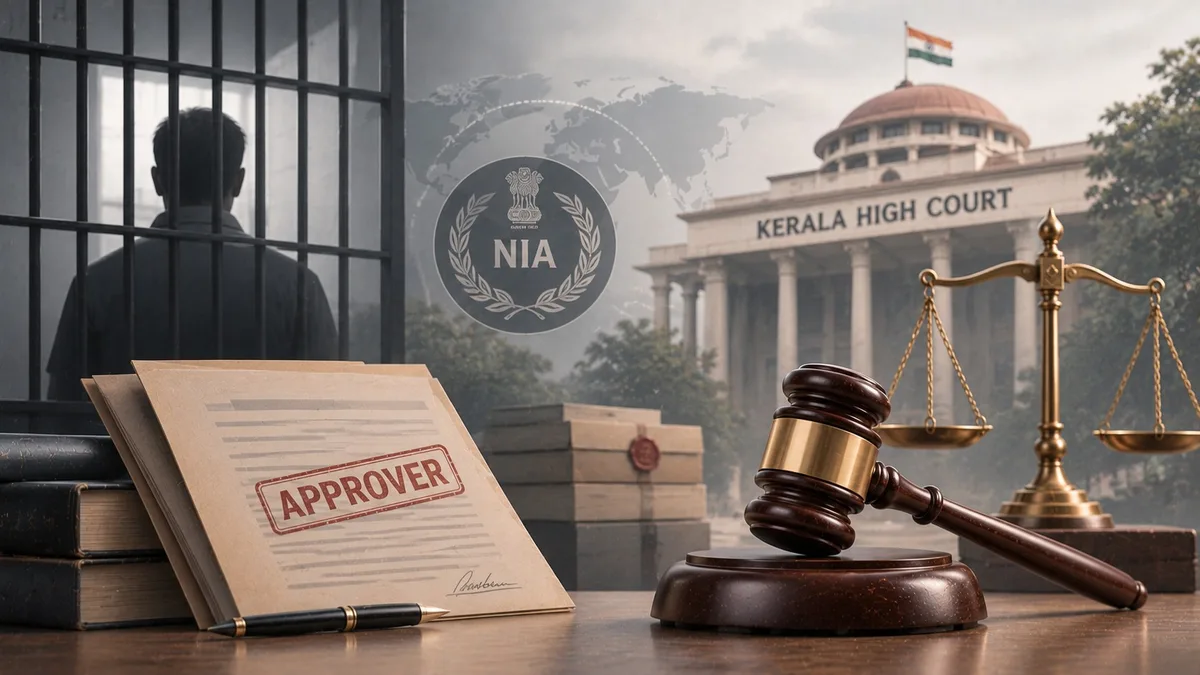
The Kerala High Court held that the custody requirement in Section 306 4 b of the Code of Criminal Procedure, 1973 CrPC applies to a pardon tendered by a Magistrate under Section…

National Testing Agency had applied an incorrect typing-speed threshold and the assessment required correction, the identified discrepancies did not establish that the…
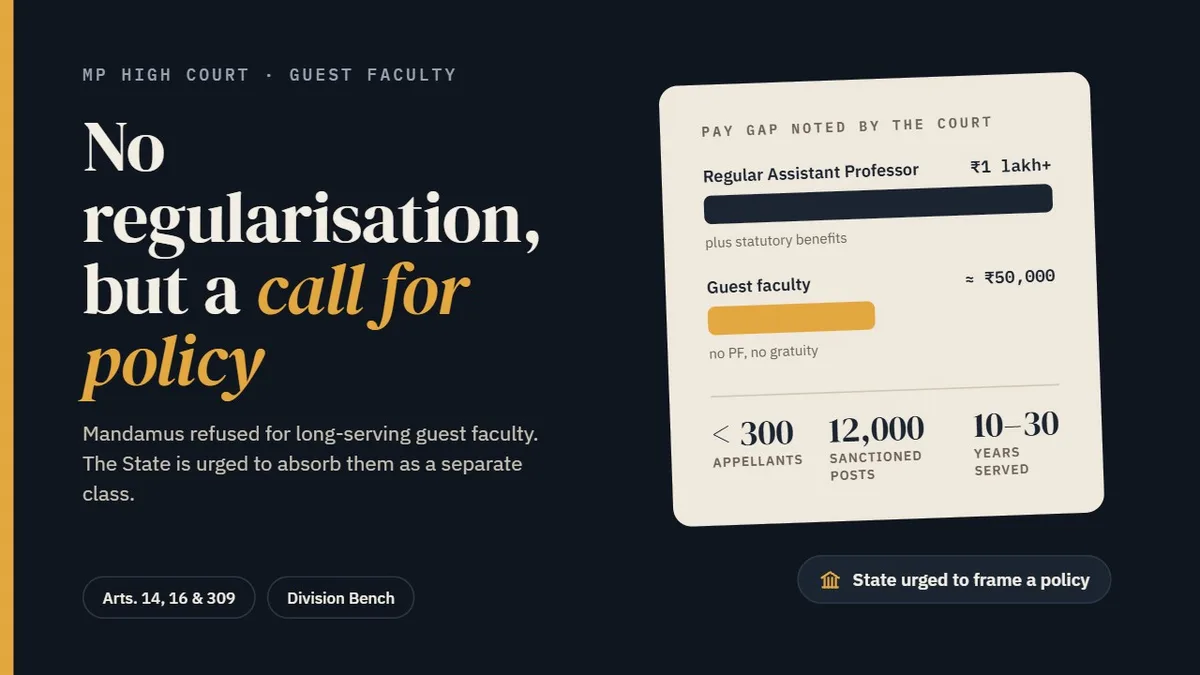
A batch of writ appeals was filed by guest faculty – Assistant Professors, Sports Officers and Librarians engaged after advertisement and selection and serving 10 to 30 years in…
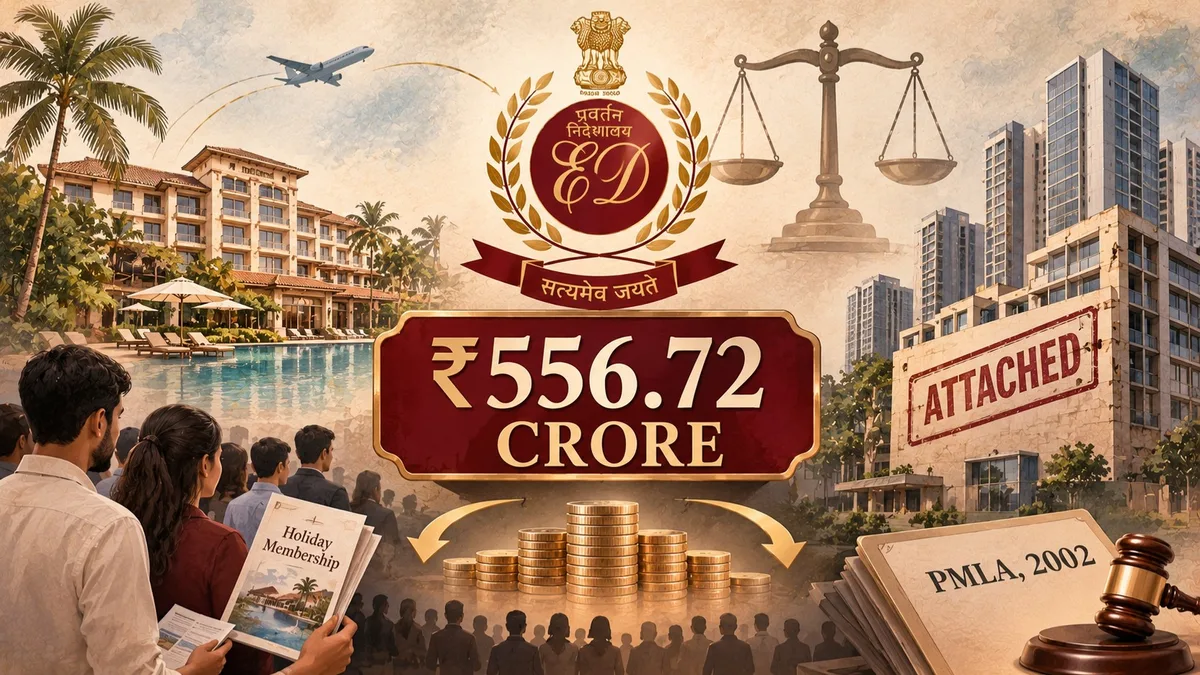
Directorate of Enforcement, Mumbai Zonal Office-I | Draft Press Release | 23 November 2026 The Directorate of Enforcement's draft press release states that its Mumbai Zonal…

The Directorate of Enforcement's draft press release states that its Guwahati Zonal Office-I has provisionally attached movable and immovable properties valued at ₹70.09 lakh in a…

The National Company Law Tribunal, New Delhi Court-IV, approved a resolution plan valued at ₹30.90 crore for Shyam Indofab Private Limited on 8 September 2026. The plan, submitted…