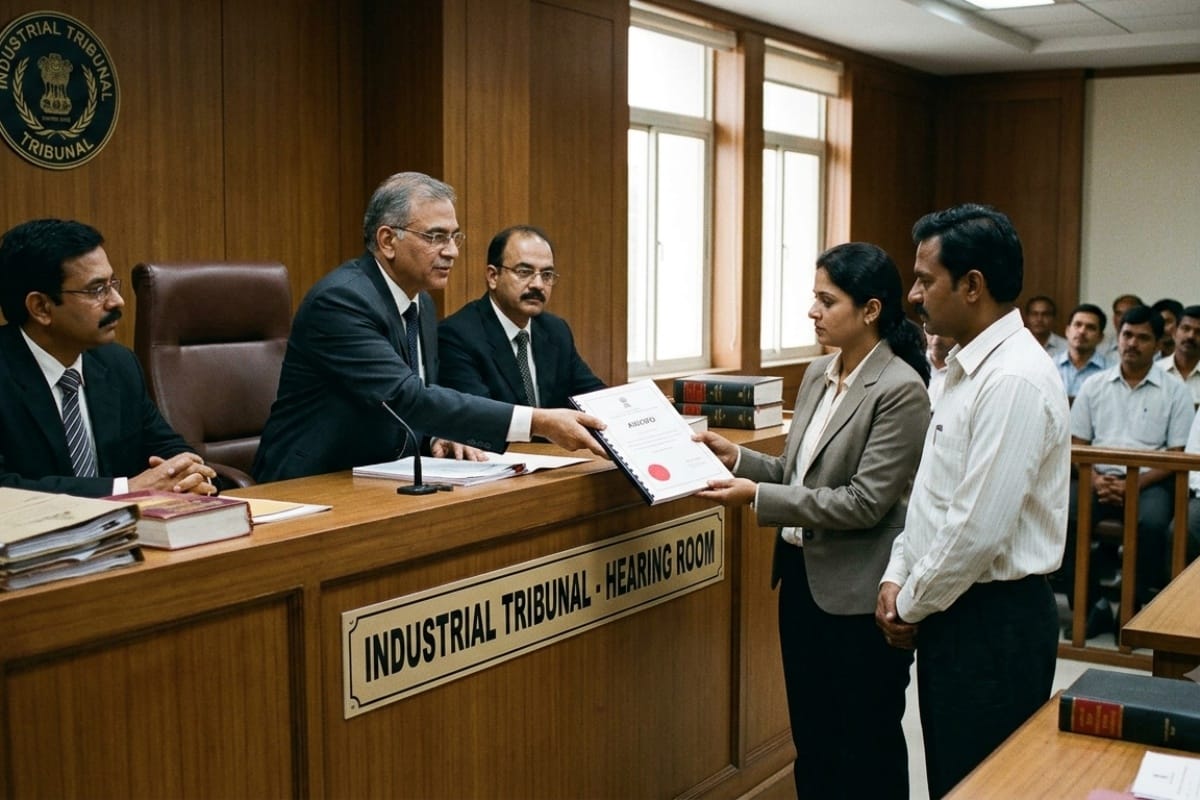
Deciding two connected writ petitions arising from a common Industrial Tribunal Award, the Delhi High Court set aside the Tribunal's direction granting hotel workmen a further…
Labour Laws
06/09/20264 min read
The Supreme Court, in its recent decision dated September 15, 2025, addressed the contentious issue of whether it is arbitrary to restrict the creation of waqfs exclusively to Muslims. The case focused on the amended provisions of the Waqf (Amendment) Act, 2025. Specifically, Section 3(1)(r) requires that only individuals who have practiced Islam for at least five years may dedicate their property as waqf. The petitioners argued that such restrictions are arbitrary and violate the rights of non-Muslims, who should be permitted to dedicate property for waqf purposes. However, the Supreme Court, led by Chief Justice BR Gavai and Justice AG Masih, found this contention self-contradictory. The bench observed that waqf is essentially a religious endowment specific to Islam. Therefore, insisting that non-Muslims be provided the right to create waqf conflicts with the very religious nature of the institution. The bench also noted that non-Muslim citizens retain the ability to donate or dedicate their property for charitable purposes through the creation of public or private trusts. This alternative legal mechanism fulfills similar societal and philanthropic objectives as waqf, without appropriating Islamic religious practices. The Court also refused to stay the deletion of Section 104, which earlier allowed non-Muslims to create waqf, highlighting consistency with the new definition under the amended Act. The judgment included other significant orders, such as staying certain provisions related to registration and addressing the abolition of 'waqf by user.' Overall, the Supreme Court found no prima facie arbitrariness in restricting waqf creation to Muslims, so long as other means for charitable giving remain open to all citizens. This ruling emphasizes the religious specificity and legislative intent behind waqf in India while protecting broader charitable rights for all communities.
Deciding two connected writ petitions arising from a common Industrial Tribunal Award, the Delhi High Court set aside the Tribunal's direction granting hotel workmen a further…
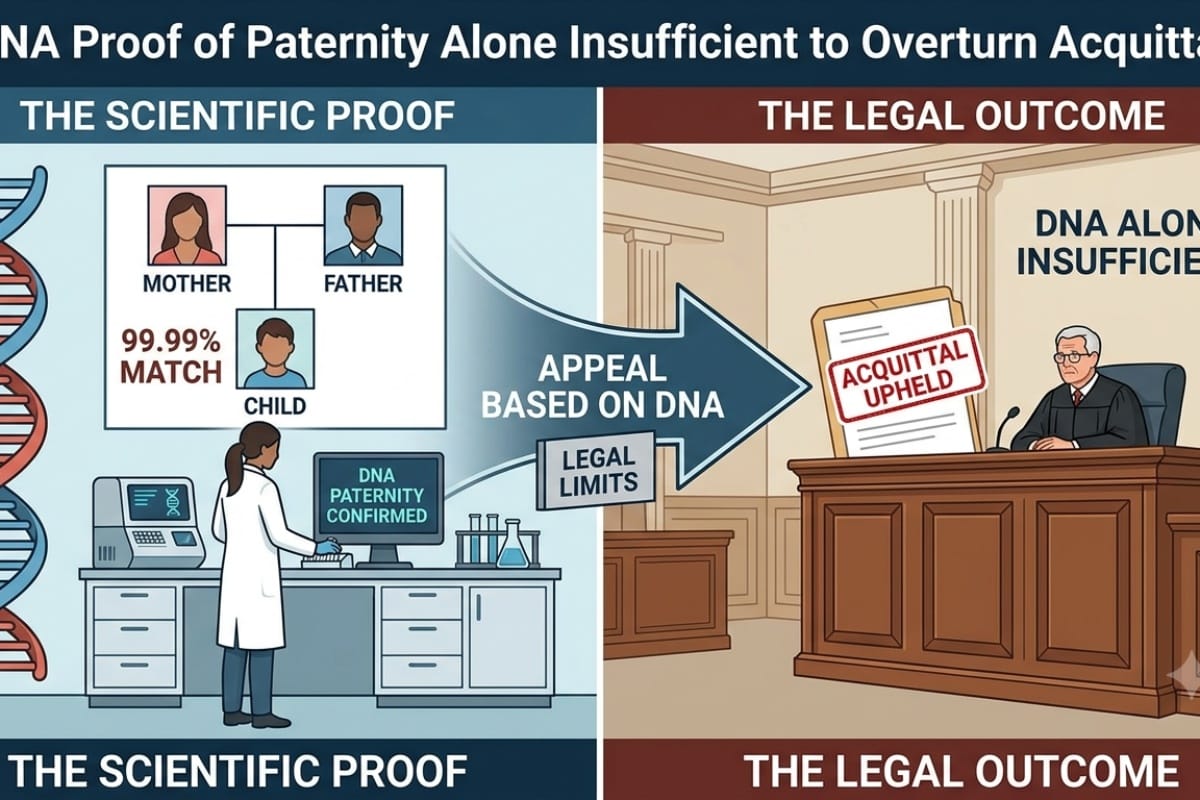
Headnote The Delhi High Court dismissed a prosecutrix's appeal against acquittal of the accused on charges under Sections 328/376 2 n /377/506/509 IPC, despite DNA evidence…
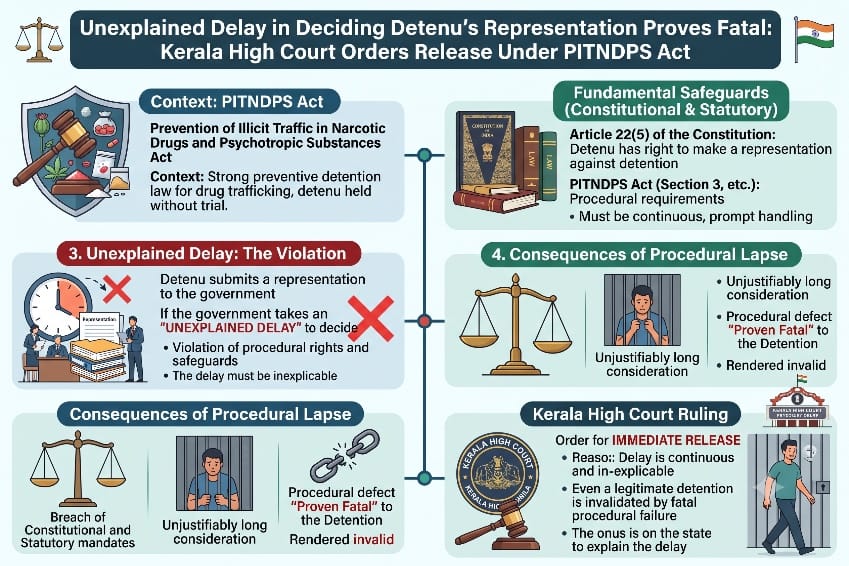
Fathimath Thasneem V.K. v. Union of India and Others | High Court of Kerala at Ernakulam | 3rd September, 2026 A habeas corpus writ petition by the wife of a detenu challenging…
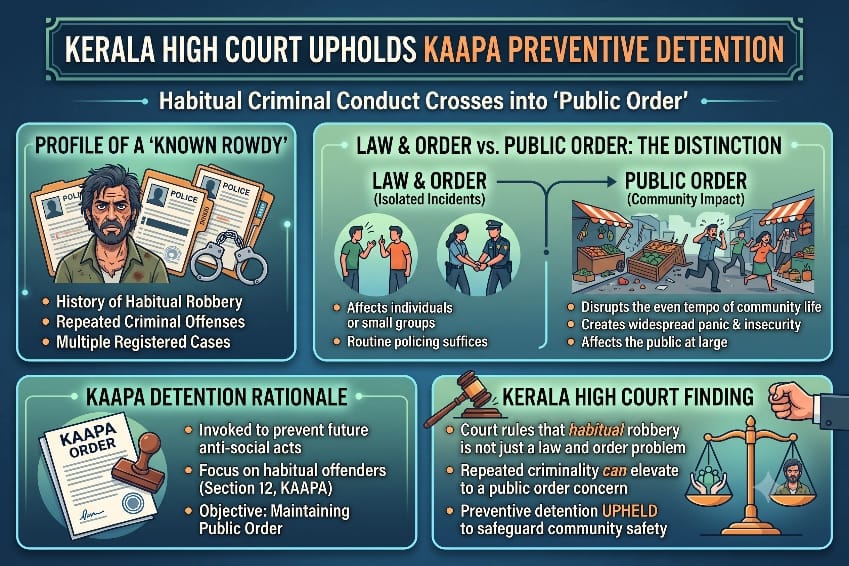
Thasmitha Abukutty v. State of Kerala and Others | High Court of Kerala at Ernakulam | 2nd September, 2026 A writ petition by the wife of a preventive detenu challenging a…
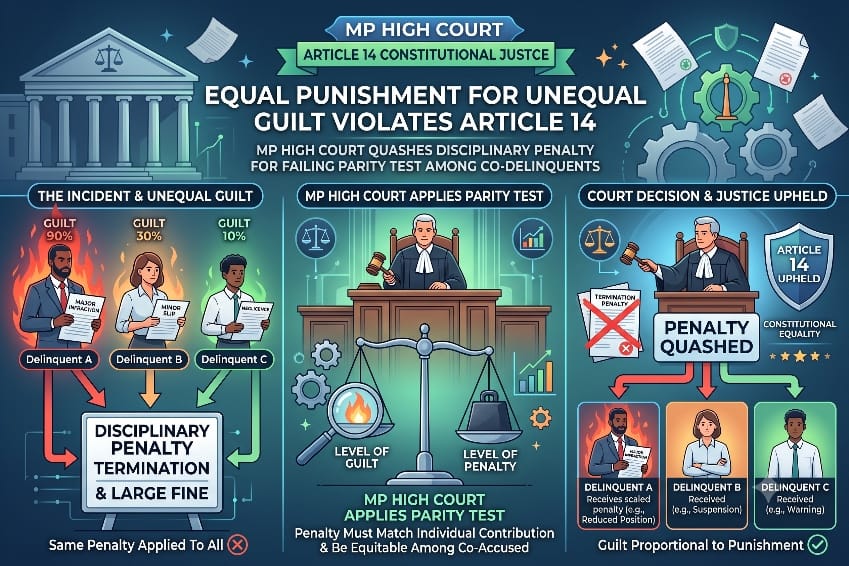
Brahm Kishore Dixit v. The State of Madhya Pradesh and Others | High Court of Madhya Pradesh, Gwalior | 1st September, 2026 A writ petition under Article 226 by a police Assistant…
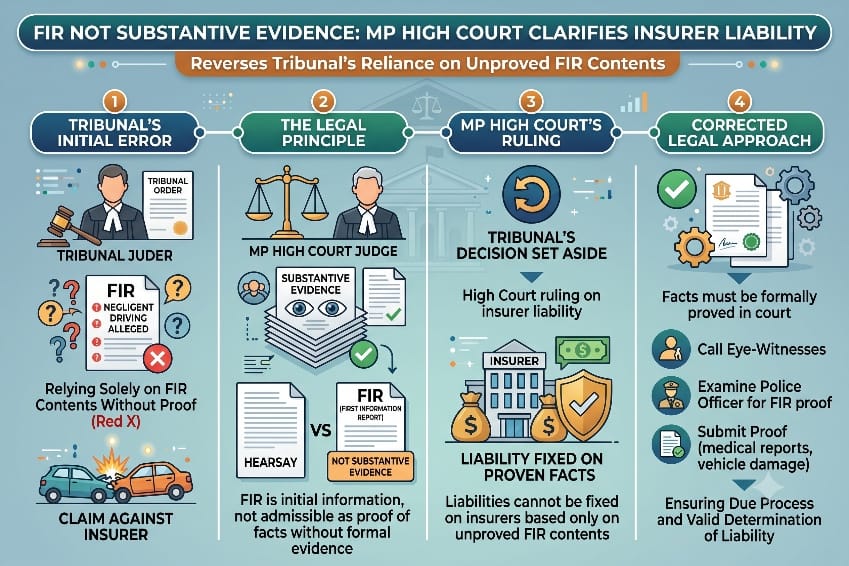
Anil Kumar Patel v. Smt. Munni Bai Barman and Others | High Court of Madhya Pradesh, Jabalpur | 1st September, 2026 A Motor Vehicle Act appeal under Section 173 1 against a Claims…
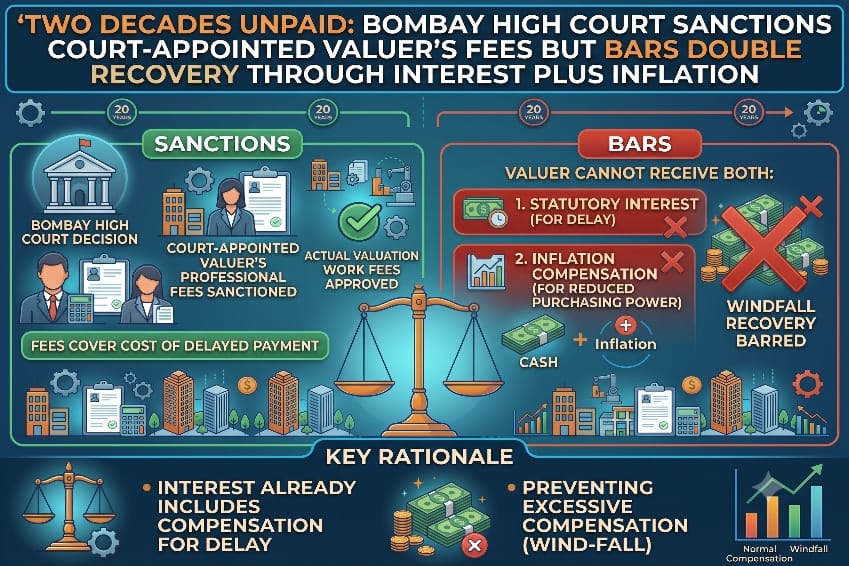
M/s. Kuber Mutual Benefits Ltd. & Ors. v. The State of Maharashtra & Ors. | High Court of Judicature at Bombay Appellate Side | 3rd September, 2026 A Court Receiver's Report…
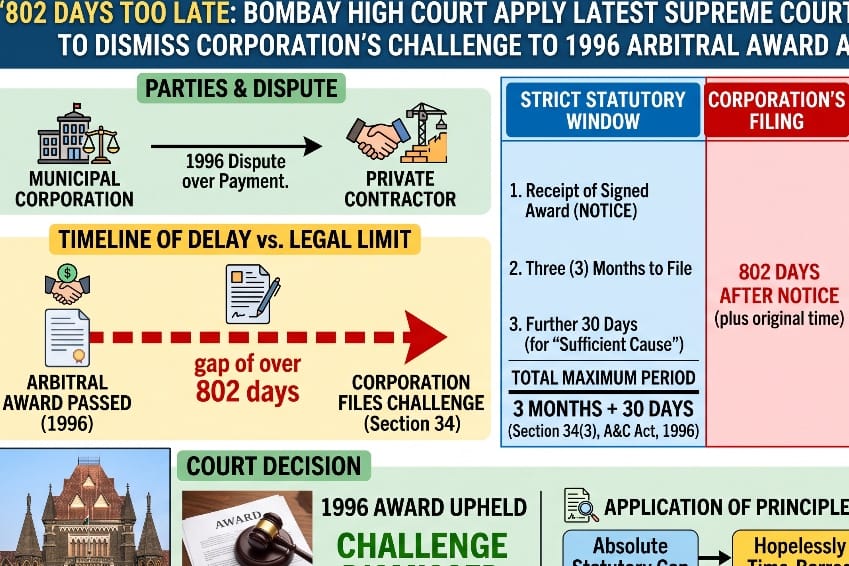
The Municipal Corporation of Greater Bombay v. M/s. Atul Raj Builders Pvt. Ltd. | High Court of Judicature at Bombay Ordinary Original Civil Jurisdiction | 3rd September, 2026 A…
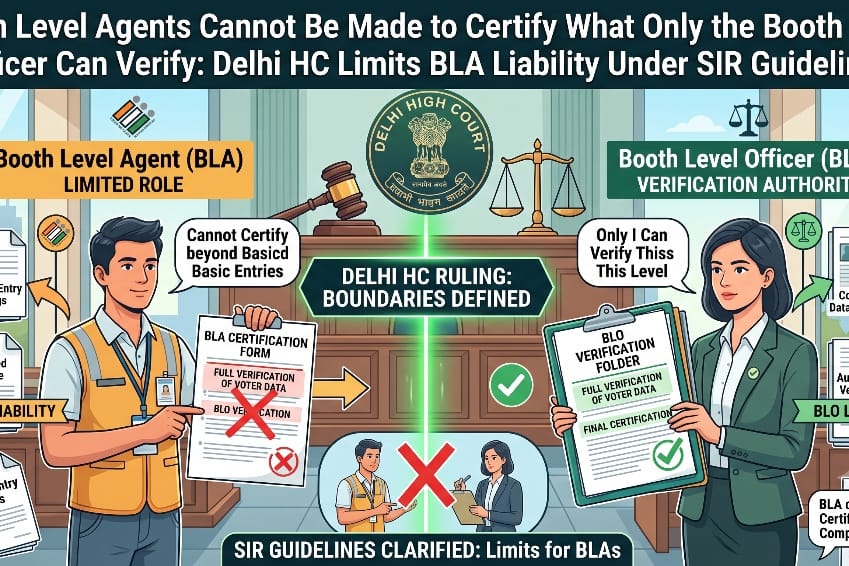
Devender Yadav & Anr. v. Election Commission of India & Anr. | High Court of Delhi Single Judge | Decided on: 03.09.2026 In a challenge to the Election Commission of India's…
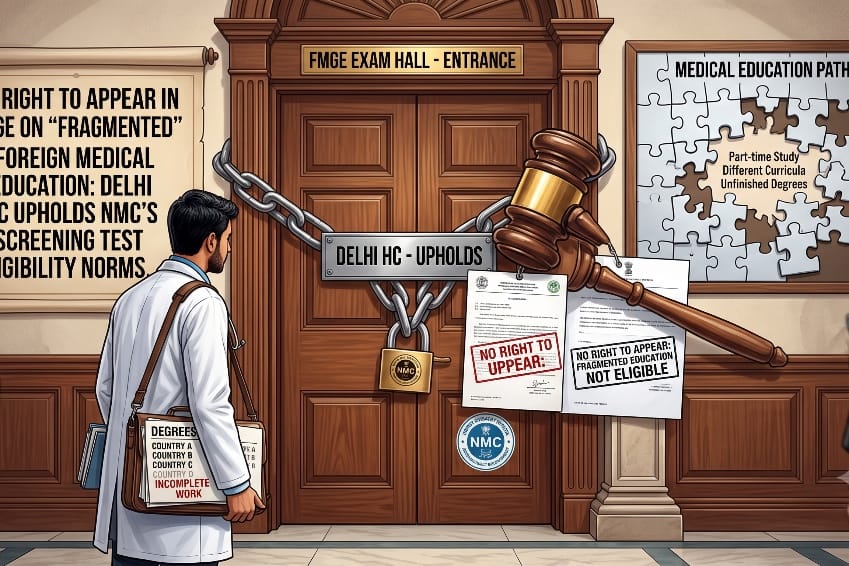
Brij Sharadbhai Bhatt & Ors. v. National Medical Commission & Ors. | High Court of Delhi Division Bench | Decided on: 03.09.2026 The Delhi High Court dismissed a challenge by…