
The Madhya Pradesh High Court held that where a party obtains a certified copy of an arbitral award, limitation for an application under Section 34 of the Arbitration and…
Other Legal Matters
Court / Authority
Bombay High Court
Update / Judgement Date
21 Oct 2026
Date of Publication
27 Oct 2026
Case No.
Criminal Appeal No. 478 of 2026
Source
WCP News Bulletin
Author
Dipanshi Bansal — WCP Legal Desk
Reading Time
5 min read
View Count
1

The Bombay High Court considered cross-appeals against an Appellate Tribunal order continuing provisional attachment of two properties to the extent of Rs. 25 crore in proceedings involving the Directorate of Enforcement. The Court examined whether the transactions relied upon by the ED could be treated as proceeds of crime under the Prevention of Money-Laundering Act, 2002 (PMLA). On the material before it, the Court found that the relevant transactions were legal banking/business transactions and were not shown to constitute proceeds of crime. It therefore found no basis to continue attachment of the two properties. The appeal by Avinash Bhosale and others was allowed, while the ED's appeal was dismissed. (Paras 1–24)
Key Proposition: The continuation of attachment under the PMLA cannot be sustained where the transactions relied upon by the enforcement authority are not shown, on the material before the Court, to constitute proceeds of crime.
Background / Synopsis :
Issues For Consideration :
Submissions Of Parties :
Appellants in Criminal Appeal No. 478 of 2026:
Directorate of Enforcement:
Court's Observations & Analysis :
Re: Meaning and scope of proceeds of crime
Re: Continuation of attachment
Notable Observations: Notable Observations: None.
Decision & Directions :
Full Judgement / Attachment
Full Judgement
The Madhya Pradesh High Court held that where a party obtains a certified copy of an arbitral award, limitation for an application under Section 34 of the Arbitration and…

The Madhya Pradesh High Court held that an unregistered document recording a purported sale of the shop did not transfer title and did not terminate the tenancy where termination…
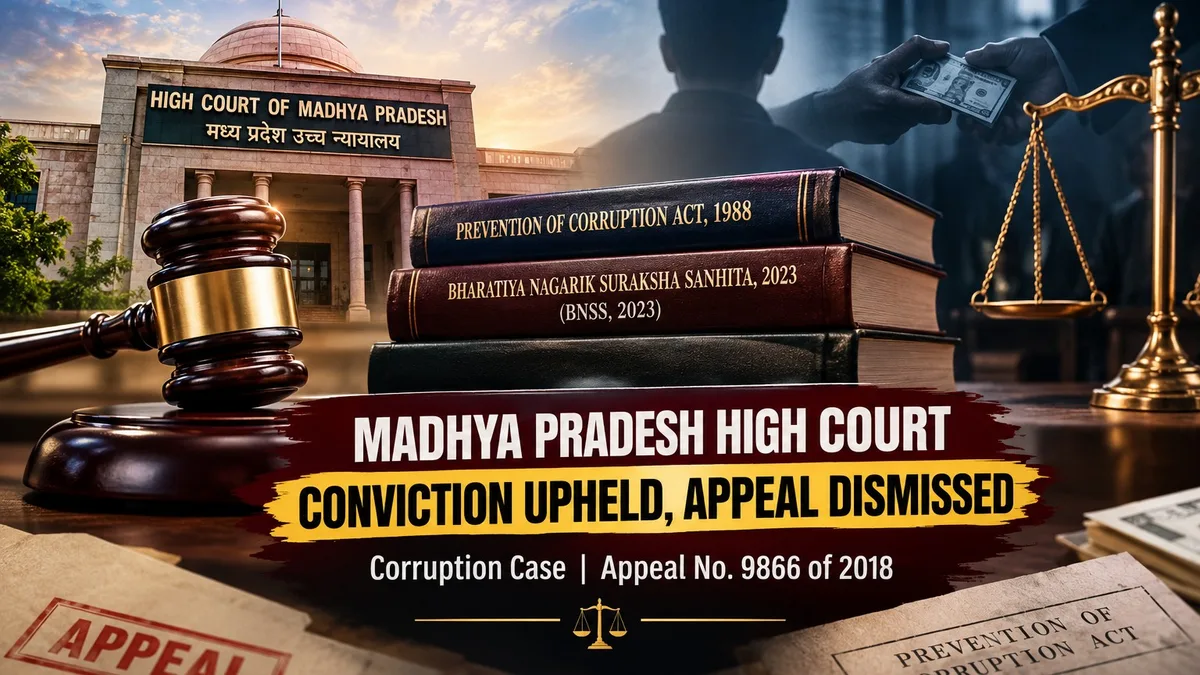
The Madhya Pradesh High Court set aside Bharat Bairagi’s conviction under Section 7 of the Prevention of Corruption Act, 1988, holding that the prosecution failed to prove a clear…
Case Header Case / Party Name: Moiz Dawoodbhai Palitanawala & Ors. v. The Municipal Corporation of Greater Mumbai & Ors. Court Name: High Court of Judicature at Bombay – Ordinary…
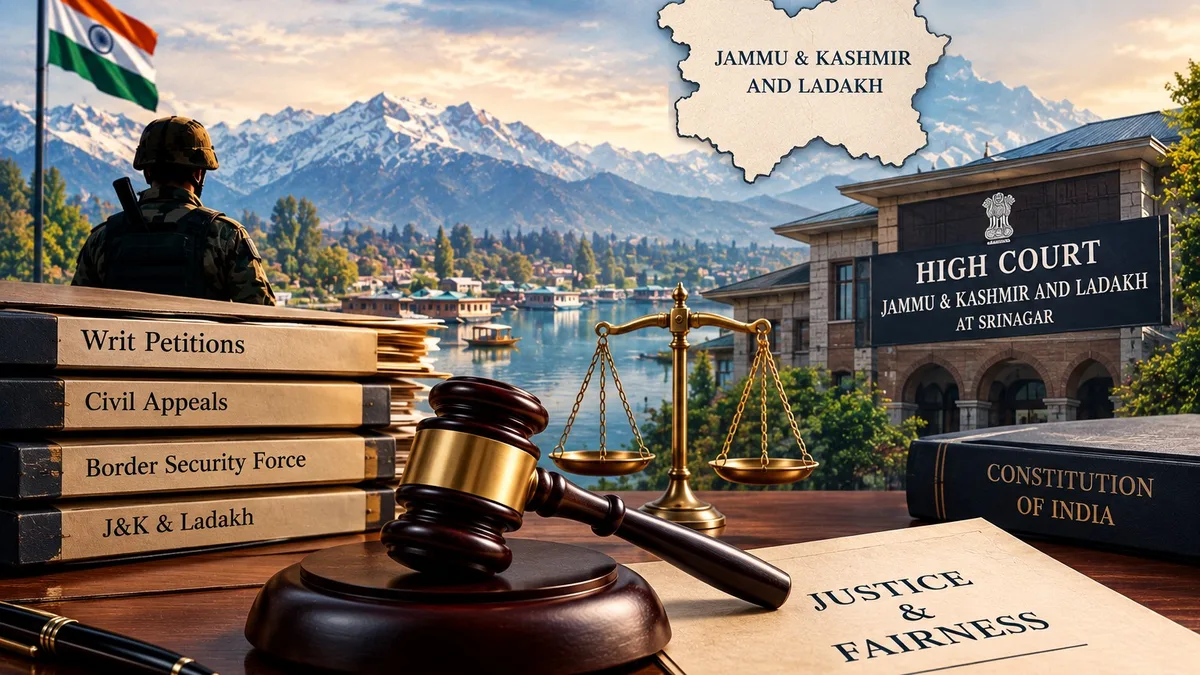
A large batch of writ petitions concerned the engagement and proposed disengagement of Gram Rozgar Sevaks and supporting staff under the MGNREGA Scheme in the erstwhile State of…
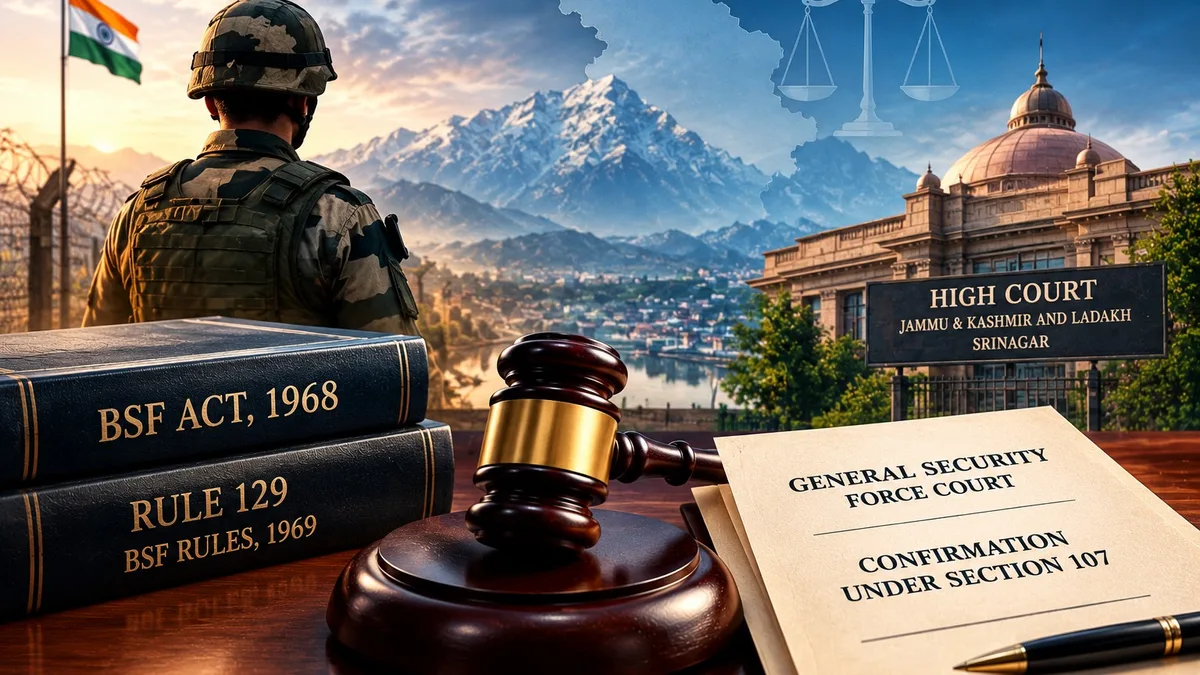
The Division Bench of the High Court of Jammu & Kashmir and Ladakh reversed a Single Judge decision that had struck down Rule 129 of the Border Security Force Rules, 1969. The…
The Division Bench considered an appeal and writ petition arising from consumer complaints involving claims above Rs. 50 lakh. The J&K State Consumer Disputes Redressal Commission…

The Bombay High Court held that where MahaRERA had dismissed a complaint only on the preliminary issue of maintainability, the Maharashtra Real Estate Appellate Tribunal could…

The Bombay High Court dealt with five connected Criminal Writ Petitions challenging orders issuing bailable or non-bailable warrants against the petitioners. The petitioners,…

The defendants in a long-pending trademark infringement suit sought a stay under Section 124 of the Trade Marks Act, 1999 on the basis of rectification applications alleging…