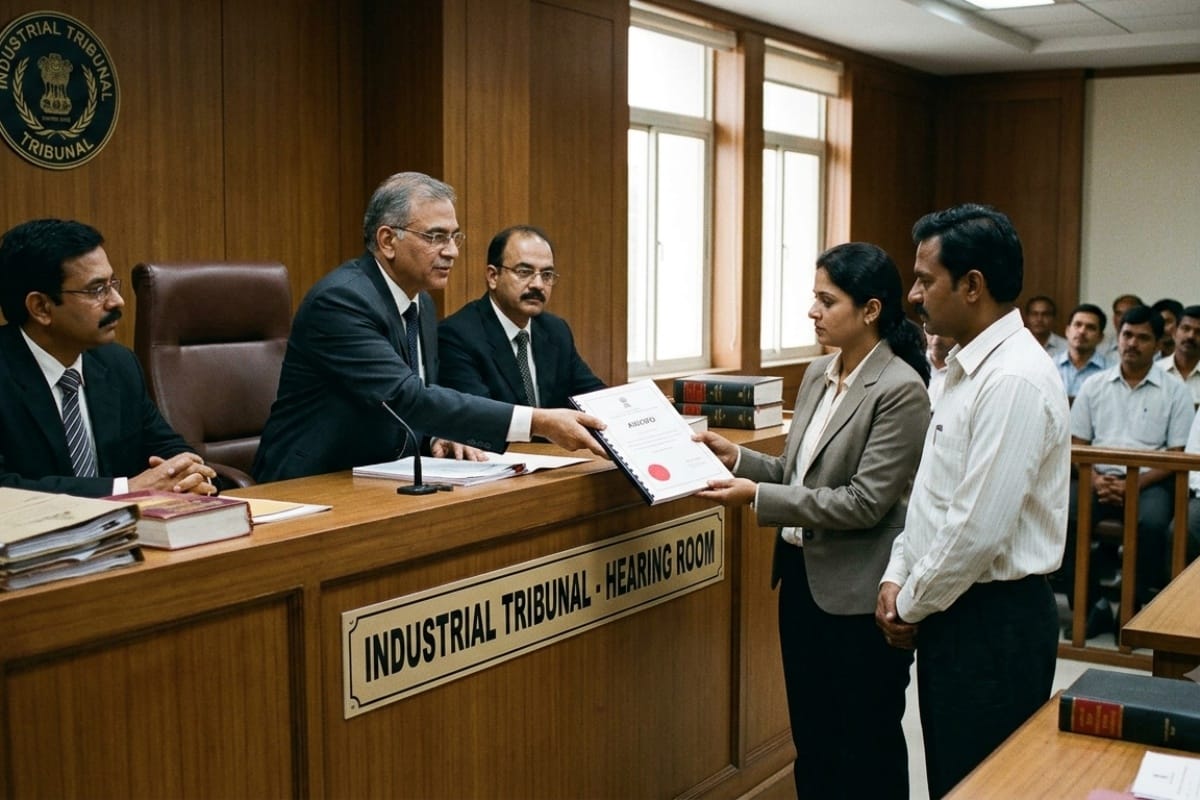
Deciding two connected writ petitions arising from a common Industrial Tribunal Award, the Delhi High Court set aside the Tribunal's direction granting hotel workmen a further…
Labour Laws
06/09/20264 min read
The Supreme Court ruled that a counter-claim under Order VIII Rule 6-A of the CPC is maintainable only against the plaintiff and not against a co-defendant. The judgment overturned the Calcutta High Court's decision which had allowed a counter-claim between co-defendants in a dispute involving specific performance of a property agreement. The appellant had filed for declaration and injunction regarding an agreement to sell, and after years of litigation, a co-defendant attempted to file a counter-claim for specific performance against another co-defendant after the framing of issues and the death of an original defendant. The Supreme Court cited Rohit Singh v. State of Bihar (2006) as precedential authority and clarified that counter-claims directed solely against co-defendants or framed after issues are finalized are impermissible, reinforcing that the procedural integrity and timing under CPC must be adhered to strictly. The judgment underscores the importance of maintaining clarity and sequence in civil litigation, thereby safeguarding the primary adversarial structure where the plaintiff and the defendant contest rights and claims. The judgment serves as a precedent restricting attempts to interject new claims against parties who were not originally opposing parties in the suit and affirms that specific performance claims cannot be advanced through counter-claims against co-defendants but must be asserted in a separate legal proceeding. The Court accordingly allowed the appeal and reversed the High Court's contrary direction, emphasizing adherence to procedural law and the proper interpretation of counter-claim provisions in Indian civil procedure.
Deciding two connected writ petitions arising from a common Industrial Tribunal Award, the Delhi High Court set aside the Tribunal's direction granting hotel workmen a further…
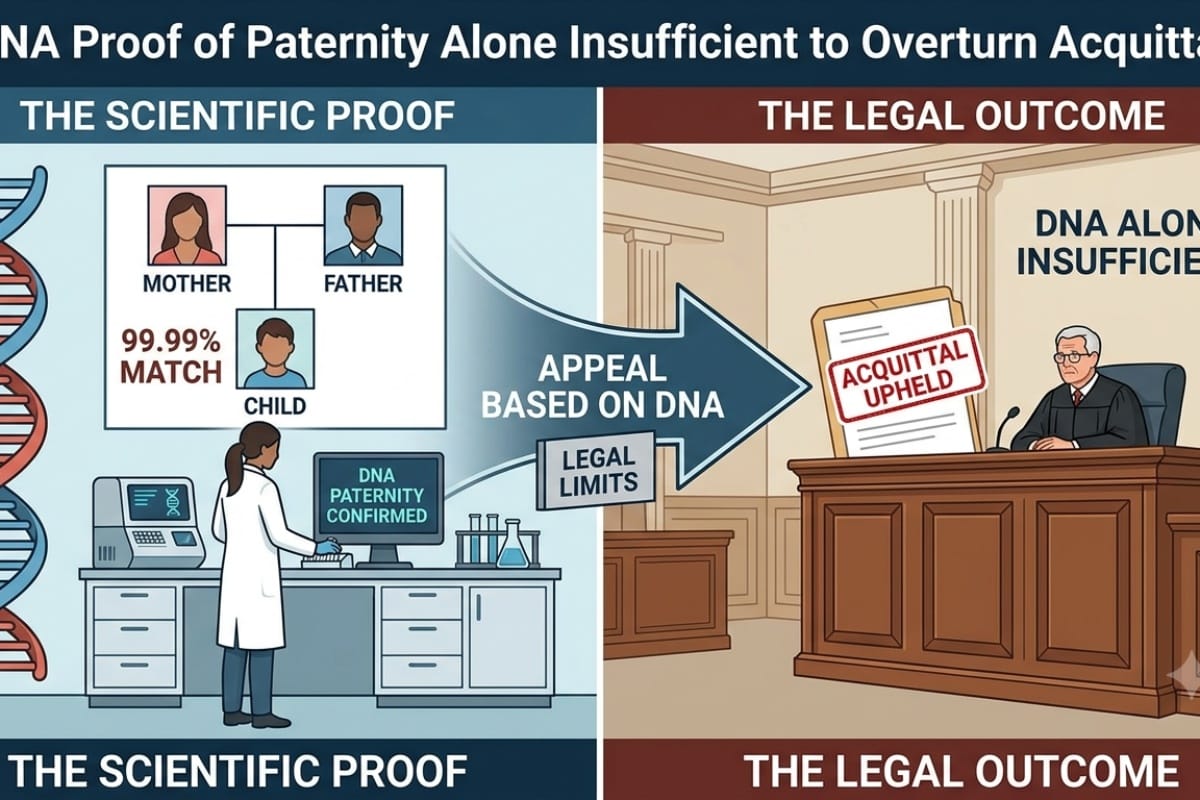
Headnote The Delhi High Court dismissed a prosecutrix's appeal against acquittal of the accused on charges under Sections 328/376 2 n /377/506/509 IPC, despite DNA evidence…
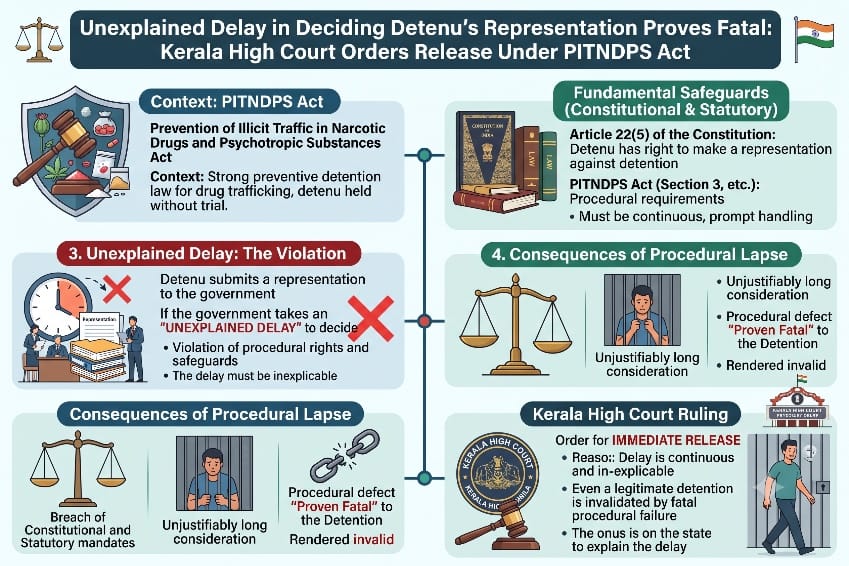
Fathimath Thasneem V.K. v. Union of India and Others | High Court of Kerala at Ernakulam | 3rd September, 2026 A habeas corpus writ petition by the wife of a detenu challenging…
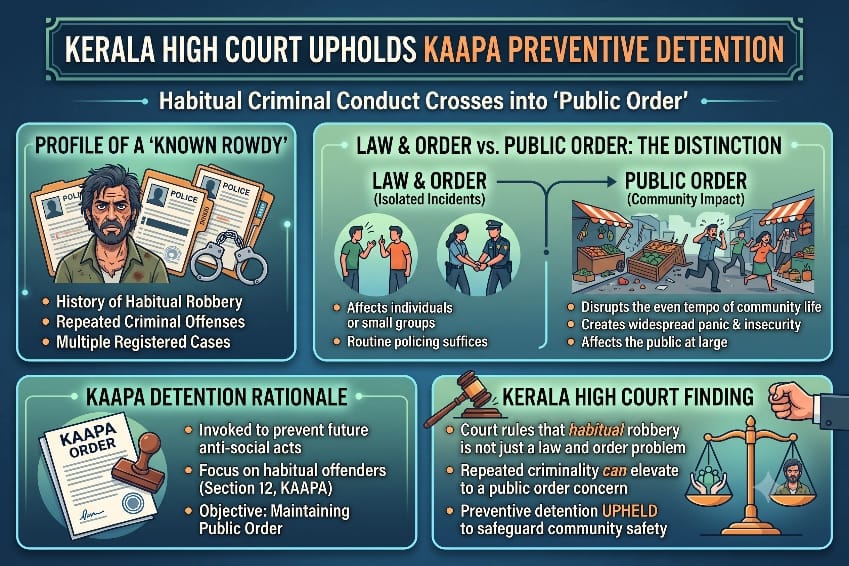
Thasmitha Abukutty v. State of Kerala and Others | High Court of Kerala at Ernakulam | 2nd September, 2026 A writ petition by the wife of a preventive detenu challenging a…
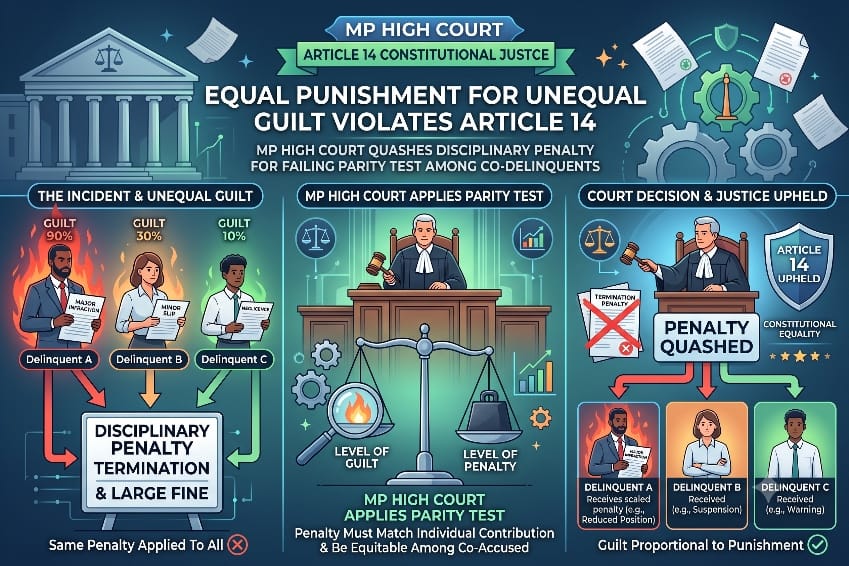
Brahm Kishore Dixit v. The State of Madhya Pradesh and Others | High Court of Madhya Pradesh, Gwalior | 1st September, 2026 A writ petition under Article 226 by a police Assistant…
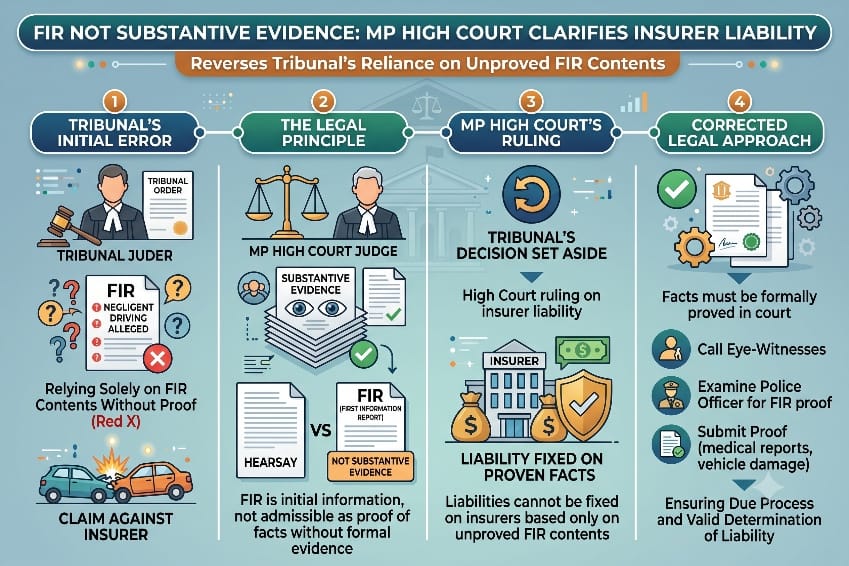
Anil Kumar Patel v. Smt. Munni Bai Barman and Others | High Court of Madhya Pradesh, Jabalpur | 1st September, 2026 A Motor Vehicle Act appeal under Section 173 1 against a Claims…
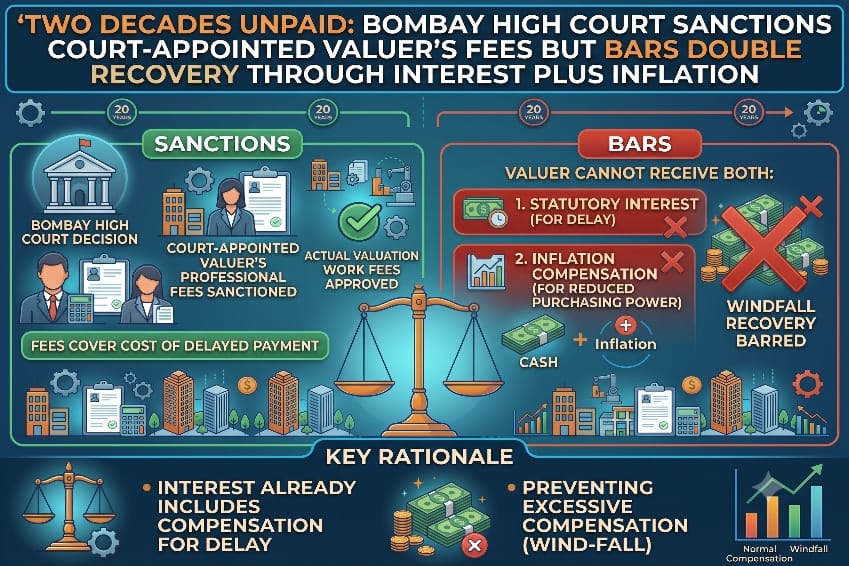
M/s. Kuber Mutual Benefits Ltd. & Ors. v. The State of Maharashtra & Ors. | High Court of Judicature at Bombay Appellate Side | 3rd September, 2026 A Court Receiver's Report…
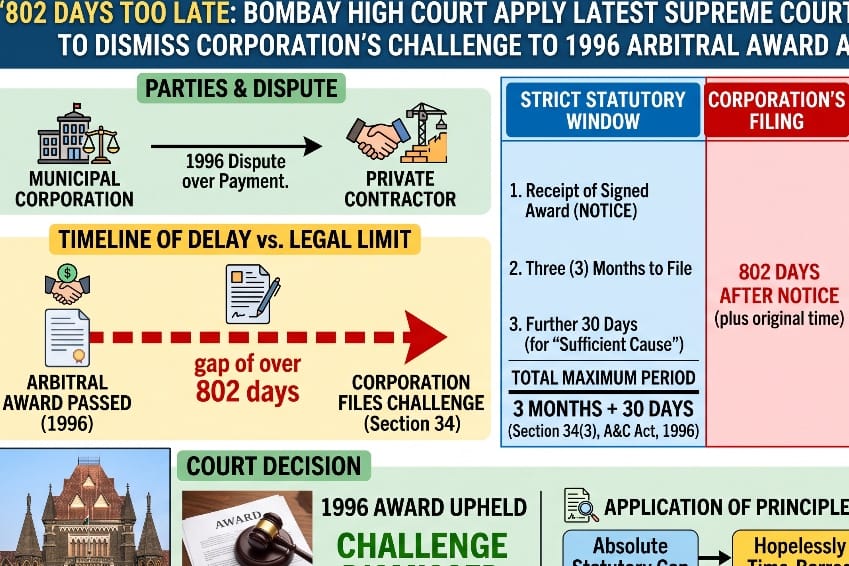
The Municipal Corporation of Greater Bombay v. M/s. Atul Raj Builders Pvt. Ltd. | High Court of Judicature at Bombay Ordinary Original Civil Jurisdiction | 3rd September, 2026 A…
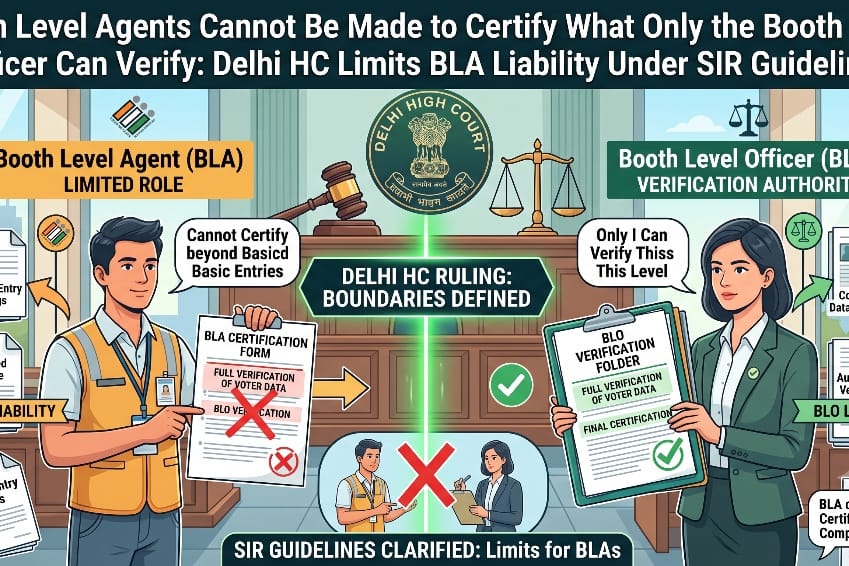
Devender Yadav & Anr. v. Election Commission of India & Anr. | High Court of Delhi Single Judge | Decided on: 03.09.2026 In a challenge to the Election Commission of India's…
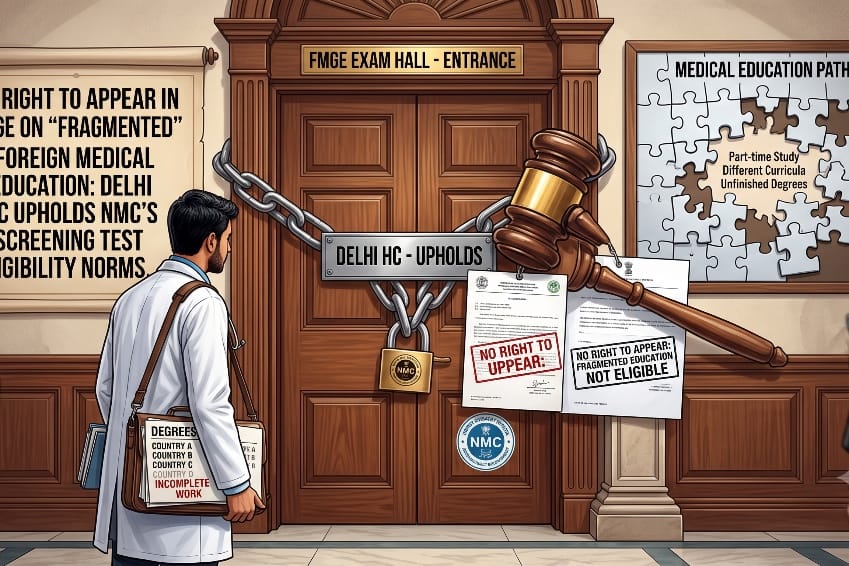
Brij Sharadbhai Bhatt & Ors. v. National Medical Commission & Ors. | High Court of Delhi Division Bench | Decided on: 03.09.2026 The Delhi High Court dismissed a challenge by…