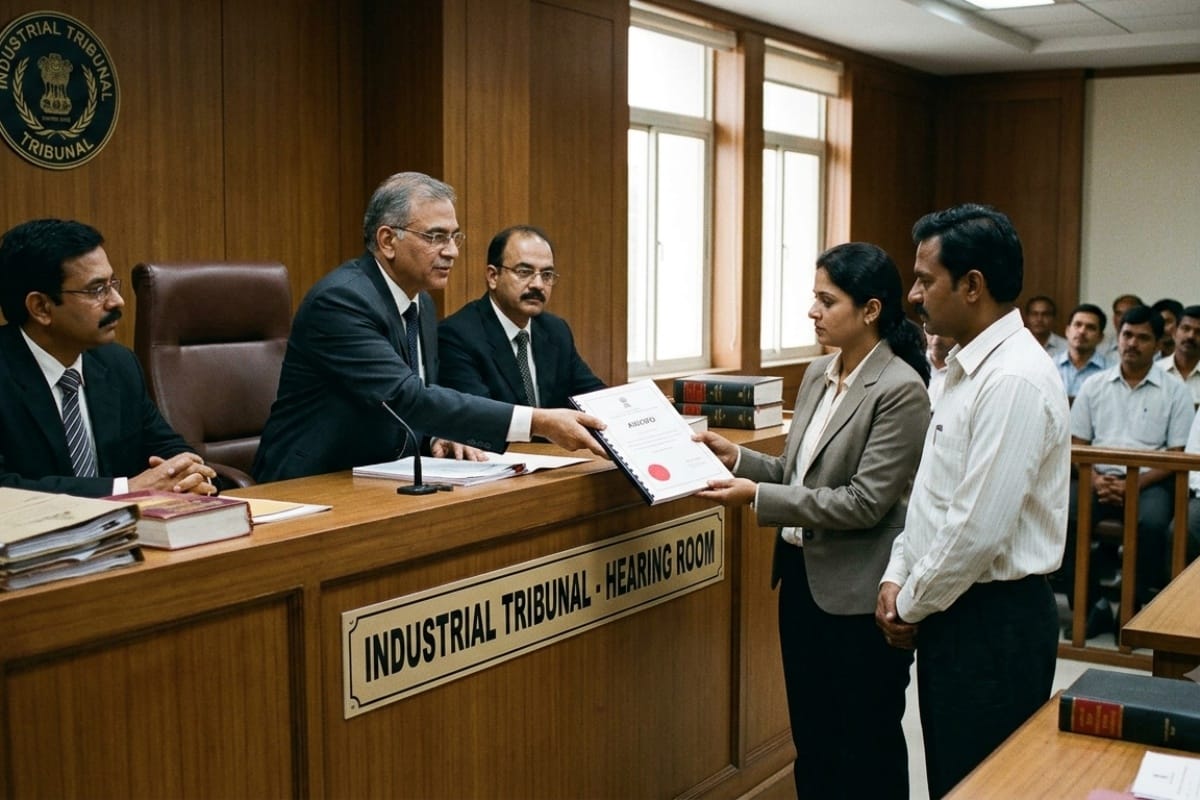
Deciding two connected writ petitions arising from a common Industrial Tribunal Award, the Delhi High Court set aside the Tribunal's direction granting hotel workmen a further…
Labour Laws
06/09/20264 min read
Update / Judgement Date
06 Oct 2025
Source
WCP News Bulletin
Author
Sakshi Bhardwaj — WCP Legal Desk
Reading Time
3 min read
Headnote:
The Supreme Court of India, Criminal Appellate Jurisdiction, allowed Criminal Appeals Nos. 476-477 of 2013 filed by Rajendra Singh and others, challenging the High Court of Uttarakhand’s judgment convicting them under Section 302 IPC. The appellants, father, son, and son-in-law, were accused of murdering Pushpendra Singh. The Trial Court had acquitted them, but the High Court reversed the acquittal and sentenced them to life imprisonment with a fine of Rs.10,000 each. The apex court held that the identity of the appellants was not established by reliable ocular evidence or recovery of weapons. Testimonies of key witnesses were found inconsistent, and Section 27 of the Evidence Act clarified that only information leading to discovery of weapons is admissible, not statements admitting the crime. The Court emphasized that the High Court erred in interfering with the acquittal without finding the Trial Court’s findings perverse.
Background:
The appellants were accused of murdering Pushpendra Singh on 03.06.2000 after an altercation over digging Diler Singh’s field. The prosecution relied primarily on testimonies of PW-1 (father of deceased), PW-2 (Jwala Singh), and PW-7 (Amarjeet Kaur). PW-7’s testimony indicated that the assailants were unknown to her, undermining identification claims. No identification parade was conducted. Weapons were allegedly recovered based on appellants’ disclosures, but no forensic evidence linked them to the crime. The Trial Court acquitted the appellants, whereas the High Court reversed the acquittal.
Court Opinion/Analysis:
The Supreme Court found that the High Court erred in reversing the Trial Court’s acquittal. Ocular evidence was insufficient to identify the appellants, and the recovery of weapons alone did not establish guilt. The Trial Court’s findings, which observed witness demeanor, were more reliable. The Court allowed the appeals, set aside the convictions, and acquitted the appellants, granting them the benefit of doubt. Bail bonds were discharged.
Legal Provisions Invoked:
Section 302 IPC – Punishment for murder
Sections 25, 26, 27 Indian Evidence Act, 1872 – Admissibility of confessions and discovery of facts from accused in police custody
Key Legal Principles:
Case Details:
Court: Supreme Court of India
Judges: Hon’ble Mr. Justice Pankaj Mithal & Hon’ble Mr. Justice Prasanna B. Varale
Date of Order: 07.10.2025
Criminal Appeal Nos.: 476-477 of 2013
Deciding two connected writ petitions arising from a common Industrial Tribunal Award, the Delhi High Court set aside the Tribunal's direction granting hotel workmen a further…
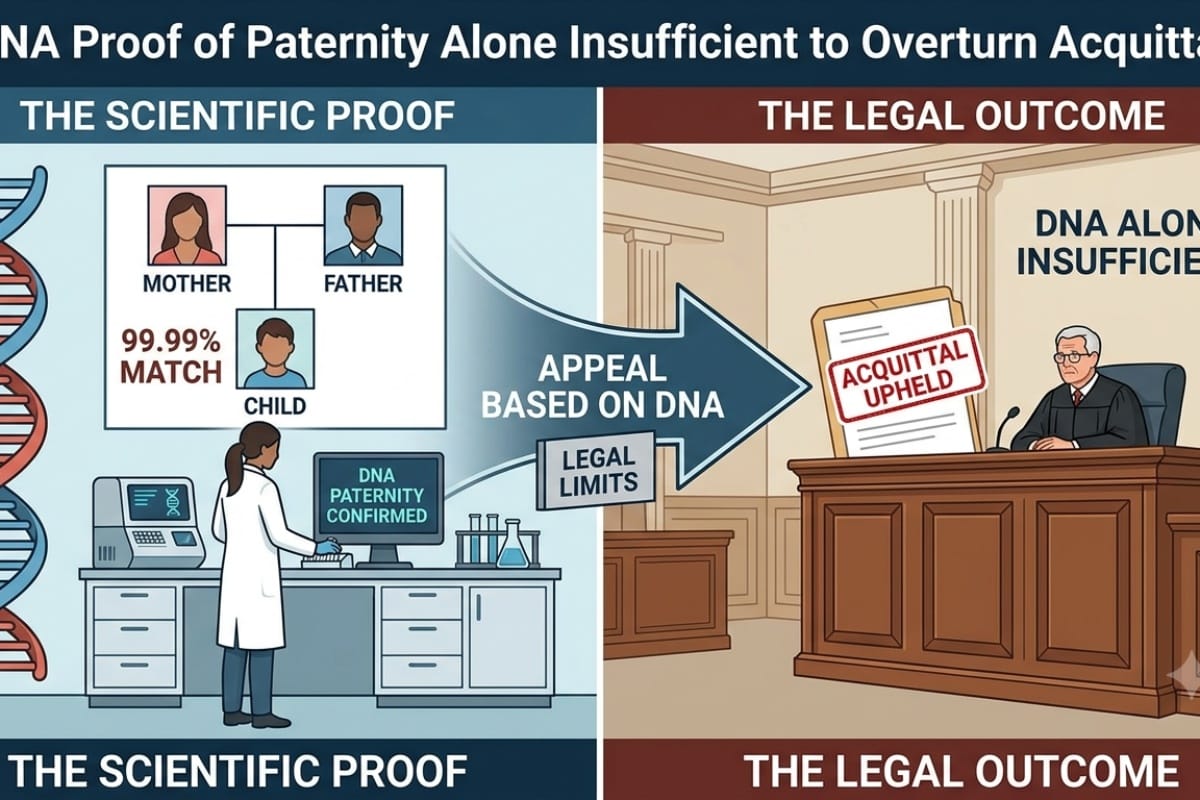
Headnote The Delhi High Court dismissed a prosecutrix's appeal against acquittal of the accused on charges under Sections 328/376 2 n /377/506/509 IPC, despite DNA evidence…
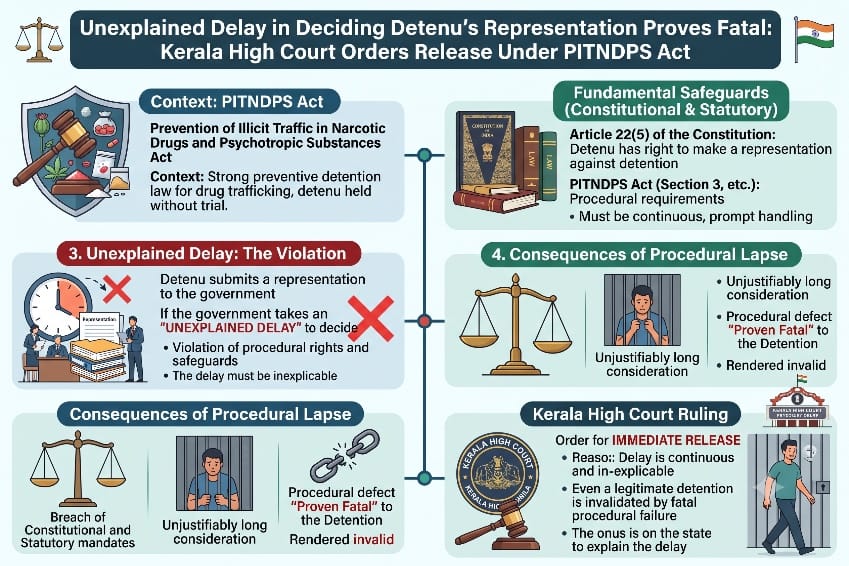
Fathimath Thasneem V.K. v. Union of India and Others | High Court of Kerala at Ernakulam | 3rd September, 2026 A habeas corpus writ petition by the wife of a detenu challenging…
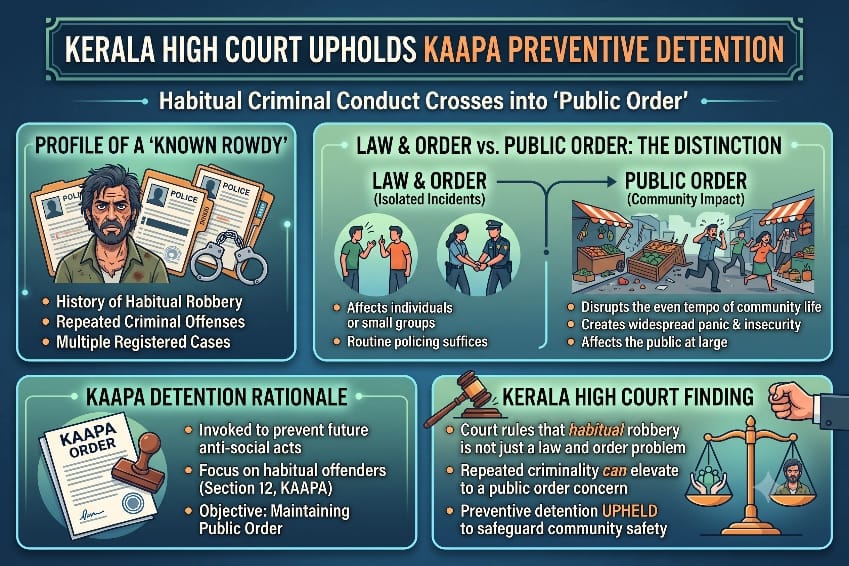
Thasmitha Abukutty v. State of Kerala and Others | High Court of Kerala at Ernakulam | 2nd September, 2026 A writ petition by the wife of a preventive detenu challenging a…
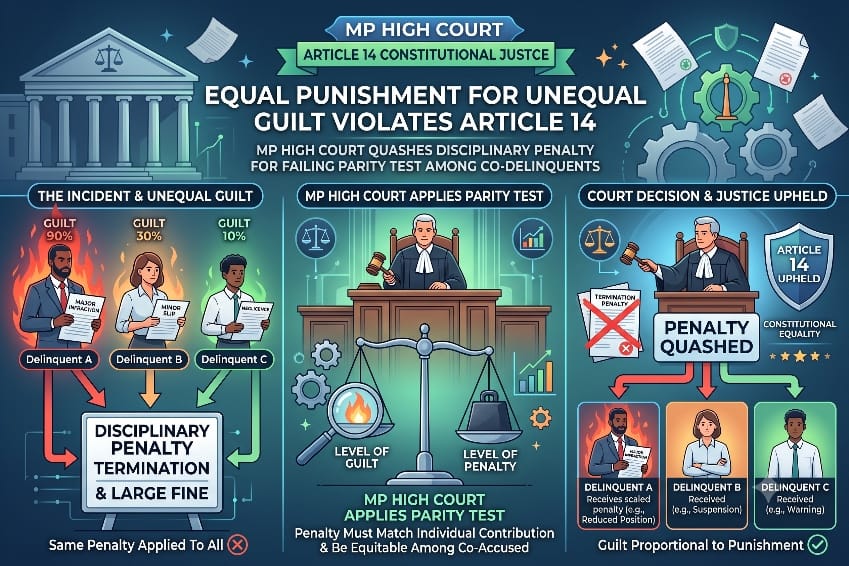
Brahm Kishore Dixit v. The State of Madhya Pradesh and Others | High Court of Madhya Pradesh, Gwalior | 1st September, 2026 A writ petition under Article 226 by a police Assistant…
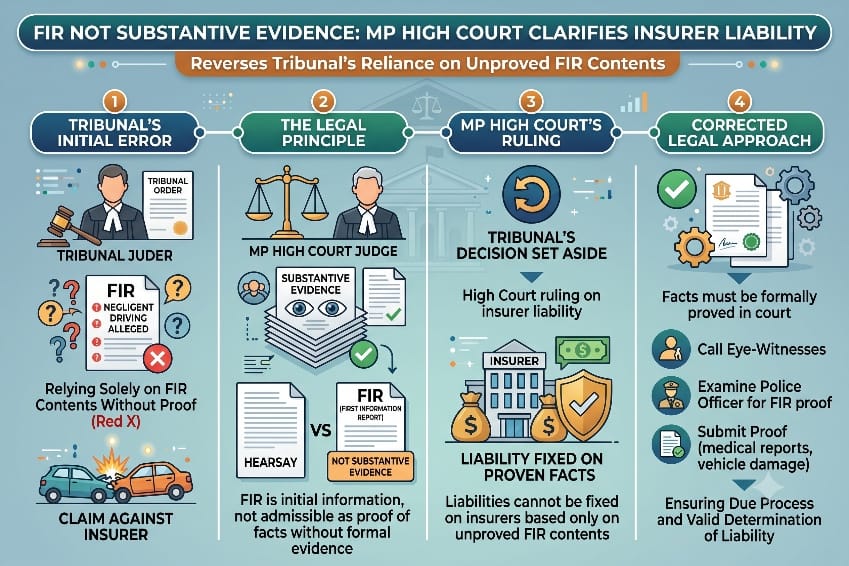
Anil Kumar Patel v. Smt. Munni Bai Barman and Others | High Court of Madhya Pradesh, Jabalpur | 1st September, 2026 A Motor Vehicle Act appeal under Section 173 1 against a Claims…
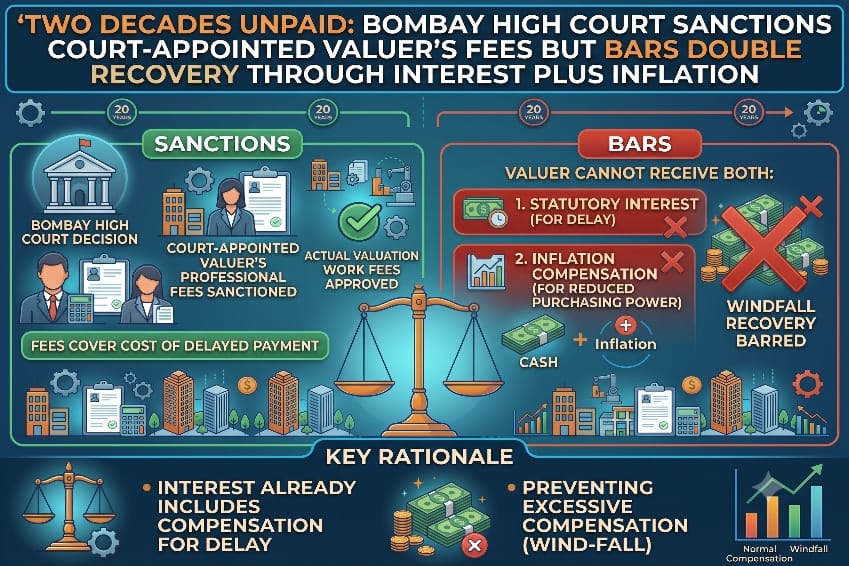
M/s. Kuber Mutual Benefits Ltd. & Ors. v. The State of Maharashtra & Ors. | High Court of Judicature at Bombay Appellate Side | 3rd September, 2026 A Court Receiver's Report…
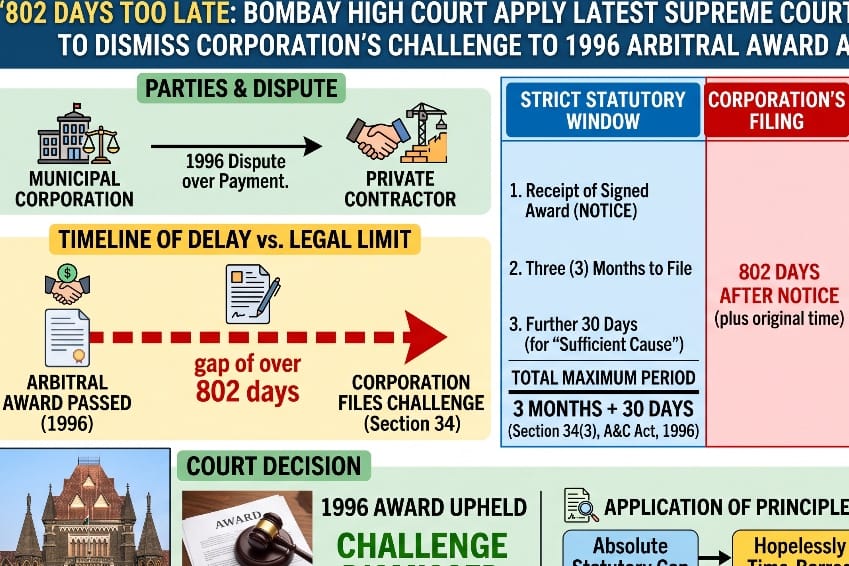
The Municipal Corporation of Greater Bombay v. M/s. Atul Raj Builders Pvt. Ltd. | High Court of Judicature at Bombay Ordinary Original Civil Jurisdiction | 3rd September, 2026 A…
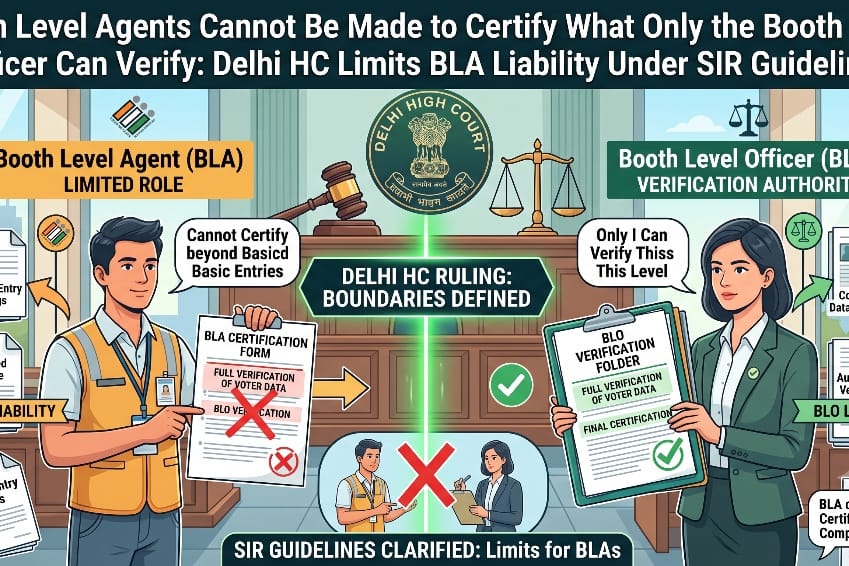
Devender Yadav & Anr. v. Election Commission of India & Anr. | High Court of Delhi Single Judge | Decided on: 03.09.2026 In a challenge to the Election Commission of India's…
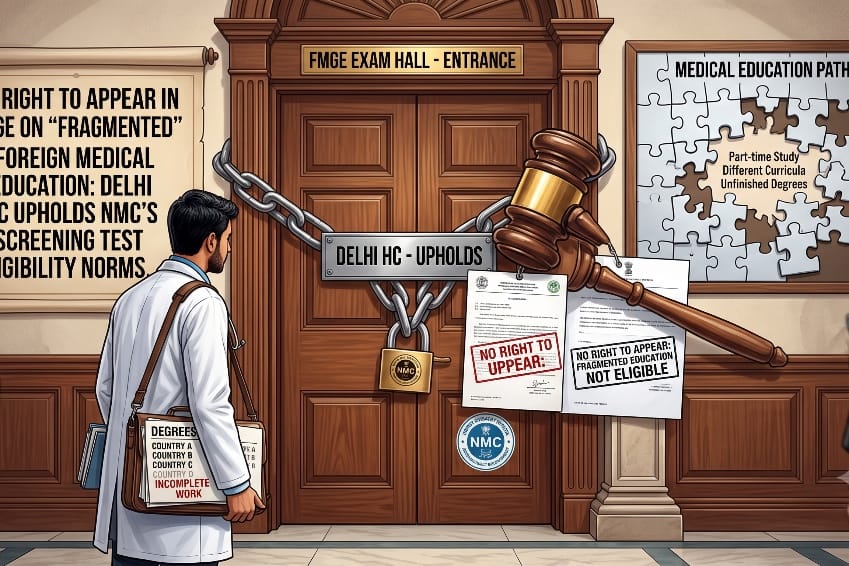
Brij Sharadbhai Bhatt & Ors. v. National Medical Commission & Ors. | High Court of Delhi Division Bench | Decided on: 03.09.2026 The Delhi High Court dismissed a challenge by…