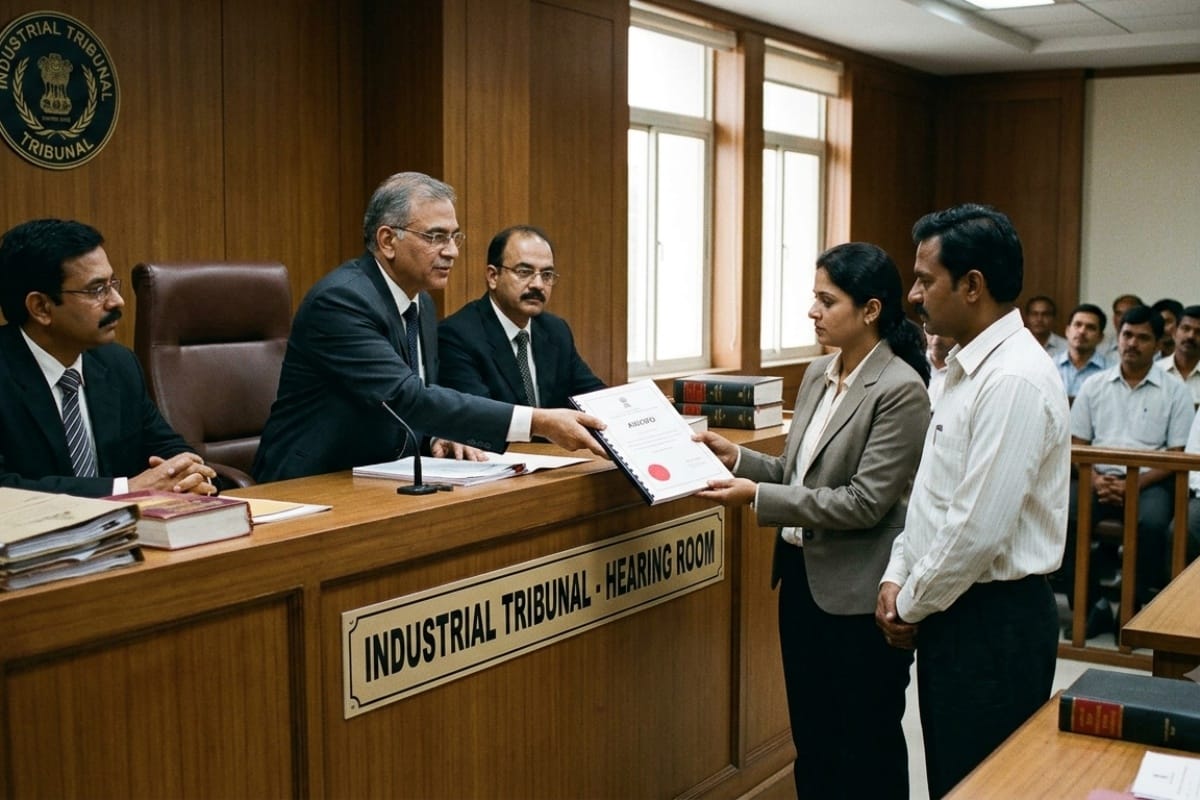
Deciding two connected writ petitions arising from a common Industrial Tribunal Award, the Delhi High Court set aside the Tribunal's direction granting hotel workmen a further…
Labour Laws
06/09/20264 min read
The Supreme Court of India has clarified that High Courts cannot invoke their writ jurisdiction under Article 226 of the Constitution to quash a chargesheet once a Magistrate has already taken cognizance of the offence, holding that the appropriate recourse for the accused lies under Section 528 of the Bharatiya Nagarik Suraksha Sanhita (BNSS), 2023. The Court stressed that extraordinary constitutional remedies, though wide in scope, should not be used to bypass well-established statutory procedures provided under criminal law, since indiscriminate use of such powers undermines the authority of trial courts and delays the justice delivery system. The ruling arose when a High Court quashed a chargesheet while exercising its writ powers, an intervention the apex court described as inappropriate and beyond the permissible limits of judicial review in such cases.
By reiterating that statutory frameworks exist for a reason, the judgment ensures that accused persons respect the hierarchy of remedies available, while courts retain the extraordinary jurisdiction for rare cases where statutory remedies fail to provide adequate relief. The Supreme Court emphasized that premature interference in trials through constitutional writs not only hampers effective prosecution but also disrupts the balance between individual liberty and the rule of law. At the same time, it reminded that constitutional courts do retain powers to prevent injustice but cautioned that such jurisdiction must remain exceptional, not routine. This decision reinforces judicial discipline, protects trial processes from unwarranted interruptions, and reaffirms the importance of respecting procedural safeguards under the BNSS, thereby strengthening the consistency and predictability of criminal adjudication in India.
Deciding two connected writ petitions arising from a common Industrial Tribunal Award, the Delhi High Court set aside the Tribunal's direction granting hotel workmen a further…
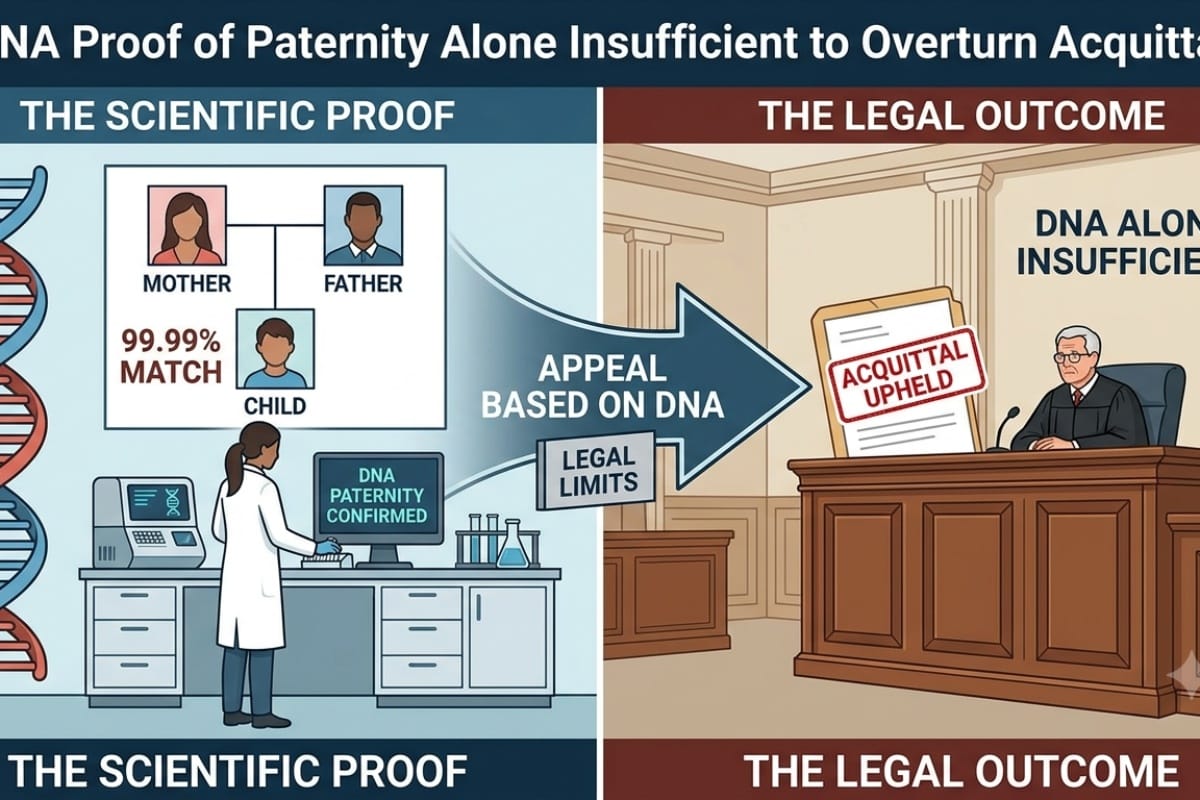
Headnote The Delhi High Court dismissed a prosecutrix's appeal against acquittal of the accused on charges under Sections 328/376 2 n /377/506/509 IPC, despite DNA evidence…
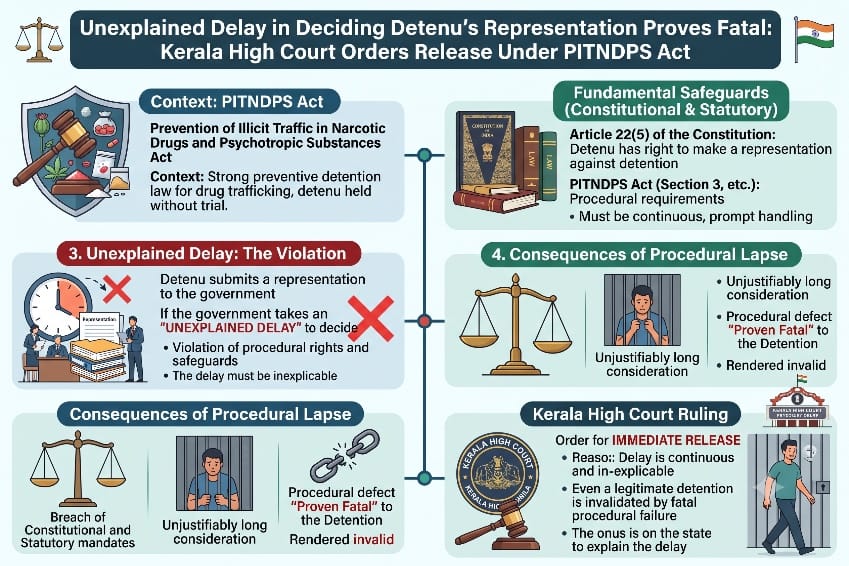
Fathimath Thasneem V.K. v. Union of India and Others | High Court of Kerala at Ernakulam | 3rd September, 2026 A habeas corpus writ petition by the wife of a detenu challenging…
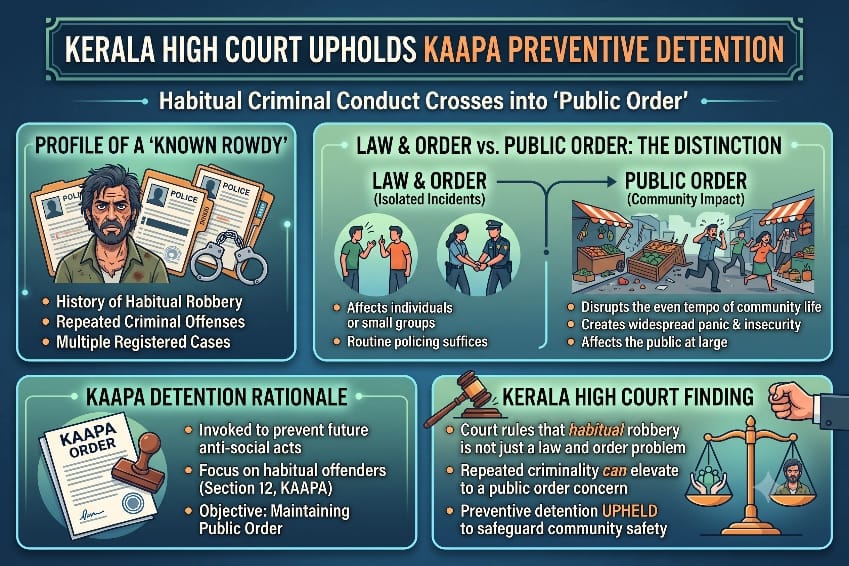
Thasmitha Abukutty v. State of Kerala and Others | High Court of Kerala at Ernakulam | 2nd September, 2026 A writ petition by the wife of a preventive detenu challenging a…
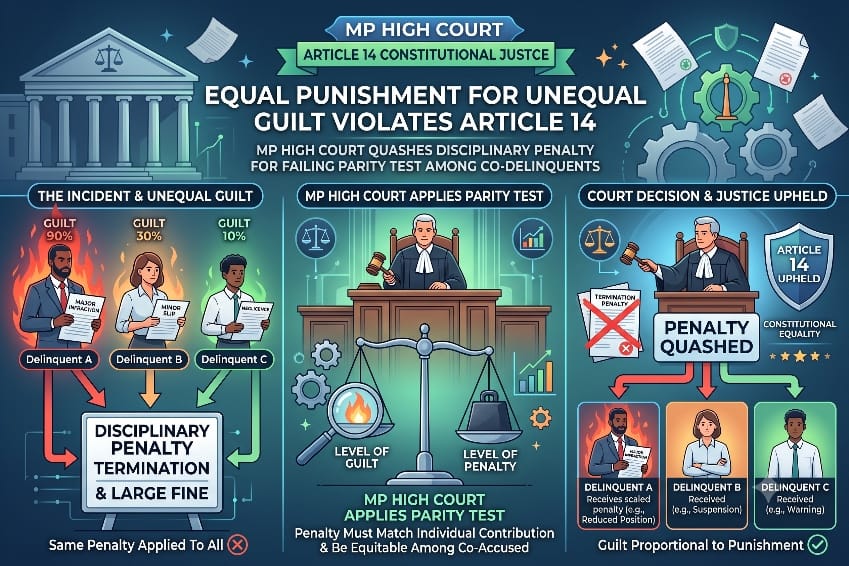
Brahm Kishore Dixit v. The State of Madhya Pradesh and Others | High Court of Madhya Pradesh, Gwalior | 1st September, 2026 A writ petition under Article 226 by a police Assistant…
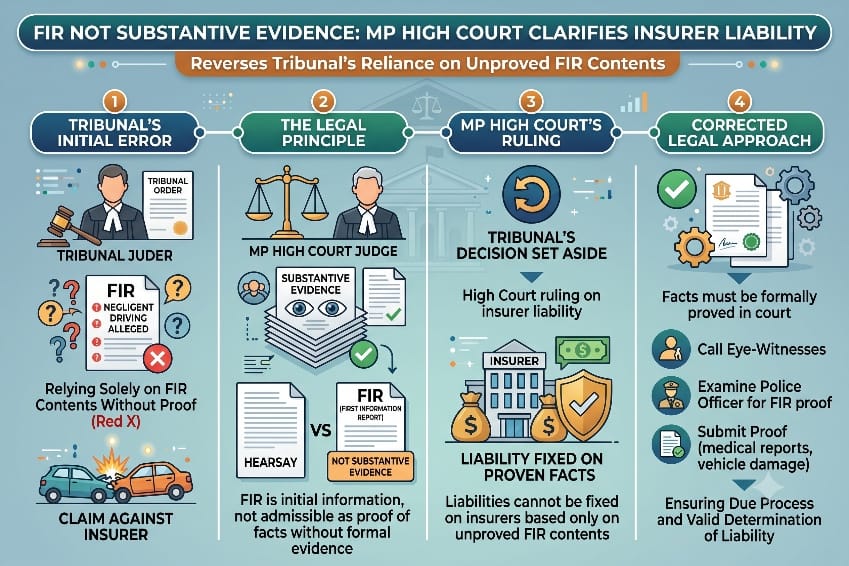
Anil Kumar Patel v. Smt. Munni Bai Barman and Others | High Court of Madhya Pradesh, Jabalpur | 1st September, 2026 A Motor Vehicle Act appeal under Section 173 1 against a Claims…
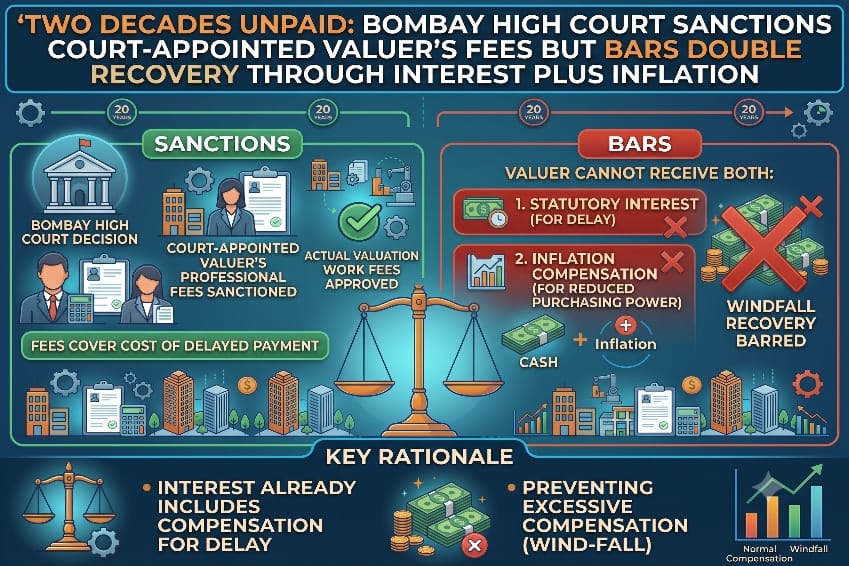
M/s. Kuber Mutual Benefits Ltd. & Ors. v. The State of Maharashtra & Ors. | High Court of Judicature at Bombay Appellate Side | 3rd September, 2026 A Court Receiver's Report…
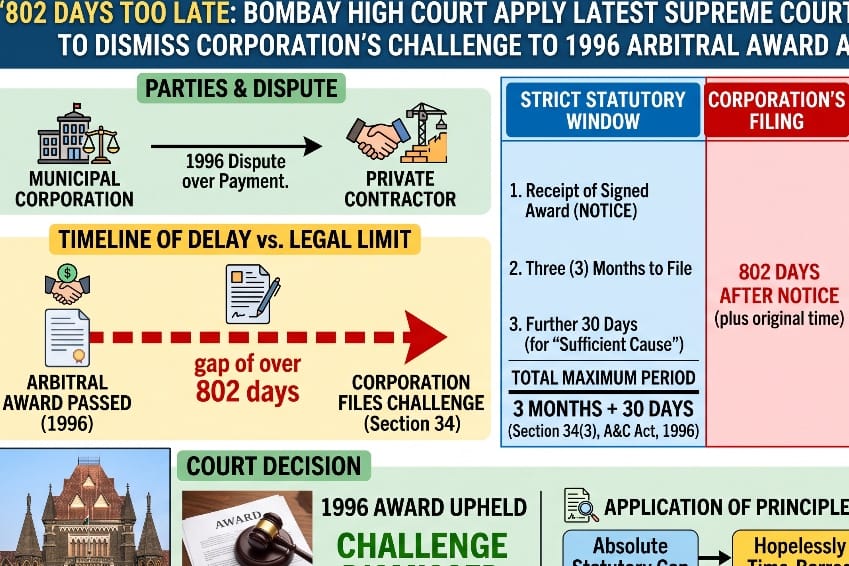
The Municipal Corporation of Greater Bombay v. M/s. Atul Raj Builders Pvt. Ltd. | High Court of Judicature at Bombay Ordinary Original Civil Jurisdiction | 3rd September, 2026 A…
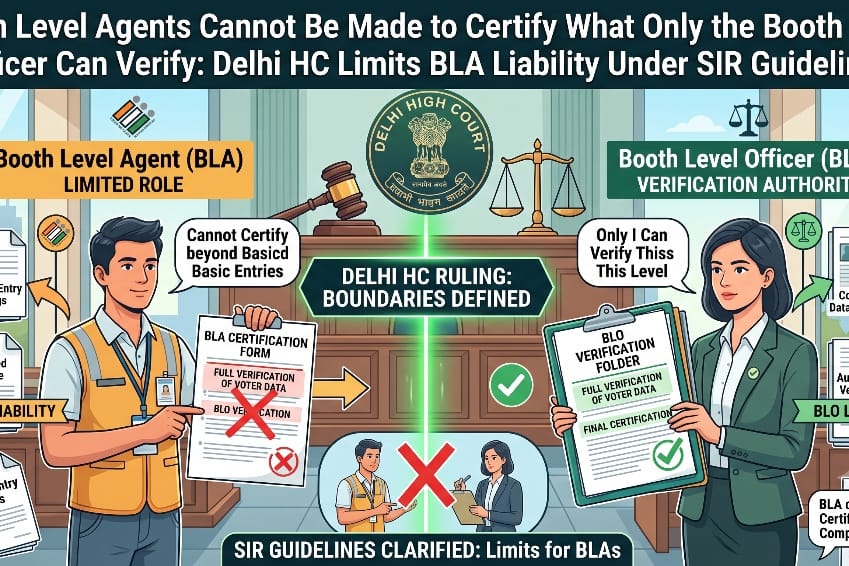
Devender Yadav & Anr. v. Election Commission of India & Anr. | High Court of Delhi Single Judge | Decided on: 03.09.2026 In a challenge to the Election Commission of India's…
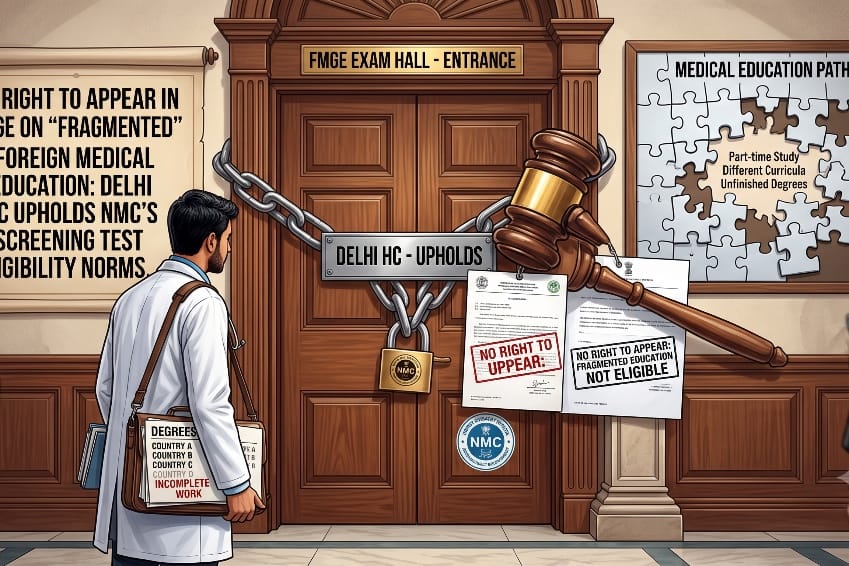
Brij Sharadbhai Bhatt & Ors. v. National Medical Commission & Ors. | High Court of Delhi Division Bench | Decided on: 03.09.2026 The Delhi High Court dismissed a challenge by…