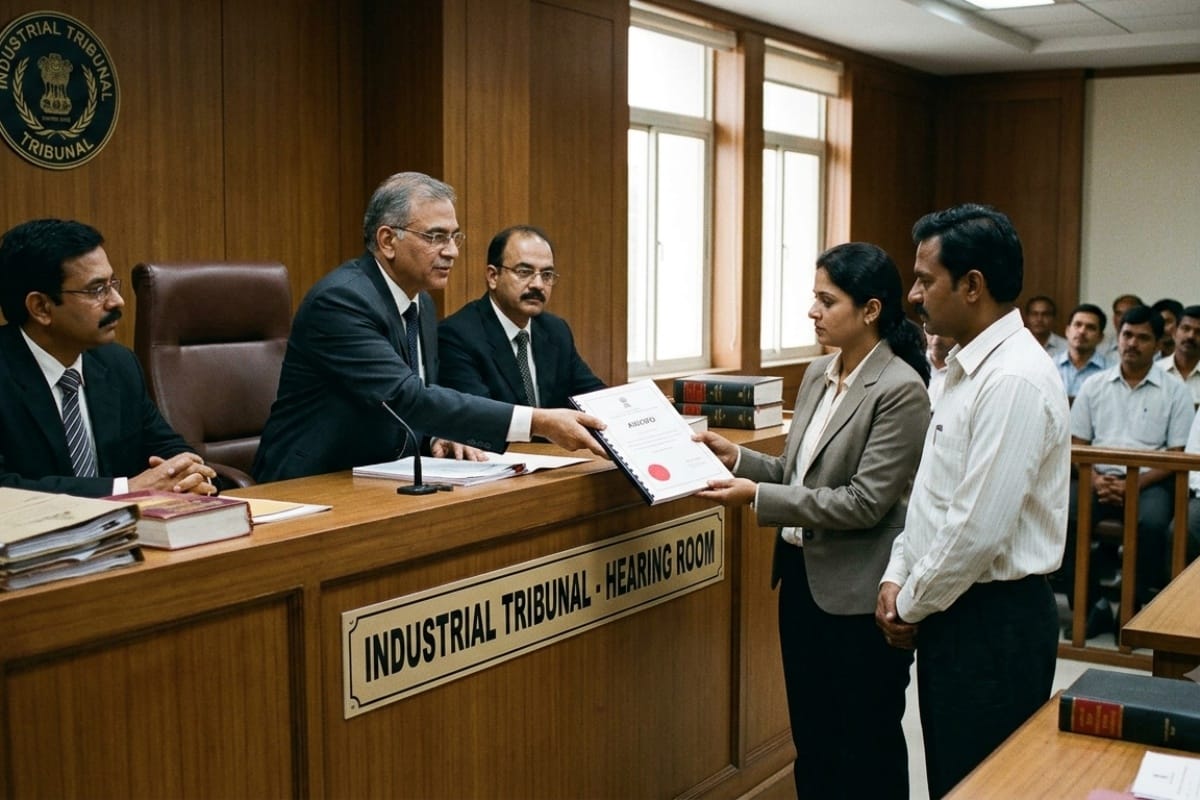
Deciding two connected writ petitions arising from a common Industrial Tribunal Award, the Delhi High Court set aside the Tribunal's direction granting hotel workmen a further…
Labour Laws
06/09/20264 min read
Update / Judgement Date
08 Sept 2025
Source
Author
Team — WCP Legal Desk
Reading Time
2 min read
The Supreme Court expressed serious concern over the Kerala High Court entertaining anticipatory bail applications directly, bypassing the Sessions Court, which is ordinarily the first forum for such matters under the Code of Criminal Procedure. The Court noted that this trend not only overburdens the High Court but also undermines the judicial hierarchy, depriving Sessions Courts of their primary role in handling bail proceedings. The issue came to light after multiple petitions were filed directly before the High Court, prompting the apex court to question why established procedural channels were being circumvented. Stressing the importance of judicial discipline, the Supreme Court observed that bypassing statutory forums without exceptional justification dilutes the structured appellate system and causes inefficiency. It also warned that such practices create the impression of forum shopping and erode public confidence in fairness of adjudication. While acknowledging that High Courts retain jurisdiction under Section 438 CrPC to entertain anticipatory bail applications, the bench clarified that such power must be exercised sparingly and not as a substitute for the Sessions Court’s primary role. The judgment reiterates the need for balance between protecting personal liberty and respecting procedural safeguards, noting that immediate access to the High Court should be reserved for extraordinary cases involving grave injustice or exceptional urgency. The Supreme Court directed the Kerala High Court to discourage the filing of anticipatory bail petitions directly and to ensure that parties approach the Sessions Court as the first recourse. The decision is likely to streamline bail jurisprudence, strengthen lower judiciary’s role, and promote consistency in criminal procedure.
Deciding two connected writ petitions arising from a common Industrial Tribunal Award, the Delhi High Court set aside the Tribunal's direction granting hotel workmen a further…

Headnote The Delhi High Court dismissed a prosecutrix's appeal against acquittal of the accused on charges under Sections 328/376 2 n /377/506/509 IPC, despite DNA evidence…
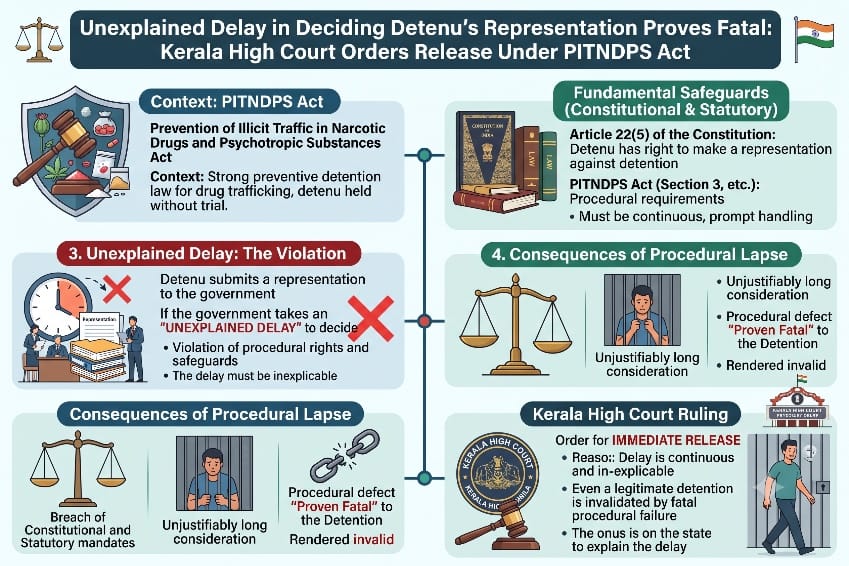
Fathimath Thasneem V.K. v. Union of India and Others | High Court of Kerala at Ernakulam | 3rd September, 2026 A habeas corpus writ petition by the wife of a detenu challenging…
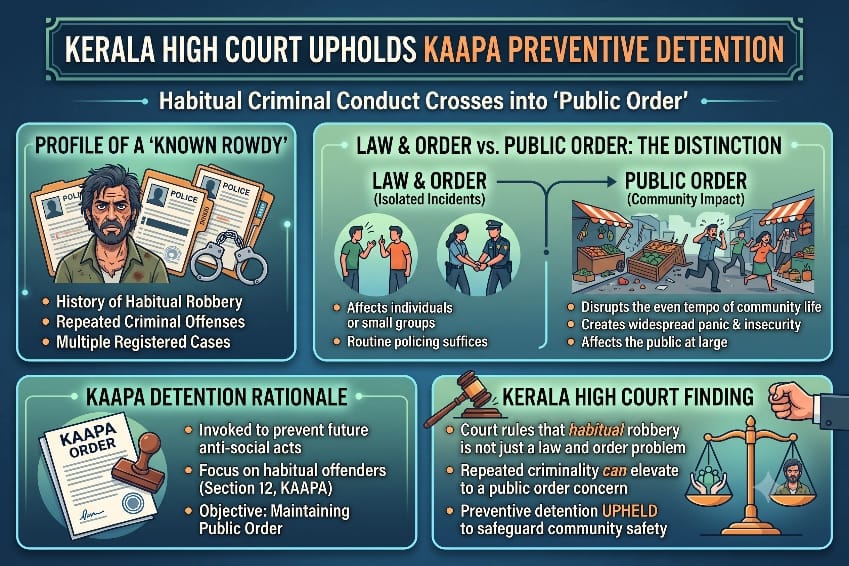
Thasmitha Abukutty v. State of Kerala and Others | High Court of Kerala at Ernakulam | 2nd September, 2026 A writ petition by the wife of a preventive detenu challenging a…
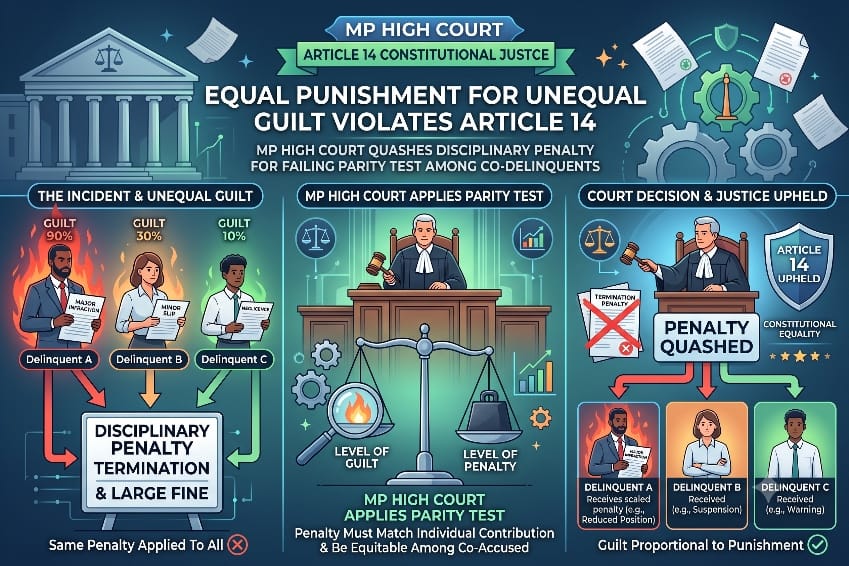
Brahm Kishore Dixit v. The State of Madhya Pradesh and Others | High Court of Madhya Pradesh, Gwalior | 1st September, 2026 A writ petition under Article 226 by a police Assistant…
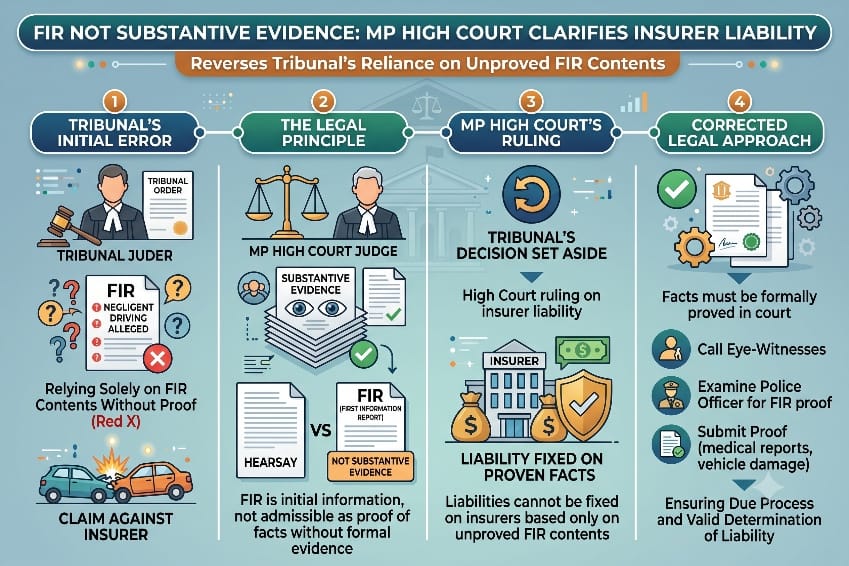
Anil Kumar Patel v. Smt. Munni Bai Barman and Others | High Court of Madhya Pradesh, Jabalpur | 1st September, 2026 A Motor Vehicle Act appeal under Section 173 1 against a Claims…
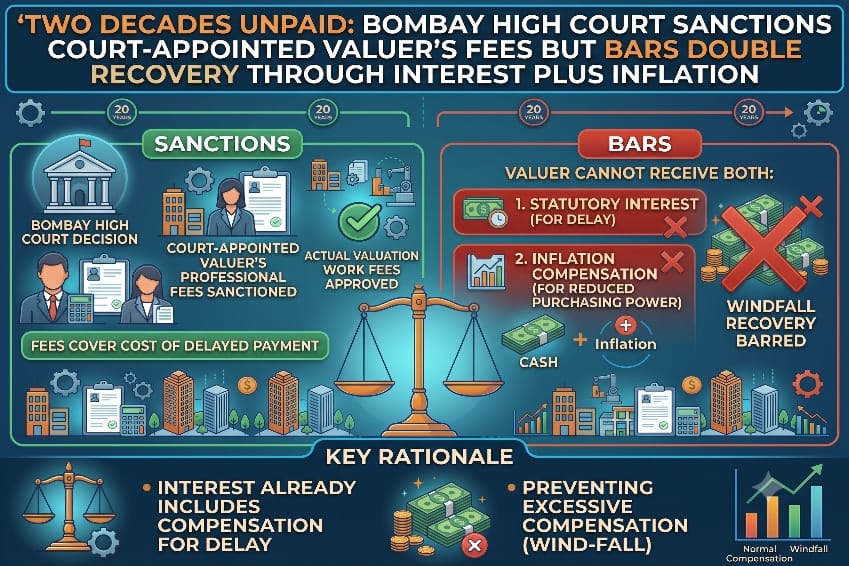
M/s. Kuber Mutual Benefits Ltd. & Ors. v. The State of Maharashtra & Ors. | High Court of Judicature at Bombay Appellate Side | 3rd September, 2026 A Court Receiver's Report…
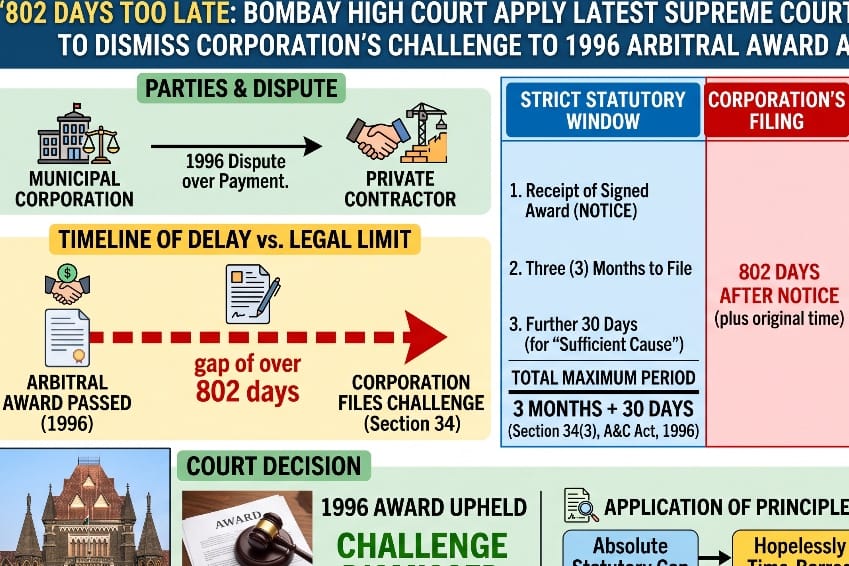
The Municipal Corporation of Greater Bombay v. M/s. Atul Raj Builders Pvt. Ltd. | High Court of Judicature at Bombay Ordinary Original Civil Jurisdiction | 3rd September, 2026 A…

Devender Yadav & Anr. v. Election Commission of India & Anr. | High Court of Delhi Single Judge | Decided on: 03.09.2026 In a challenge to the Election Commission of India's…
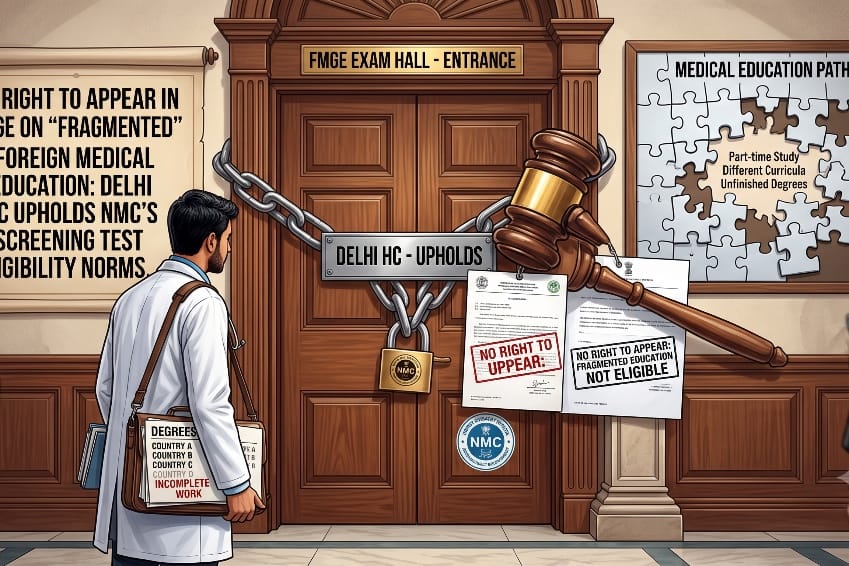
Brij Sharadbhai Bhatt & Ors. v. National Medical Commission & Ors. | High Court of Delhi Division Bench | Decided on: 03.09.2026 The Delhi High Court dismissed a challenge by…