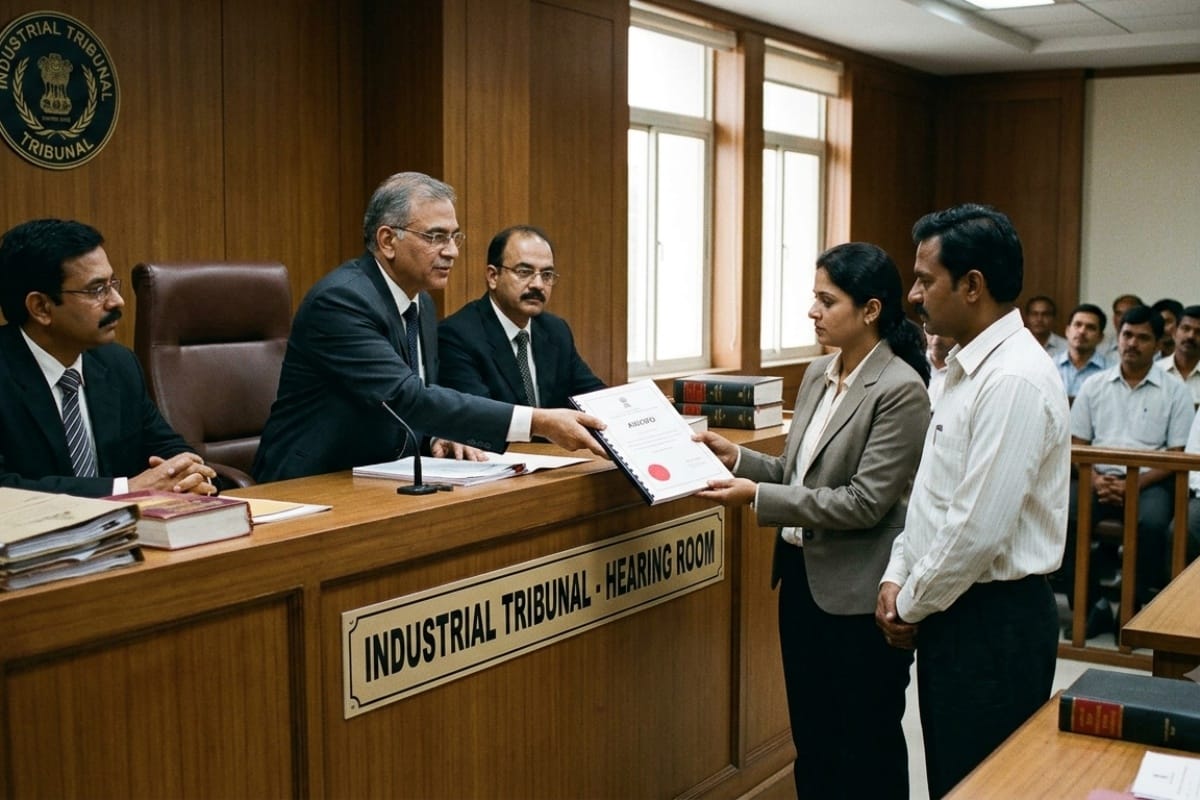
Deciding two connected writ petitions arising from a common Industrial Tribunal Award, the Delhi High Court set aside the Tribunal's direction granting hotel workmen a further…
Labour Laws
06/09/20264 min read
The Supreme Court censured a High Court for showing judicial impropriety by modifying bail conditions imposed on an accused while the original bail order itself was under challenge before the apex court, holding that such actions undermine judicial hierarchy and cause conflicting outcomes in ongoing proceedings. The case involved a complainant’s appeal against the grant of bail to an accused, which was already pending before the Supreme Court when the High Court unilaterally relaxed certain conditions, thereby interfering with matters sub judice at the highest level.
The Supreme Court set aside the High Court’s order, emphasizing that subordinate courts and High Courts are bound to respect the jurisdiction of superior courts once a matter is seized, and warned that parallel rulings create confusion, erode consistency, and dilute public trust in judicial functioning. The judgment reiterated that bail jurisprudence requires balancing personal liberty with the need to secure justice and protect society, and that conditions attached to bail orders are integral to this balance, not casual impositions to be altered without sufficient jurisdictional competence. It further observed that when superior courts are already considering the validity of bail, lower forums must refrain from interference, as judicial discipline is central to maintaining order and predictability in the legal system.
This ruling strengthens the principle of judicial comity, sets clear boundaries for courts while handling bail conditions, and ensures that the sanctity of hierarchical review is respected, thereby safeguarding coherence, fairness, and public faith in the judicial process.
Deciding two connected writ petitions arising from a common Industrial Tribunal Award, the Delhi High Court set aside the Tribunal's direction granting hotel workmen a further…
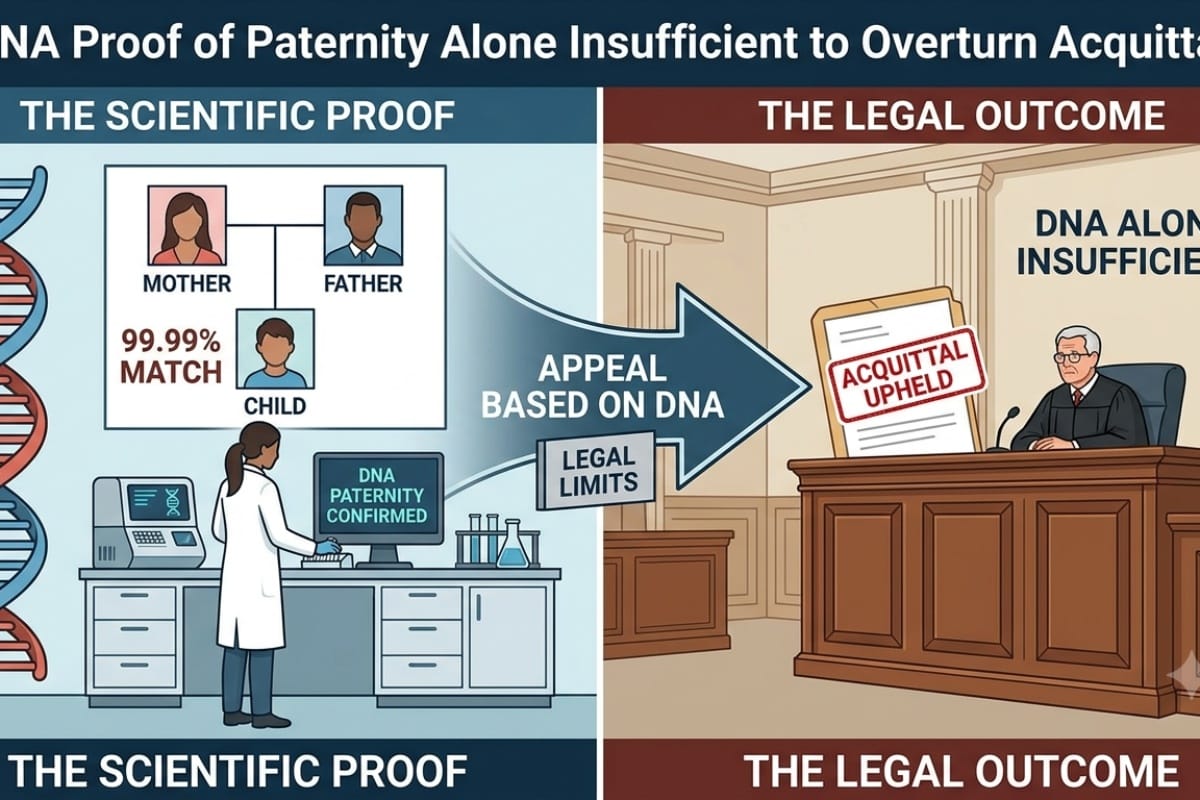
Headnote The Delhi High Court dismissed a prosecutrix's appeal against acquittal of the accused on charges under Sections 328/376 2 n /377/506/509 IPC, despite DNA evidence…
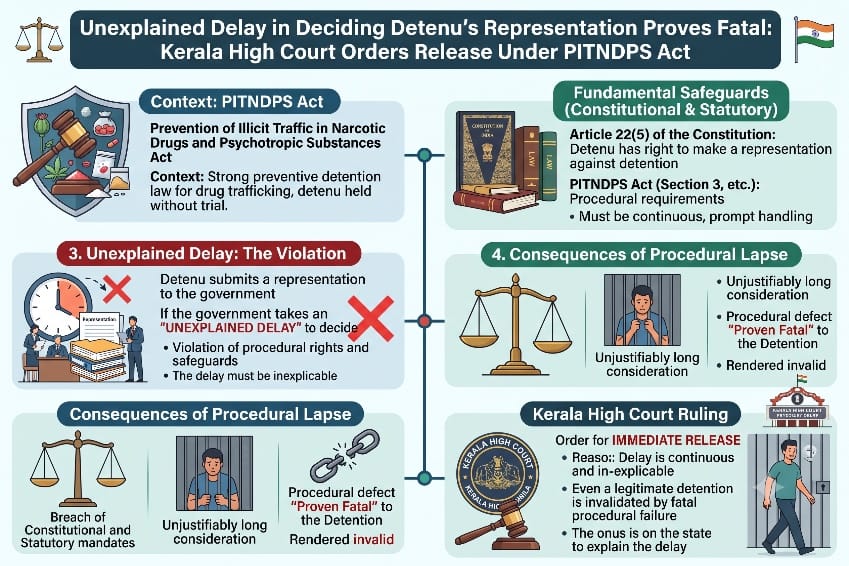
Fathimath Thasneem V.K. v. Union of India and Others | High Court of Kerala at Ernakulam | 3rd September, 2026 A habeas corpus writ petition by the wife of a detenu challenging…
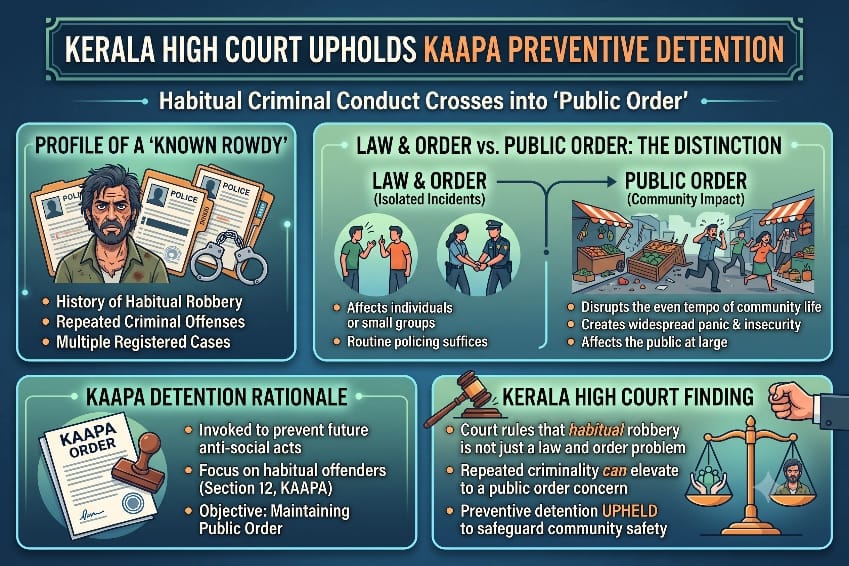
Thasmitha Abukutty v. State of Kerala and Others | High Court of Kerala at Ernakulam | 2nd September, 2026 A writ petition by the wife of a preventive detenu challenging a…
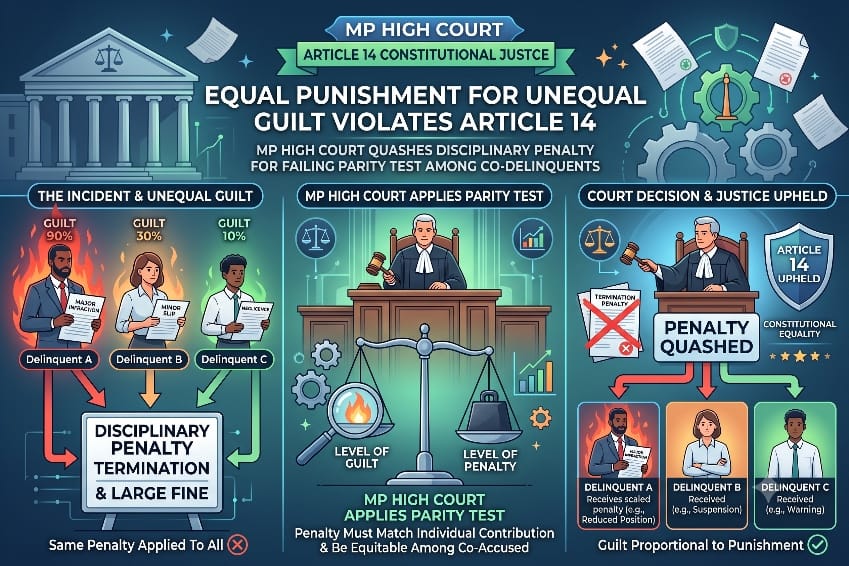
Brahm Kishore Dixit v. The State of Madhya Pradesh and Others | High Court of Madhya Pradesh, Gwalior | 1st September, 2026 A writ petition under Article 226 by a police Assistant…
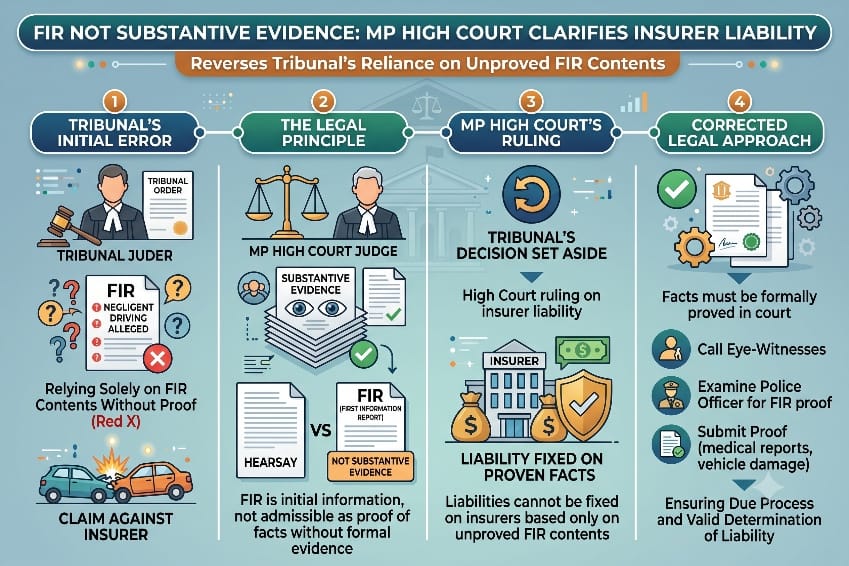
Anil Kumar Patel v. Smt. Munni Bai Barman and Others | High Court of Madhya Pradesh, Jabalpur | 1st September, 2026 A Motor Vehicle Act appeal under Section 173 1 against a Claims…
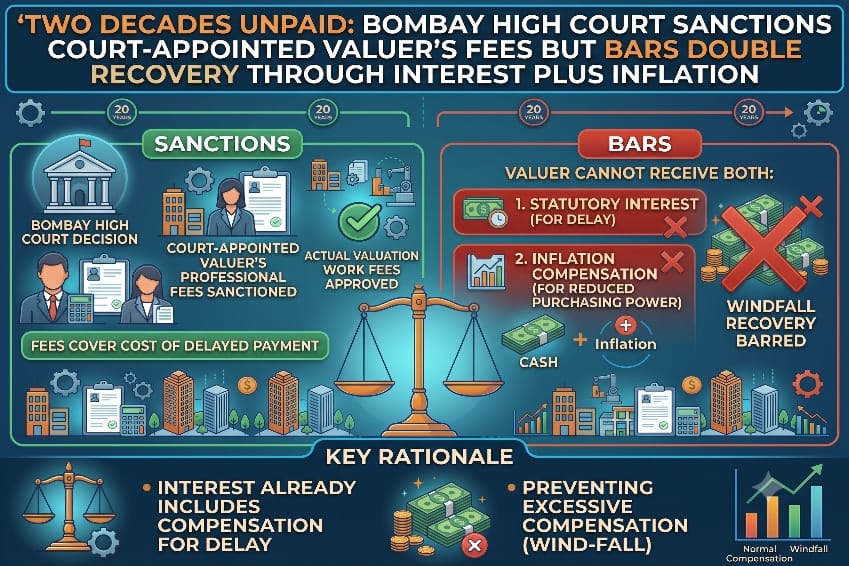
M/s. Kuber Mutual Benefits Ltd. & Ors. v. The State of Maharashtra & Ors. | High Court of Judicature at Bombay Appellate Side | 3rd September, 2026 A Court Receiver's Report…
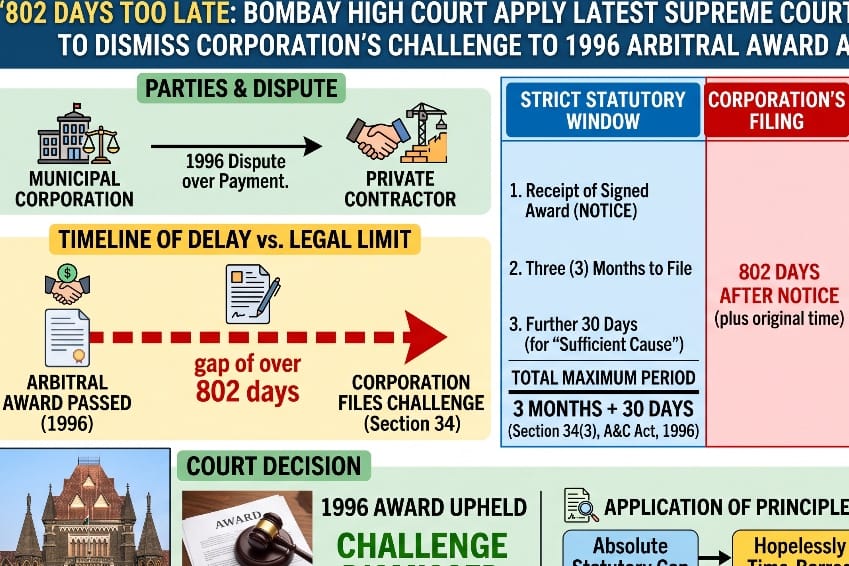
The Municipal Corporation of Greater Bombay v. M/s. Atul Raj Builders Pvt. Ltd. | High Court of Judicature at Bombay Ordinary Original Civil Jurisdiction | 3rd September, 2026 A…
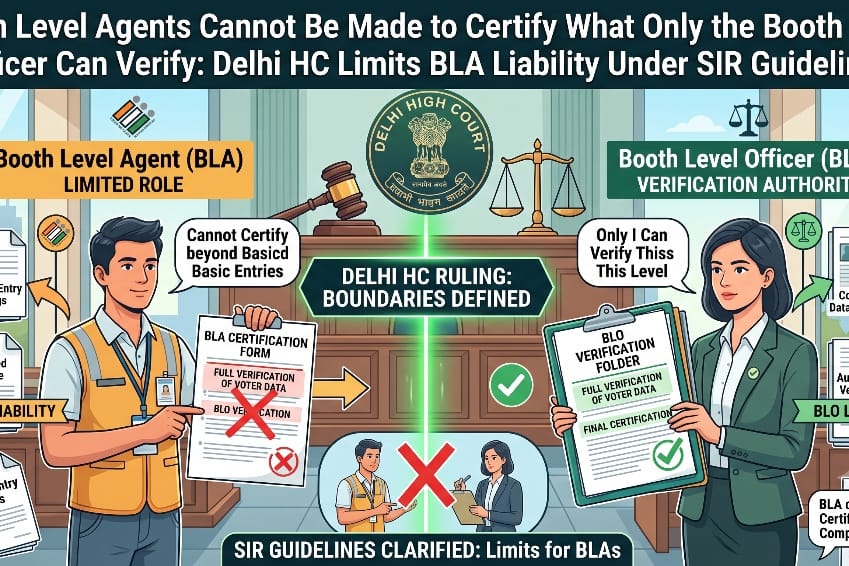
Devender Yadav & Anr. v. Election Commission of India & Anr. | High Court of Delhi Single Judge | Decided on: 03.09.2026 In a challenge to the Election Commission of India's…
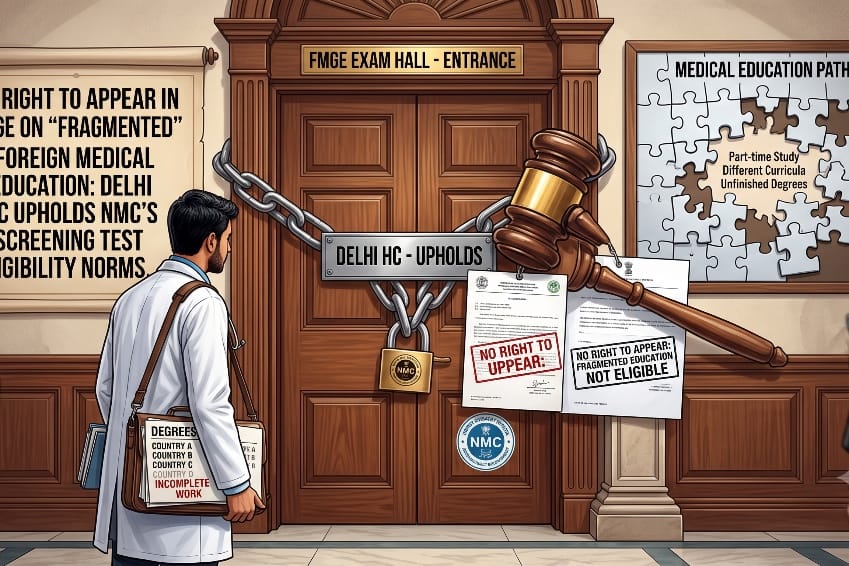
Brij Sharadbhai Bhatt & Ors. v. National Medical Commission & Ors. | High Court of Delhi Division Bench | Decided on: 03.09.2026 The Delhi High Court dismissed a challenge by…