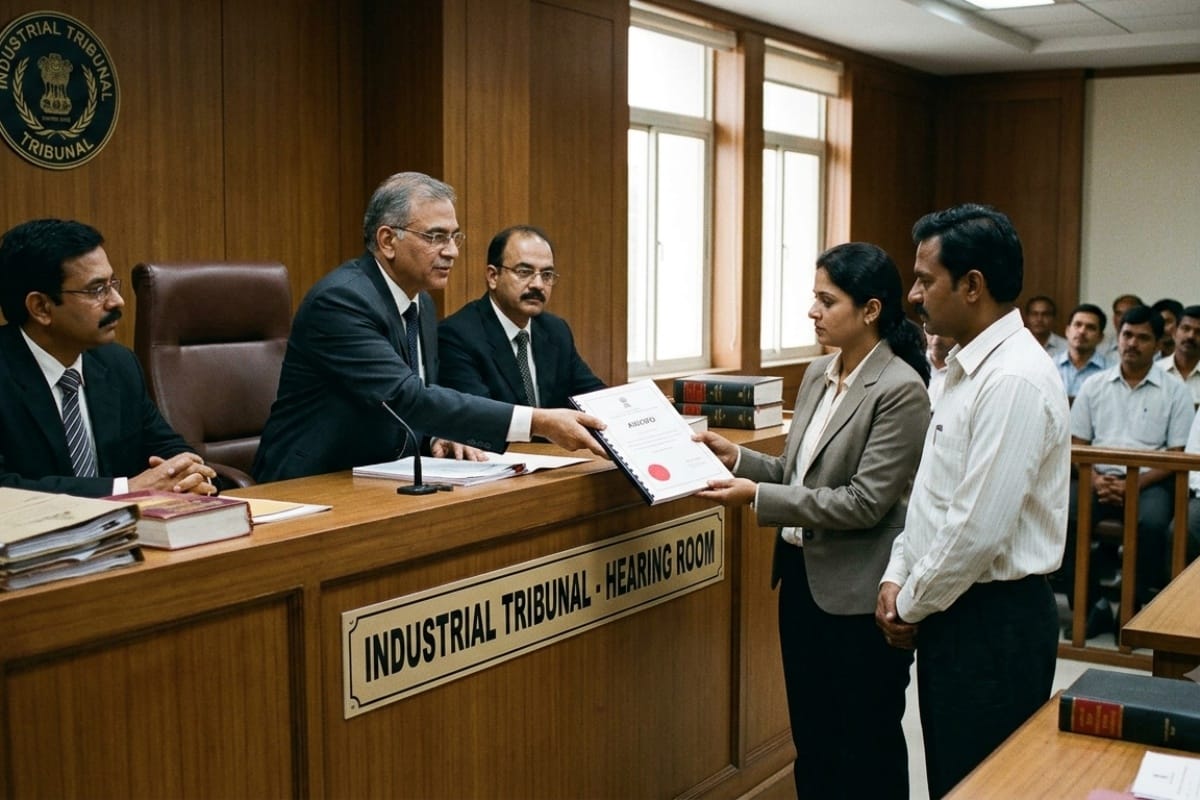
Deciding two connected writ petitions arising from a common Industrial Tribunal Award, the Delhi High Court set aside the Tribunal's direction granting hotel workmen a further…
Labour Laws
06/09/20264 min read
Update / Judgement Date
14 Oct 2025
Source
WCP News Bulletin
Author
Sakshi Bhardwaj — WCP Legal Desk
Reading Time
2 min read
Headnote:
The Supreme Court in Kachara Vahatuk Shramik Sangh v. Ajoy Mehta & Ors. (2025 INSC 1227) addressed allegations of non-compliance by the Brihanmumbai Municipal Corporation (BMC) regarding its 2017 ruling on the regularisation of 2,700 sanitation workers. The petitioners alleged arbitrary deductions, incomplete arrear calculations, and failure to extend statutory benefits. The Court noted that while partial compliance reports were filed, verification inconsistencies persisted. Recognising the need for an impartial review, the Court appointed an independent auditor to scrutinise BMC’s compliance and ensure lawful disbursement of workers’ dues. The judgment reinforced the principle that administrative compliance with judicial orders must be transparent, worker-centric, and independently verifiable.
Background:
The case stems from a long-standing dispute over the status and entitlements of contract sanitation workers engaged by the BMC. In 2017, the Supreme Court directed BMC to regularise eligible workers, grant arrears and gratuity, and ensure parity with permanent staff. Despite repeated extensions and internal audits, the Kachara Vahatuk Shramik Sangh union filed a contempt petition alleging persistent irregularities and delays. The BMC defended its actions, citing ongoing verification and administrative bottlenecks. The Court, while acknowledging partial compliance, expressed concern over discrepancies in wage records, delays in implementing directions, and lack of independent oversight.
Court Observation/Analyses:
The Supreme Court declined to hold BMC in contempt but ordered a comprehensive audit to verify compliance. It appointed Mr. Shrikant Kamble, Retired Deputy Auditor, as an independent auditor to examine the correctness of arrear calculations, attendance data, and benefit disbursal. The BMC was directed to provide all relevant records, cooperate fully, and bear audit expenses. The auditor’s report was to be submitted within four weeks, following which BMC must implement the findings in letter and spirit. The Court reiterated that the purpose of contempt jurisdiction is enforcement, not punishment, and emphasized that public bodies must ensure faithful execution of judicial directives protecting worker welfare.
Legal Principles:
Case Details:
Court: Supreme Court of India
Judges: Hon’ble Mr. Justice Hrishikesh Roy & Hon’ble Mr. Justice Sanjay Karol
Case Title: Kachara Vahatuk Shramik Sangh v. Ajoy Mehta & Ors.
Citation: 2025 INSC 1227
Acts Invoked: Contempt of Courts Act, 1971; Constitution of India, Articles 129 & 142
Deciding two connected writ petitions arising from a common Industrial Tribunal Award, the Delhi High Court set aside the Tribunal's direction granting hotel workmen a further…

Headnote The Delhi High Court dismissed a prosecutrix's appeal against acquittal of the accused on charges under Sections 328/376 2 n /377/506/509 IPC, despite DNA evidence…
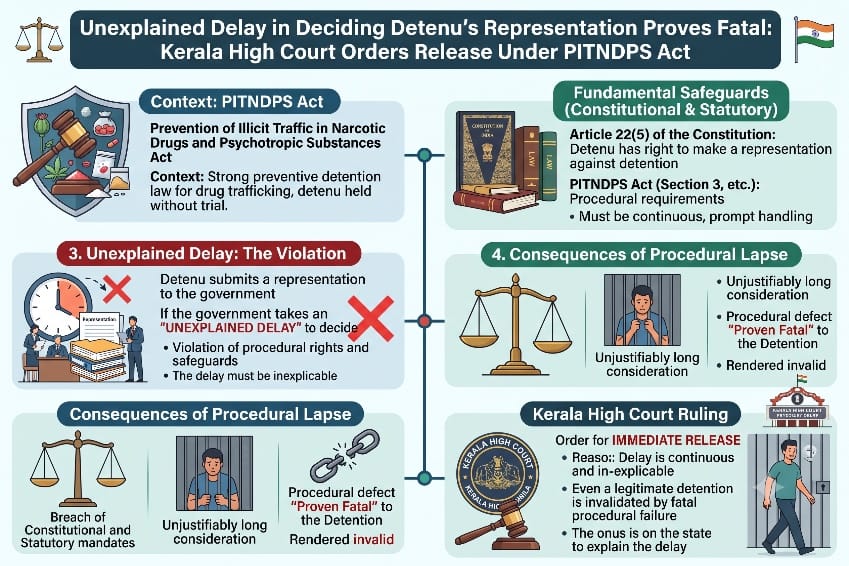
Fathimath Thasneem V.K. v. Union of India and Others | High Court of Kerala at Ernakulam | 3rd September, 2026 A habeas corpus writ petition by the wife of a detenu challenging…
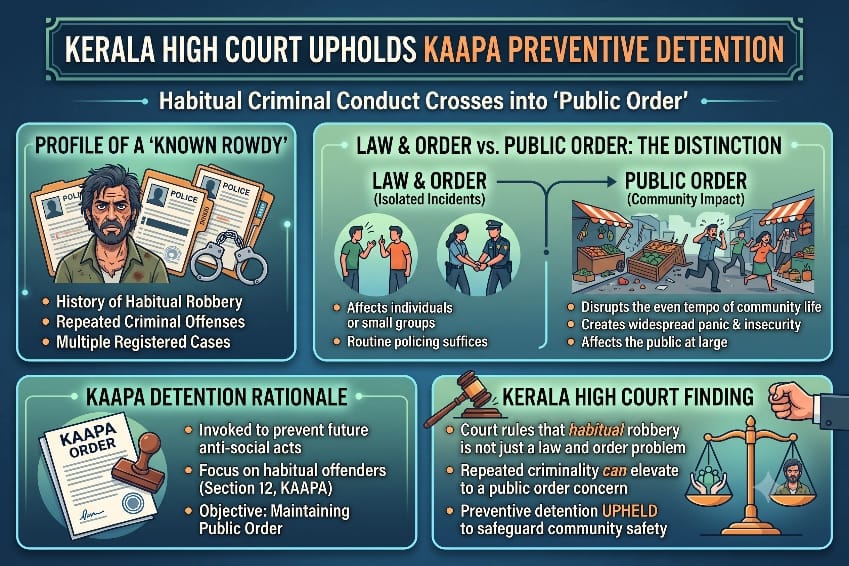
Thasmitha Abukutty v. State of Kerala and Others | High Court of Kerala at Ernakulam | 2nd September, 2026 A writ petition by the wife of a preventive detenu challenging a…
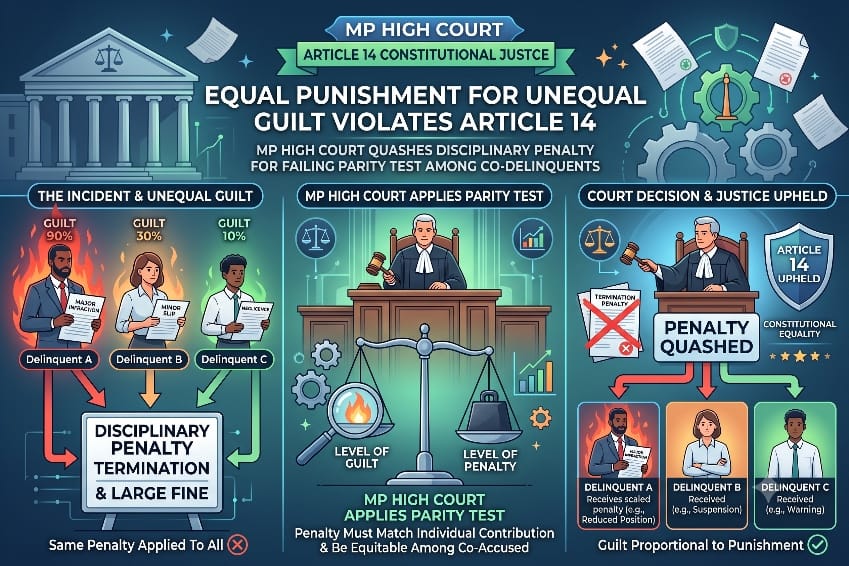
Brahm Kishore Dixit v. The State of Madhya Pradesh and Others | High Court of Madhya Pradesh, Gwalior | 1st September, 2026 A writ petition under Article 226 by a police Assistant…
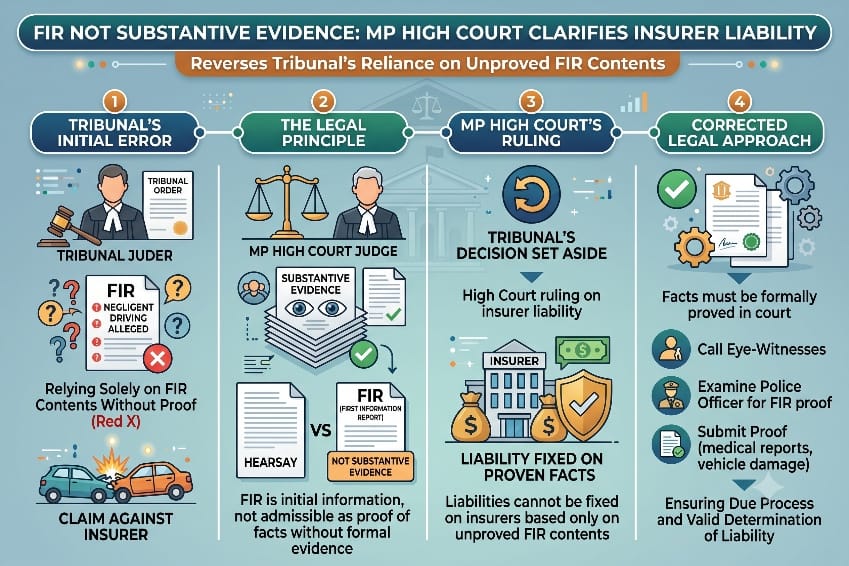
Anil Kumar Patel v. Smt. Munni Bai Barman and Others | High Court of Madhya Pradesh, Jabalpur | 1st September, 2026 A Motor Vehicle Act appeal under Section 173 1 against a Claims…
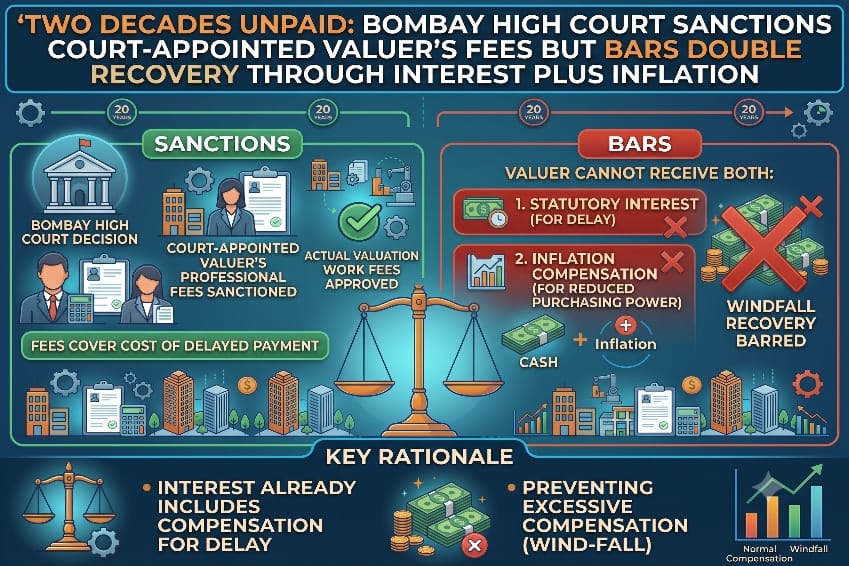
M/s. Kuber Mutual Benefits Ltd. & Ors. v. The State of Maharashtra & Ors. | High Court of Judicature at Bombay Appellate Side | 3rd September, 2026 A Court Receiver's Report…
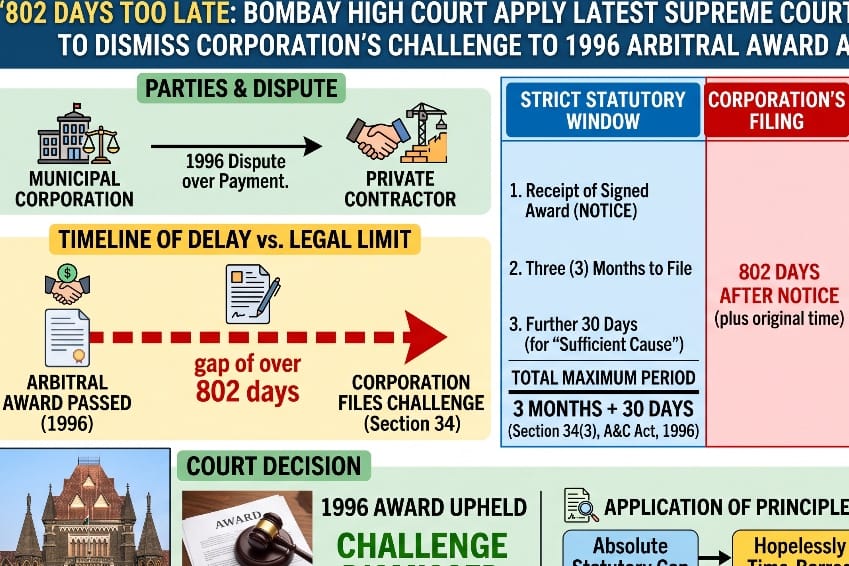
The Municipal Corporation of Greater Bombay v. M/s. Atul Raj Builders Pvt. Ltd. | High Court of Judicature at Bombay Ordinary Original Civil Jurisdiction | 3rd September, 2026 A…
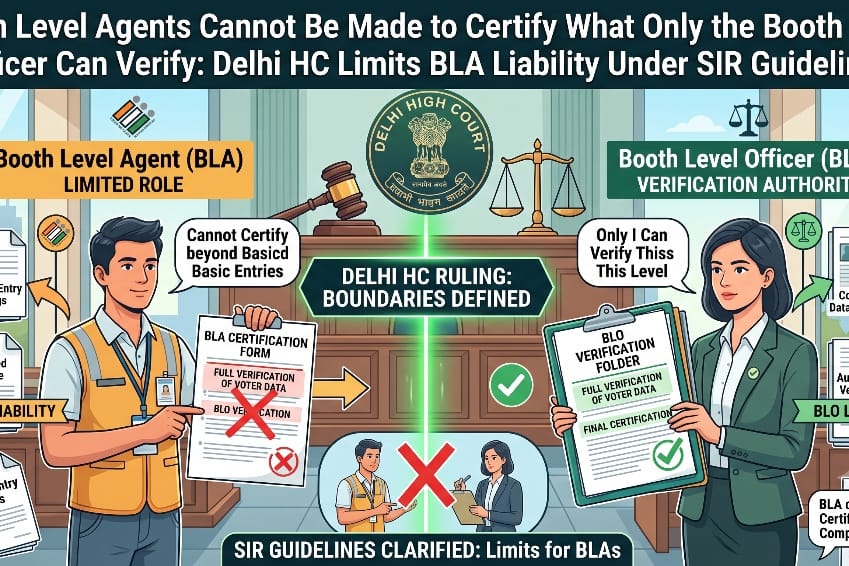
Devender Yadav & Anr. v. Election Commission of India & Anr. | High Court of Delhi Single Judge | Decided on: 03.09.2026 In a challenge to the Election Commission of India's…
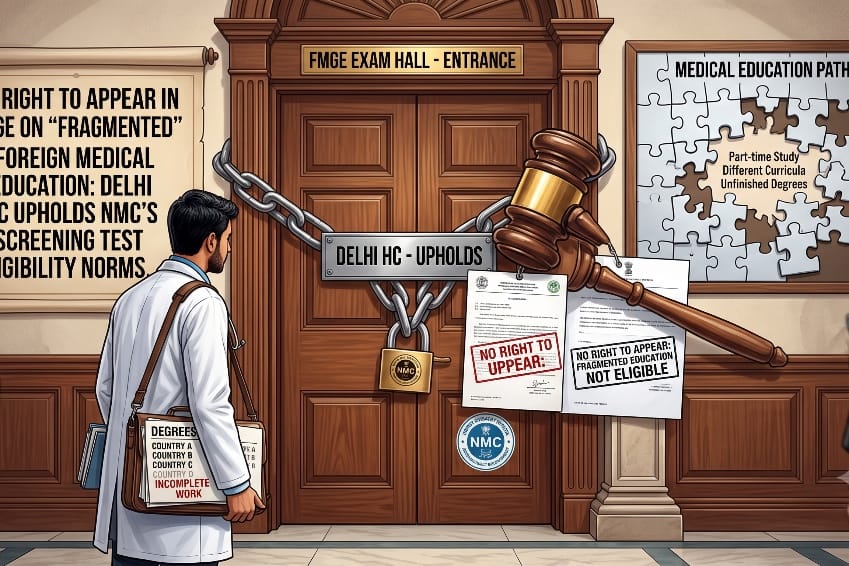
Brij Sharadbhai Bhatt & Ors. v. National Medical Commission & Ors. | High Court of Delhi Division Bench | Decided on: 03.09.2026 The Delhi High Court dismissed a challenge by…