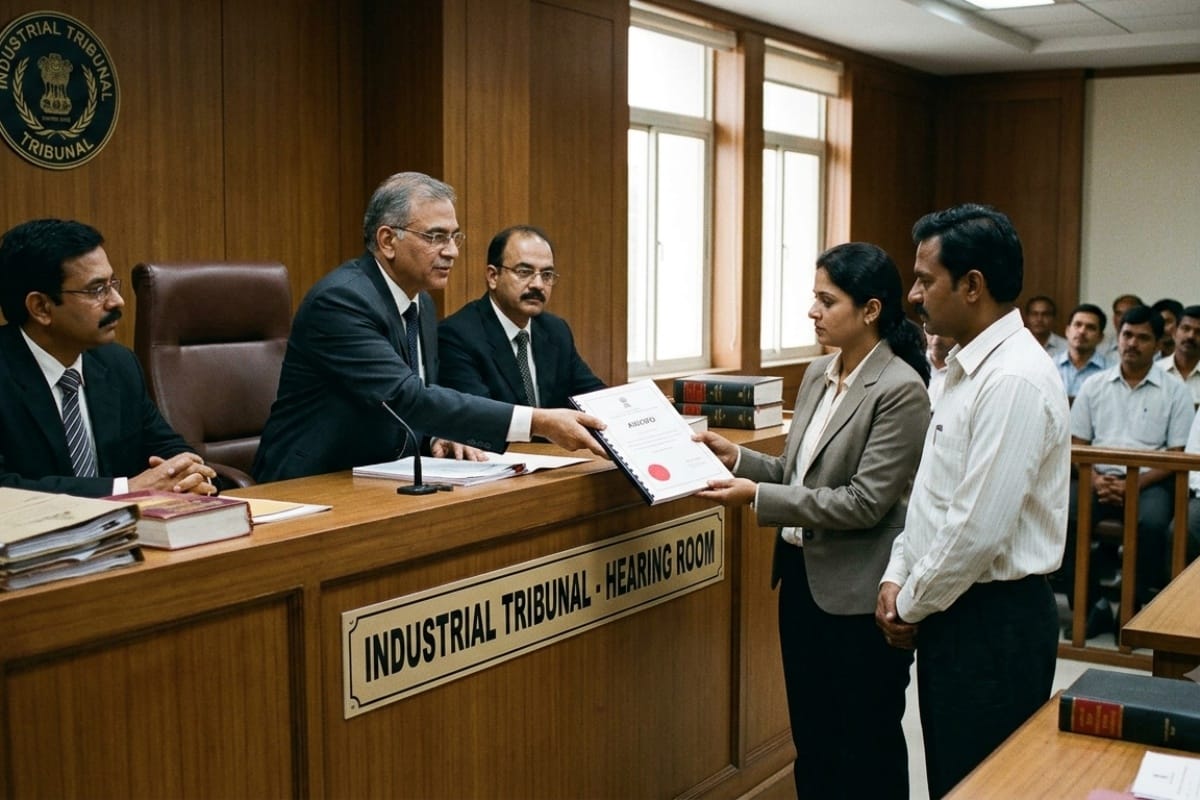
Deciding two connected writ petitions arising from a common Industrial Tribunal Award, the Delhi High Court set aside the Tribunal's direction granting hotel workmen a further…
Labour Laws
06/09/20264 min read
Update / Judgement Date
25 Nov 2025
Source
WCP News Bulletin
Author
Sakshi Bhardwaj — WCP Legal Desk
Reading Time
3 min read
Headnote:
The Supreme Court addressed concerns regarding the translocation of deer from A.N. Jha Deer Park in Hauz Khas, New Delhi, to tiger reserves in Rajasthan. The petitioner-NGO challenged the translocation, alleging non-compliance with Central Zoo Authority (CZA) and IUCN guidelines, unsafe transport, improper selection of animals, and inadequate post-release monitoring. The Court found that prior translocations were poorly documented, lacked ecological feasibility assessment, and endangered the welfare of the animals. The Court directed a comprehensive, independent scientific assessment before any further translocation, ensuring compliance with statutory and international wildlife management norms.
Background:
Court’s Observations:
Directions:
Legal Provisions Discussed:
Conclusion
The Court emphasized the need for scientifically grounded, ethical, and legally compliant management of urban wildlife. Decisions affecting deer translocation must safeguard animal welfare, ecological balance, and constitutional environmental values. The case is listed for 17 March 2026 for receiving CEC and DDA reports.
Citation: 2025 INSC 1358
Case: New Delhi Nature Society v. Director Horticulture, DDA & Ors.
Court: Supreme Court of India, New Delhi
Coram: Justice Vikram Nath & Justice Sandeep Mehta
Date of Decision: 26 November 2025
SLP (C) No.: 13374-13375 of 2025
Deciding two connected writ petitions arising from a common Industrial Tribunal Award, the Delhi High Court set aside the Tribunal's direction granting hotel workmen a further…
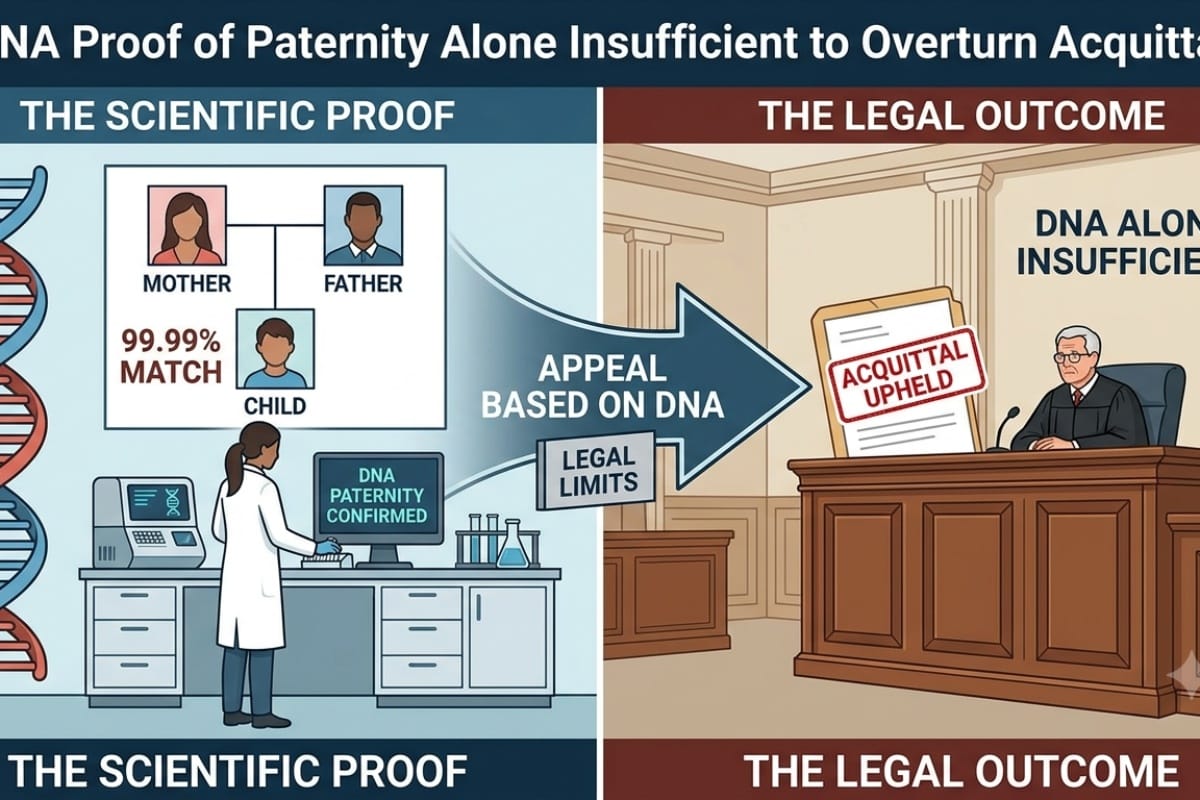
Headnote The Delhi High Court dismissed a prosecutrix's appeal against acquittal of the accused on charges under Sections 328/376 2 n /377/506/509 IPC, despite DNA evidence…
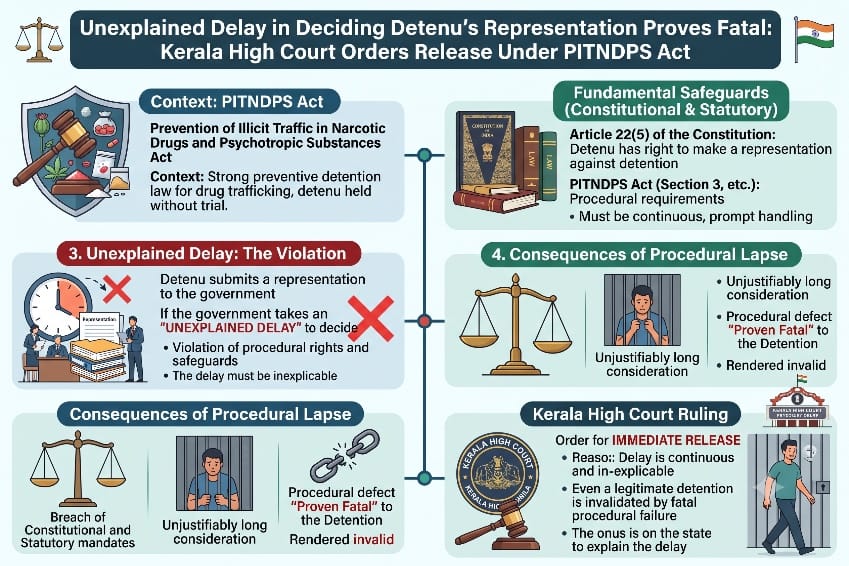
Fathimath Thasneem V.K. v. Union of India and Others | High Court of Kerala at Ernakulam | 3rd September, 2026 A habeas corpus writ petition by the wife of a detenu challenging…
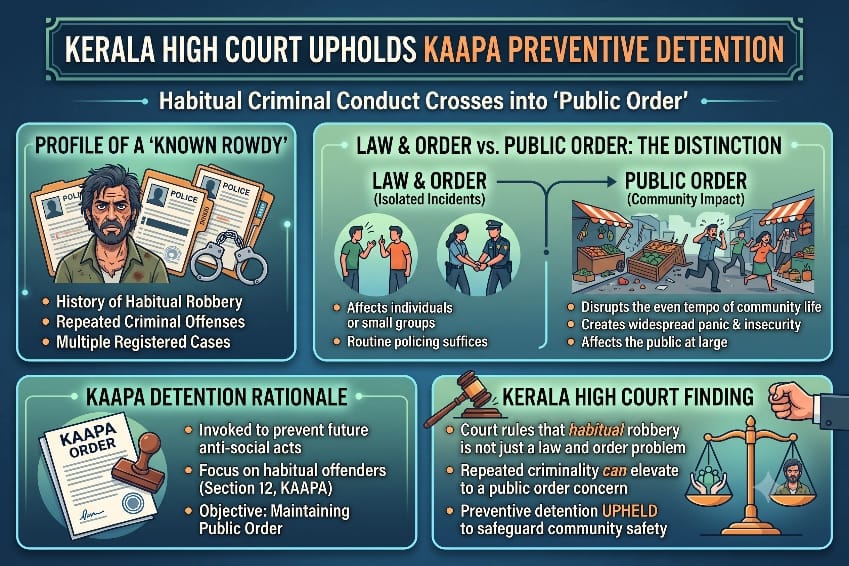
Thasmitha Abukutty v. State of Kerala and Others | High Court of Kerala at Ernakulam | 2nd September, 2026 A writ petition by the wife of a preventive detenu challenging a…
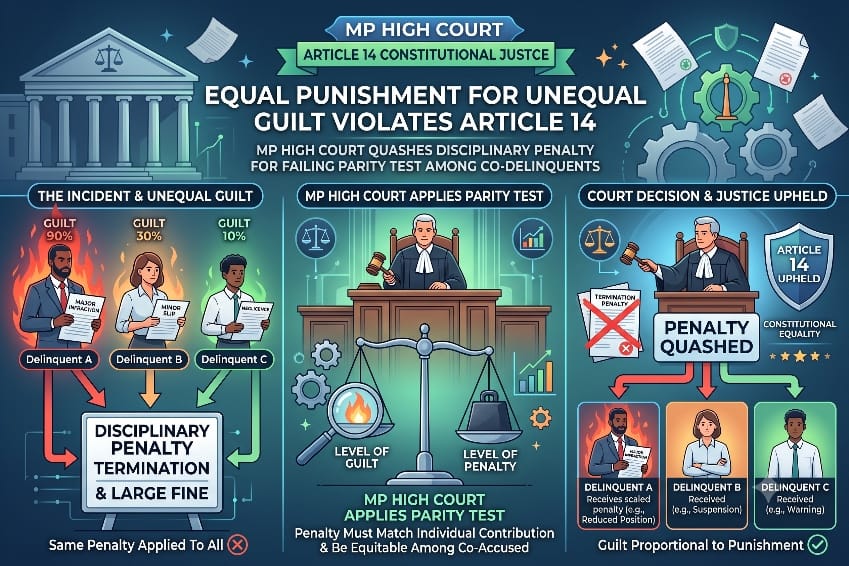
Brahm Kishore Dixit v. The State of Madhya Pradesh and Others | High Court of Madhya Pradesh, Gwalior | 1st September, 2026 A writ petition under Article 226 by a police Assistant…
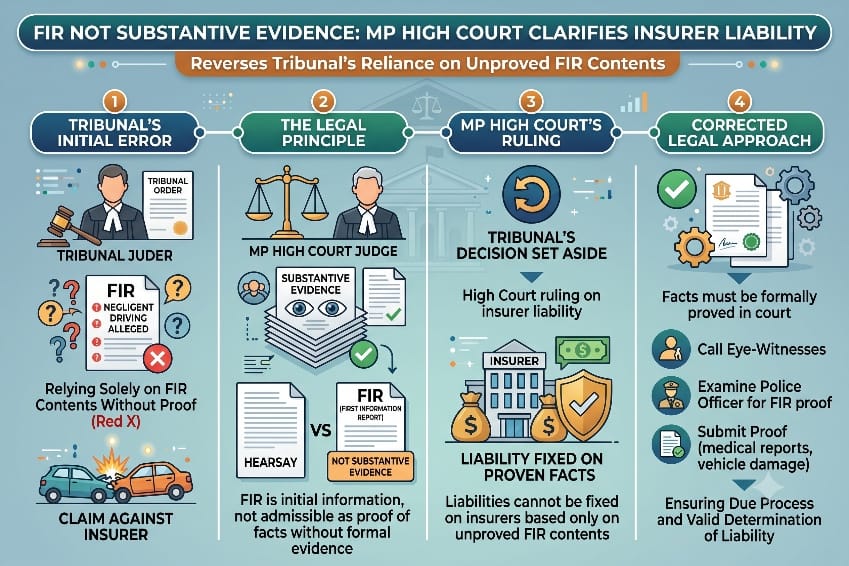
Anil Kumar Patel v. Smt. Munni Bai Barman and Others | High Court of Madhya Pradesh, Jabalpur | 1st September, 2026 A Motor Vehicle Act appeal under Section 173 1 against a Claims…
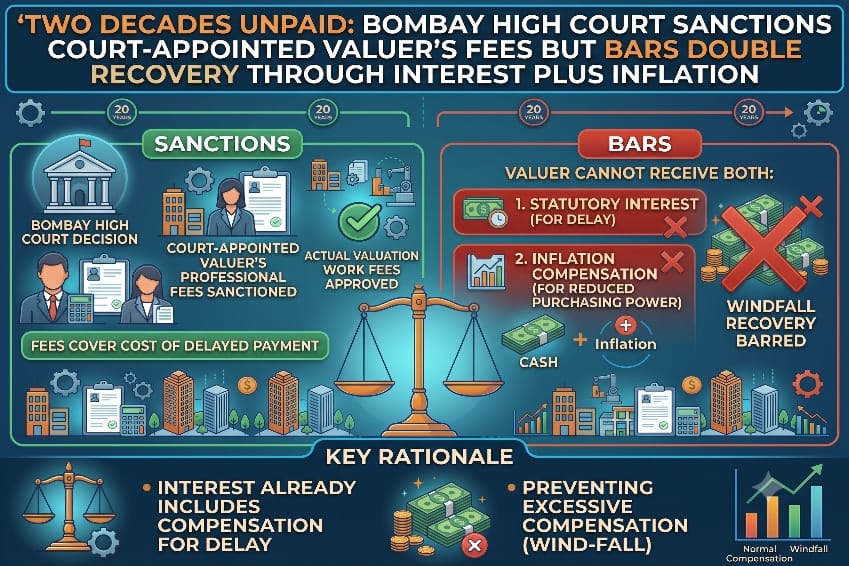
M/s. Kuber Mutual Benefits Ltd. & Ors. v. The State of Maharashtra & Ors. | High Court of Judicature at Bombay Appellate Side | 3rd September, 2026 A Court Receiver's Report…
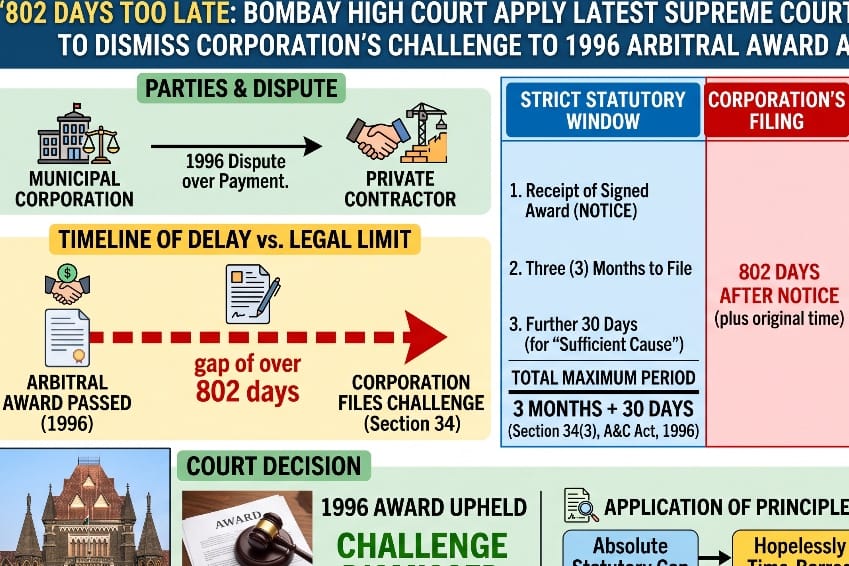
The Municipal Corporation of Greater Bombay v. M/s. Atul Raj Builders Pvt. Ltd. | High Court of Judicature at Bombay Ordinary Original Civil Jurisdiction | 3rd September, 2026 A…
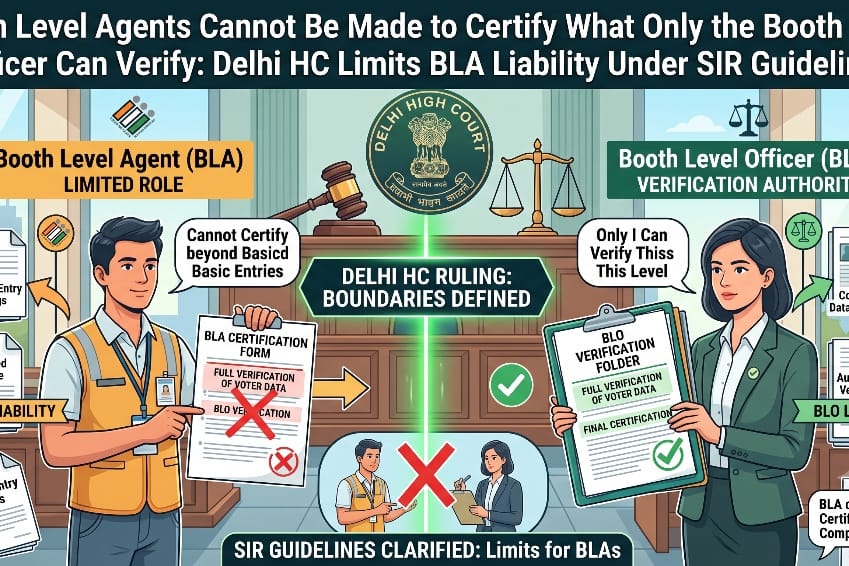
Devender Yadav & Anr. v. Election Commission of India & Anr. | High Court of Delhi Single Judge | Decided on: 03.09.2026 In a challenge to the Election Commission of India's…
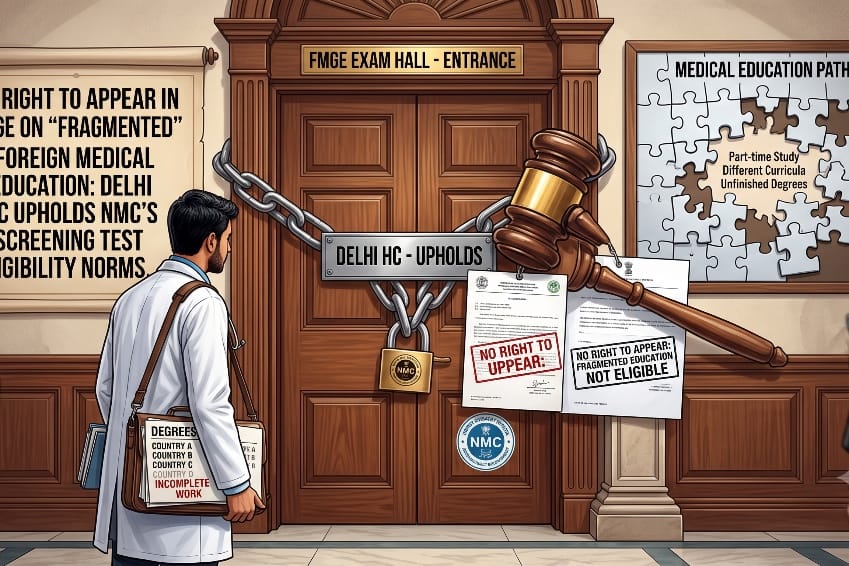
Brij Sharadbhai Bhatt & Ors. v. National Medical Commission & Ors. | High Court of Delhi Division Bench | Decided on: 03.09.2026 The Delhi High Court dismissed a challenge by…