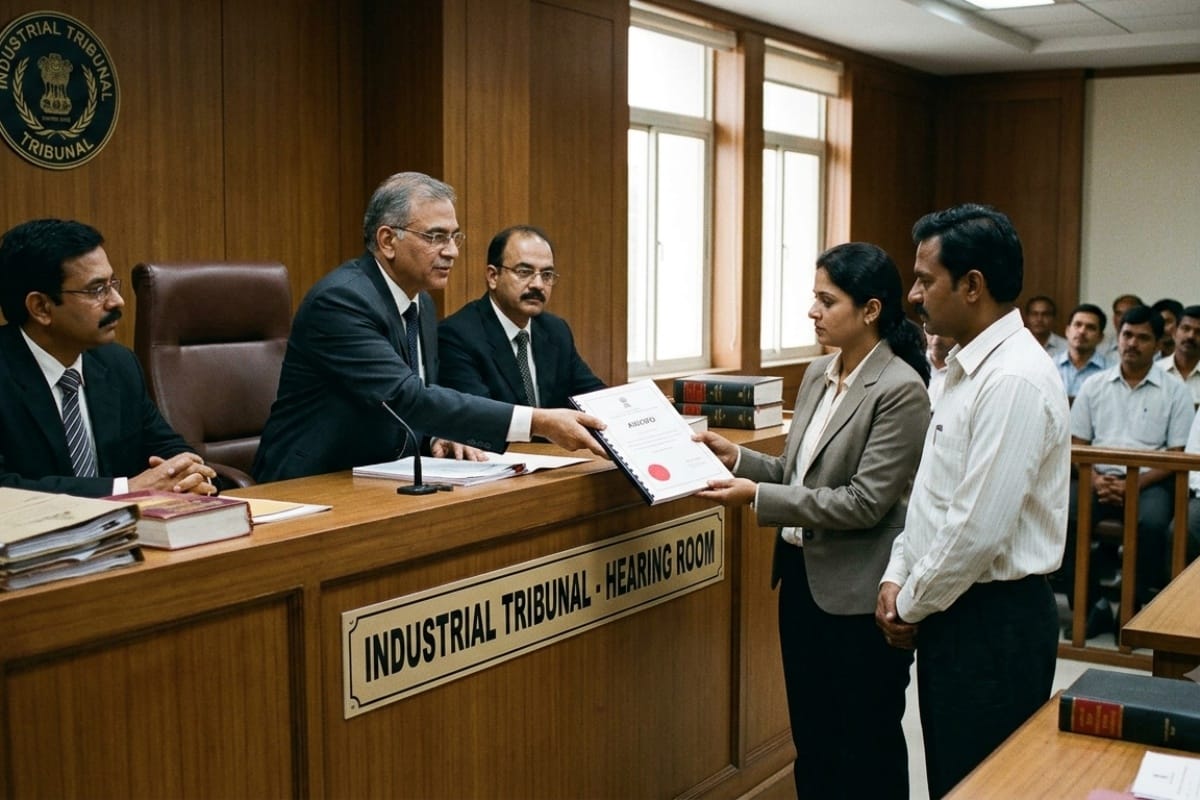
Deciding two connected writ petitions arising from a common Industrial Tribunal Award, the Delhi High Court set aside the Tribunal's direction granting hotel workmen a further…
Labour Laws
06/09/20264 min read
Update / Judgement Date
29 Oct 2025
Source
WCP News Bulletin
Author
Sakshi Bhardwaj — WCP Legal Desk
Reading Time
3 min read
Headnote:
The Supreme Court upheld the conviction of the appellants under Sections 302 and 307 read with Section 149 of the Indian Penal Code (IPC), holding that all members of the unlawful assembly were equally liable for murder and attempt to murder since they shared a common object to kill. The Court observed that even if an individual did not inflict the fatal injury, their participation, presence, and support to the main assailants were sufficient to attract liability under Section 149 IPC. The Court emphasized that when the act is the result of a shared intention or object, every member of the assembly is vicariously responsible.
Background:
• The case arose from an incident where a group of assailants attacked the victims, leading to one death and serious injuries to others.
• The Trial Court convicted some accused but acquitted others; however, the High Court reversed the acquittal based on credible eyewitness testimony.
• The appellants challenged the High Court’s decision before the Supreme Court, contending that they did not cause the fatal injuries and had no common object to kill.
Court’s Observations:
• The presence of the appellants at the scene with weapons and their active participation in surrounding the victims showed clear involvement in the crime.
• The consistent and reliable statements of injured eyewitnesses were rightly relied upon by the High Court.
• The Court held that even if a specific overt act by each accused was not proved, their membership in the unlawful assembly with a shared intention to commit murder made them equally liable.
• The Supreme Court found no perversity or error in the High Court’s reasoning and reaffirmed that vicarious liability under Section 149 IPC applies when a common object to commit a serious offence is evident.
• The appeals were dismissed, and the convictions were confirmed.
Legal Provisions Discussed:
• Section 149, Indian Penal Code, 1860 (IPC) – Every member of an unlawful assembly is guilty of the offence committed in prosecution of the common object.
• Sections 302 & 307, IPC – Punishment for murder and attempt to murder.
• Section 141, IPC – Definition of unlawful assembly.
• Article 136, Constitution of India – Special leave to appeal before the Supreme Court.
Citation: 2025 INSC 1266
Case: Haribhau @ Bhausaheb Dinkar Kharuse & Anr. v. State of Maharashtra
Court: Supreme Court of India
Coram: Justice Abhay S. Oka & Justice Ujjal Bhuyan
Date of Decision: 29 October 2025
Criminal Appeal Nos.: 2580–2583 of 2011
Deciding two connected writ petitions arising from a common Industrial Tribunal Award, the Delhi High Court set aside the Tribunal's direction granting hotel workmen a further…

Headnote The Delhi High Court dismissed a prosecutrix's appeal against acquittal of the accused on charges under Sections 328/376 2 n /377/506/509 IPC, despite DNA evidence…
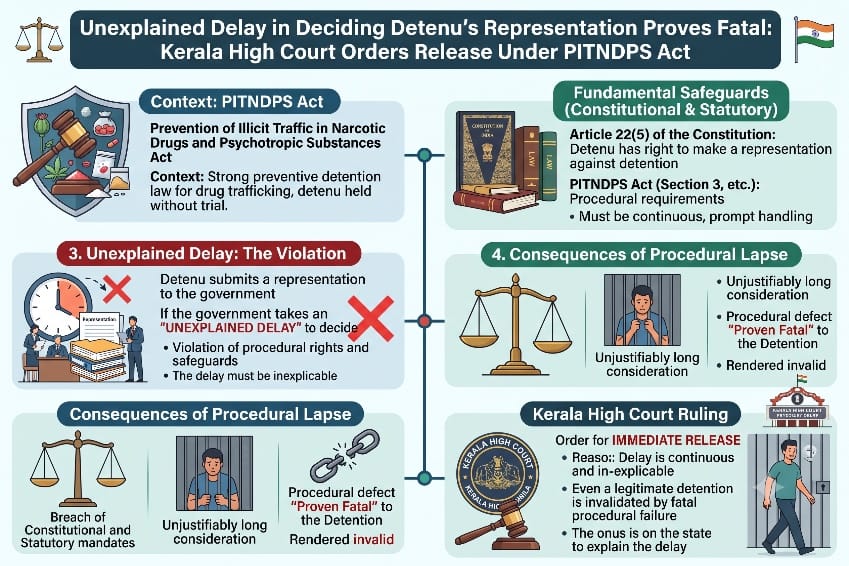
Fathimath Thasneem V.K. v. Union of India and Others | High Court of Kerala at Ernakulam | 3rd September, 2026 A habeas corpus writ petition by the wife of a detenu challenging…
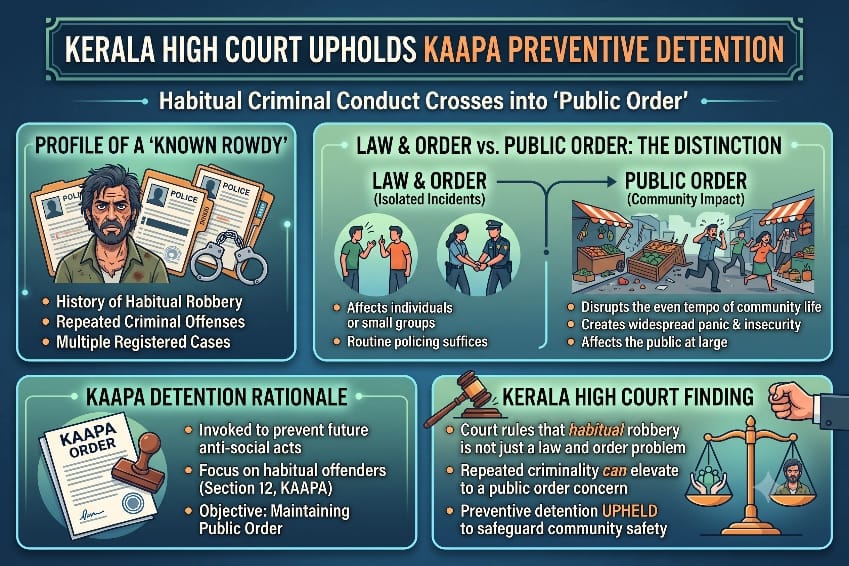
Thasmitha Abukutty v. State of Kerala and Others | High Court of Kerala at Ernakulam | 2nd September, 2026 A writ petition by the wife of a preventive detenu challenging a…
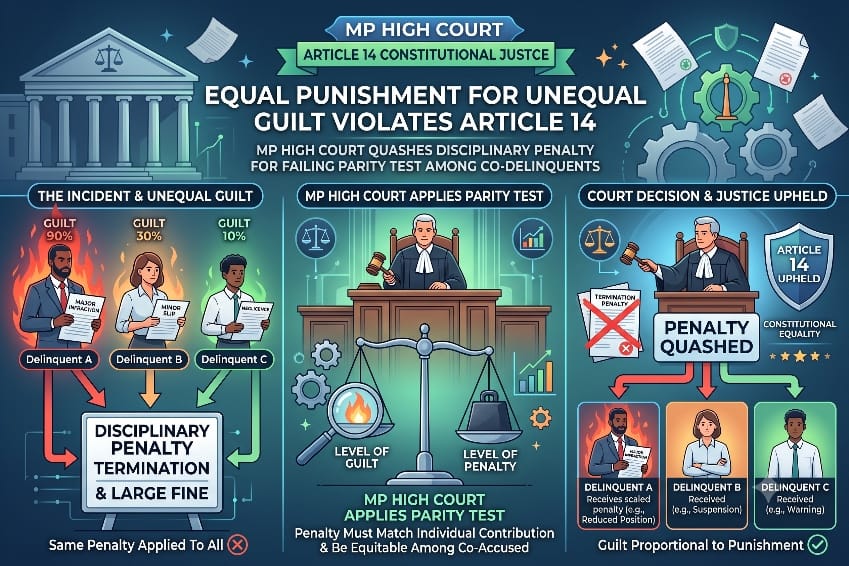
Brahm Kishore Dixit v. The State of Madhya Pradesh and Others | High Court of Madhya Pradesh, Gwalior | 1st September, 2026 A writ petition under Article 226 by a police Assistant…
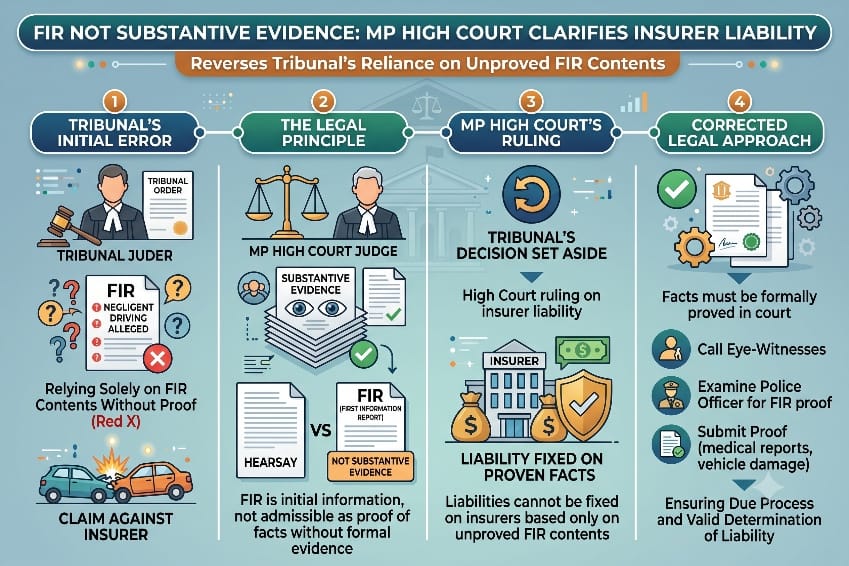
Anil Kumar Patel v. Smt. Munni Bai Barman and Others | High Court of Madhya Pradesh, Jabalpur | 1st September, 2026 A Motor Vehicle Act appeal under Section 173 1 against a Claims…
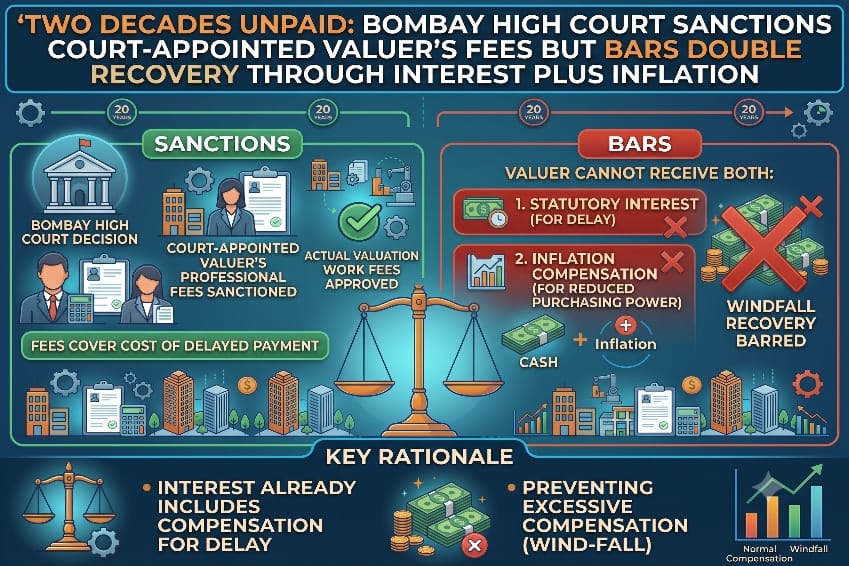
M/s. Kuber Mutual Benefits Ltd. & Ors. v. The State of Maharashtra & Ors. | High Court of Judicature at Bombay Appellate Side | 3rd September, 2026 A Court Receiver's Report…
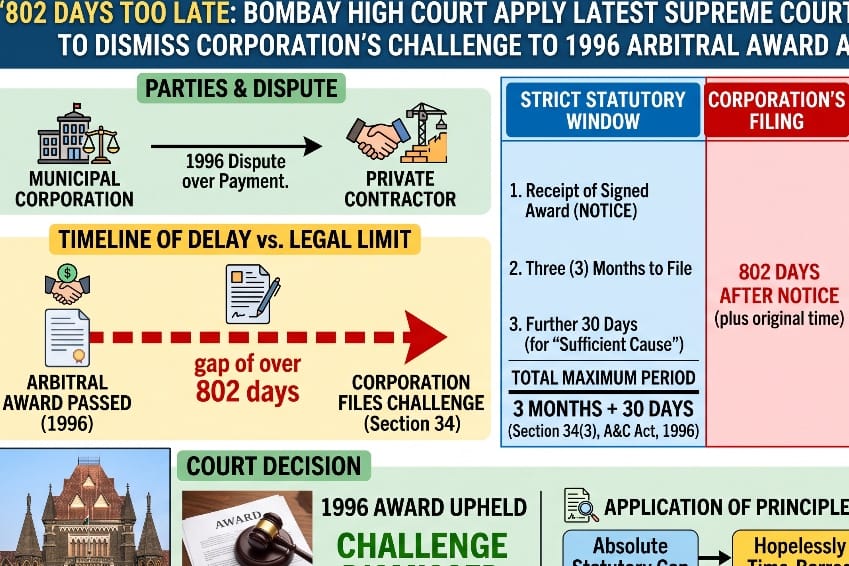
The Municipal Corporation of Greater Bombay v. M/s. Atul Raj Builders Pvt. Ltd. | High Court of Judicature at Bombay Ordinary Original Civil Jurisdiction | 3rd September, 2026 A…
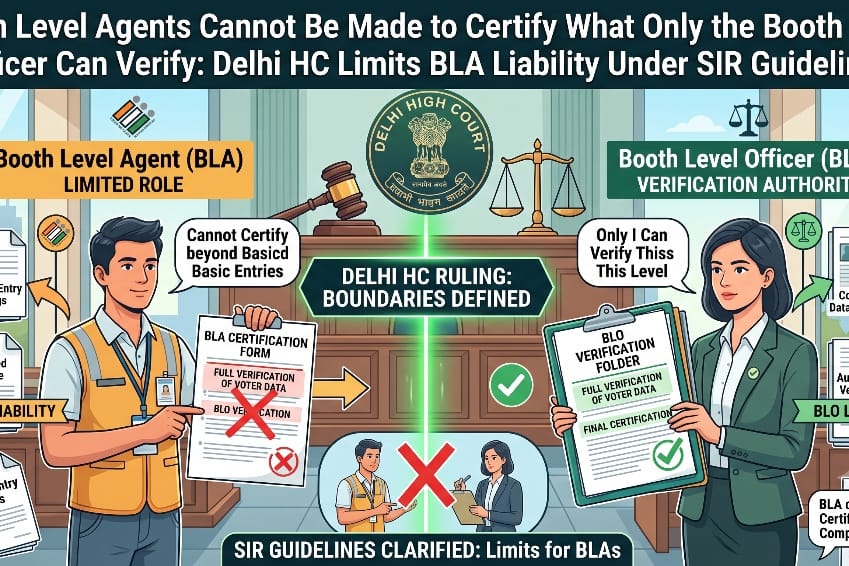
Devender Yadav & Anr. v. Election Commission of India & Anr. | High Court of Delhi Single Judge | Decided on: 03.09.2026 In a challenge to the Election Commission of India's…
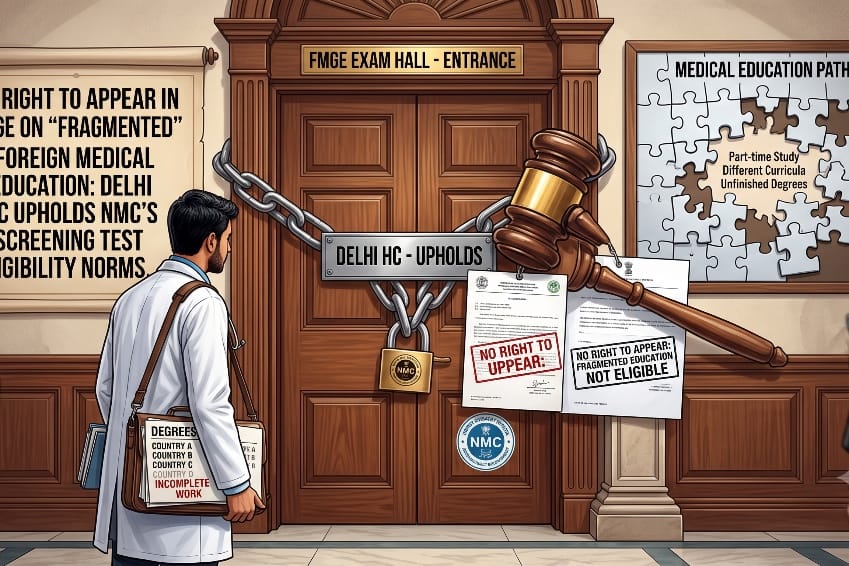
Brij Sharadbhai Bhatt & Ors. v. National Medical Commission & Ors. | High Court of Delhi Division Bench | Decided on: 03.09.2026 The Delhi High Court dismissed a challenge by…