
Deciding two connected writ petitions arising from a common Industrial Tribunal Award, the Delhi High Court set aside the Tribunal's direction granting hotel workmen a further…
Labour Laws
06/09/20264 min read
Update / Judgement Date
14 Dec 2025
Source
WCP News Bulletin
Author
Sakshi Bhardwaj — WCP Legal Desk
Reading Time
3 min read
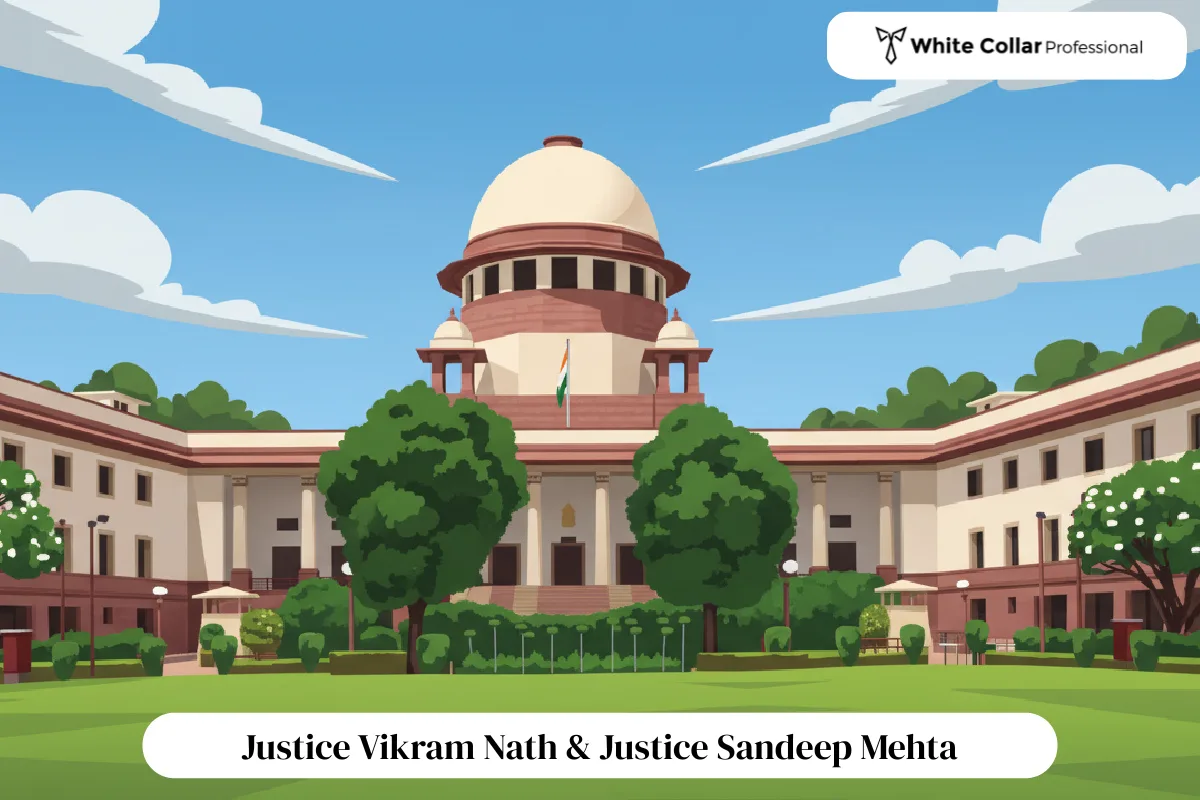
The Supreme Court held that Section 103 of the Multi-State Cooperative Societies Act, 2002 does not automatically convert every State-registered cooperative society into a multi-State cooperative society merely due to State reorganisation. Such deemed conversion applies only where the objects of the society extend to more than one State, and not merely because its area of operation or membership spans across States. The Court set aside the Allahabad High Court judgment which had treated the cooperative sugar mills as multi-State societies solely on account of the bifurcation of Uttar Pradesh.
• The cooperative sugar factory was registered under the Cooperative Societies Act, 1912, later governed by the U.P. Cooperative Societies Act, 1965.
• In 2000, Uttar Pradesh was reorganised, creating the State of Uttarakhand.
• The State of U.P. subsequently initiated steps for restructuring and privatization of financially unviable cooperative sugar mills.
• Shareholders of the cooperative society challenged these actions before the Allahabad High Court, claiming that due to reorganisation, the society stood deemed converted into a multi-State cooperative society under Section 103 of the 2002 Act.
• The High Court accepted this contention and held that only the Union Government had jurisdiction.
• The State of Uttar Pradesh appealed to the Supreme Court.
Whether, by virtue of Section 103 of the Multi-State Cooperative Societies Act, 2002, a cooperative society registered under a State Act automatically becomes a multi-State cooperative society upon State reorganisation?
Key Observations of the Court• Section 103 creates a limited deeming fiction and does not operate automatically upon State reorganisation.
• The expression “objects of the society” in Section 103 is distinct from “area of operation”.
• A cooperative society becomes a multi-State cooperative society only if its objects, as reflected in its bye-laws, extend to more than one State.
• The residence or domicile of members is irrelevant for determining multi-State status.
• Section 5 of the 2002 Act mandates that registration as a multi-State cooperative society requires objects serving members in more than one State.
• The High Court erred by conflating area of operation with objects and by failing to examine the bye-laws of the society.
• Mere procurement of sugarcane from another State or residence of members in another State does not attract Section 103.
• Reliance on Naresh Shankar Srivastava v. State of U.P. (2009) was misplaced, as that case involved societies whose objects and operations genuinely extended to both States.
Ratio DecidendiSection 103 of the Multi-State Cooperative Societies Act, 2002 applies only when, after State reorganisation, the objects of a cooperative society extend to more than one State. A society whose objects remain confined to a single State continues to be governed by the State Cooperative Societies Act.
Final Decision• The judgment of the Allahabad High Court dated 26 September 2008 was set aside.
• The cooperative societies were held not to be multi-State cooperative societies.
• The State of Uttar Pradesh retained jurisdiction under the State Act.
• Appeals allowed and writ petitions dismissed.
• Section 103, Multi-State Cooperative Societies Act, 2002 – Deemed registration upon reorganisation
• Section 5, Multi-State Cooperative Societies Act, 2002 – Conditions for registration
• Section 22, Multi-State Cooperative Societies Act, 2002 – Voluntary conversion
• U.P. Cooperative Societies Act, 1965
• U.P. State Reorganisation Act, 2000
Citation: 2025 INSC 1427
Case: State of Uttar Pradesh v. MilkIyat Singh & Ors.
Court: Supreme Court of India
Bench: Justice Vikram Nath & Justice Sandeep Mehta
Date of Decision: 15 December 2025
Civil Appeal Nos.: 7050–7051 of 2010
Deciding two connected writ petitions arising from a common Industrial Tribunal Award, the Delhi High Court set aside the Tribunal's direction granting hotel workmen a further…
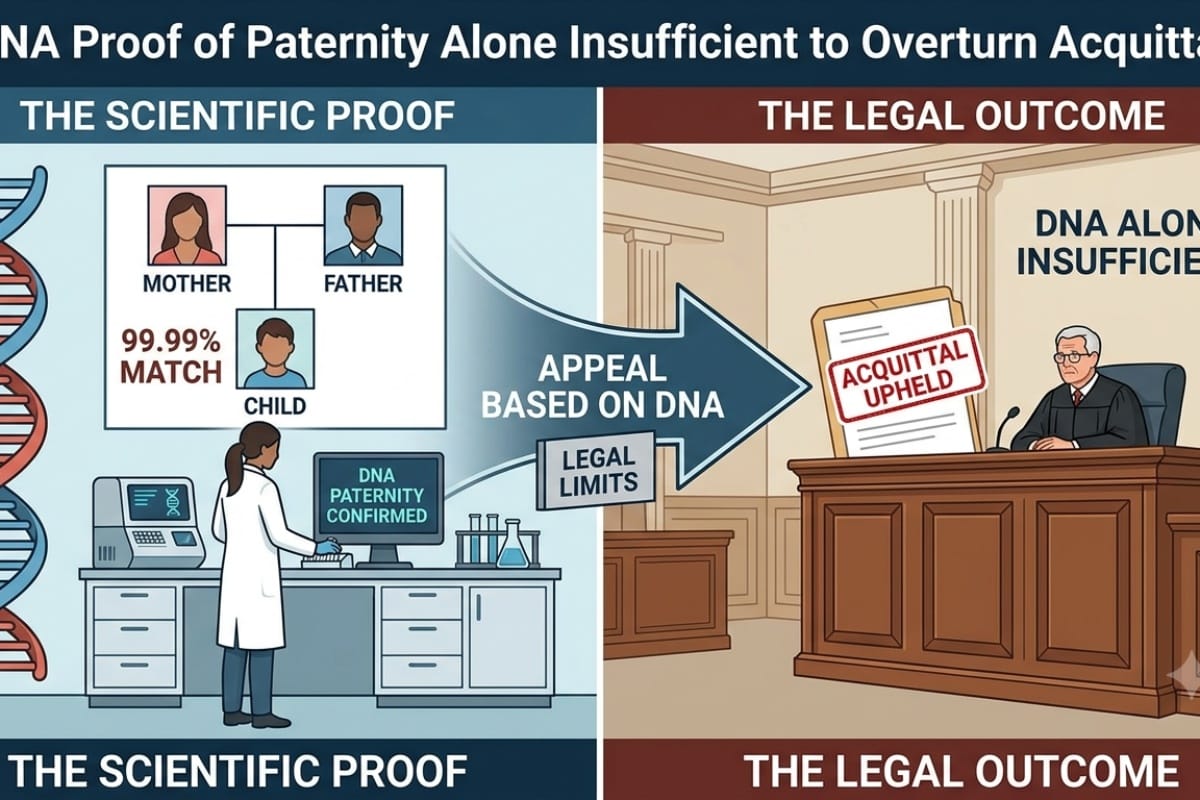
Headnote The Delhi High Court dismissed a prosecutrix's appeal against acquittal of the accused on charges under Sections 328/376 2 n /377/506/509 IPC, despite DNA evidence…
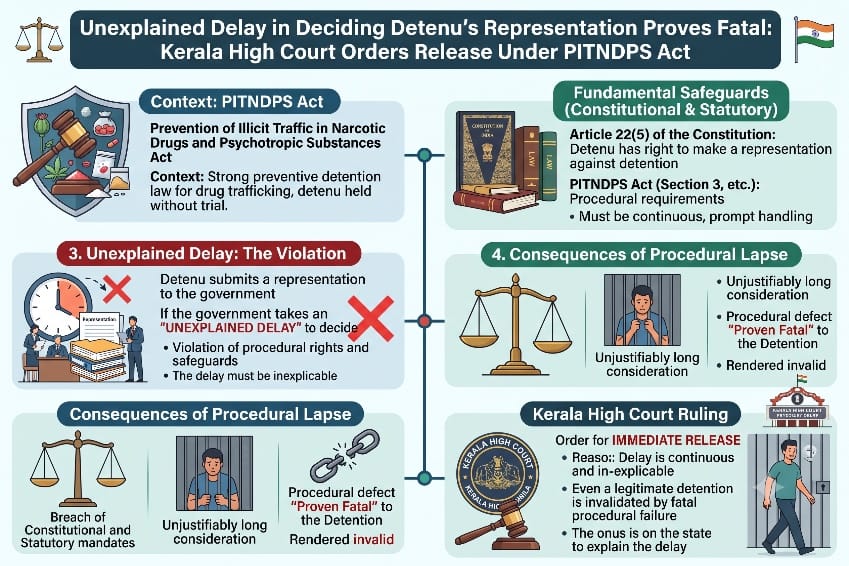
Fathimath Thasneem V.K. v. Union of India and Others | High Court of Kerala at Ernakulam | 3rd September, 2026 A habeas corpus writ petition by the wife of a detenu challenging…
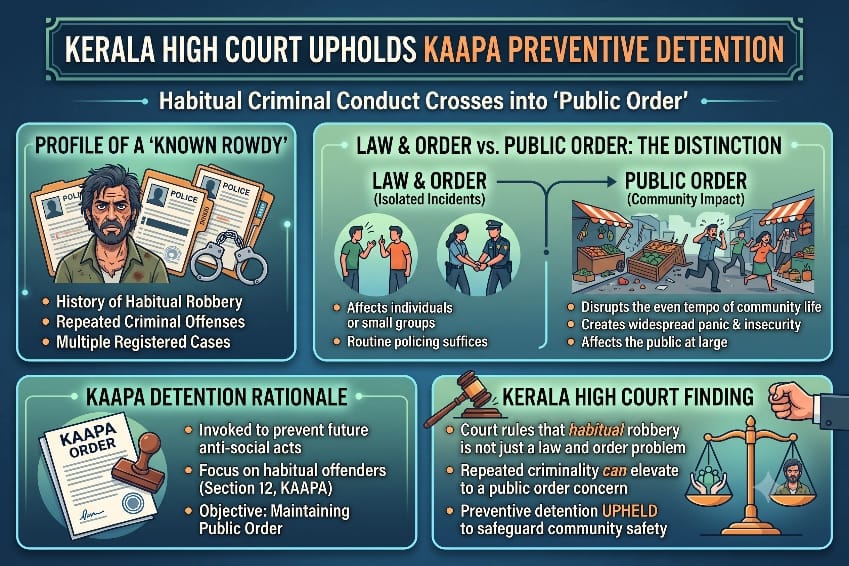
Thasmitha Abukutty v. State of Kerala and Others | High Court of Kerala at Ernakulam | 2nd September, 2026 A writ petition by the wife of a preventive detenu challenging a…
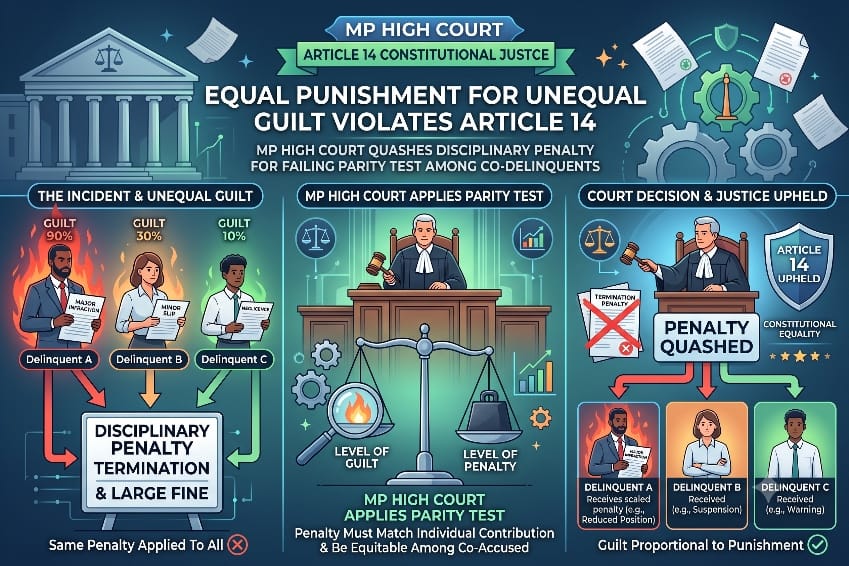
Brahm Kishore Dixit v. The State of Madhya Pradesh and Others | High Court of Madhya Pradesh, Gwalior | 1st September, 2026 A writ petition under Article 226 by a police Assistant…
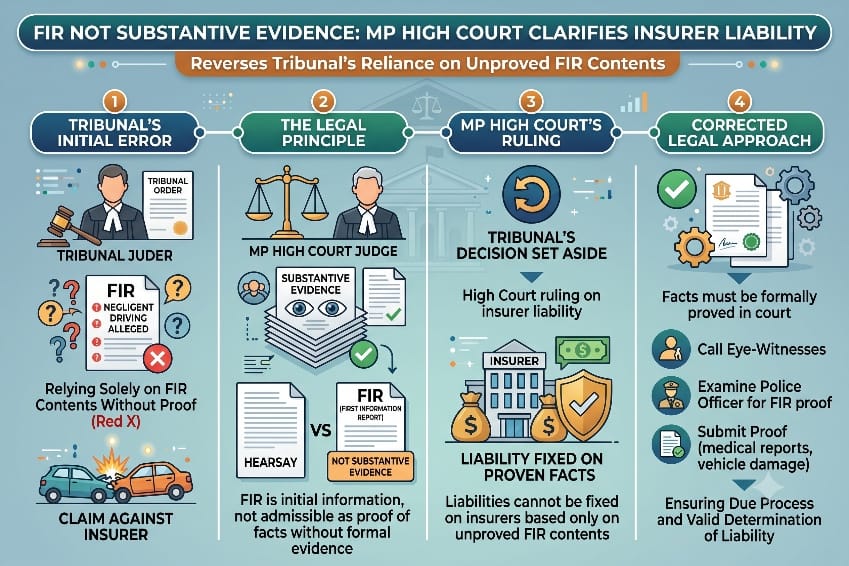
Anil Kumar Patel v. Smt. Munni Bai Barman and Others | High Court of Madhya Pradesh, Jabalpur | 1st September, 2026 A Motor Vehicle Act appeal under Section 173 1 against a Claims…
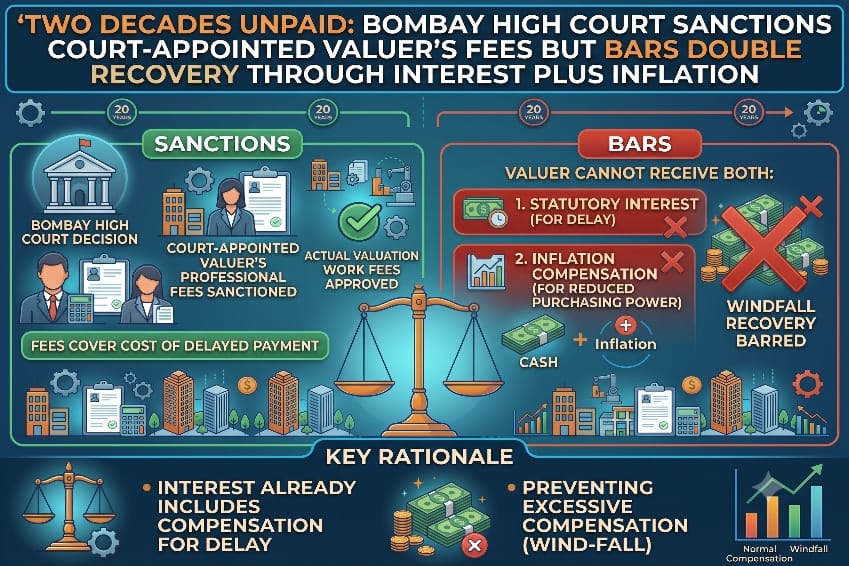
M/s. Kuber Mutual Benefits Ltd. & Ors. v. The State of Maharashtra & Ors. | High Court of Judicature at Bombay Appellate Side | 3rd September, 2026 A Court Receiver's Report…
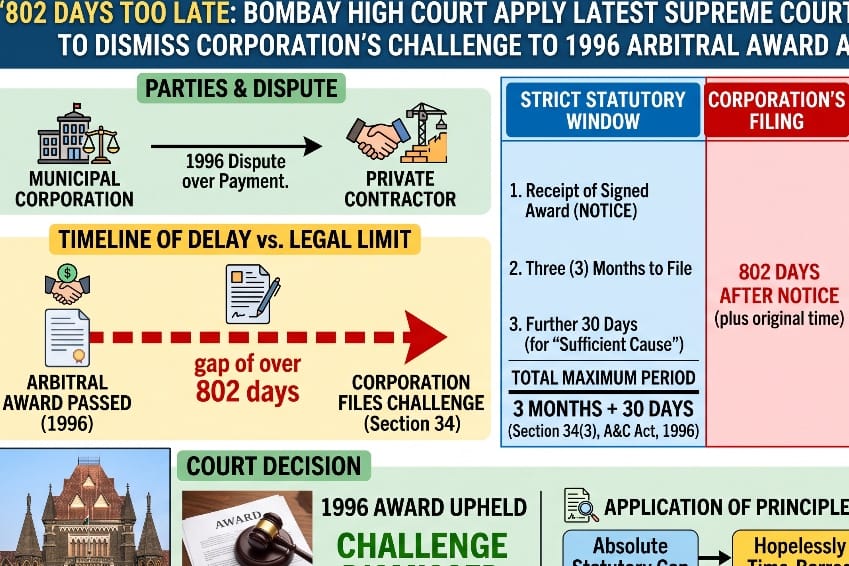
The Municipal Corporation of Greater Bombay v. M/s. Atul Raj Builders Pvt. Ltd. | High Court of Judicature at Bombay Ordinary Original Civil Jurisdiction | 3rd September, 2026 A…
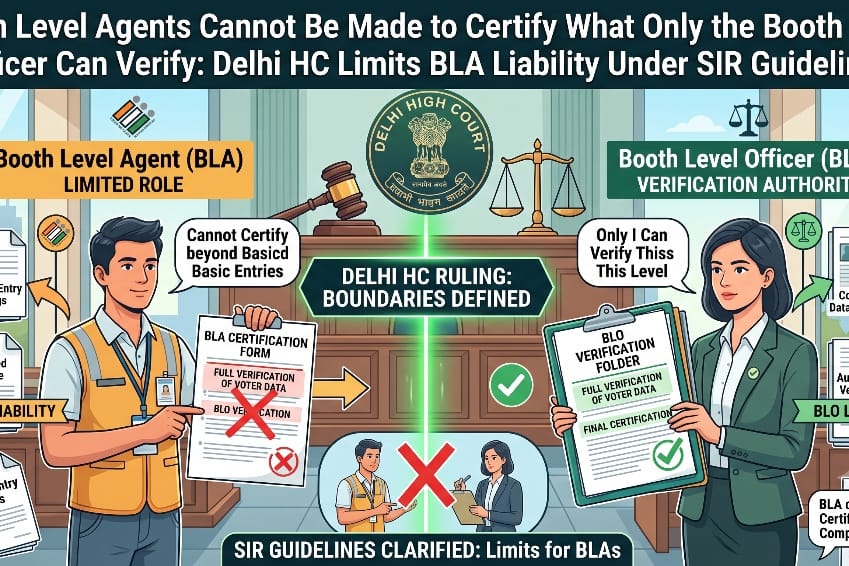
Devender Yadav & Anr. v. Election Commission of India & Anr. | High Court of Delhi Single Judge | Decided on: 03.09.2026 In a challenge to the Election Commission of India's…
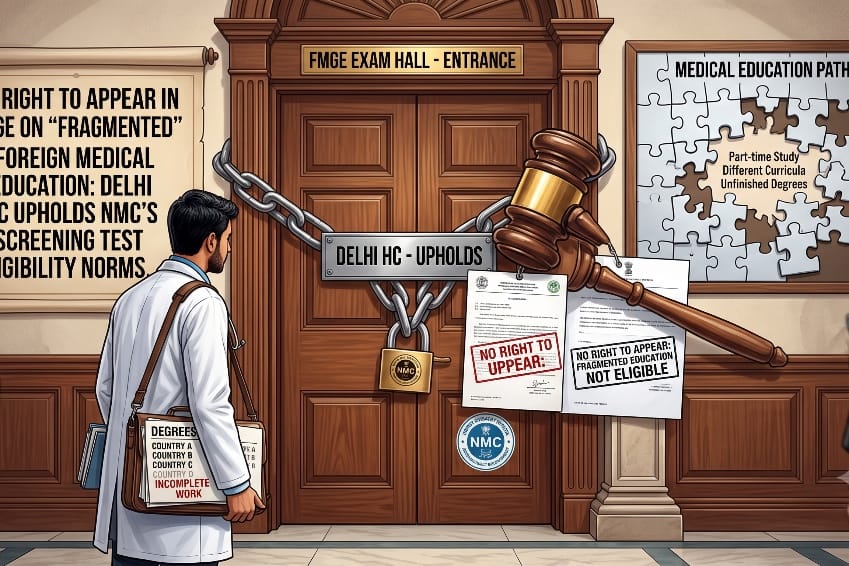
Brij Sharadbhai Bhatt & Ors. v. National Medical Commission & Ors. | High Court of Delhi Division Bench | Decided on: 03.09.2026 The Delhi High Court dismissed a challenge by…