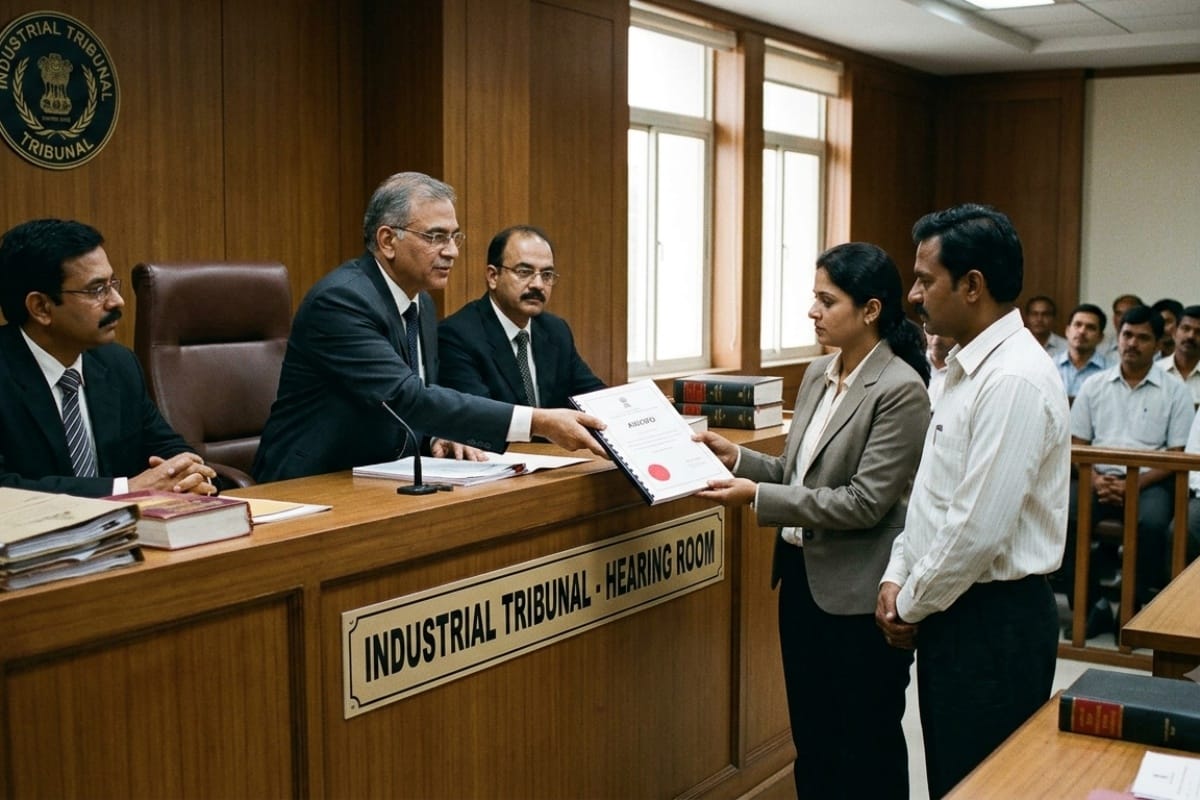
Deciding two connected writ petitions arising from a common Industrial Tribunal Award, the Delhi High Court set aside the Tribunal's direction granting hotel workmen a further…
Labour Laws
06/09/20264 min read
Update / Judgement Date
01 Dec 2025
Source
WCP News Bulletin
Author
Sakshi Bhardwaj — WCP Legal Desk
Reading Time
2 min read
The Supreme Court set aside the convictions of three appellants — Chandan Pasi, Pappu Pasi and Gidik Pasi — in a murder case, on the ground that the trial court failed to conduct a proper examination under Section 313 CrPC. The so-called examination consisted of only four generic questions identical for each accused, without putting specific incriminating evidence or material circumstances to them. The Court held this to be a grave violation of the right to a fair trial (audi alteram partem), and remanded the case for a fresh trial beginning from the stage of recording Section 313 statements. The convictions of other co-accused remain unaffected.
• The appellants had been convicted by the Trial Court (Sessions Court, Buxar) in Sessions Trial No. 256/2016 for murder under Indian Penal Code (IPC) Sections 302/34, 448/34, 323/34 and sentenced to life imprisonment + fine and concurrent simple imprisonment.
• The High Court of Patna upheld the conviction by its judgments dated 4 September 2024 and 26 September 2024.
• The facts: On 31 March 2016, the deceased (Ghughali Pasi) was assaulted and killed by the accused persons with weapons while returning from fields. Allegations also included assault on other family members.
• The Court reiterated that Section 313 CrPC is a vital safeguard ensuring accused persons can personally explain incriminating evidence — not a mere formality.
• In this case, the so-called 313 examination was grossly inadequate — only 4 questions asked to each, generic and identical for all; no specific material circumstances were put.
• The accused’s answers were “carbon copy” denials, offering no real opportunity to address individual incriminating evidence.
• The Court emphasised that such mechanical procedures violate the principles of natural justice (audi alteram partem) and cannot sustain a conviction.
• The appeals of the three appellants are allowed.
• Convictions are set aside only for these three; other co-accused remain unaffected.
• The case is remanded to the Trial Court to start afresh from the stage of recording proper Section 313 CrPC statements.
• Trial Court directed to complete the process within four months of communication of this judgment.
Citation: 2025 INSC 1371
Case: Chandan Pasi & Ors. v. State of Bihar
Court: Supreme Court of India
Coram: Justice Sanjay Karol & Justice Nongmeikapam Kotiswar Singh
Deciding two connected writ petitions arising from a common Industrial Tribunal Award, the Delhi High Court set aside the Tribunal's direction granting hotel workmen a further…
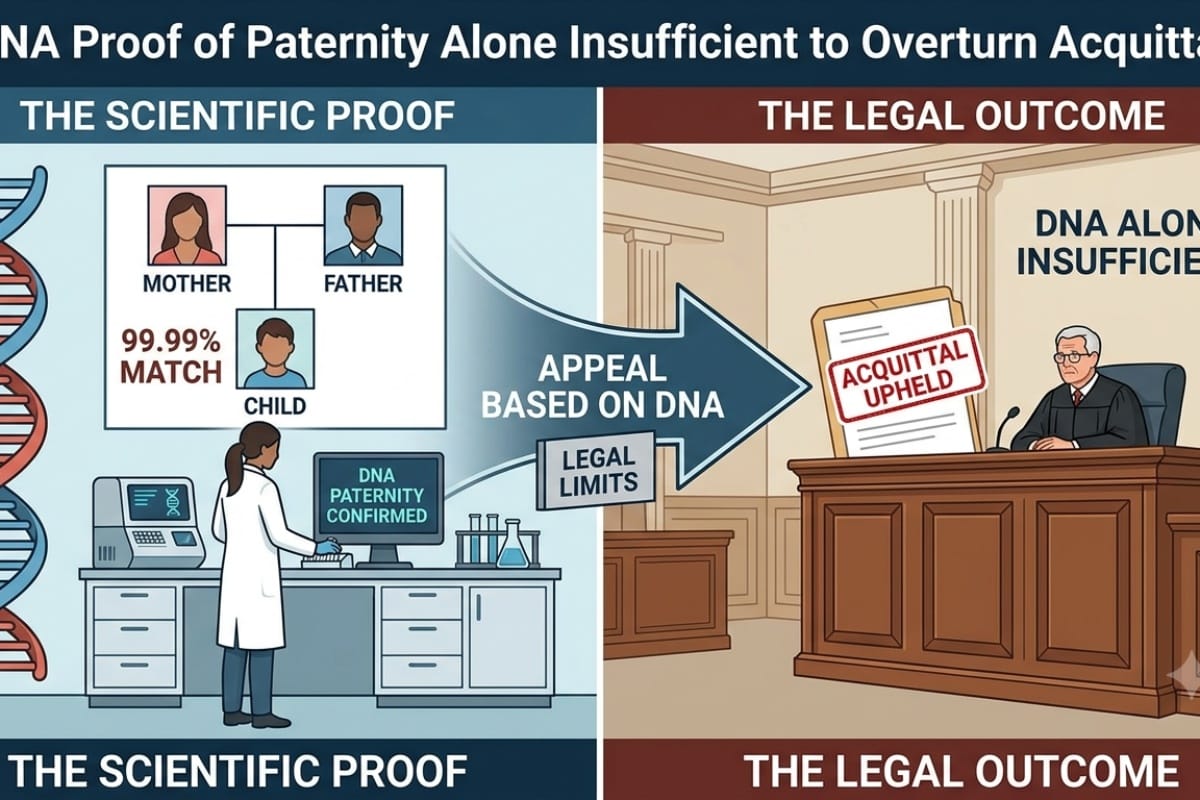
Headnote The Delhi High Court dismissed a prosecutrix's appeal against acquittal of the accused on charges under Sections 328/376 2 n /377/506/509 IPC, despite DNA evidence…
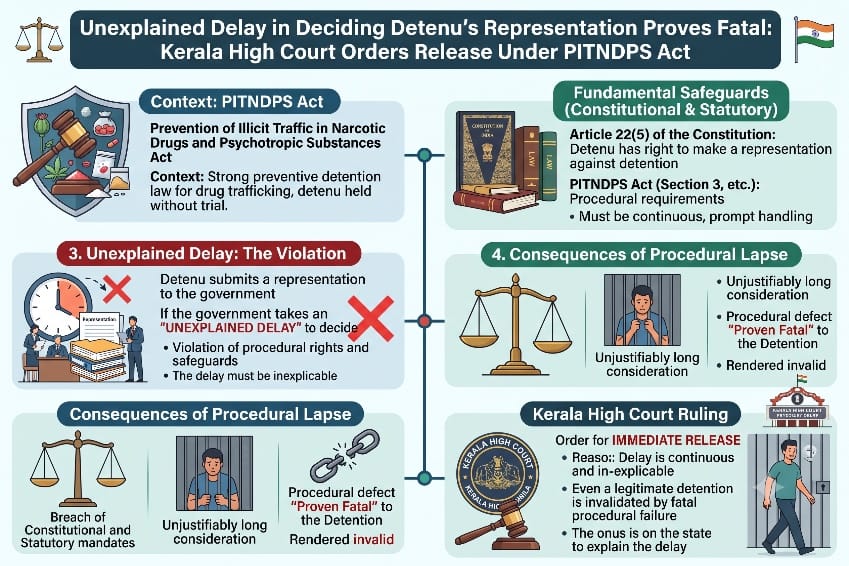
Fathimath Thasneem V.K. v. Union of India and Others | High Court of Kerala at Ernakulam | 3rd September, 2026 A habeas corpus writ petition by the wife of a detenu challenging…
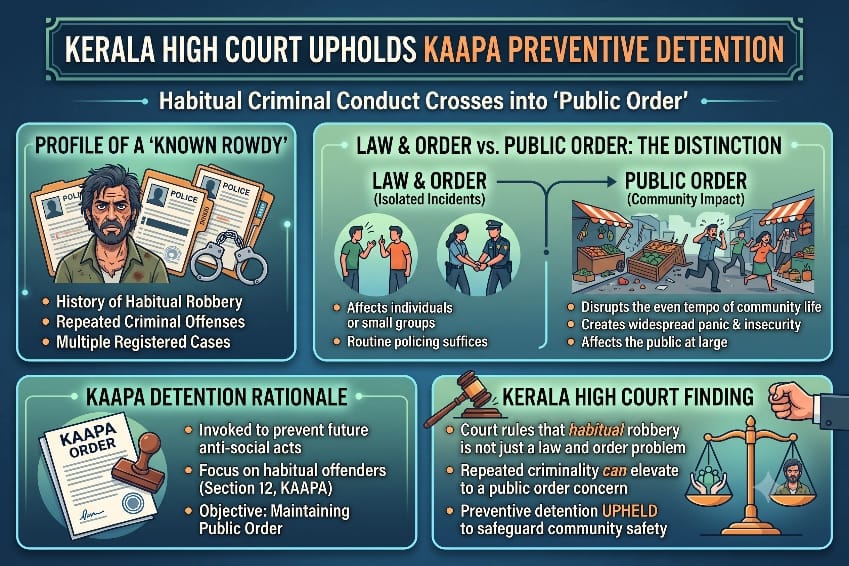
Thasmitha Abukutty v. State of Kerala and Others | High Court of Kerala at Ernakulam | 2nd September, 2026 A writ petition by the wife of a preventive detenu challenging a…
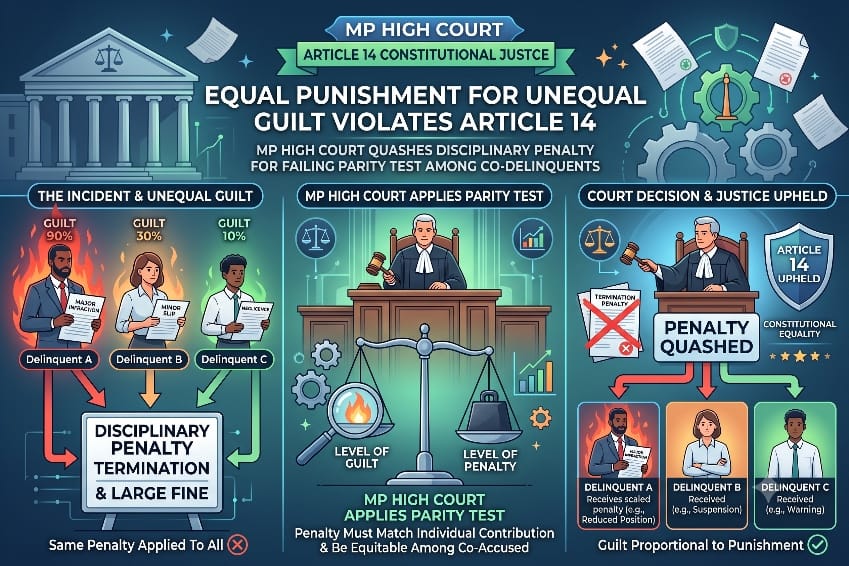
Brahm Kishore Dixit v. The State of Madhya Pradesh and Others | High Court of Madhya Pradesh, Gwalior | 1st September, 2026 A writ petition under Article 226 by a police Assistant…
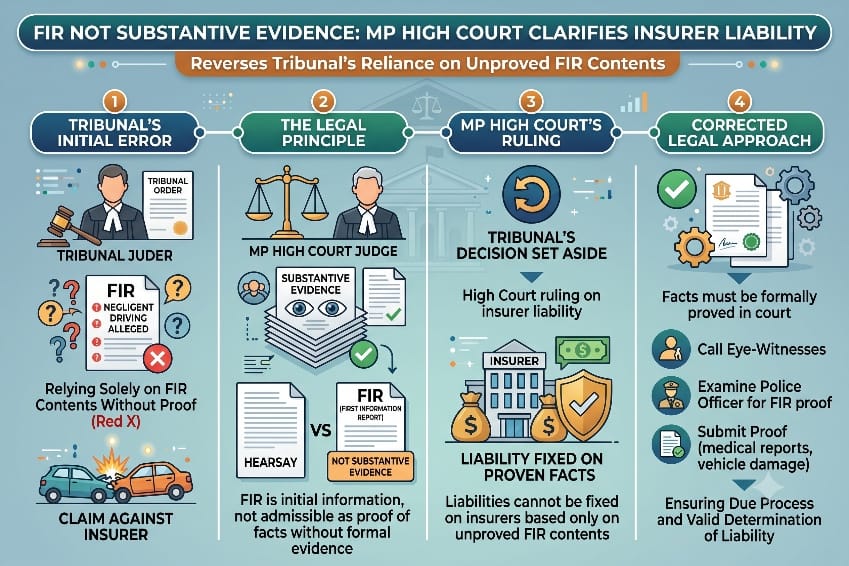
Anil Kumar Patel v. Smt. Munni Bai Barman and Others | High Court of Madhya Pradesh, Jabalpur | 1st September, 2026 A Motor Vehicle Act appeal under Section 173 1 against a Claims…
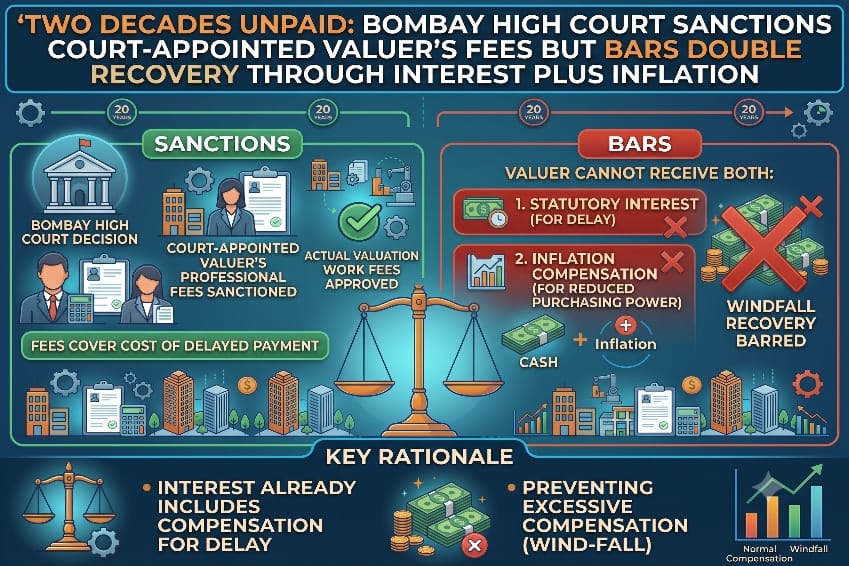
M/s. Kuber Mutual Benefits Ltd. & Ors. v. The State of Maharashtra & Ors. | High Court of Judicature at Bombay Appellate Side | 3rd September, 2026 A Court Receiver's Report…
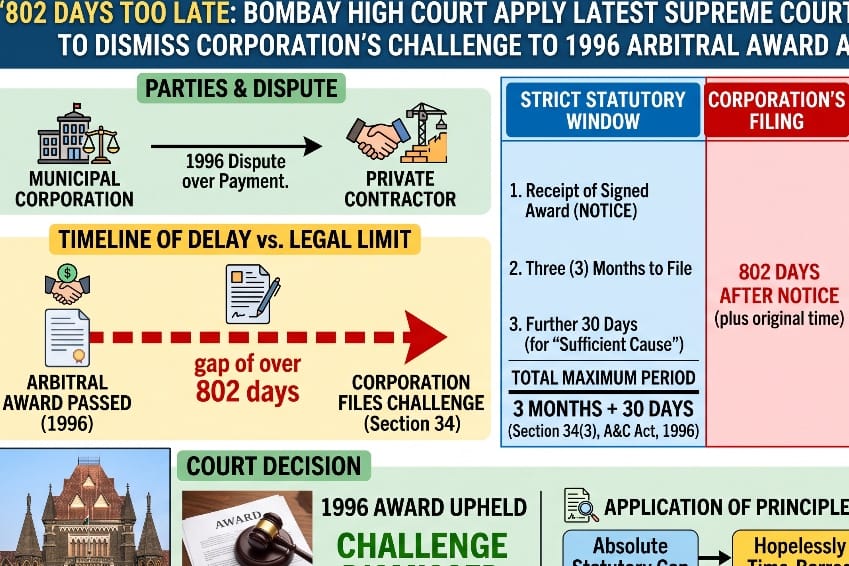
The Municipal Corporation of Greater Bombay v. M/s. Atul Raj Builders Pvt. Ltd. | High Court of Judicature at Bombay Ordinary Original Civil Jurisdiction | 3rd September, 2026 A…

Devender Yadav & Anr. v. Election Commission of India & Anr. | High Court of Delhi Single Judge | Decided on: 03.09.2026 In a challenge to the Election Commission of India's…
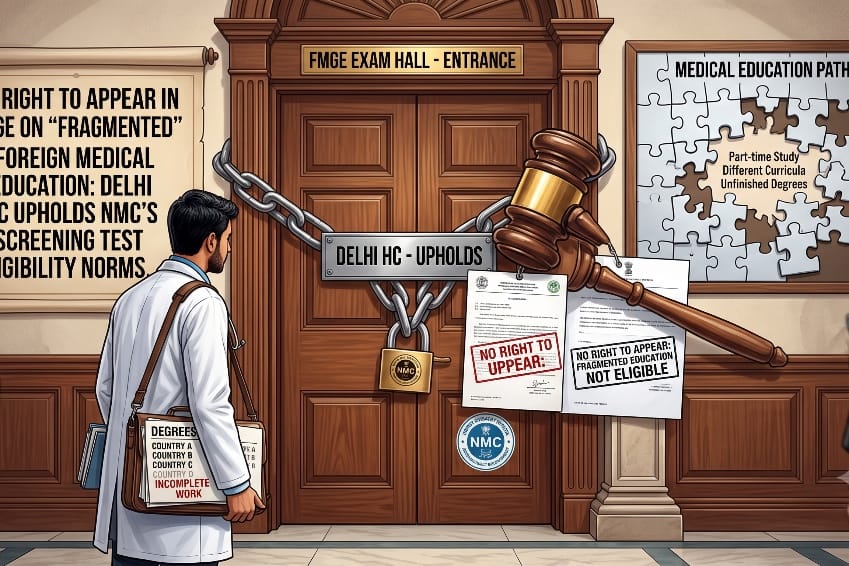
Brij Sharadbhai Bhatt & Ors. v. National Medical Commission & Ors. | High Court of Delhi Division Bench | Decided on: 03.09.2026 The Delhi High Court dismissed a challenge by…