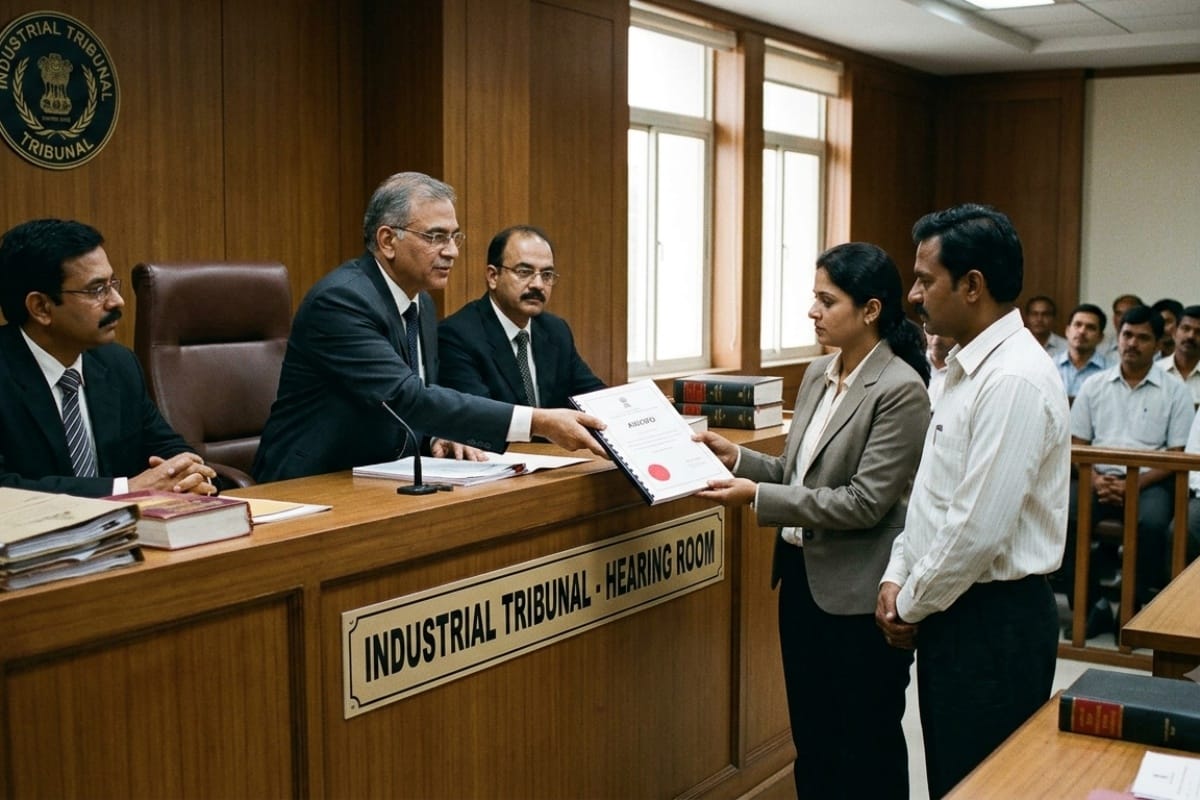
Deciding two connected writ petitions arising from a common Industrial Tribunal Award, the Delhi High Court set aside the Tribunal's direction granting hotel workmen a further…
Labour Laws
06/09/20264 min read
The Supreme Court overturned a High Court ruling that had denied a daughter her rightful coparcenary share in ancestral property, while also summarizing key principles governing review jurisdiction. The case involved a daughter who challenged the denial of her share on the ground that the High Court wrongly interpreted the Hindu Succession (Amendment) Act, 2005, which conferred equal coparcenary rights to daughters. The Supreme Court held that daughters cannot be denied inheritance rights on technical grounds once the law unequivocally recognizes them as coparceners by birth, irrespective of whether the father was alive at the time of the 2005 amendment. Additionally, the Court examined the scope of review jurisdiction, clarifying that while courts possess limited powers to revisit final judgments, such review is justified where there is an error apparent on the face of the record or gross miscarriage of justice. Applying these principles, it found that the High Court’s denial of the daughter’s rights amounted to a manifest error requiring correction. The ruling has dual significance: it strengthens gender equality in property rights while also reinforcing judicial standards for exercising review powers. The Court emphasized that coparcenary rights are not a matter of charity but of statutory entitlement rooted in constitutional values of equality and non-discrimination. By directing that the daughter be granted her share, the judgment ensures consistent enforcement of succession reforms and sets a strong precedent for gender justice in inheritance matters. At the same time, its articulation on review jurisdiction provides clarity for lower courts in exercising this exceptional power, ensuring that errors do not perpetuate injustice.
Deciding two connected writ petitions arising from a common Industrial Tribunal Award, the Delhi High Court set aside the Tribunal's direction granting hotel workmen a further…
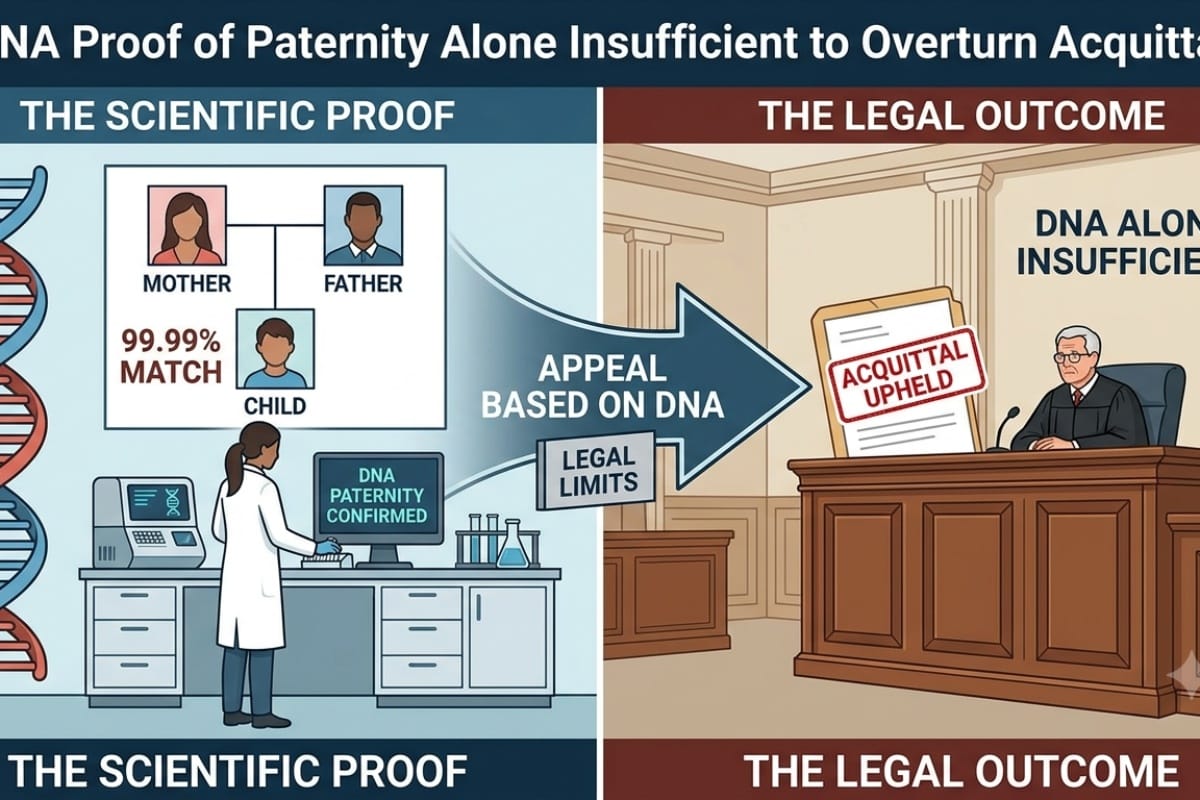
Headnote The Delhi High Court dismissed a prosecutrix's appeal against acquittal of the accused on charges under Sections 328/376 2 n /377/506/509 IPC, despite DNA evidence…
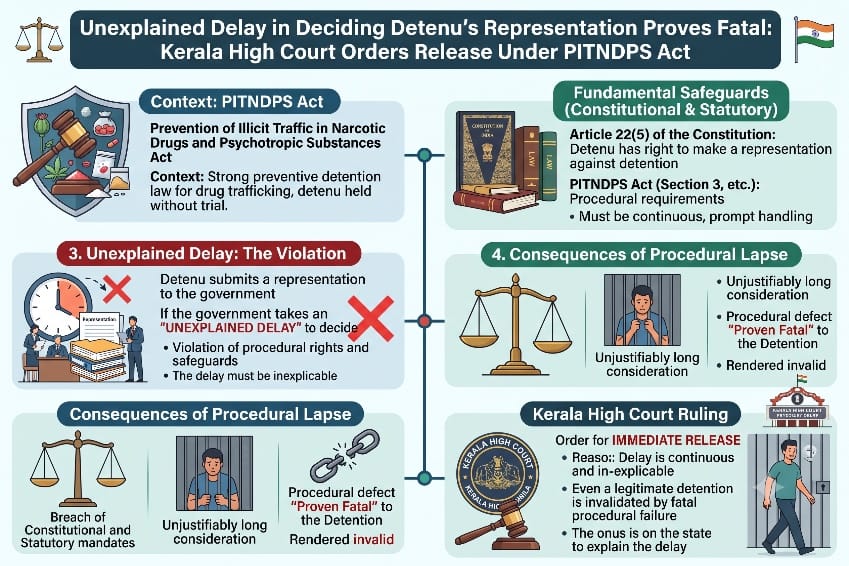
Fathimath Thasneem V.K. v. Union of India and Others | High Court of Kerala at Ernakulam | 3rd September, 2026 A habeas corpus writ petition by the wife of a detenu challenging…
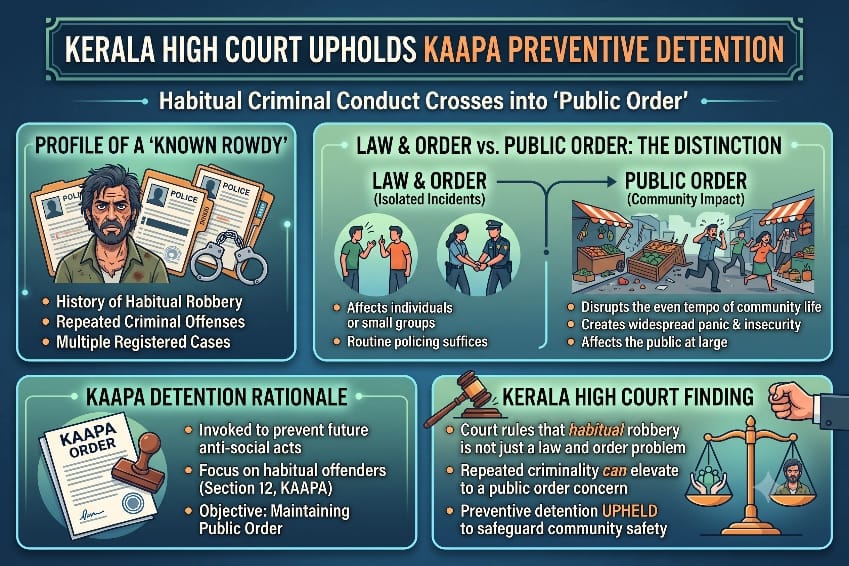
Thasmitha Abukutty v. State of Kerala and Others | High Court of Kerala at Ernakulam | 2nd September, 2026 A writ petition by the wife of a preventive detenu challenging a…
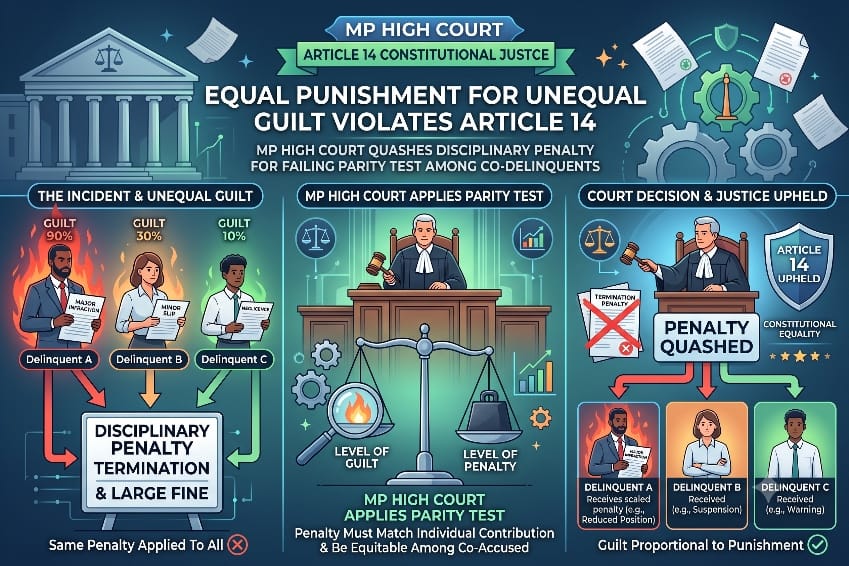
Brahm Kishore Dixit v. The State of Madhya Pradesh and Others | High Court of Madhya Pradesh, Gwalior | 1st September, 2026 A writ petition under Article 226 by a police Assistant…
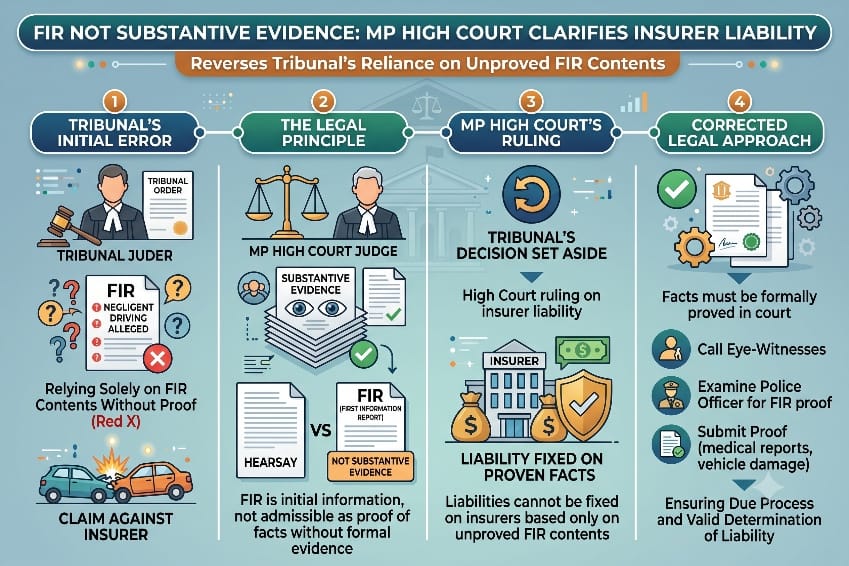
Anil Kumar Patel v. Smt. Munni Bai Barman and Others | High Court of Madhya Pradesh, Jabalpur | 1st September, 2026 A Motor Vehicle Act appeal under Section 173 1 against a Claims…
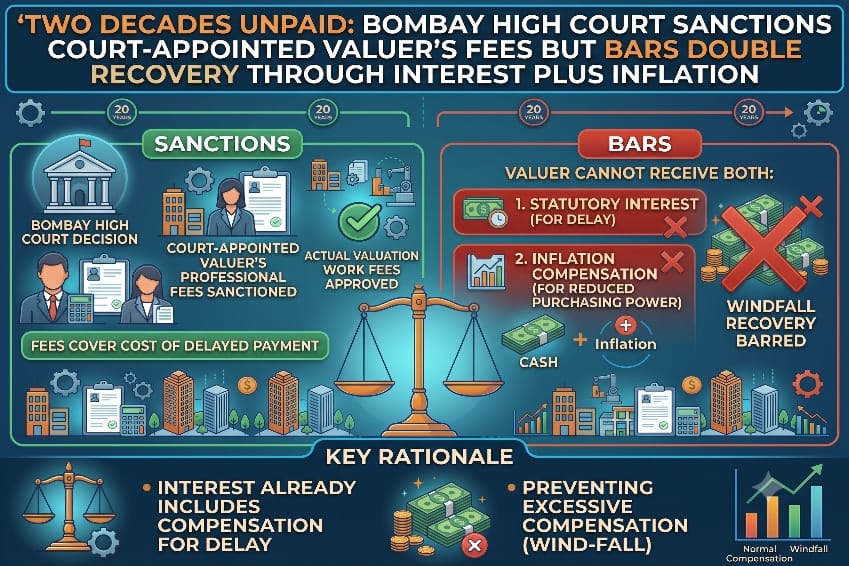
M/s. Kuber Mutual Benefits Ltd. & Ors. v. The State of Maharashtra & Ors. | High Court of Judicature at Bombay Appellate Side | 3rd September, 2026 A Court Receiver's Report…
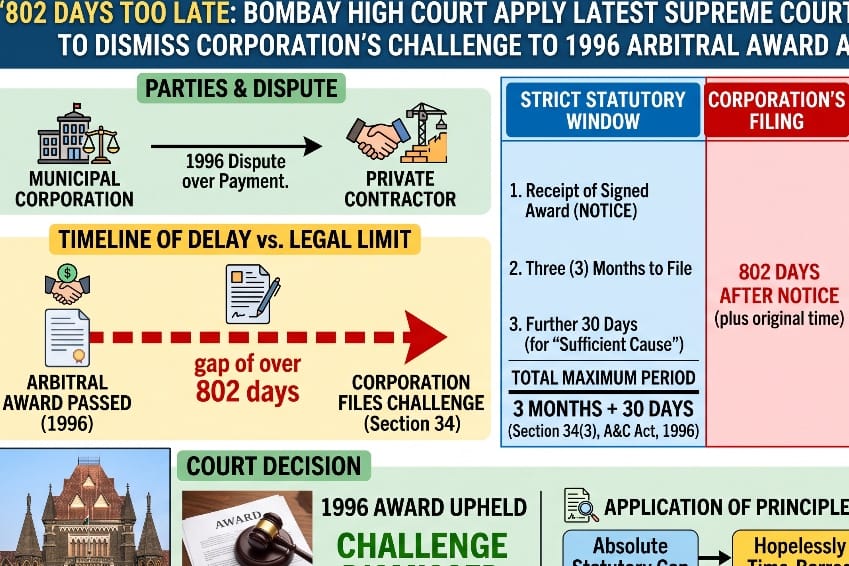
The Municipal Corporation of Greater Bombay v. M/s. Atul Raj Builders Pvt. Ltd. | High Court of Judicature at Bombay Ordinary Original Civil Jurisdiction | 3rd September, 2026 A…
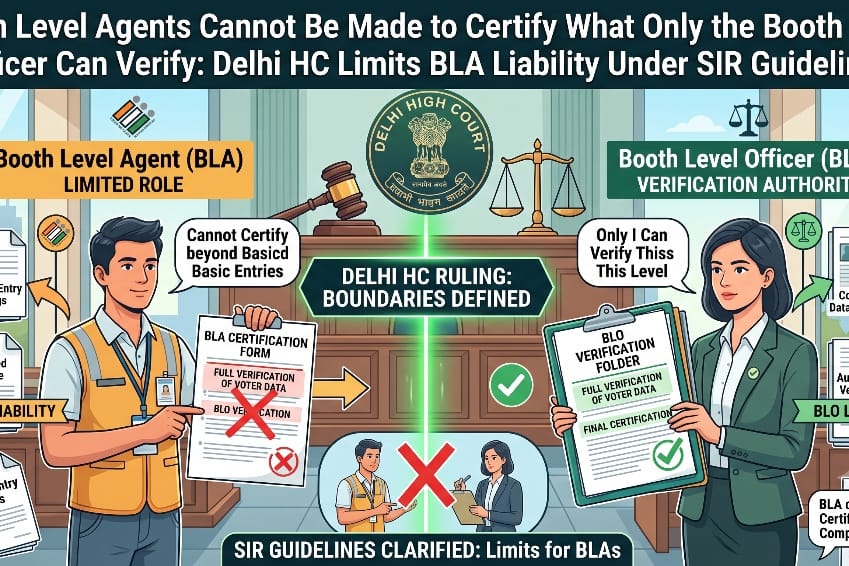
Devender Yadav & Anr. v. Election Commission of India & Anr. | High Court of Delhi Single Judge | Decided on: 03.09.2026 In a challenge to the Election Commission of India's…
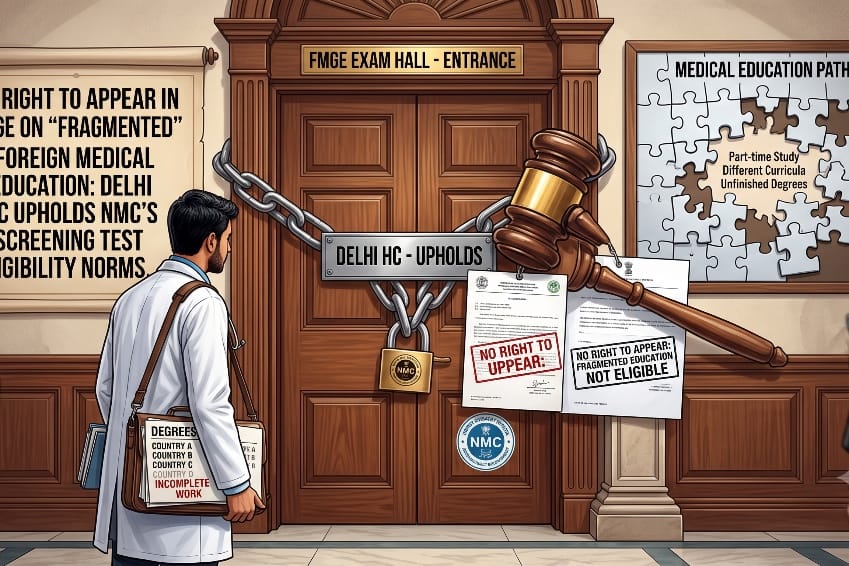
Brij Sharadbhai Bhatt & Ors. v. National Medical Commission & Ors. | High Court of Delhi Division Bench | Decided on: 03.09.2026 The Delhi High Court dismissed a challenge by…