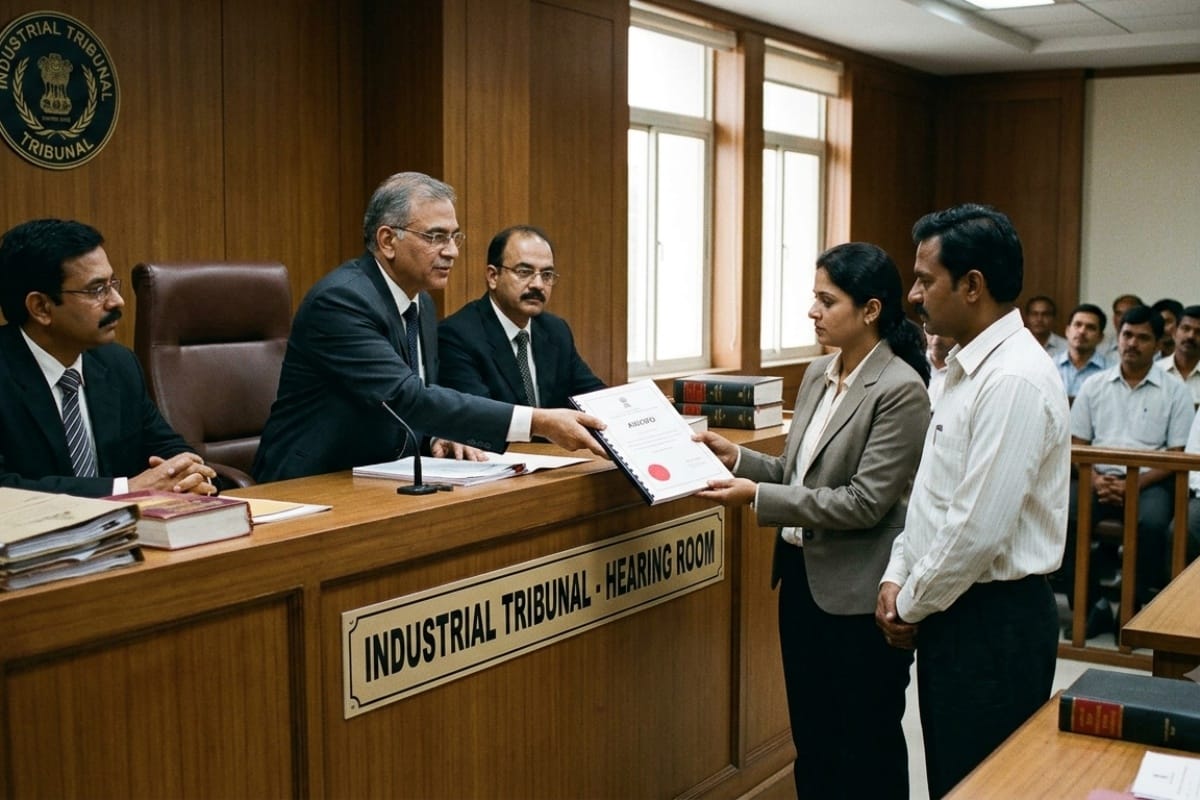
Deciding two connected writ petitions arising from a common Industrial Tribunal Award, the Delhi High Court set aside the Tribunal's direction granting hotel workmen a further…
Labour Laws
06/09/20264 min read
Update / Judgement Date
08 Sept 2025
Source
Author
Team — WCP Legal Desk
Reading Time
2 min read
The Supreme Court decided to centralize all pending petitions challenging the validity of state legislations regulating online gaming by transferring them from three High Courts to itself, citing the need for uniformity in judicial pronouncements across the country. Various state laws had imposed restrictions or outright bans on online real money gaming, citing concerns over gambling addiction, financial losses, and social harm. Gaming companies, however, argued that such restrictions violated their right to trade under Article 19(1)(g) and conflated games of skill with games of chance. With divergent interim rulings emerging from different High Courts, the Supreme Court noted that fragmented adjudication could lead to inconsistent outcomes, regulatory uncertainty, and disruption in a rapidly growing digital industry. By consolidating all cases, it aims to comprehensively examine constitutional, economic, and social dimensions of online gaming regulation, including the distinction between permissible games of skill and prohibited games of chance. The Court acknowledged concerns raised by states regarding addiction, consumer protection, and law-and-order issues, but stressed the need to balance these against fundamental rights and legitimate business interests. The transfer also reflects the judiciary’s recognition of the significant economic implications of online gaming, which is now a multi-billion-dollar sector with employment and tax revenue implications. The Supreme Court’s eventual verdict is expected to lay down guiding principles for regulating the industry, bringing much-needed clarity to stakeholders while ensuring adequate safeguards against misuse. This move signals judicial acknowledgment of online gaming as a pressing legal and policy challenge requiring authoritative resolution.
Deciding two connected writ petitions arising from a common Industrial Tribunal Award, the Delhi High Court set aside the Tribunal's direction granting hotel workmen a further…
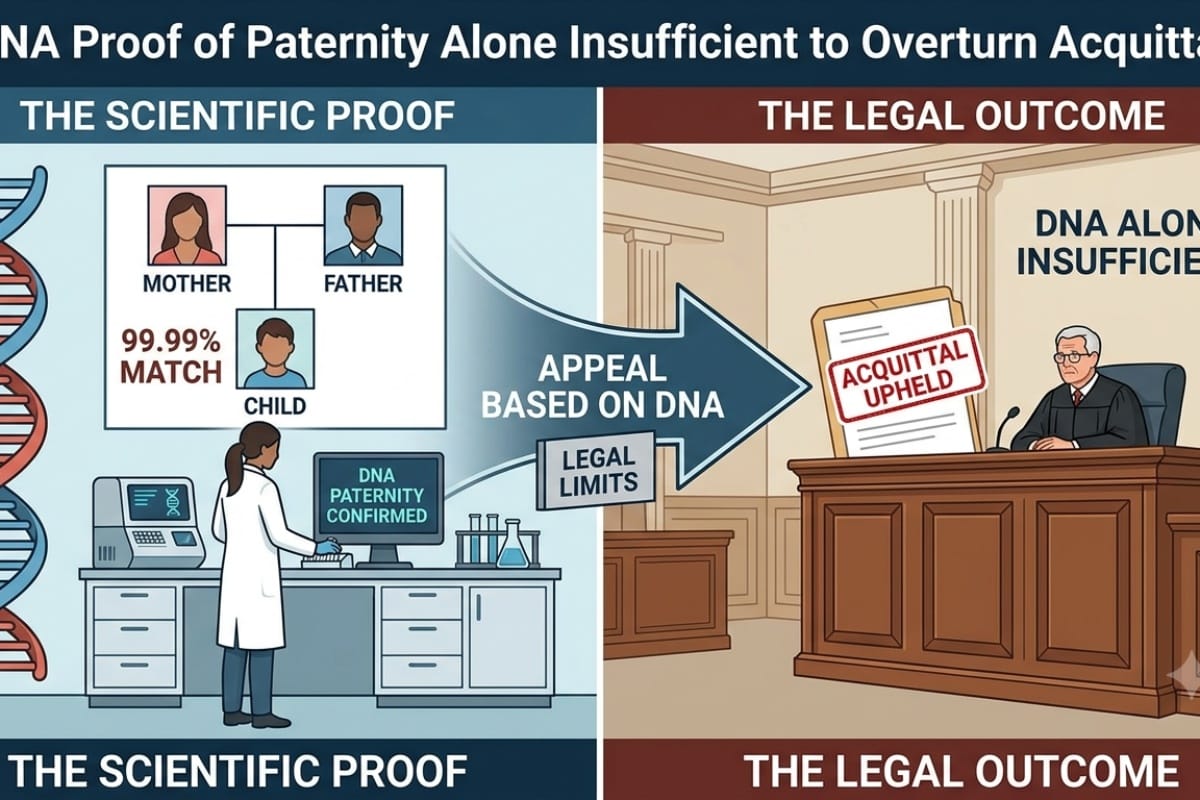
Headnote The Delhi High Court dismissed a prosecutrix's appeal against acquittal of the accused on charges under Sections 328/376 2 n /377/506/509 IPC, despite DNA evidence…
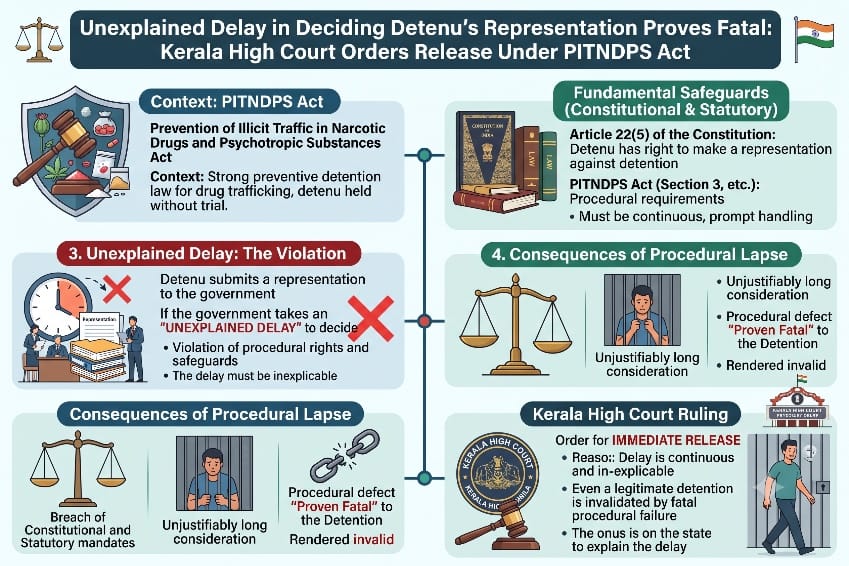
Fathimath Thasneem V.K. v. Union of India and Others | High Court of Kerala at Ernakulam | 3rd September, 2026 A habeas corpus writ petition by the wife of a detenu challenging…
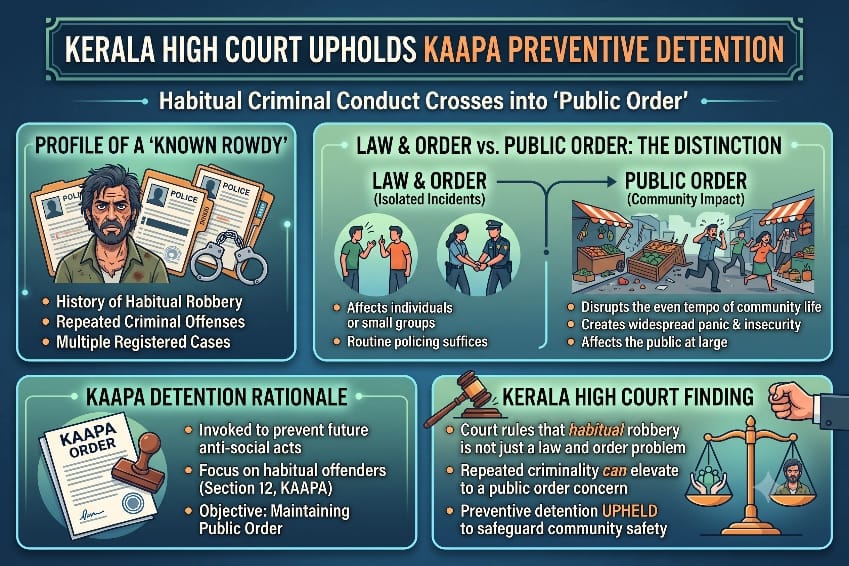
Thasmitha Abukutty v. State of Kerala and Others | High Court of Kerala at Ernakulam | 2nd September, 2026 A writ petition by the wife of a preventive detenu challenging a…
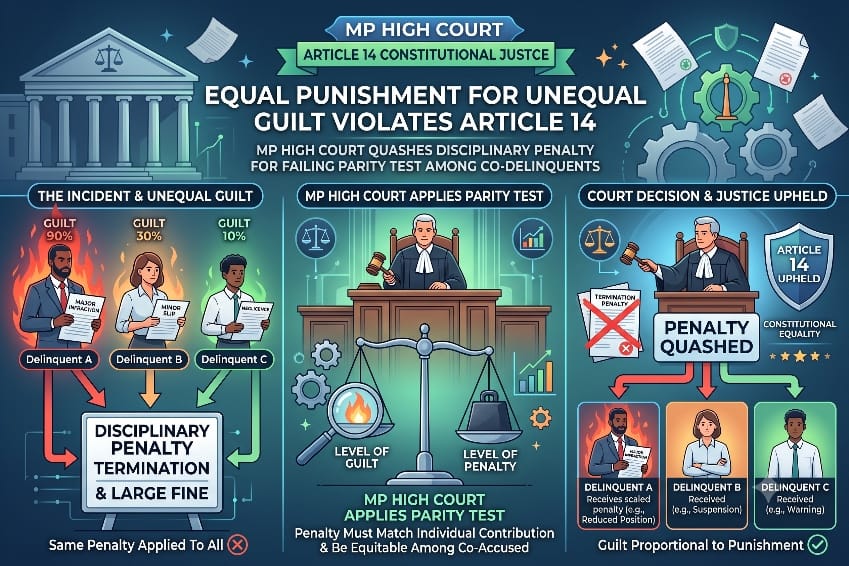
Brahm Kishore Dixit v. The State of Madhya Pradesh and Others | High Court of Madhya Pradesh, Gwalior | 1st September, 2026 A writ petition under Article 226 by a police Assistant…
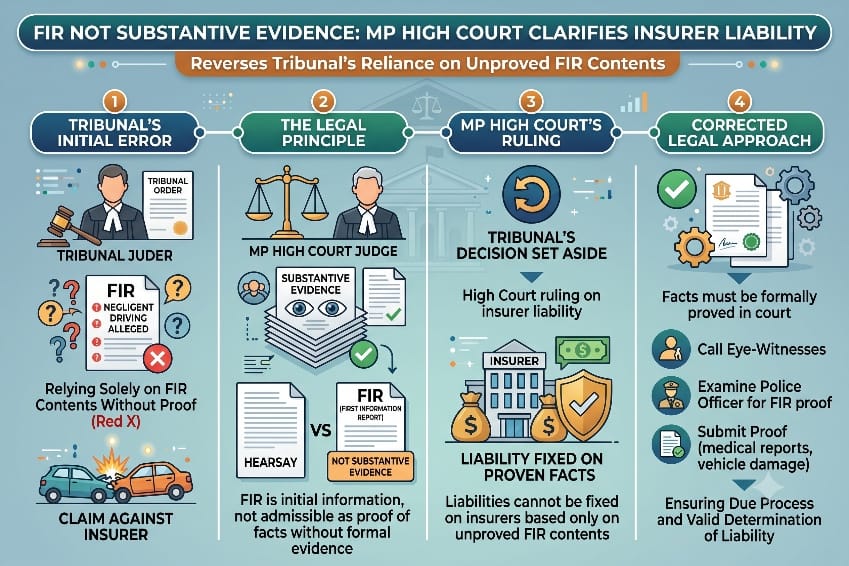
Anil Kumar Patel v. Smt. Munni Bai Barman and Others | High Court of Madhya Pradesh, Jabalpur | 1st September, 2026 A Motor Vehicle Act appeal under Section 173 1 against a Claims…
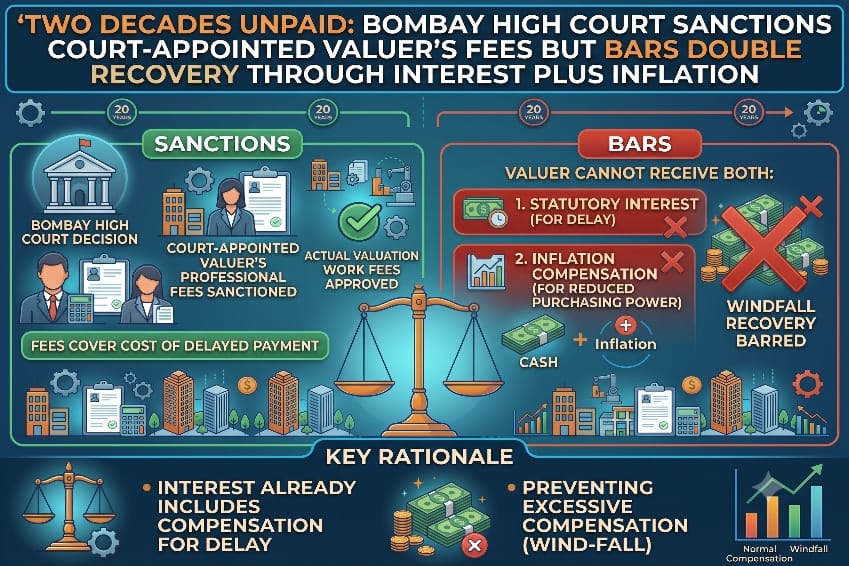
M/s. Kuber Mutual Benefits Ltd. & Ors. v. The State of Maharashtra & Ors. | High Court of Judicature at Bombay Appellate Side | 3rd September, 2026 A Court Receiver's Report…
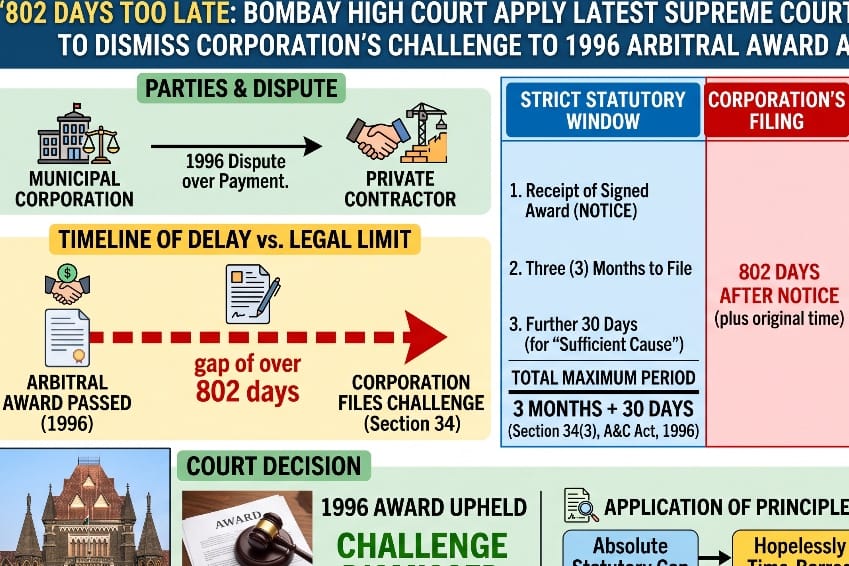
The Municipal Corporation of Greater Bombay v. M/s. Atul Raj Builders Pvt. Ltd. | High Court of Judicature at Bombay Ordinary Original Civil Jurisdiction | 3rd September, 2026 A…
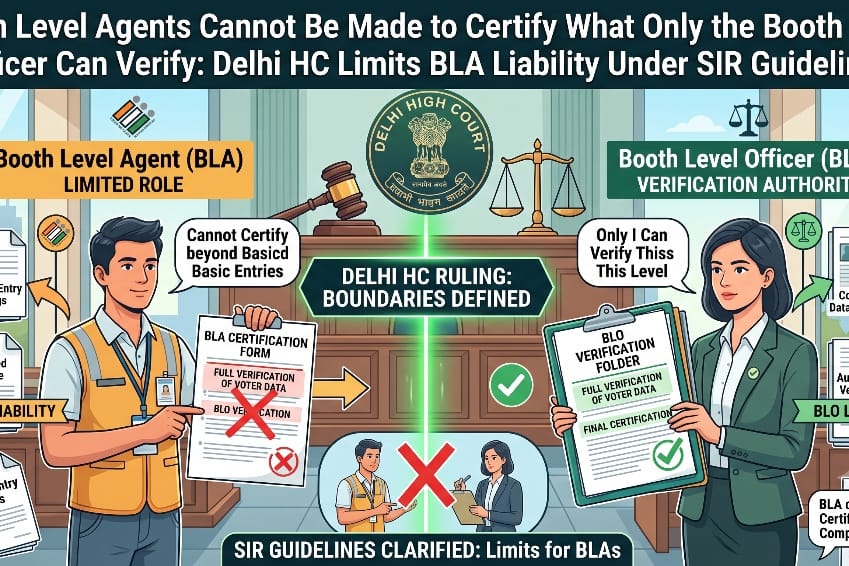
Devender Yadav & Anr. v. Election Commission of India & Anr. | High Court of Delhi Single Judge | Decided on: 03.09.2026 In a challenge to the Election Commission of India's…
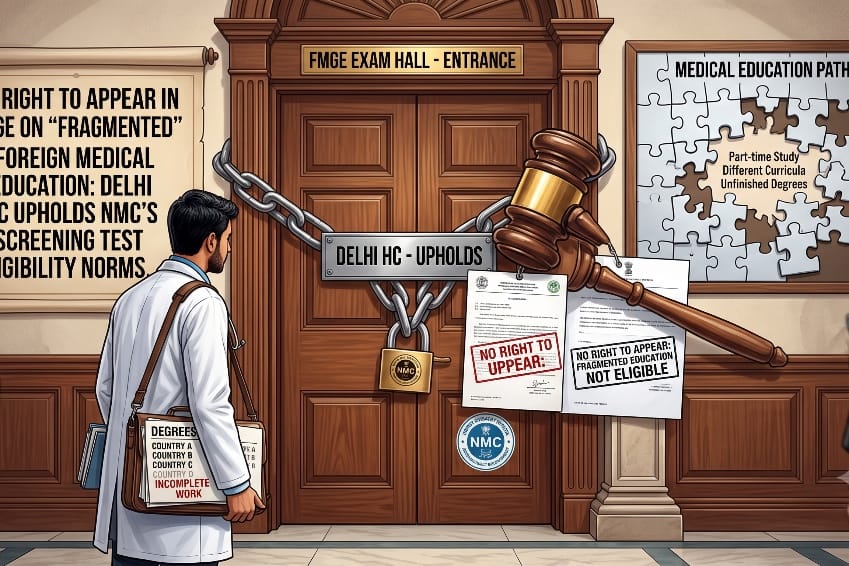
Brij Sharadbhai Bhatt & Ors. v. National Medical Commission & Ors. | High Court of Delhi Division Bench | Decided on: 03.09.2026 The Delhi High Court dismissed a challenge by…