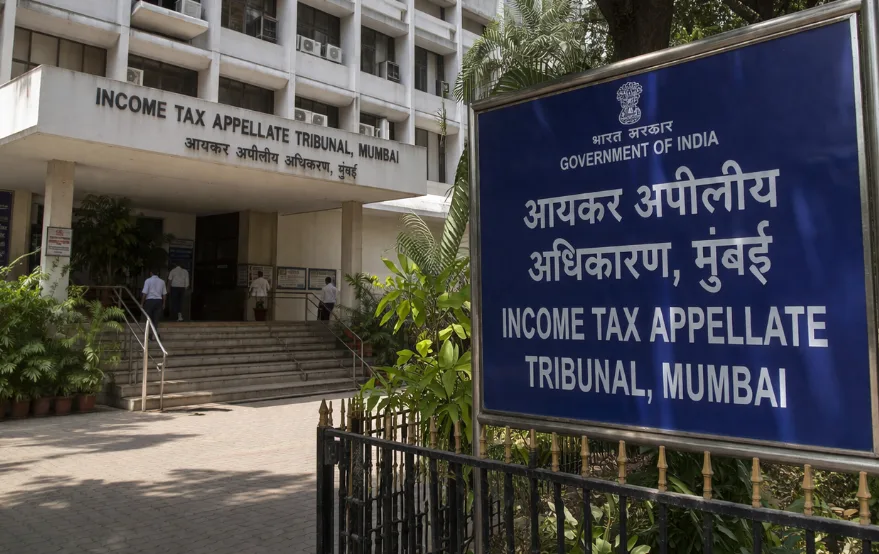
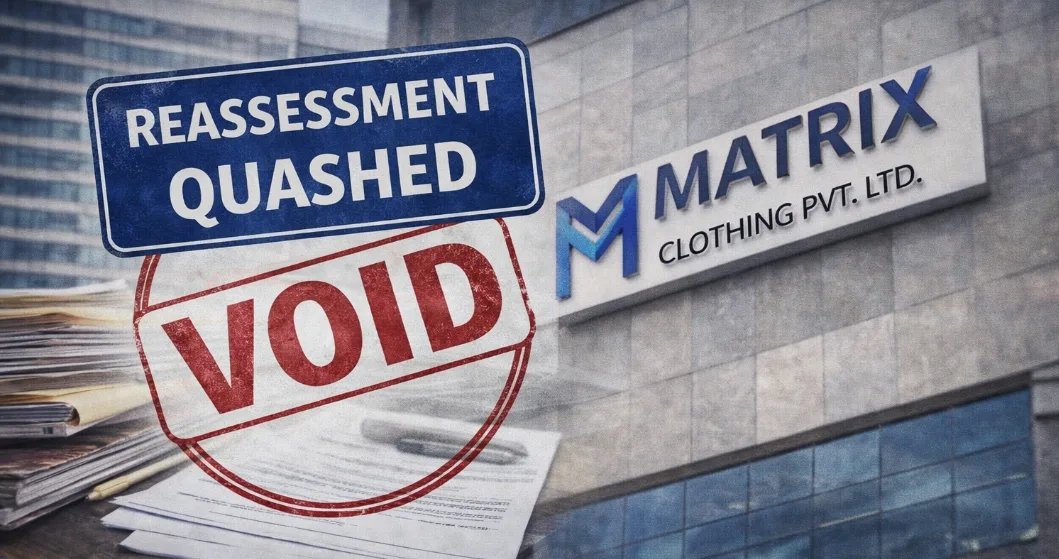
ITAT Delhi Quashes Reopening and Allows Section 35(2AB) Deduction in Matrix Clothing Case; Revenue’s Appeal Dismissed
Court / Authority
Income Tax Tribunal
Update / Judgement Date
29 Aug 2026
Source
WCP News Bulletin
Author
Manas Yadav — WCP Legal Desk
Reading Time
2 min read
View Count
Key Facts and Tribunal Findings
The Income Tax Appellate Tribunal (ITAT), Delhi Bench “E”, delivered a consolidated ruling in cross appeals involving Matrix Clothing Pvt. Ltd. for Assessment Years 2016–17, 2018–19, and 2019–20, addressing issues relating to reopening under Section 147 and disallowances of manufacturing and research expenditure.
For AY 2016–17, the Assessing Officer had reopened the assessment pursuant to a survey under Section 133A conducted in March 2019, alleging excessive manufacturing expenses and inadmissible R&D expenditure. Additions were made on account of manufacturing expenses (₹23 crore), R&D expenses (₹10.74 crore), and disallowance of deduction under Section 35(2AB). The Commissioner (Appeals) deleted the additions relating to manufacturing and R&D expenses but sustained the disallowance of deduction under Section 35(2AB).
The Tribunal reversed the disallowance under Section 35(2AB), noting that in the assessee’s own case for a subsequent year, a coordinate bench had already allowed the deduction based on certification by the Department of Scientific and Industrial Research (DSIR). Applying judicial consistency, the Tribunal held that no fresh reasoning justified denial of the claim.
On the Revenue’s appeal, the Tribunal upheld the deletion of additions towards manufacturing and R&D expenses, observing that the Assessing Officer’s conclusions were based on post-survey extrapolation without any demonstrated abnormality in expenditure ratios. The findings of the Commissioner (Appeals) remained unrebutted.
Crucially, the Tribunal held that since the very reasons recorded for reopening—relating to manufacturing and R&D expenses—did not survive, the reassessment itself was unsustainable in law. The reopening under Section 147 was accordingly quashed.
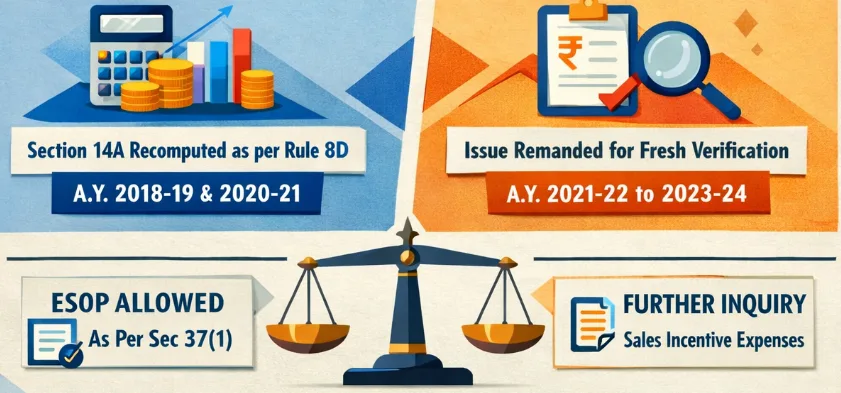
For AYs 2018–19 and 2019–20, the Tribunal granted relief on disallowance of interest and Section 35(2AB) deductions, while remanding certain issues relating to payments to joint venture entities for fresh verification.
The assessee’s appeal for AY 2016–17 was allowed, subsequent appeals were partly allowed, and the Revenue’s cross appeal was dismissed.
Full Judgement / Attachment
Full Judgement
Frequently asked questions about Income Tax Tribunal
- What is the Income Tax Appellate Tribunal (ITAT)?
- The ITAT, set up in 1941, is the second appellate authority in direct tax matters and the final fact-finding body. It hears appeals against orders of the Commissioner (Appeals) and certain other authorities, through benches across India.
- What is the time limit to file an appeal before the ITAT?
- An appeal must be filed within two months from the end of the month in which the order is communicated. This rule has applied since 1 October 2024 and continues under the Income-tax Act, 2025. The Tribunal can condone delay for sufficient cause.
- Can the ITAT stay a tax demand?
- Yes. The Tribunal can stay recovery of a disputed demand while an appeal is pending, usually on deposit of a part of the demand or furnishing security. Stays are granted for a limited period, and the appeal is expected to be decided within it.
- Where does an appeal go after the ITAT?
- An appeal against an ITAT order lies to the High Court, but only on a substantial question of law. A further appeal lies to the Supreme Court.
- How can White Collar Professional help with a ITAT matter?
- Post your requirement on White Collar Professional to receive proposals from verified Chartered Accountants and tax Advocates, compare them, and pay securely through the platform. This page also tracks the latest ITAT ITAT orders as they are reported.