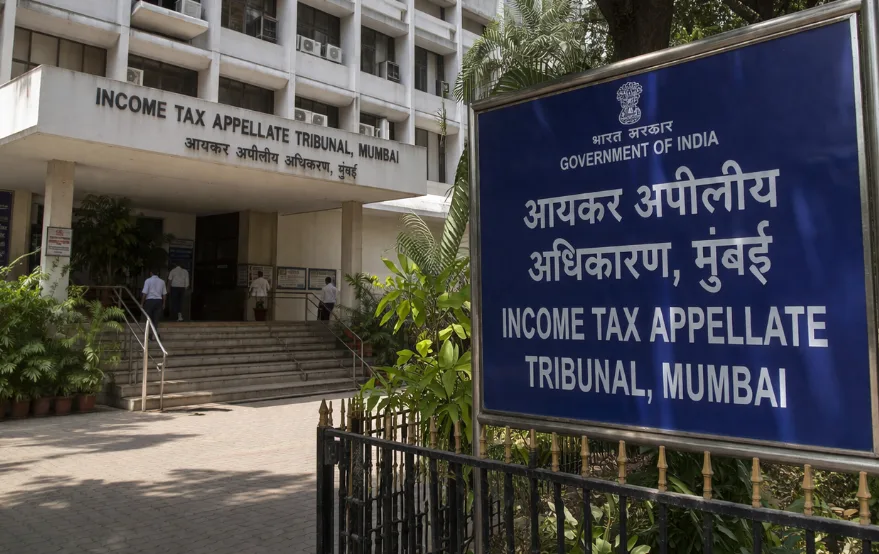
ITAT Mumbai Quashes Reassessment for Lack of Proper Sanction Under Section 151; Holds Proceedings Void Ab Initio
Court / Authority
Income Tax Tribunal
Update / Judgement Date
29 Aug 2026
Source
WCP News Bulletin
Author
Manas Yadav — WCP Legal Desk
Reading Time
2 min read
View Count

Key Facts and Tribunal Findings
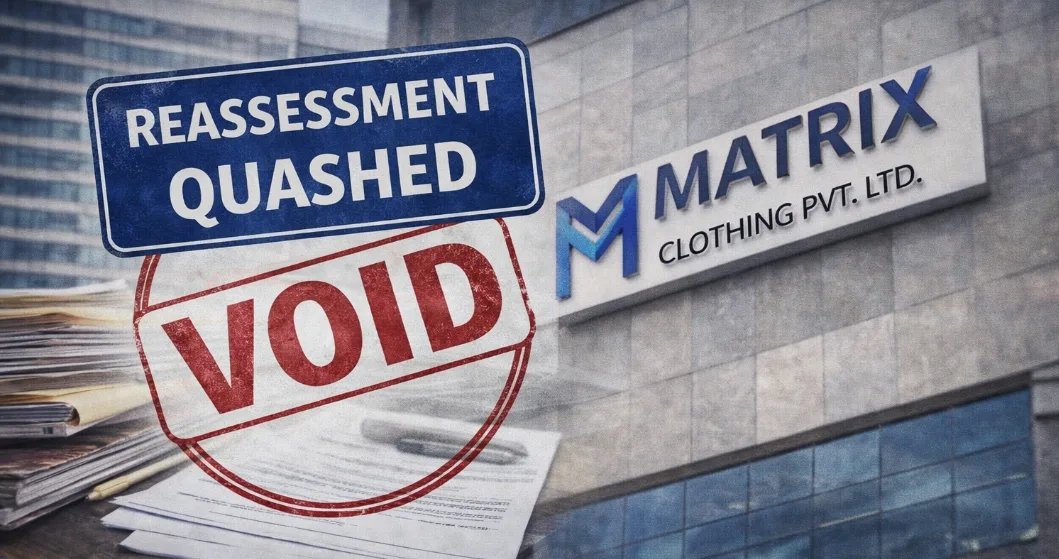
The Income Tax Appellate Tribunal (ITAT), Mumbai Bench, has quashed reassessment proceedings initiated against an individual assessee for Assessment Year 2016–17, holding that failure to obtain approval from the competent authority under Section 151 of the Income-tax Act, 1961 vitiates jurisdiction.
The reassessment proceedings were initiated under Sections 147 and 148 based on information regarding alleged suspicious high-value transactions. The Assessing Officer issued notice under Section 148 on 30 July 2022 following proceedings under Section 148A. The assessment was ultimately completed determining a significantly enhanced income after making additions under Sections 56 and 68.
Before the Tribunal, the assessee raised a jurisdictional challenge in cross objection, contending that the mandatory approval required under Section 151(ii) was not obtained. It was argued that since the notice under Section 148 was issued beyond three years from the end of the relevant assessment year, approval ought to have been obtained from the Principal Chief Commissioner or Chief Commissioner of Income Tax. However, in the present case, approval had been obtained from the Principal Commissioner of Income Tax.
The Tribunal accepted the assessee’s contention and held that such approval was not in conformity with the statutory mandate under Section 151(ii). It further held that jurisdictional defects cannot be cured by consent or waiver, and the assessee was entitled to raise such a ground even if it was not pressed before the first appellate authority.
Relying on binding precedent, including the decision of the jurisdictional High Court, the Tribunal held that sanction by the appropriate authority is a precondition for assumption of jurisdiction under Section 148. Non-compliance renders the entire reassessment proceedings invalid.
Accordingly, the Tribunal quashed the notice issued under Section 148 and all consequential proceedings. In view of this finding, the Revenue’s appeal on merits was dismissed as infructuous, while the assessee’s cross objection was allowed.
Full Judgement / Attachment
Full Judgement
Frequently asked questions about Income Tax Tribunal
- What is the Income Tax Appellate Tribunal (ITAT)?
- The ITAT, set up in 1941, is the second appellate authority in direct tax matters and the final fact-finding body. It hears appeals against orders of the Commissioner (Appeals) and certain other authorities, through benches across India.
- What is the time limit to file an appeal before the ITAT?
- An appeal must be filed within two months from the end of the month in which the order is communicated. This rule has applied since 1 October 2024 and continues under the Income-tax Act, 2025. The Tribunal can condone delay for sufficient cause.
- Can the ITAT stay a tax demand?
- Yes. The Tribunal can stay recovery of a disputed demand while an appeal is pending, usually on deposit of a part of the demand or furnishing security. Stays are granted for a limited period, and the appeal is expected to be decided within it.
- Where does an appeal go after the ITAT?
- An appeal against an ITAT order lies to the High Court, but only on a substantial question of law. A further appeal lies to the Supreme Court.
- How can White Collar Professional help with a ITAT matter?
- Post your requirement on White Collar Professional to receive proposals from verified Chartered Accountants and tax Advocates, compare them, and pay securely through the platform. This page also tracks the latest ITAT ITAT orders as they are reported.