ITAT Mumbai Deletes ‘On-Money’ Additions in Rubberwala Group Search Cases
Court / Authority
Income Tax Tribunal
Update / Judgement Date
26 Jul 2026
Source
WCP News Bulletin
Author
Manas Yadav — WCP Legal Desk
Reading Time
2 min read
View Count
4
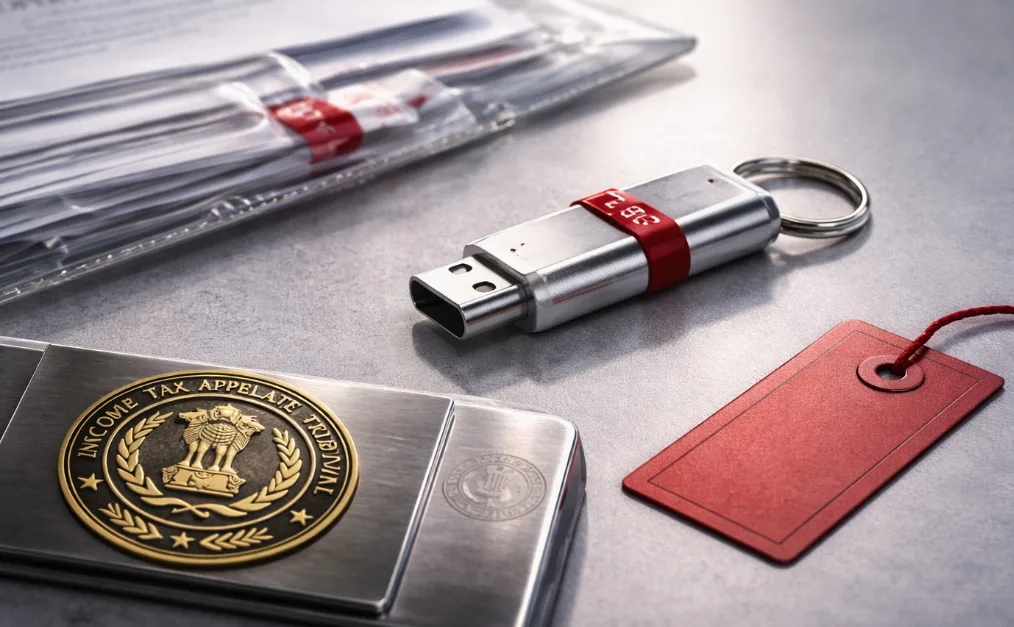
The “G” Bench of the Income Tax Appellate Tribunal, Mumbai, allowed the appeals of Farhana Usman Badarpura for AYs 2017–18, 2018–19 and 2019–20, deleting additions made under Section 69 in proceedings under Section 153C.
Background: Section 153C Notices Based on Rubberwala Search
The additions arose from a search conducted on the Rubberwala Group on 17 March 2021. During the search, statements were recorded and a pen drive containing excel sheets allegedly reflecting cash components in sale of shops in the “Platinum Mall” project was seized. Based on this material, proceedings under Section 153C were initiated against the assessee, alleging payment of “on-money” in cash over and above the agreement value. The Assessing Officer made additions of ₹2,00,000 under Section 69, which were confirmed by the CIT(A). The assessee challenged the validity of the notice (including absence of DIN), non-supply of incriminating documents, denial of cross-examination, and lack of corroborative evidence.
Tribunal: No Corroboration, Violation of Natural Justice
The Tribunal noted that identical issues arising from the same search had been decided in favour of assessees in several coordinate bench decisions, including Pravin K. Purohit and Rajesh Jain.
It observed that:
- The alleged incriminating material was found from a third party.
- No independent corroborative evidence linked the assessee to cash payment.
- Copies of statements and electronic material were not properly confronted.
- Opportunity for cross-examination was not granted, violating principles of natural justice.
Following earlier binding precedents and maintaining judicial consistency, the ITAT directed deletion of the additions for all three assessment years.
All appeals were allowed.
Full Judgement / Attachment
Full Judgement
Frequently asked questions about Income Tax Tribunal
- What is the Income Tax Appellate Tribunal (ITAT)?
- The ITAT, set up in 1941, is the second appellate authority in direct tax matters and the final fact-finding body. It hears appeals against orders of the Commissioner (Appeals) and certain other authorities, through benches across India.
- What is the time limit to file an appeal before the ITAT?
- An appeal must be filed within two months from the end of the month in which the order is communicated. This rule has applied since 1 October 2024 and continues under the Income-tax Act, 2025. The Tribunal can condone delay for sufficient cause.
- Can the ITAT stay a tax demand?
- Yes. The Tribunal can stay recovery of a disputed demand while an appeal is pending, usually on deposit of a part of the demand or furnishing security. Stays are granted for a limited period, and the appeal is expected to be decided within it.
- Where does an appeal go after the ITAT?
- An appeal against an ITAT order lies to the High Court, but only on a substantial question of law. A further appeal lies to the Supreme Court.
- How can White Collar Professional help with a ITAT matter?
- Post your requirement on White Collar Professional to receive proposals from verified Chartered Accountants and tax Advocates, compare them, and pay securely through the platform. This page also tracks the latest ITAT ITAT orders as they are reported.









