ITAT Mumbai Remands ₹2.30 Crore Section 69A Addition on Property Purchase; Calls for Fresh Enquiry into Source of Funds
Court / Authority
Income Tax Tribunal
Update / Judgement Date
24 Aug 2026
Source
WCP News Bulletin
Author
Manas Yadav — WCP Legal Desk
Reading Time
2 min read
View Count

Key Facts and Tribunal Findings
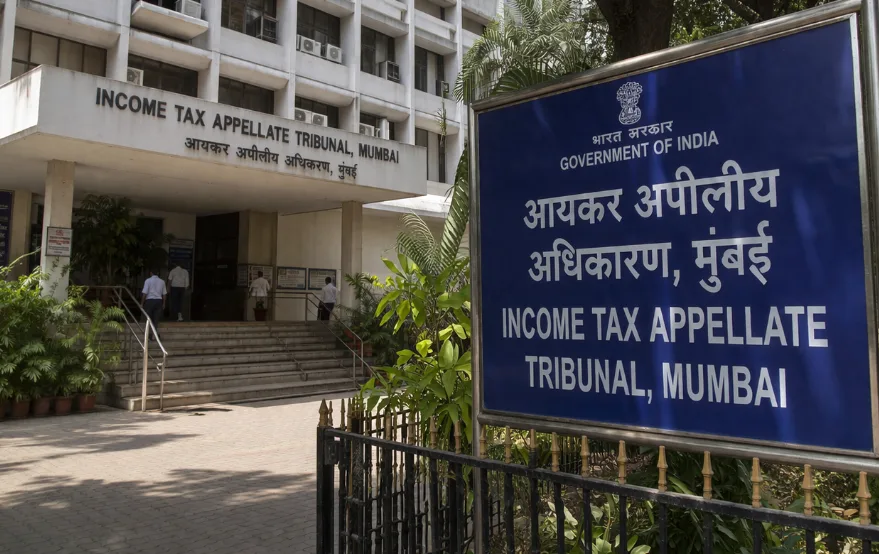
The Income Tax Appellate Tribunal (ITAT), Mumbai Bench, partly allowed the appeal of Mohammed Athar Badruddin Khan for Assessment Year 2013–14, setting aside an addition of ₹2.30 crore made under Section 69A and remanding the matter for fresh adjudication.
The case arose from information received by the Assessing Officer regarding purchase of immovable property for ₹2.35 crore, including stamp duty, during the relevant financial year. The assessee had declared income of ₹4.78 lakh and had not disclosed the property transaction in the return of income. The stamp valuation authority had determined the value of the property at ₹3.37 crore. During assessment proceedings, the assessee explained that the investment was funded through accumulated savings of ₹1.65 crore, advances received from candidates amounting to ₹64.88 lakh in connection with manpower supply business, and a loan of ₹5 lakh. Supporting documents including wealth tax returns and details of candidates were furnished.
The Assessing Officer rejected the explanation, terming it unreliable, and treated the entire amount of ₹2.30 crore as unexplained money under Section 69A. The addition was upheld by the first appellate authority. Before the Tribunal, the assessee sought an opportunity to substantiate the claim through further evidence. The Tribunal observed that the assessee had furnished certain primary details, including wealth tax returns and a list of candidates with passport details, but these were not adequately examined.
It further noted that no enquiry was conducted with the seller of the property or with the candidates whose details were available, despite identifiable information such as passport numbers. The Tribunal held that the Assessing Officer’s conclusions were based on suspicion rather than verification.
In view of these deficiencies, the Tribunal restored the issue to the Assessing Officer for de novo adjudication, directing thorough enquiry and providing reasonable opportunity to the assessee.
Full Judgement / Attachment
Full Judgement
Frequently asked questions about Income Tax Tribunal
- What is the Income Tax Appellate Tribunal (ITAT)?
- The ITAT, set up in 1941, is the second appellate authority in direct tax matters and the final fact-finding body. It hears appeals against orders of the Commissioner (Appeals) and certain other authorities, through benches across India.
- What is the time limit to file an appeal before the ITAT?
- An appeal must be filed within two months from the end of the month in which the order is communicated. This rule has applied since 1 October 2024 and continues under the Income-tax Act, 2025. The Tribunal can condone delay for sufficient cause.
- Can the ITAT stay a tax demand?
- Yes. The Tribunal can stay recovery of a disputed demand while an appeal is pending, usually on deposit of a part of the demand or furnishing security. Stays are granted for a limited period, and the appeal is expected to be decided within it.
- Where does an appeal go after the ITAT?
- An appeal against an ITAT order lies to the High Court, but only on a substantial question of law. A further appeal lies to the Supreme Court.
- How can White Collar Professional help with a ITAT matter?
- Post your requirement on White Collar Professional to receive proposals from verified Chartered Accountants and tax Advocates, compare them, and pay securely through the platform. This page also tracks the latest ITAT ITAT orders as they are reported.