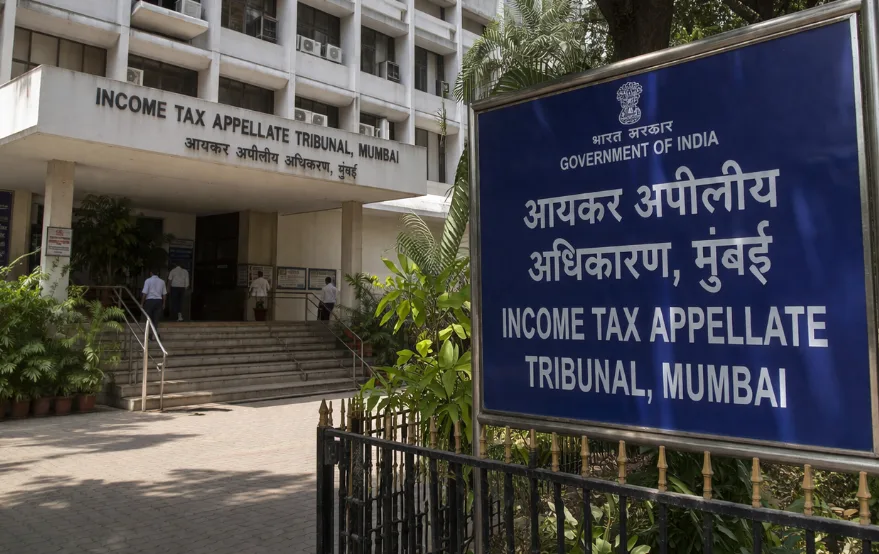
ITAT Mumbai Remands ₹4.77 Crore Accumulation Disallowance Under Section 11(2); Seeks Specific Purpose Details
Court / Authority
Income Tax Tribunal
Update / Judgement Date
23 Aug 2026
Source
WCP News Bulletin
Author
Manas Yadav — WCP Legal Desk
Reading Time
2 min read
View Count
1

Key Facts and Tribunal Findings
The Income Tax Appellate Tribunal (ITAT), Mumbai Bench, has set aside the order of the Commissioner of Income Tax (Appeals) [CIT(A)] and remanded the issue of disallowance of ₹4.77 crore under Section 11(2) of the Income Tax Act to the CIT(A) for fresh adjudication. The assessee, a registered charitable trust engaged in educational activities, had claimed accumulation of income under Section 11(2). During assessment proceedings under Section 143(3), the Assessing Officer disallowed the accumulation on the ground that the assessee failed to specify the purpose of accumulation in Form No. 10.
Subsequently, revisionary proceedings under Section 263 were initiated, and the assessment was set aside. However, in the reassessment proceedings, the AO again disallowed the accumulation of ₹4.77 crore, citing lack of specificity in the purpose stated. Before the CIT(A), the assessee relied on a resolution dated 30 March 2016 outlining various intended activities, including establishment of educational and vocational centres, environmental initiatives, and social infrastructure projects. The CIT(A) held that these purposes were vague and lacked specificity, as no identifiable projects, locations, or implementation details were provided. Accordingly, the disallowance was upheld.
On further appeal, the Tribunal concurred that the purposes mentioned in the resolution were broadly worded and did not satisfy the requirement of specifying a clear and definite purpose under Section 11(2). However, noting the assessee’s submission that the accumulated funds had already been utilised, the Tribunal held that the matter required reconsideration. It granted the assessee one more opportunity to furnish specific details regarding the purpose and utilisation of the accumulated funds.
Legal Analysis
The Tribunal reaffirmed that compliance with Section 11(2) requires clear and specific disclosure of the purpose for which income is accumulated, and mere general or broad objectives are insufficient. At the same time, the Tribunal adopted a procedural approach by allowing reconsideration where the assessee claims actual utilisation aligned with its objects, directing fresh adjudication after examining detailed evidence.
Full Judgement / Attachment
Full Judgement
Frequently asked questions about Income Tax Tribunal
- What is the Income Tax Appellate Tribunal (ITAT)?
- The ITAT, set up in 1941, is the second appellate authority in direct tax matters and the final fact-finding body. It hears appeals against orders of the Commissioner (Appeals) and certain other authorities, through benches across India.
- What is the time limit to file an appeal before the ITAT?
- An appeal must be filed within two months from the end of the month in which the order is communicated. This rule has applied since 1 October 2024 and continues under the Income-tax Act, 2025. The Tribunal can condone delay for sufficient cause.
- Can the ITAT stay a tax demand?
- Yes. The Tribunal can stay recovery of a disputed demand while an appeal is pending, usually on deposit of a part of the demand or furnishing security. Stays are granted for a limited period, and the appeal is expected to be decided within it.
- Where does an appeal go after the ITAT?
- An appeal against an ITAT order lies to the High Court, but only on a substantial question of law. A further appeal lies to the Supreme Court.
- How can White Collar Professional help with a ITAT matter?
- Post your requirement on White Collar Professional to receive proposals from verified Chartered Accountants and tax Advocates, compare them, and pay securely through the platform. This page also tracks the latest ITAT ITAT orders as they are reported.